Brief For A Working Fleet In Boksburg
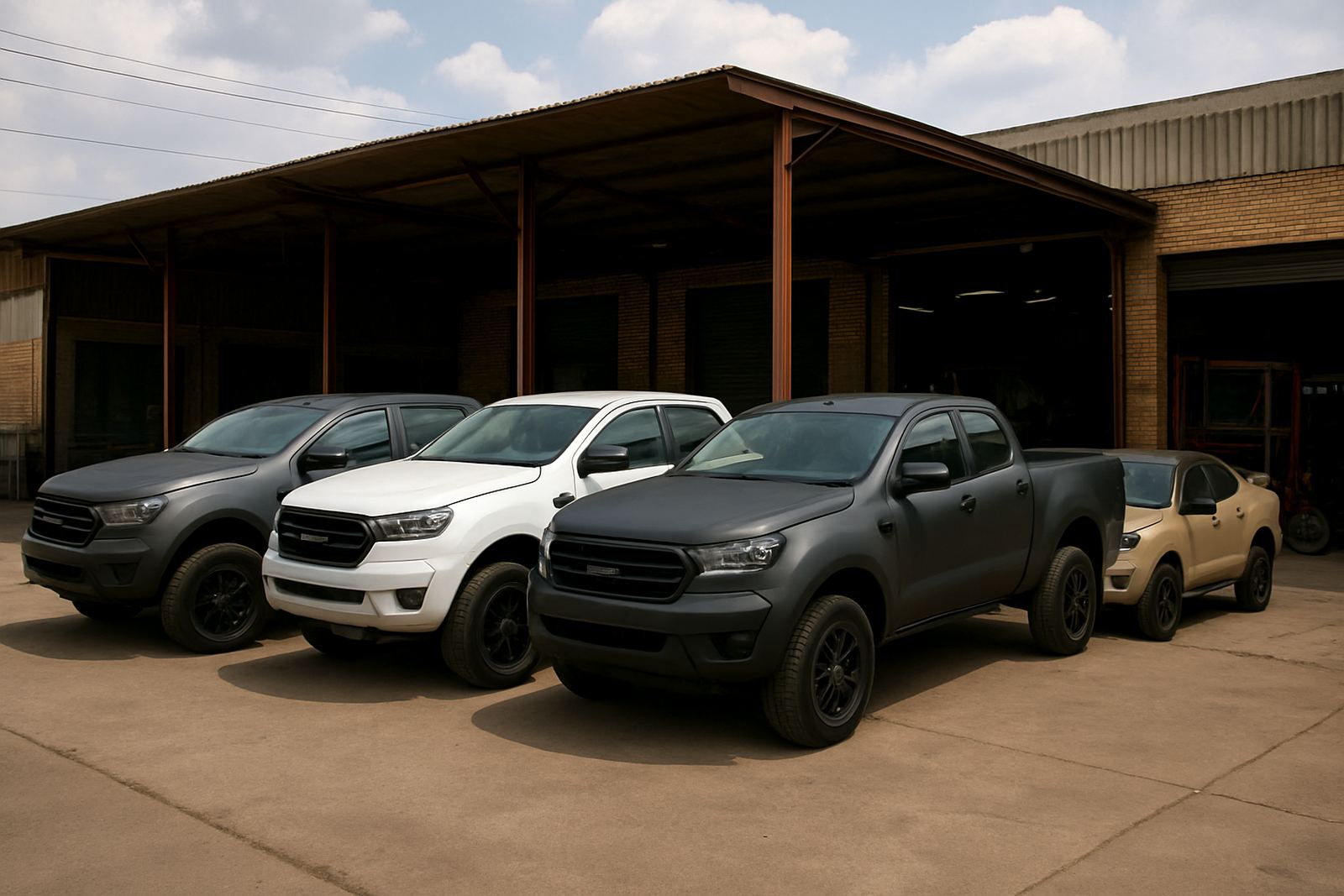
The client was a local industrial supplier based in Boksburg, moving tools, fittings and consumables between warehouses, workshops and site yards across the East Rand. Their vans were doing early starts, stop-start deliveries and a fair amount of parking in tight loading zones, so the finish had to look professional but also take knocks without peeling at the edges.
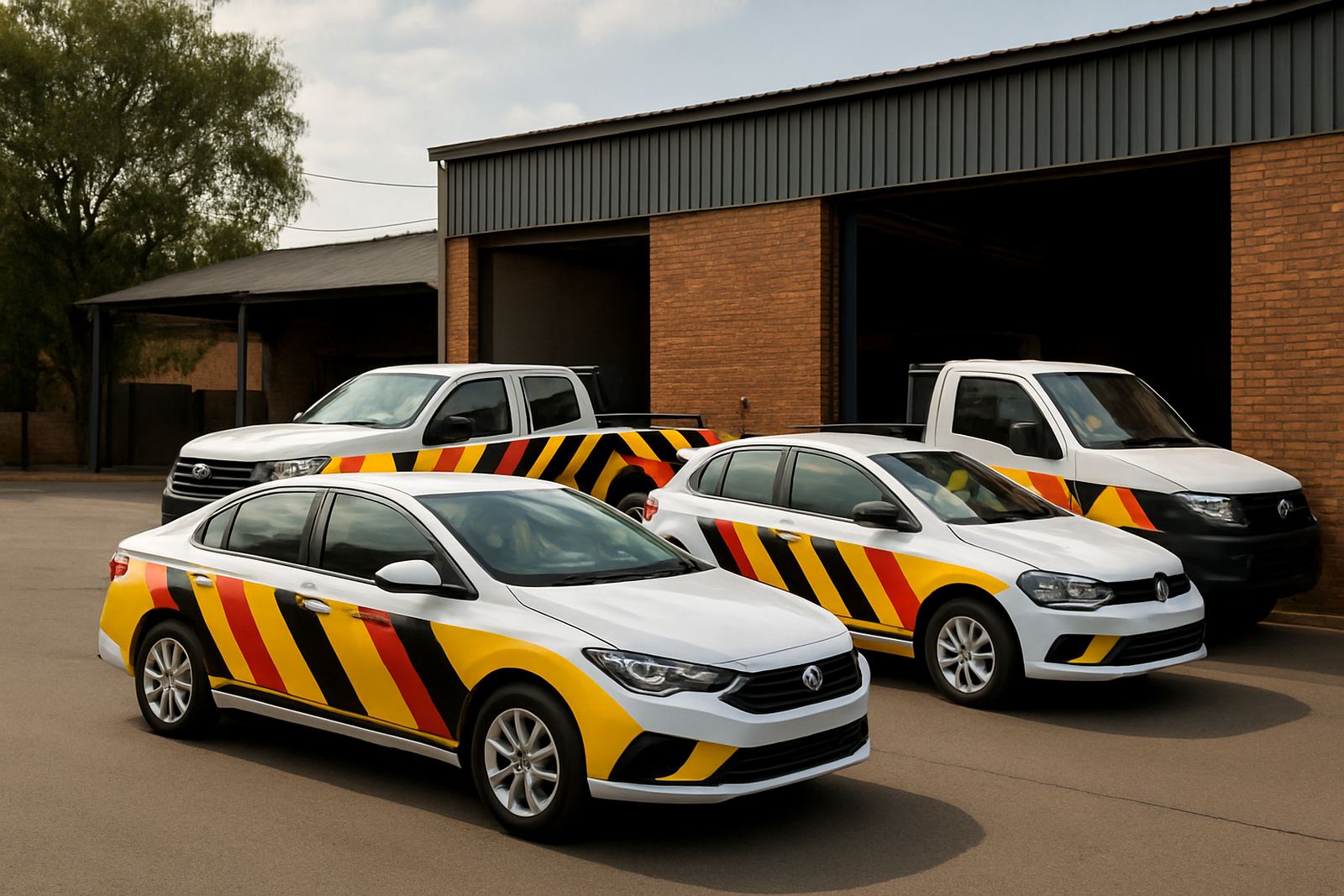
The brief was simple on paper. Make the vans easy to identify, keep the branding consistent across the fleet, and add reflective detail so the vehicles stayed visible when parked near truck traffic or moving after dark. We also had to work around live schedules, since the vans could not sit idle for long. The client needed a practical result, not a showpiece, and that suited the job well.
- Vehicle type: light commercial supplier vans
- Area: Boksburg and surrounding industrial routes
- Main need: clear branding and safety visibility
- Use case: daily deliveries, site drops and warehouse runs
What We Supplied And Installed
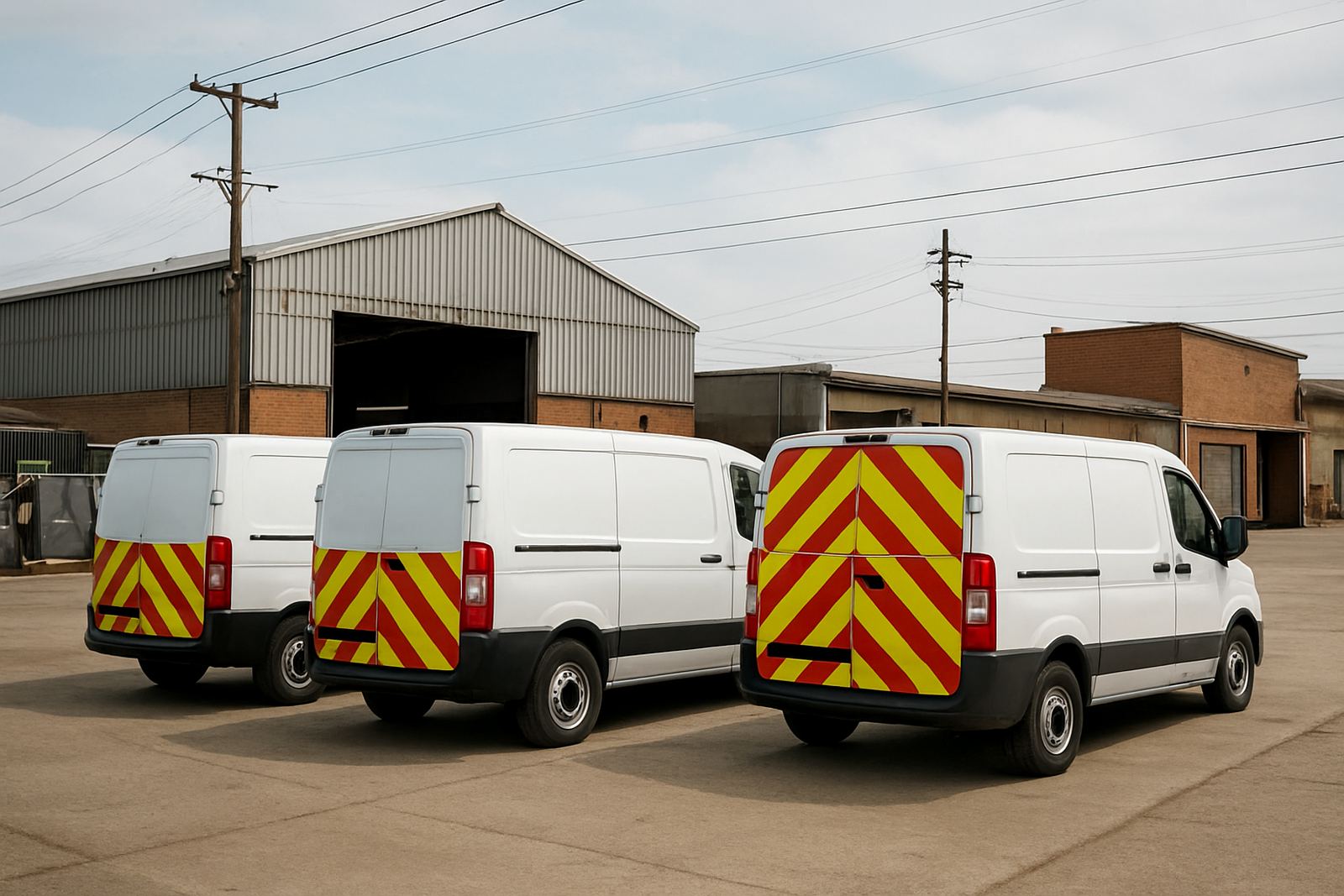
We supplied a full fleet wrap package that combined print vinyl branding with reflective safety accents on selected panels. Each van got surface prep, panel cleaning and decontamination before installation, then the graphics were aligned to keep repeat placements neat from vehicle to vehicle. The reflective elements were placed where they would be seen in headlights and yard lighting without making the vans look overdone.
For this type of delivery vehicle, the key is to balance coverage with maintenance. Too much vinyl in high-contact areas can lead to faster wear, especially around handles, edges and loading points. So we used a layout that gave strong side and rear visibility while leaving practical access points easy to clean. The finish held well in the heat and dust, and it also coped with regular washing, which matters more than most people think.
- Printed fleet graphics on side panels and rear doors
- Reflective safety details for low-light visibility
- Panel-by-panel application for consistent alignment
- Clean edge finishing around handles, trims and hinges
How We Handled The Constraints
Like many industrial fleet jobs, the challenge was not just the wrapping itself but the working conditions around it. These vans were busy, so we had limited downtime and had to stage each unit carefully. We also had to plan for Boksburg traffic and warehouse access times, which can shift fast when loading bays are full or the client gets a same-day rush order. That meant tight coordination and no wasted movement.
Another consideration was exposure. Supplier vans in Gauteng pick up a lot of dust, road grime and sun damage. If the prep is poor, the wrap starts lifting earlier than it should, especially around high-wear edges. We spent extra time on prep, checked the paint condition before install, and made sure the wrap sequence supported long-term hold. A small detail but it saves money later. The client needed the vans back in service quickly, so we worked in a staggered schedule rather than taking the whole fleet off the road at once.
- Limited vehicle downtime across the fleet
- Dusty, high-use industrial operating environment
- Need for safe visibility in yards and after dark
- Staggered install plan to keep deliveries moving
Timeline From Prep To Handover
The full project ran over two weeks from intake to final handover. Week one covered vehicle checks, measurements, artwork alignment and surface preparation. Week two covered installation, finishing, post-heat work and a final inspection on each van. We also confirmed that all reflective pieces were positioned correctly on the final vehicles before release.
That timeline worked because the fleet was not overly large, but it still needed proper sequencing. We did not rush the curing or trimming stages, since a few extra hours at installation usually prevent problems later. The client wanted a dependable result and they got one. The vans were back on the road without delay and the branding stayed consistent across the set, which is exactly what a supplier fleet needs.
- Week 1: checks, prep and layout approval
- Week 2: install, finishing and final QA
- Hand-over: each van signed off individually
Results On The Road And At The Yard
The finished fleet looked tidy, practical and easy to identify from a distance. The reflective detail improved visibility in the yard and on early-morning or late-afternoon runs, while the printed branding gave the client a more organised presence when arriving at customer premises. For a supply business, that matters because the van is often the first branded point of contact before anyone steps inside.
The client also wanted something that would not create extra cleaning headaches, and the chosen material set helped there. Dirt shows less on the darker sections, and the wrap can be washed without special treatment as long as harsh chemicals are avoided. The fleet now presents as one unit instead of a mix of mismatched vehicles, and that consistency helps customers trust the operation. It is a small thing but it changes how a business is seen.
- Better visibility in traffic and yards
- Cleaner, more professional fleet presentation
- Consistent branding across multiple vans
- Lower visual wear compared with faded paintwork
What We Would Repeat On Similar Boksburg Fleets
If we were doing the same job again for another industrial supplier in Boksburg, we would keep the same approach: strong prep, practical placement, and reflective detail used sparingly but where it counts. We would also recommend a quick maintenance routine from day one, because delivery vans pick up grime fast and that can hide edges if nobody checks them. A short inspection after the first week of use helps catch any settling early.
For fleets that work near mines, factories, or storage depots, the best result comes from planning the wrap around the route and the loading pattern, not just the logo. That includes rear-door visibility, side panel legibility and safe placement around handles and hinges. We have found that when those points are handled properly, the fleet lasts longer and looks better for longer too. For this Boksburg project, that is exactly how it played out.
- Keep prep time non-negotiable
- Use reflective elements where traffic sees them first
- Plan around loading access and frequent wash cycles
- Review the fleet after the first seven to ten days
Key facts
| Client type | Industrial supply business |
|---|---|
| Town | Boksburg, East Rand |
| Vehicle type | Light commercial supplier vans |
| Scope | Fleet wrap with reflective safety detail |
| Timeline | 2 weeks |
| Services used | Design and Artwork, Surface Preparation, Vinyl Installation, Aftercare Support |