Start With the Job Your Vehicle Needs to Do
Not every wrap is chosen for the same reason. Some owners want a colour change for a fresh look, others need a hard-working fleet signwriting solution, and many are mainly after paint protection on a new car or light commercial vehicle. The right guide depends on how the vehicle is used each day, where it parks and how long you want the finish to stay looking right.
For daily drivers in Johannesburg traffic, fleet bakkies on site visits, or cars that sit outside in the sun, the questions are different. A clear guide should help you weigh appearance against protection, downtime and upkeep, rather than just choosing the cheapest option.
- Private vehicle styling or a full colour change
- Fleet branding for regular road use and deliveries
- Paint protection for stone chips and wash marks
- Tinting for heat reduction and privacy
Compare Coverage Before You Compare Price
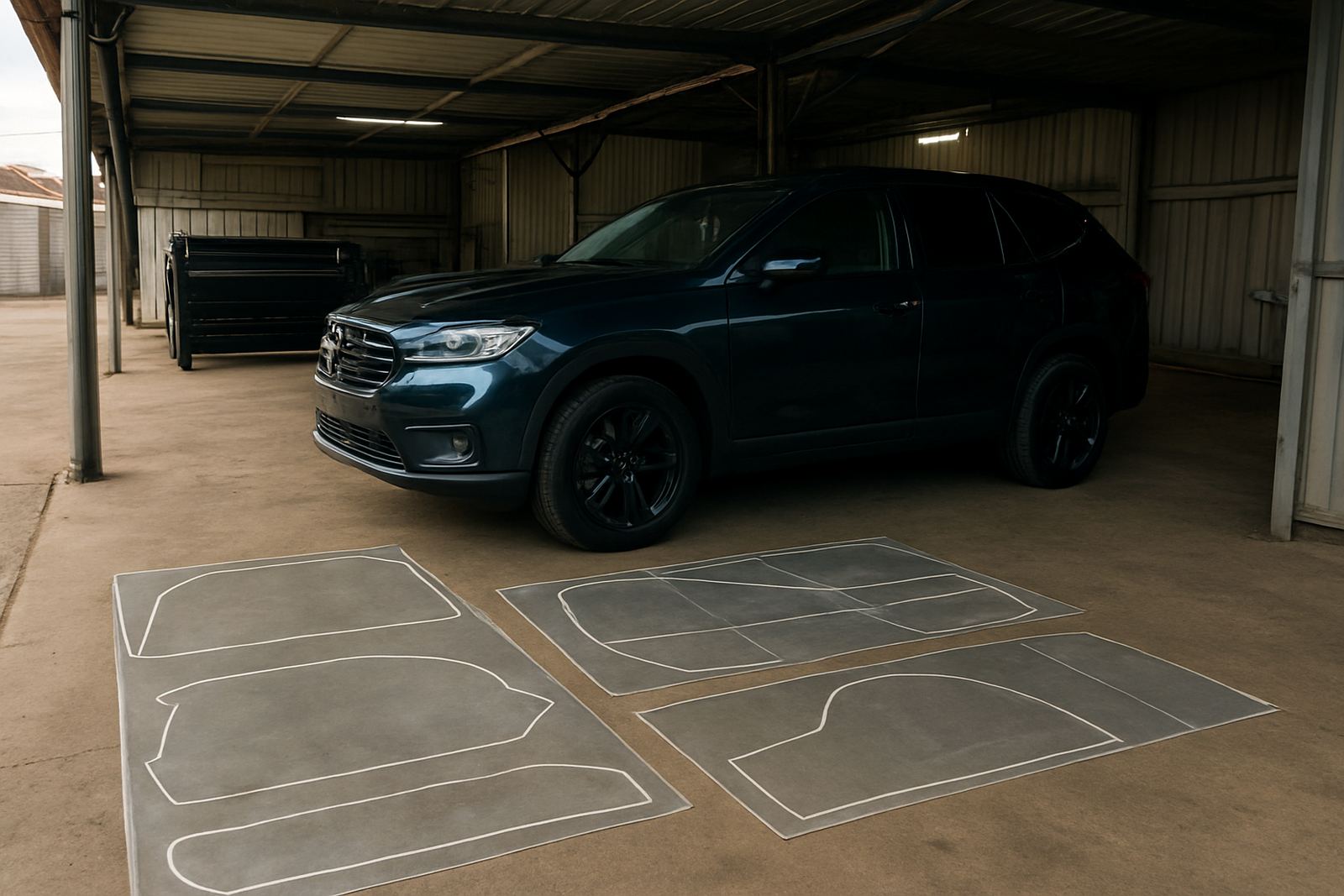
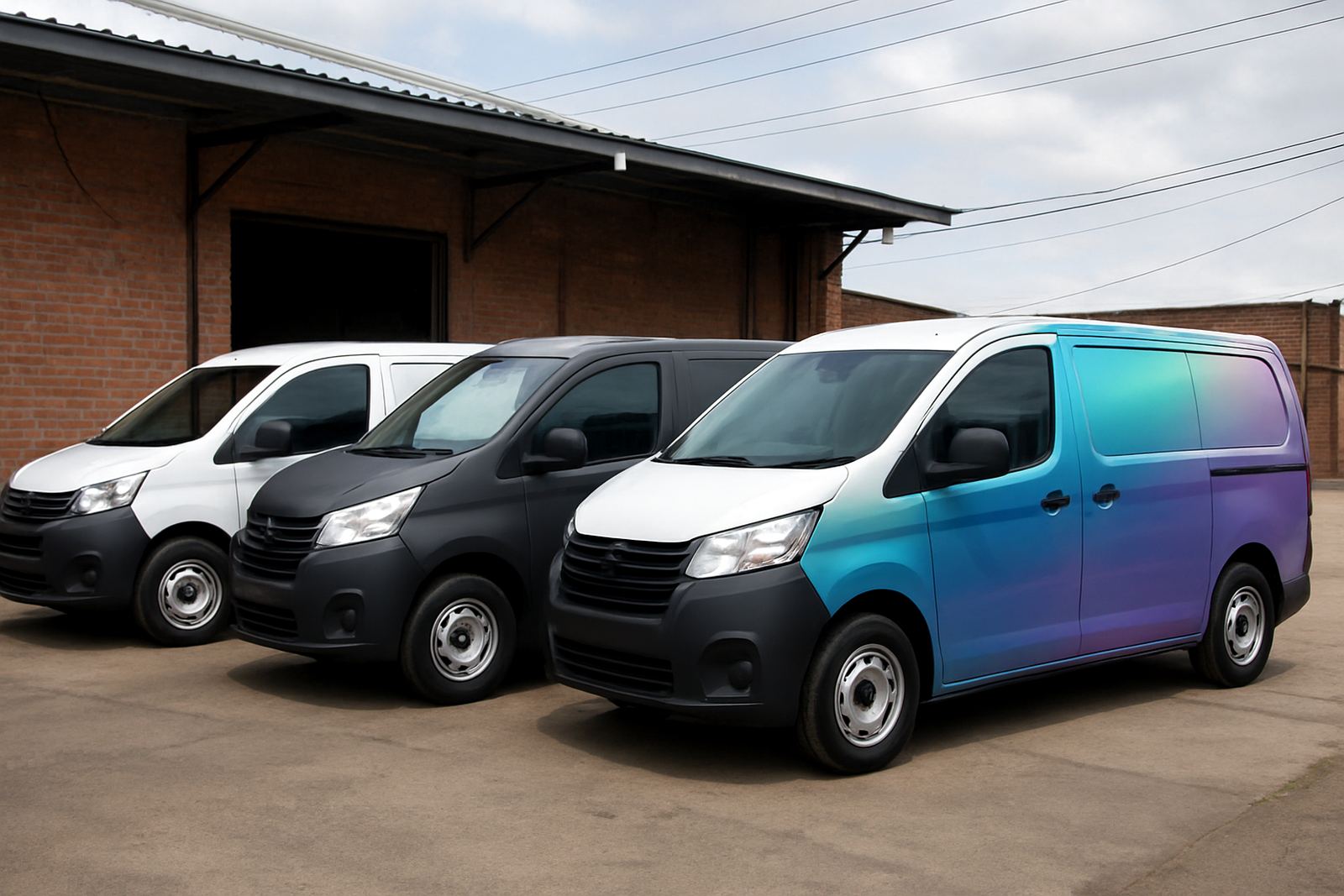
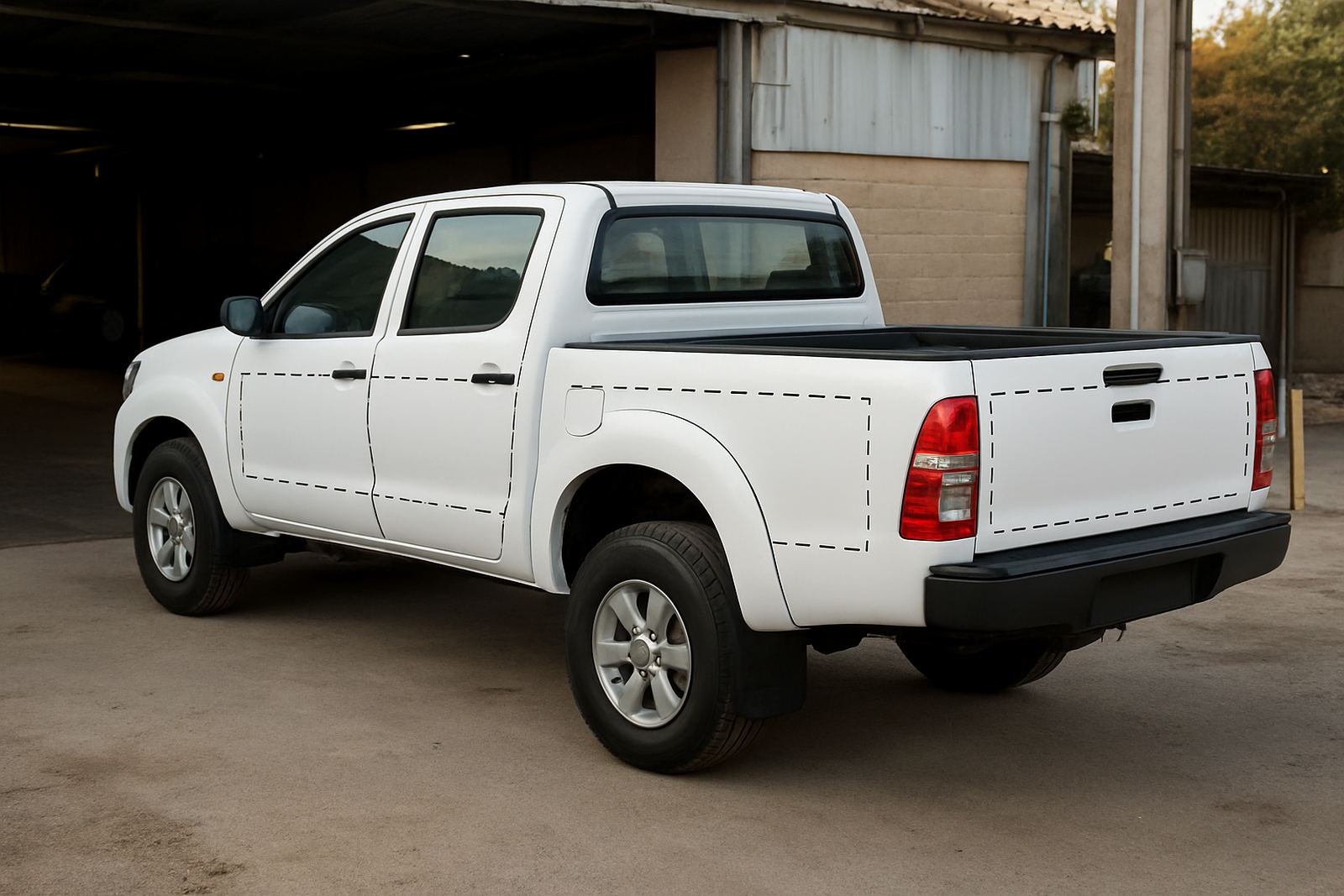
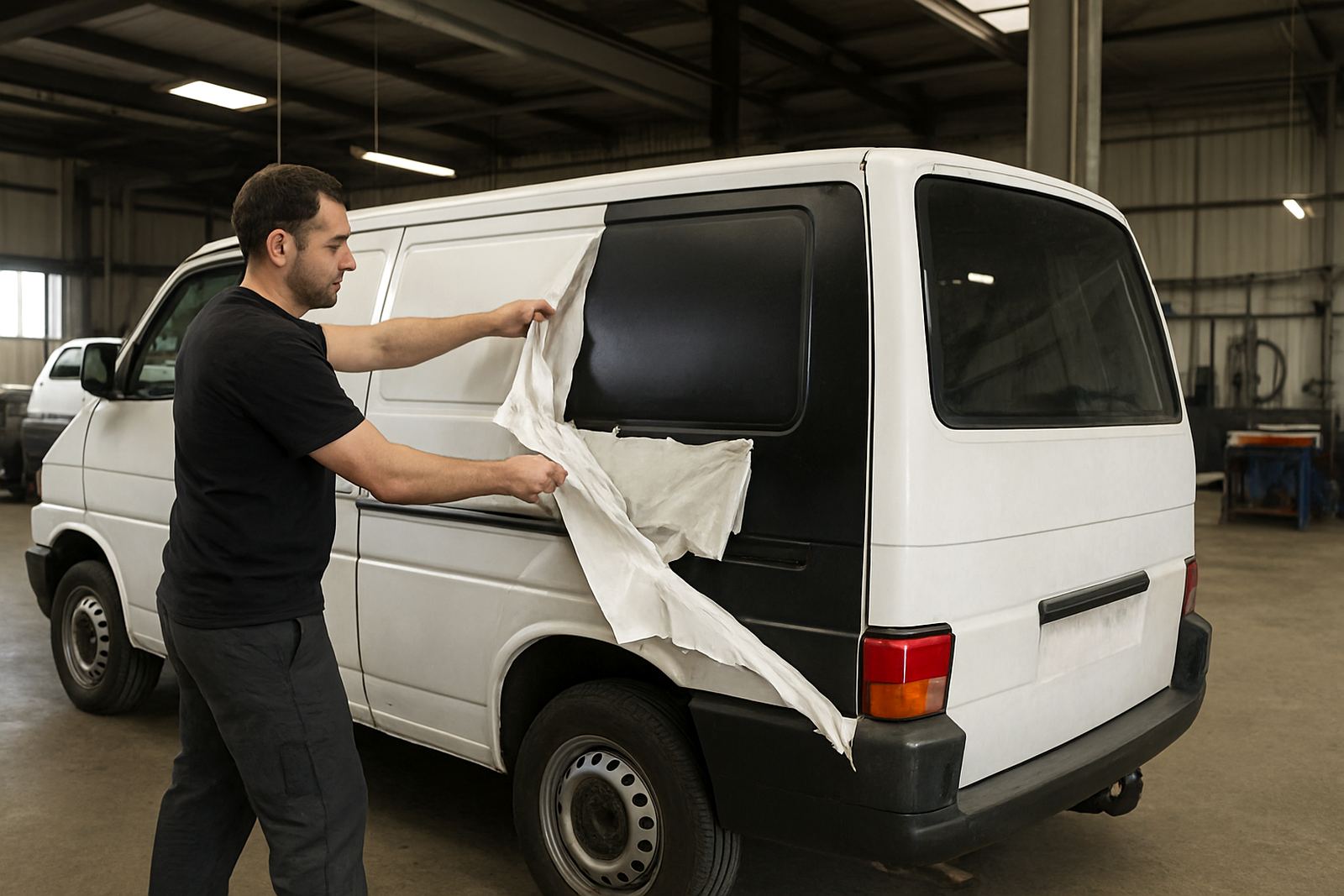
Coverage changes both the look and the budget. A partial wrap can cover selected panels and leave some factory paint visible, while a full wrap changes the body colour and gives a more even result. On fleet work, a partial approach may suit one-off sales vehicles, but a full standard can keep the entire range consistent across branches and vehicles.
For buyers, the key is to match the coverage to the purpose. If you only need doors, bonnet graphics and a tailgate message, do not pay for full-body coverage. If the vehicle has mixed paintwork, repaired panels or a difficult base colour, a full wrap often gives a cleaner outcome.
- Partial wrap: lower entry cost, faster turnaround
- Full wrap: stronger visual change and more uniform finish
- Fleet standard: easier to repeat across multiple units
Know the Difference Between Finishes and Materials
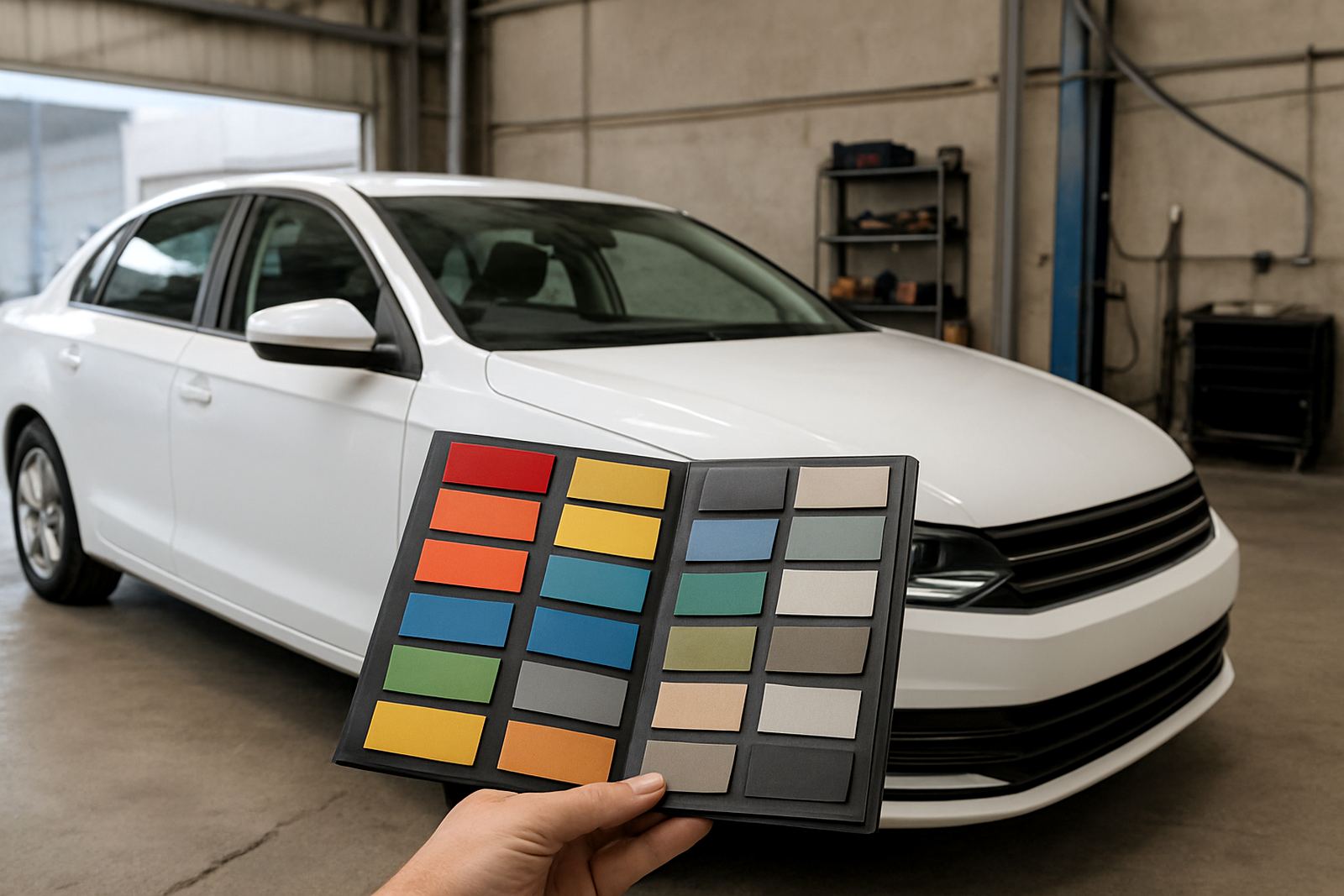
Finish affects both the appearance and the upkeep. Gloss tends to look close to factory paint, satin gives a softer sheen, and matte is more muted but can show marks more easily. For work vehicles, that choice should also factor in cleaning frequency and the kind of roads the vehicle sees.
Material choice matters too. A wrap used on a passenger car may not be the best answer for a delivery van that sits in the coastal humidity of Durban or gets parked under trees in Pretoria. Ask how the film handles heat, washing and daily use, and how long the finish is expected to stay presentable.
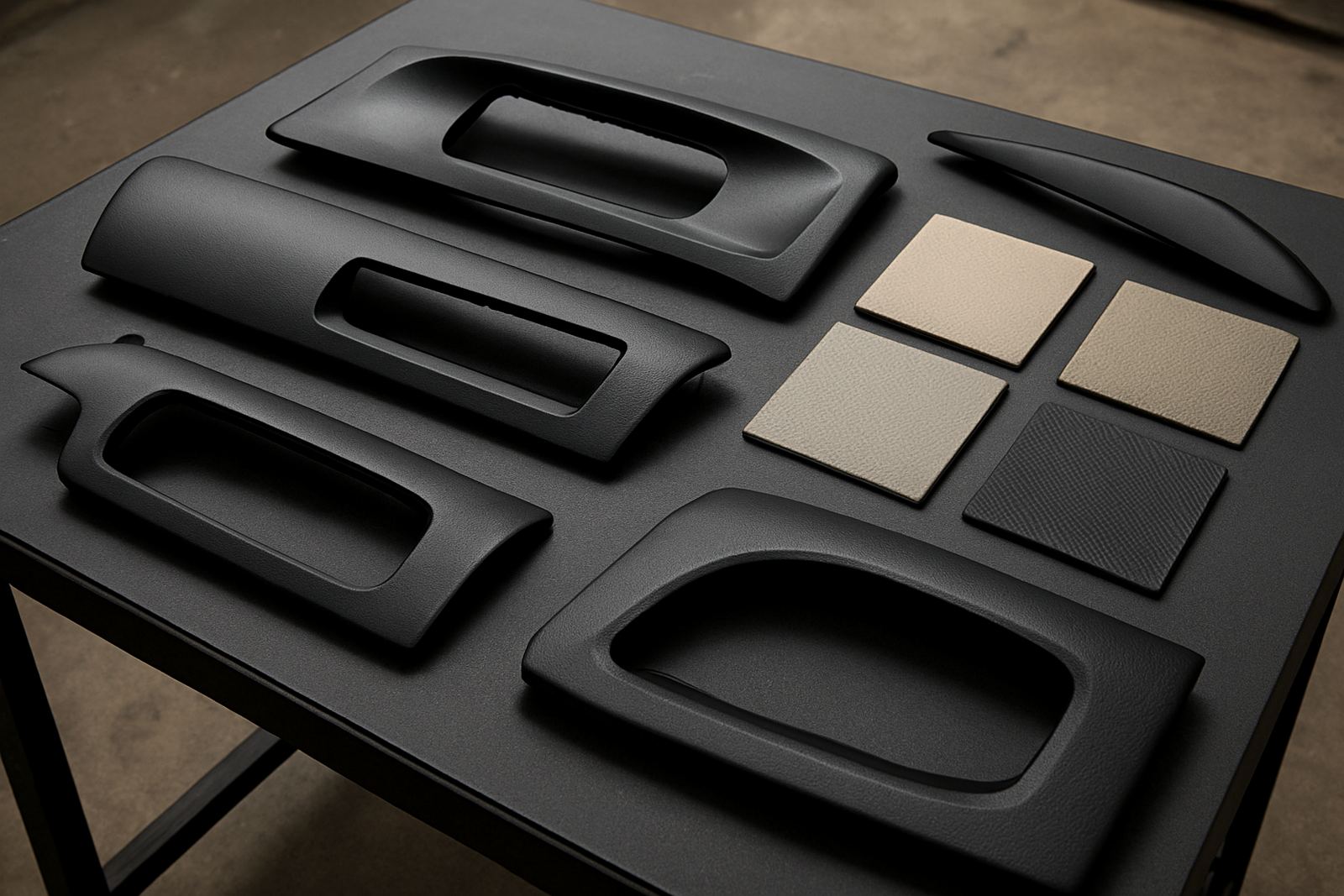
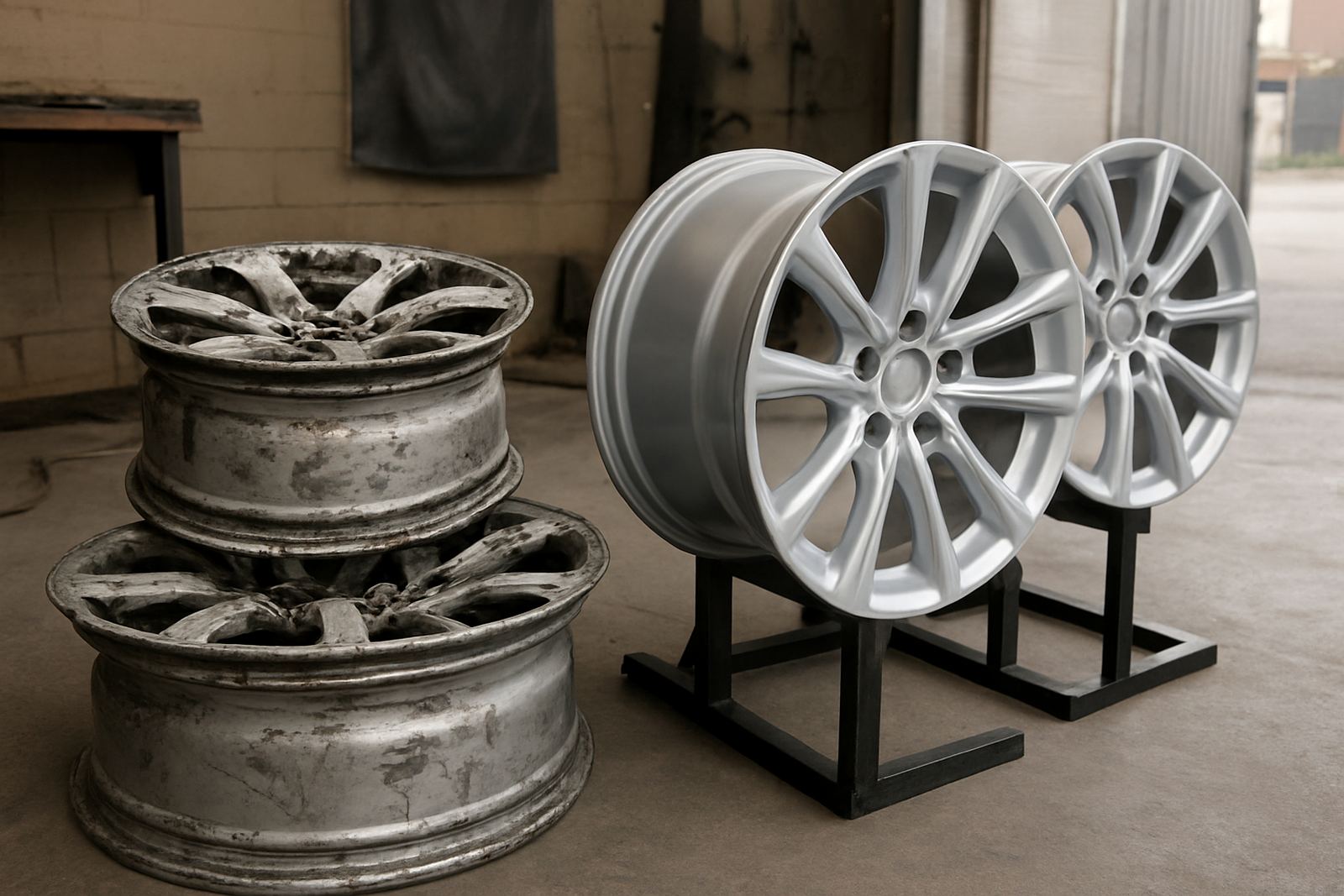
Interior wraps and wheel refurbishment follow the same thinking. They are best selected around wear, cleaning habits and the overall condition of the vehicle, not just the colour sample.
Plan Fleet Projects Properly Before Booking Bays
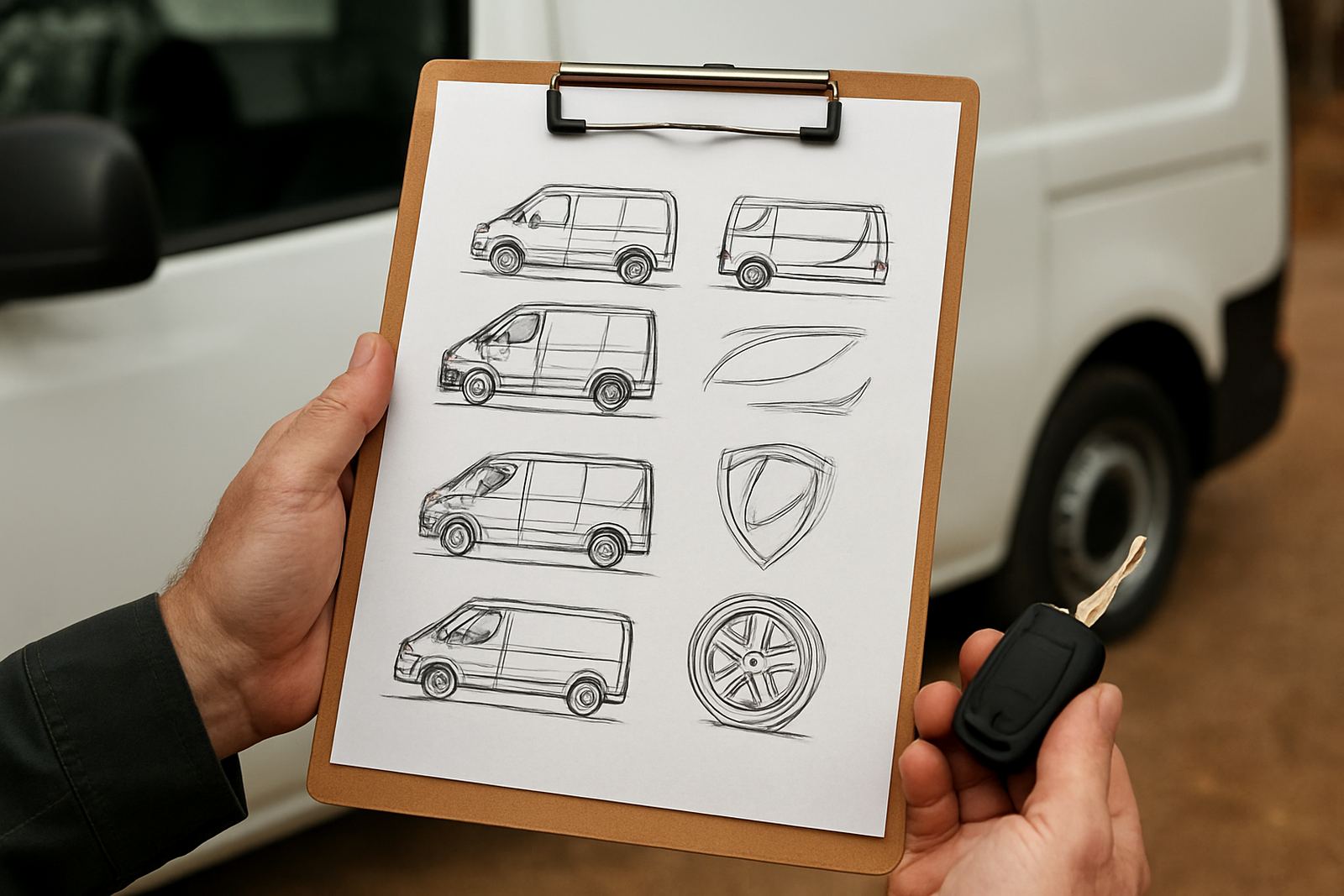
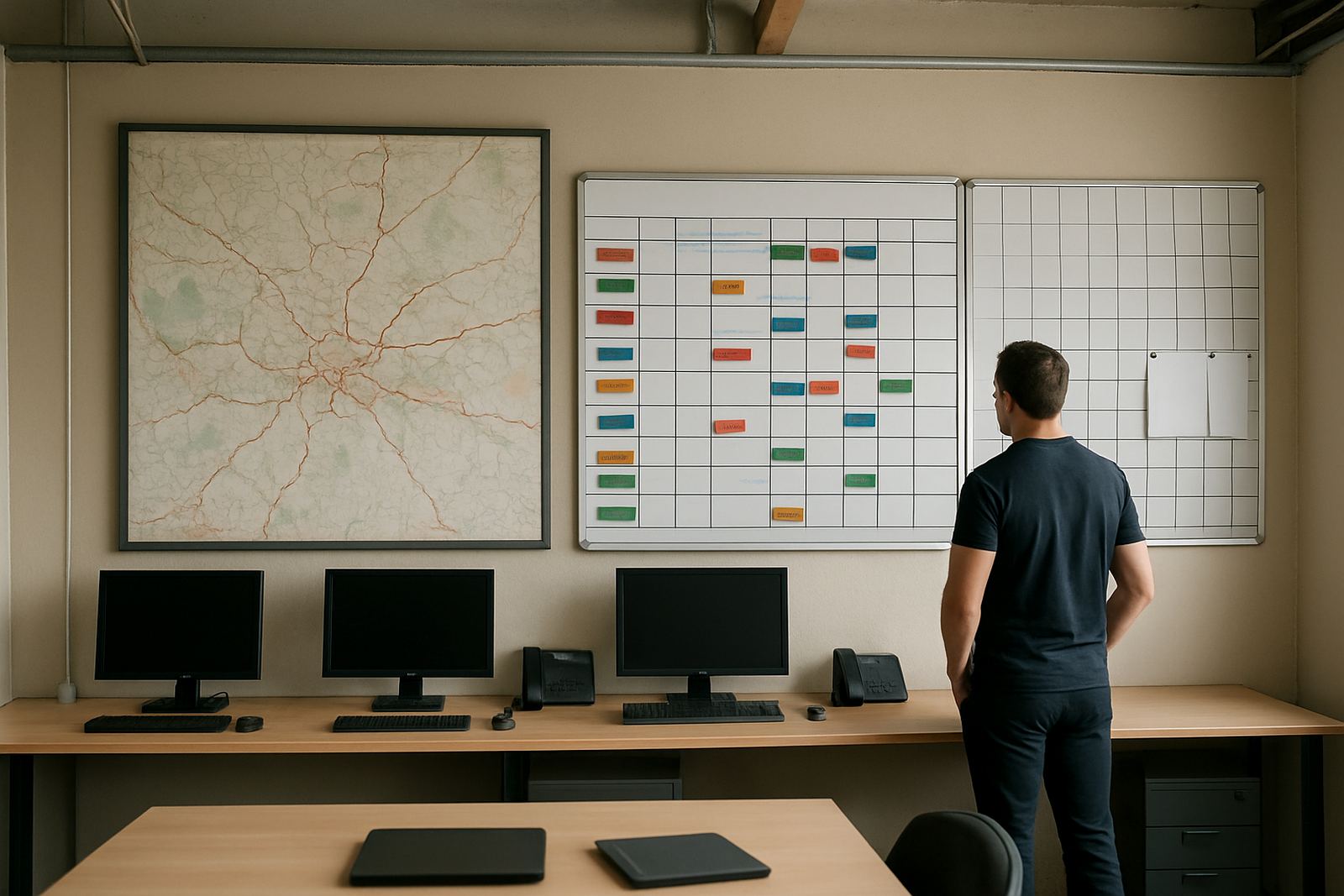
Fleet buyers need more than a product choice. They need a plan for vehicle intake, artwork approval, installation order and return dates. If you are running a mixed fleet in Sandton, Midrand, the East Rand or Pretoria, keeping the branding standardised matters just as much as the material.
Good planning reduces downtime and helps avoid delays with approvals or rework. It also makes it easier to schedule smaller batches around load-shedding, site access and operational peaks. The aim is simple, fewer surprises and a cleaner handover.
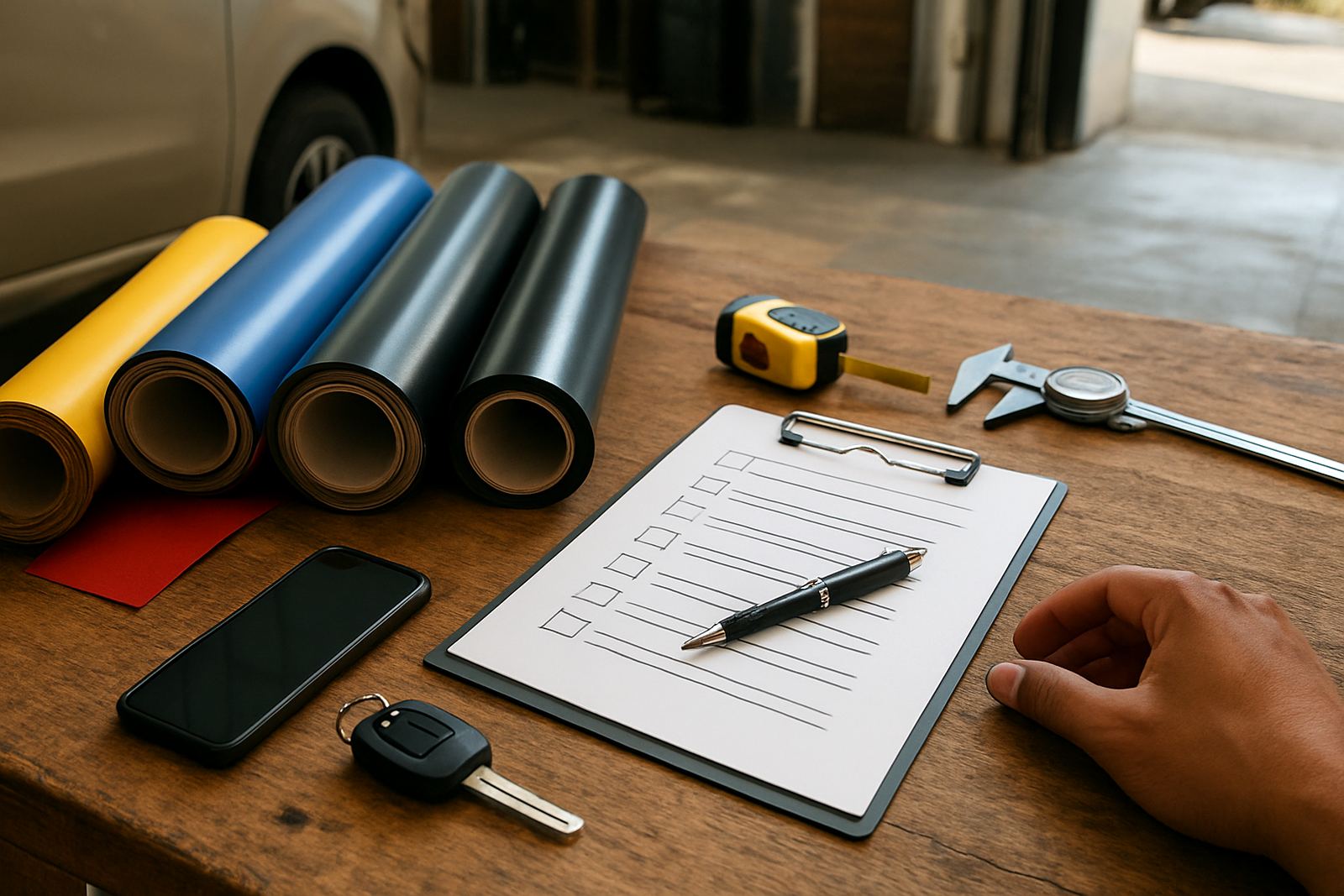
- Confirm the vehicle list and registration numbers early
- Approve artwork and finish samples before production
- Set return dates by vehicle type and business need
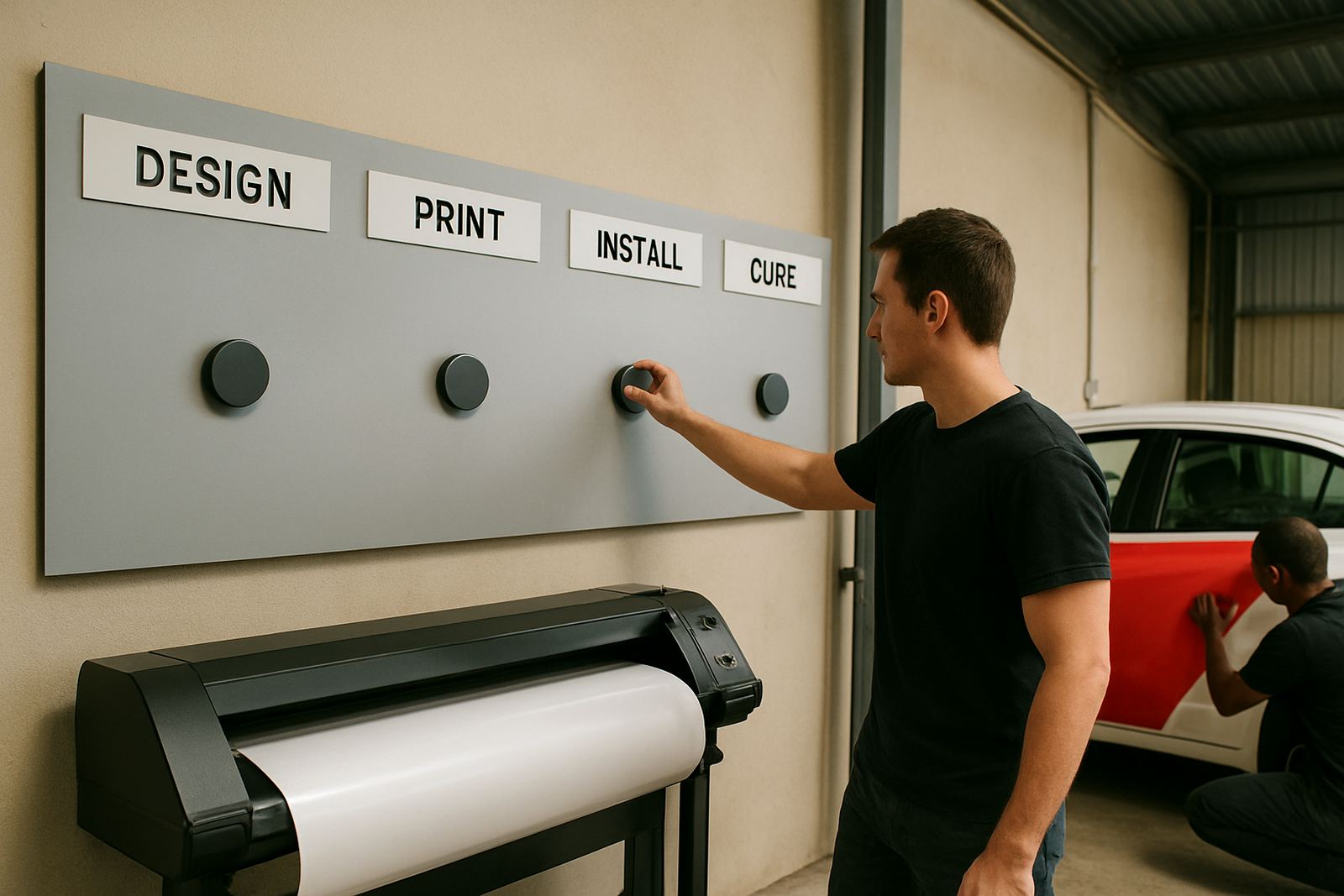
- Allow time for surface preparation and curing
Protection Choices for High-Wear Areas
Paint-protection film is often best used where stone chips, boot scuffs and door edge contact happen most. On newer vehicles, or units that carry equipment, it can keep the finish in better condition between washes and daily use. It is not a styling purchase first, it is a protection decision.
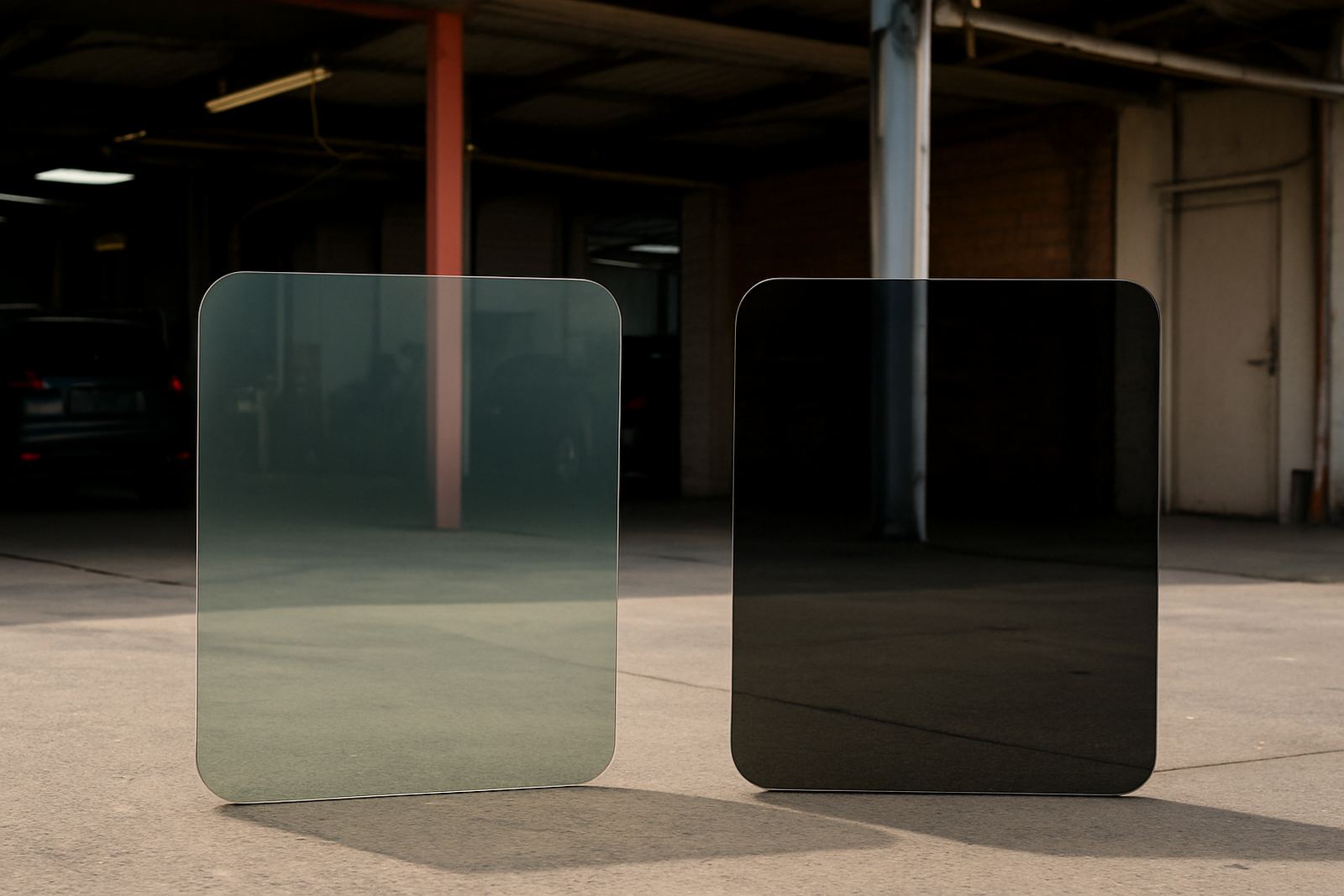
Window tinting also sits in this category. Many buyers want cooler cabins, less glare and a bit more privacy, especially on long Gauteng commutes. The right guide should explain where tinting helps and where it needs to stay within legal limits for road use.
For commercial users, protection decisions should be made panel by panel. A panel that takes regular loading or highway spray may need more attention than the rest of the vehicle.
What Aftercare Means After Installation
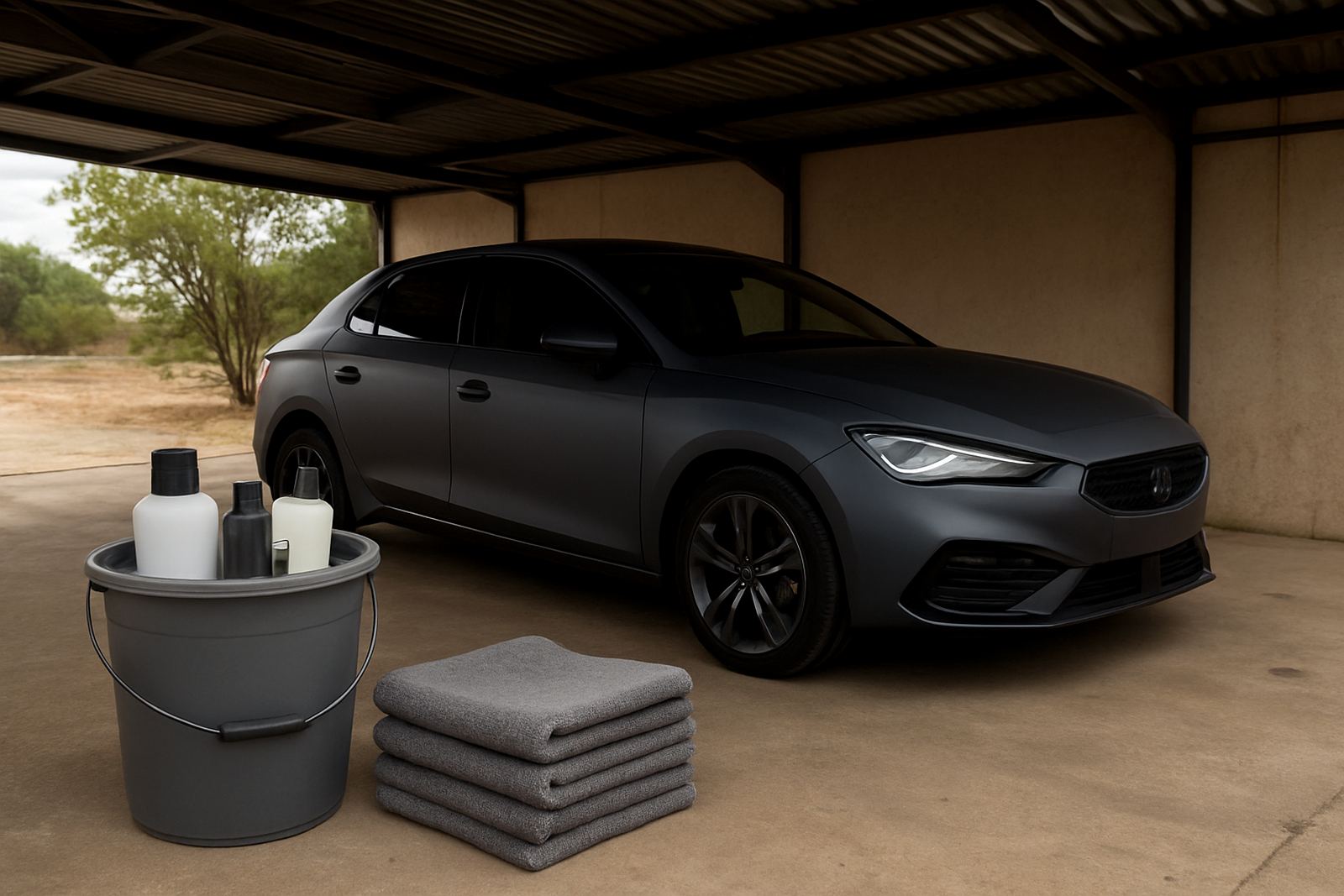
Aftercare is part of the purchase, not an extra. A wrapped vehicle needs the correct wash method, careful drying and a little patience during the first days after installation. That is especially important in summer heat and after a long day of road dust or rain.
Buyers should ask how long to wait before washing, what chemicals to avoid and how to deal with lifted edges or marks. If you are running a fleet, make sure your drivers know the basic care rules as well. A good finish can be let down quickly by harsh brushes or careless pressure washing.
- Wash by hand where possible
- Use mild cleaning products
- Avoid high-pressure spray at panel edges
- Report damage early so it can be checked
Use the Guides to Shortlist the Right Option
These buying guides are here to help you compare choices before you commit. They are useful whether you are pricing a single hatchback, a branded bakkie, or a full fleet that needs to work hard every week. Read the coverage guide, then the finish and protection notes, and you will usually narrow the decision pretty quickly.
If you are based in Kya Sand, Sandton, Midrand, the East Rand, Pretoria or Durban, use the local service area that suits your schedule and vehicle count. The best result usually comes from matching the product to the job, then planning the installation around your operating hours not the other way around.