
Start With What You Need From the Tint
Before you choose a film, be clear about the main job it needs to do. Some drivers want more privacy for work tools and personal items. Others want less heat on long trips around Gauteng or better comfort in a bakkie that sits in the sun all day. The best choice depends on how you use the vehicle, where it parks and how dark you want the glass to look.
For company vehicles, it also helps to think about the people using the car every day. A fleet manager may want a single tint level across all units so the vehicles look consistent, while a family car may need lighter film on the front windows and a darker rear section. If you carry passengers often, safety and visibility matter just as much as privacy.
- Privacy for tools, stock or personal items
- Heat reduction for daily commuting and parking outdoors
- Glare control for highway driving and early morning trips
- A neat, even finish across a single car or full fleet
Know How Visible Light Transmission Affects Day-to-Day Use
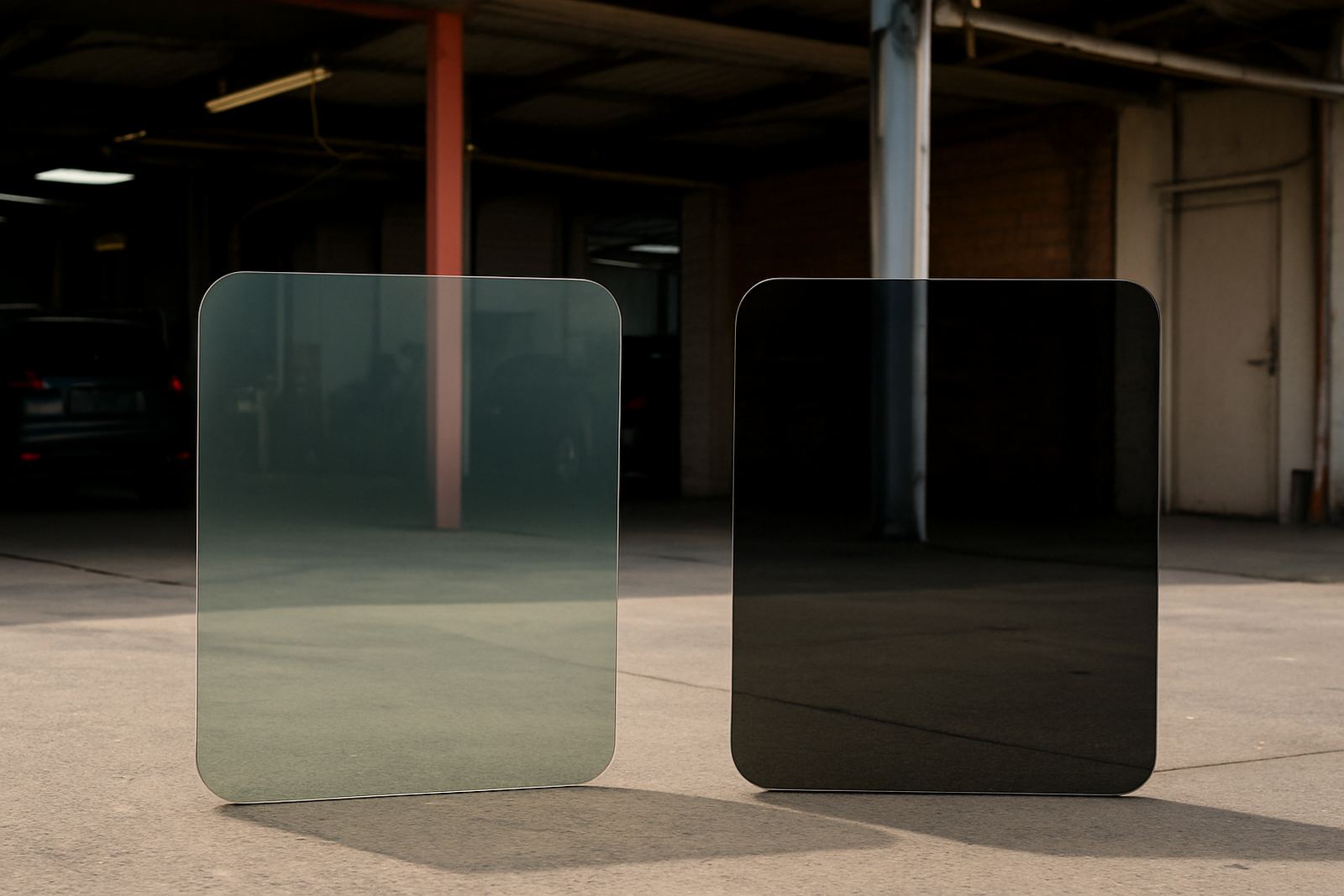
Visible light transmission, often called VLT, tells you how much light passes through the glass and tint combined. In simple terms, a lower percentage means darker glass. That can improve privacy, but it also reduces the amount of light inside the cab and may make reversing or night driving harder. On rainy evenings in Joburg or Durban, that extra darkness can be the difference between comfortable and awkward driving.
South African rules matter here, especially on the front side windows and windscreen. You should always check what is allowed for your vehicle type before choosing a film. If you are unsure, keep to a lighter option on the front and use a darker shade on the rear windows where privacy is usually most useful. A legal fit now saves trouble later, and avoids having to strip and re-do the job.
- Lower VLT means darker glass
- Darker is not always better for front visibility
- Rear windows can often carry a deeper shade
- Legal compliance should come before appearance
Match the Film to Your Driving Conditions
Johannesburg heat, coastal humidity and stop-start traffic all affect how a tint performs. A quality film should help reduce heat and glare without peeling at the edges or fading too quickly. For vehicles that spend long hours outdoors, a properly installed film can make the cabin more comfortable and protect the interior from harsh sun. On the coast, moisture and salty air can punish poor workmanship, so fitment and surface prep are just as important as the film itself.
Not all tints are the same. Some are chosen mainly for privacy, while others focus on solar control. If your vehicle has a light interior, carries children, or is used for long-distance sales runs, a film that cuts glare and heat may be the better call. For a show vehicle or executive car, a clean darker finish may be more important, but it still must suit your driving habits.
- Daily city driving: prioritise glare reduction and comfort
- Fleet vehicles: choose durable film and consistent shade
- Coastal use: make sure edges are sealed and surfaces are prepped well
- Family vehicles: balance privacy with night-time visibility
Use a Simple Inspection Checklist Before Fitment
A good tint job starts before the film goes on. The glass should be clean, the seals checked and any chips or scratches noted. If a window has damage, it can affect the finish and may even make the tint look uneven. We often tell clients to treat tinting as part of the vehicle prep, not a quick add-on.
Bring the vehicle in clean if you can, and remove loose items from door pockets and load areas. That makes the process easier and helps avoid dust getting under the film. For fleet bookings, it helps to schedule vehicles in batches so the team can work with proper time and keep the shade consistent across all units.
- Check the glass for chips, scratches or old adhesive
- Clean the vehicle inside and out before fitment
- Confirm the legal shade for the front and rear windows
- Plan fleet appointments by unit type and use
- Allow time for curing before heavy use or cleaning
Think About Privacy Without Losing Practical Visibility
Privacy is often the main reason people ask for tint, but it needs to work in the real world. A very dark rear window can hide a load compartment or child seats from view, yet the driver still needs good visibility through mirrors and when reversing at night. The balance is different on a hatchback, SUV and panel van, so the same film does not suit every vehicle.
Interior wraps and window tinting are often requested together on business vehicles because the cabin becomes part of the brand image. That said, darker glass should not make the car feel closed in. If the vehicle carries clients or staff through long hours in traffic, the aim is comfort and control, not turning the cabin into a cave. A careful tint choice will give privacy without causing strain.
- Rear privacy is usually easier to achieve than front privacy
- Reversing cameras and mirrors still need clear support
- Vehicles used at night may need lighter film than expected
- Balance passenger comfort with security needs
Aftercare Keeps the Film Looking Right
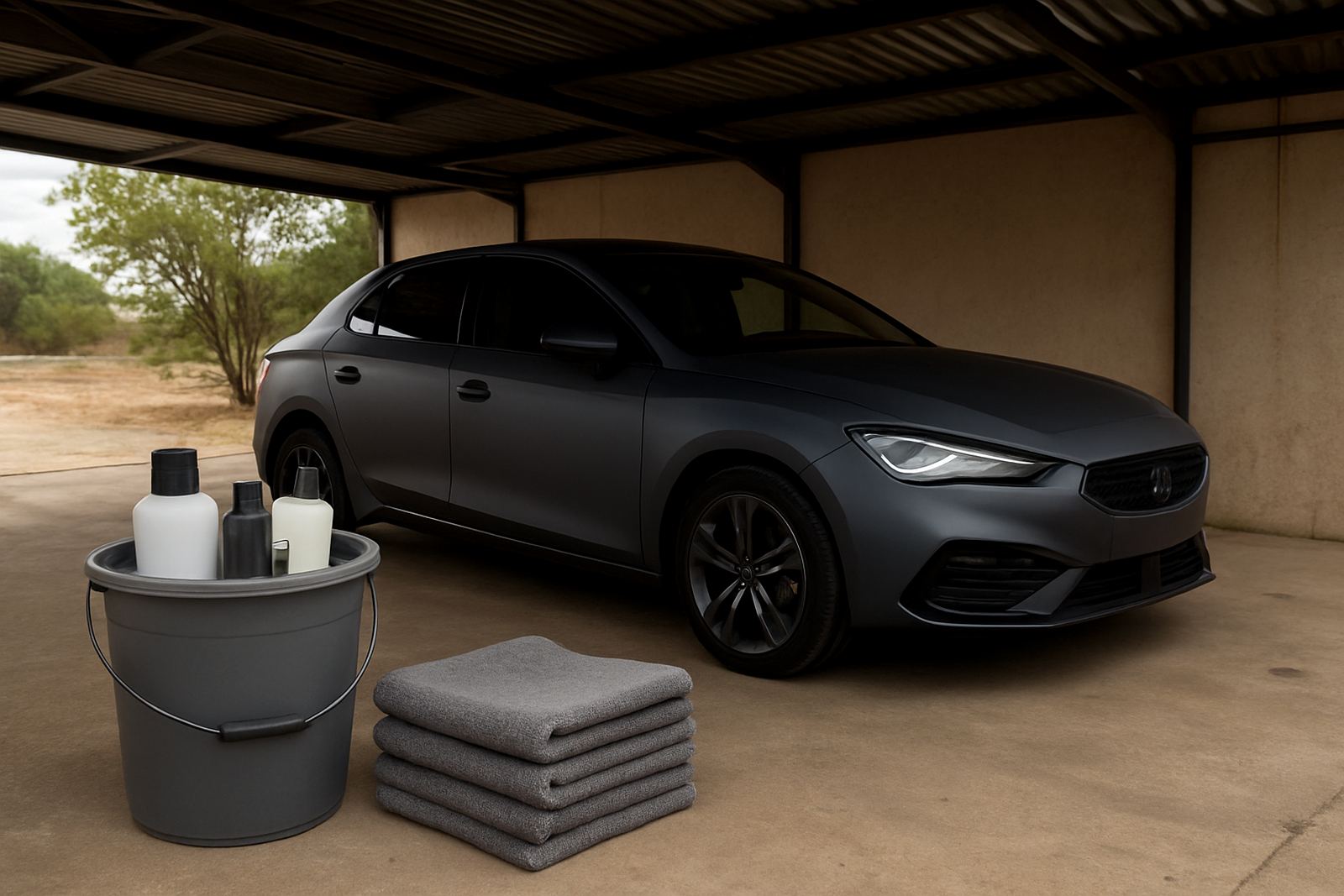
Once the tint is fitted, aftercare matters. Fresh film needs time to cure, especially in cooler weather or where humidity is high. Do not rush to wind windows down or scrub the glass the same day. Use a soft cloth and gentle cleaning products once the film has settled, and avoid sharp tools or rough sponges that can scratch the surface. It seems simple, but many poor results start with the wrong cleaning habits.
If you manage a fleet, set one cleaning rule for all drivers so the tint lasts longer. That is especially useful for couriers, service teams and sales vehicles that are cleaned by different people during the week. If a film starts to bubble, lift or turn cloudy, get it checked early before the issue spreads. Small touch-ups are easier than a full replacement, and it keeps the vehicle looking sharp.
- Let the tint cure before rolling windows down
- Use soft cloths and mild cleaners only
- Avoid blades, abrasive pads and harsh chemicals
- Keep one cleaning method across the fleet