
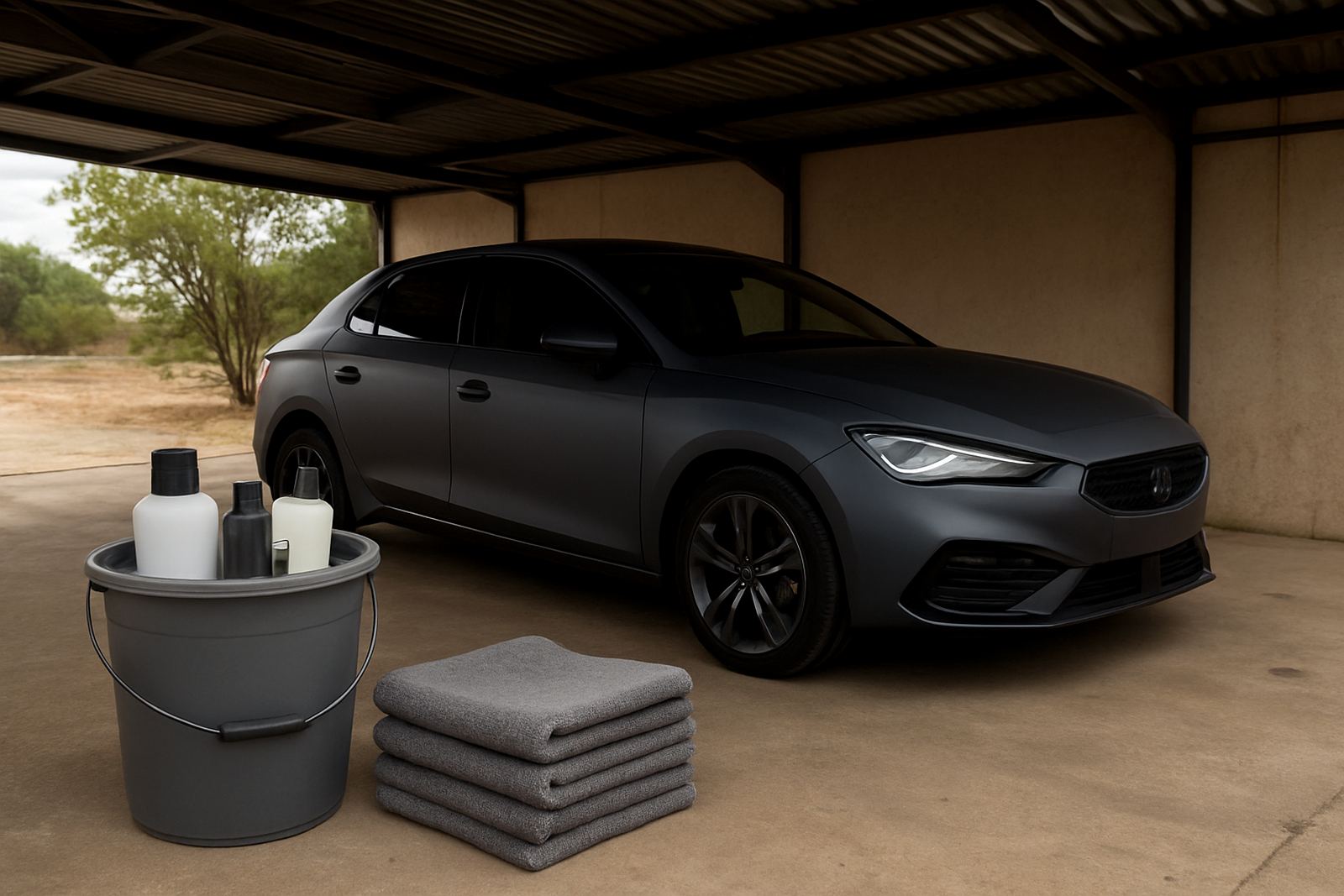
The First 7 Days After Collection
The first week matters because the wrap is still settling, especially around curves, handles and panel edges. If the vehicle was fitted in Kya Sand or at one of our wrap bays, keep washing to a minimum and avoid pressure on fresh seams.
Try to park under cover where possible and let the wrap cure in dry, shaded conditions. If you notice a small edge lifting or a bubble that did not settle, send a photo through our contact form before trying to press it down with heat. Catching a lifted edge or stubborn bubble early is usually simpler than repairing a larger section later.
- Do not use automatic car washes in the first 7 days.
- Do not pick at corners or lift dirt with a fingernail.
- Keep the vehicle out of harsh sun for long periods where possible.
- Check for loose edges after the first few trips on the highway.
How To Wash A Wrapped Vehicle
Hand washing is the safest option. Use cool or lukewarm water, a pH neutral shampoo and a soft wash mitt. Rinse off grit first, then wash from top to bottom so the dirt does not get dragged across lower panels. On fleet vehicles that cover long distances through Gauteng dust, this makes a real difference.
Rinse well, then dry with a clean microfibre towel or a soft silicone blade used lightly. Do not let hard water sit on the wrap for long, because mineral marks are harder to remove later. If the vehicle is used near the coast, wash more often to remove salt film and road spray.
- Use a gentle hose rinse before touching the surface.
- Wash in the shade so soap does not dry on the panels.
- Use separate cloths for lower doors and upper bodywork.
- Dry edges and seams by hand, do not leave water pooled at joints.
What To Avoid On Vinyl, PPF And Tint
Strong chemicals can shorten the life of both vinyl and protective film. Solvent heavy cleaners, tar removers used too often, and abrasive sponges can dull the finish. If you need to remove insects or road film, soften it first with soapy water instead of scrubbing hard.
High pressure washers must be used with care. Keep the nozzle at least 50 cm away from the surface and never aim directly at lifted corners, badges, sensor areas or edge seams. Heat on its own is not a problem, but repeated blast water at close range can force moisture under the film. We see this a lot on vehicles that travel for work every day and get rushed through wash bays.
- Do not use polishing compounds unless you have checked that they are wrap-safe.
- Do not scrape bird droppings or sap when the panel is hot.
- Do not park under sprinklers that leave mineral spots overnight.
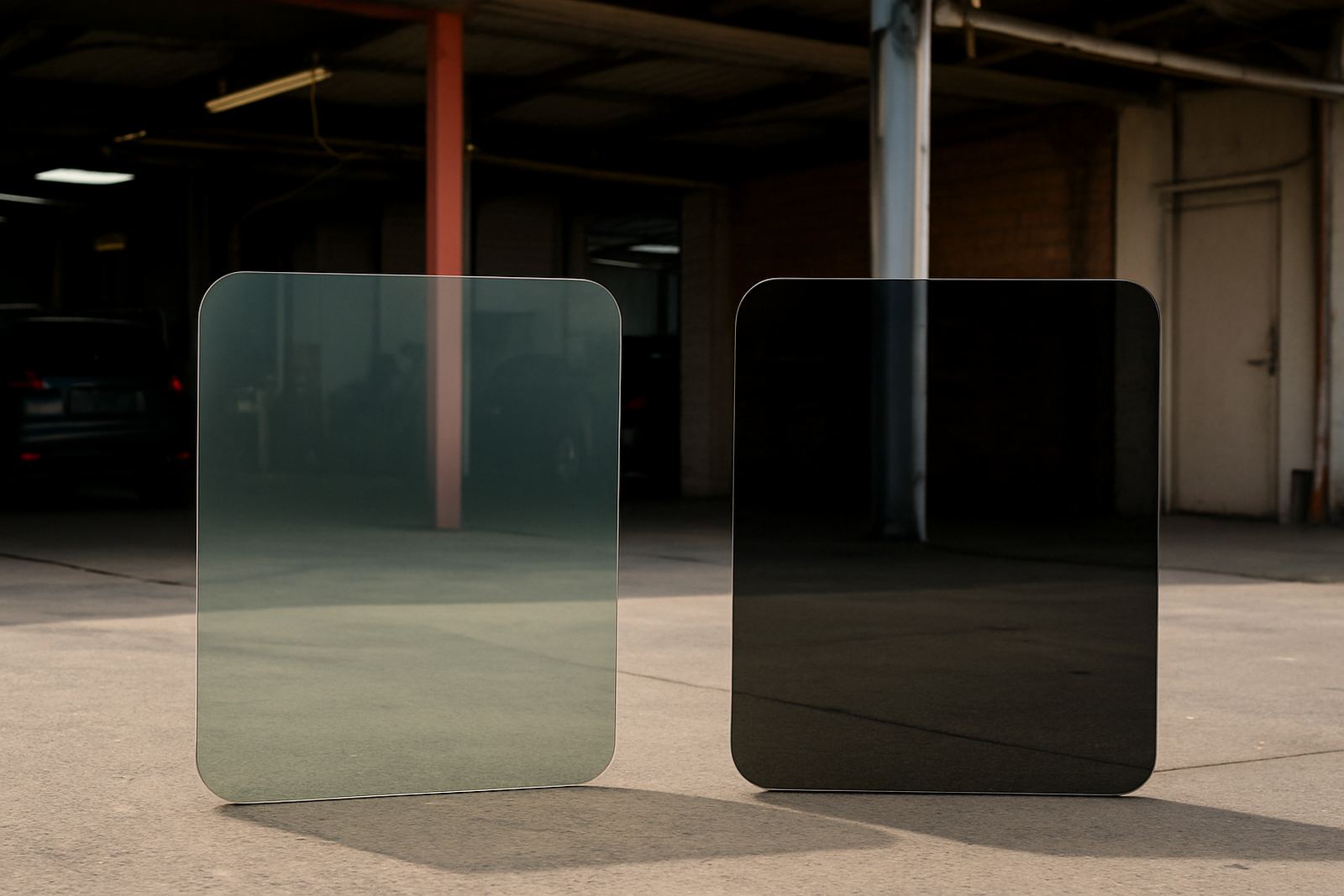
- Do not use sharp plastic scrapers on tinted windows.
Storage Tips For Fleet And Private Vehicles
If the vehicle will stand for a few days, park indoors or under shade. Long exposure to sun and dust can age the finish faster, especially on dark colours. In humid areas like Durban, make sure the vehicle is dry before cover-up so moisture does not sit against the surface. If you use a vehicle cover, it must be clean and soft on the inside.
For fleet units that rotate drivers, add a simple handover check: look at mirrors, bumper corners, wheel arches and door handles for scuffs. A 2 minute walk-around before and after shift can catch damage early, and it helps with better records too.
- Store with windows closed to keep dust out of the cabin and away from tint film.
- Leave enough airflow if the vehicle is standing after rain.
- Keep tree sap, building dust and fuel spills off the panels as soon as possible.
- Use the same parking and cleaning routine for every driver.
Long Term Care For Colour Changes And Branding
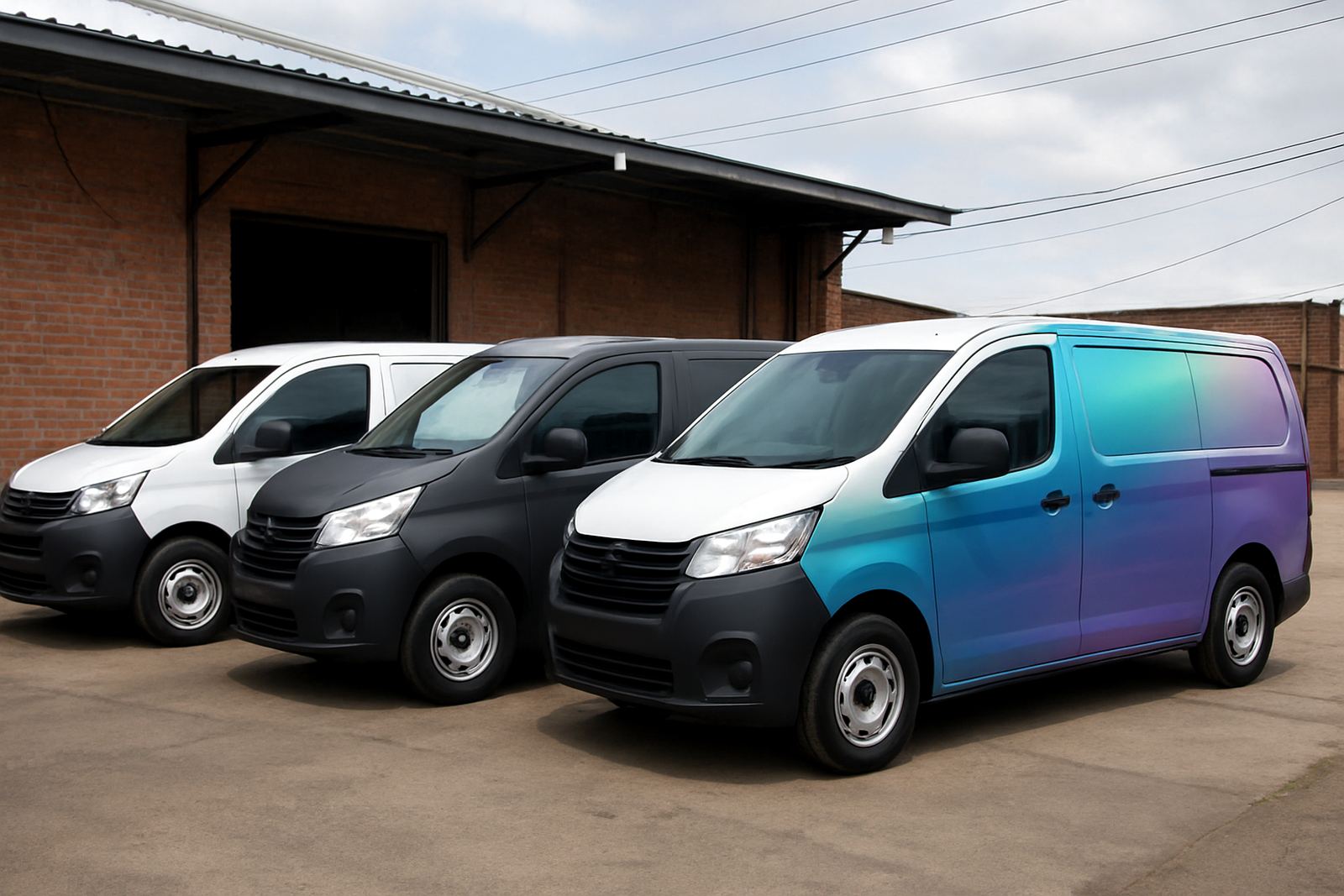
Wrapped vehicles can stay in good condition for years when cared for properly, but sun, mileage and washing habits all play a part. If a vehicle carries logo panels, check the high-contact zones more often, especially on bakkies and delivery vans. Door edges, fuel flap areas and load bay corners usually show wear first.
For colour change wraps, try to keep the finish consistent across all panels. If one panel starts to look duller, it may need a gentler wash routine rather than replacement. On fleets, a consistent schedule helps the whole set look uniform. That matters when the same vehicle is seen at a client site, in traffic, and outside your premises.
If you have a change in use, for example a vehicle moves from private use to daily sales runs, let us know. We can advise on maintenance timing, safe wash products and when to inspect the finish more closely.
When To Book A Care Check Or Wrap Removal
Small signs are worth acting on early. A lifted edge, deep scratch, fading on one panel, or water trapped near a seam should be checked before it spreads. If a film was fitted over a repainted panel, watch that area a little more often because fresh paint and film can respond differently in the first months.
If removal is needed, do not heat the film with open flame or pull it off in cold weather without guidance. The safest removal uses controlled warmth and the right technique, which protects paint underneath. This is especially important for leased vehicles and fleet stock that must be returned in good condition.
- Book a check if the wrap has taken impact from a branch, tyre spray or a car wash brush.
- Book a check if tint has lifted at the top edge of a window.
- Book a check if you see bubbling after a repaint or repair.
- Keep the invoice and care notes for future reference.