
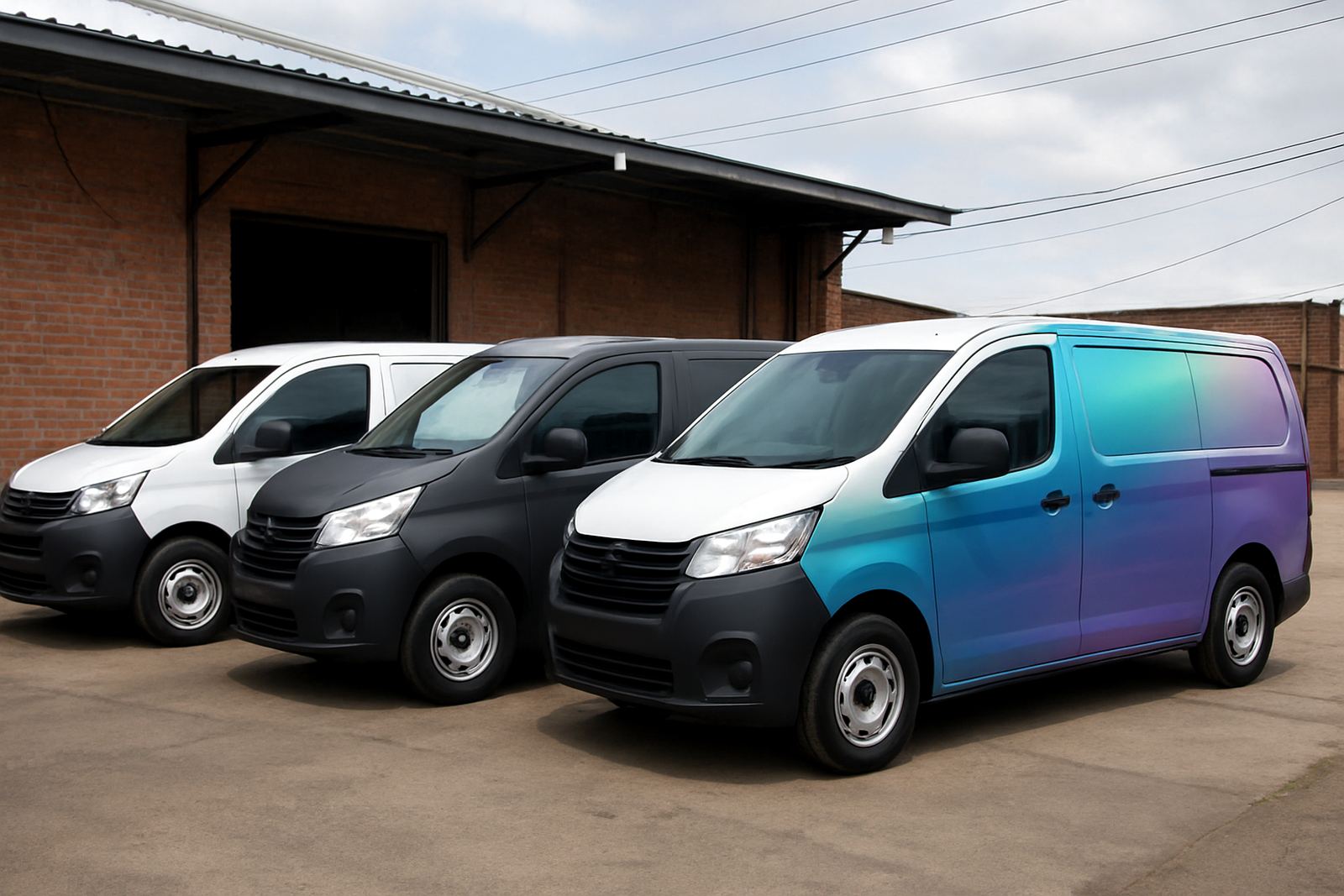
Start With the Job Your Van Must Do
Before you choose a wrap, work out how the van is used. A courier van doing 200 km a day in Gauteng needs different protection from a service vehicle parked at a client site all day in coastal humidity. Think about where it lives, who drives it, and how often it gets washed. If the vehicle carries tools, ladders or stock, scuffs around the lower panels and loading areas matter as much as the logo itself.
For business owners in Johannesburg, Midrand, Pretoria or Durban, the first question is simple: do you need the van to be recognised from 30 metres away, or do you mainly want contact details and a clean, professional finish? That answer usually points you toward decals, a partial wrap or a full wrap.
- Daily mileage and stop-start traffic
- Exposure to sun, rain, dust and coastal salt air
- How often the van is parked on client premises
- Whether the vehicle must match a fleet brand standard
Decals: Best for Simple, Low-Cost Branding
Decals are the most direct option when you only need names, phone numbers, web addresses and a logo. They suit single vans, small businesses and temporary campaigns. If you run one or two vehicles, decals can still look tidy when they are planned properly and placed in the same position on each van.
Decals cost less because they use less material and less labour. They also suit new businesses that want to start branding now and add more coverage later. On a white or light-coloured van, a clear decal layout can do the job well without covering the bodywork.
- Good for contact details and service lists
- Quick to apply and easier to update
- Works well for lease vehicles or short contracts
- Best on clean, flat panels with simple curves
Check that the lettering is large enough to read in traffic. Small text disappears fast on the N1 or in busy industrial areas and it wont help your team get noticed.
Partial Wraps: Middle Ground for Price and Coverage
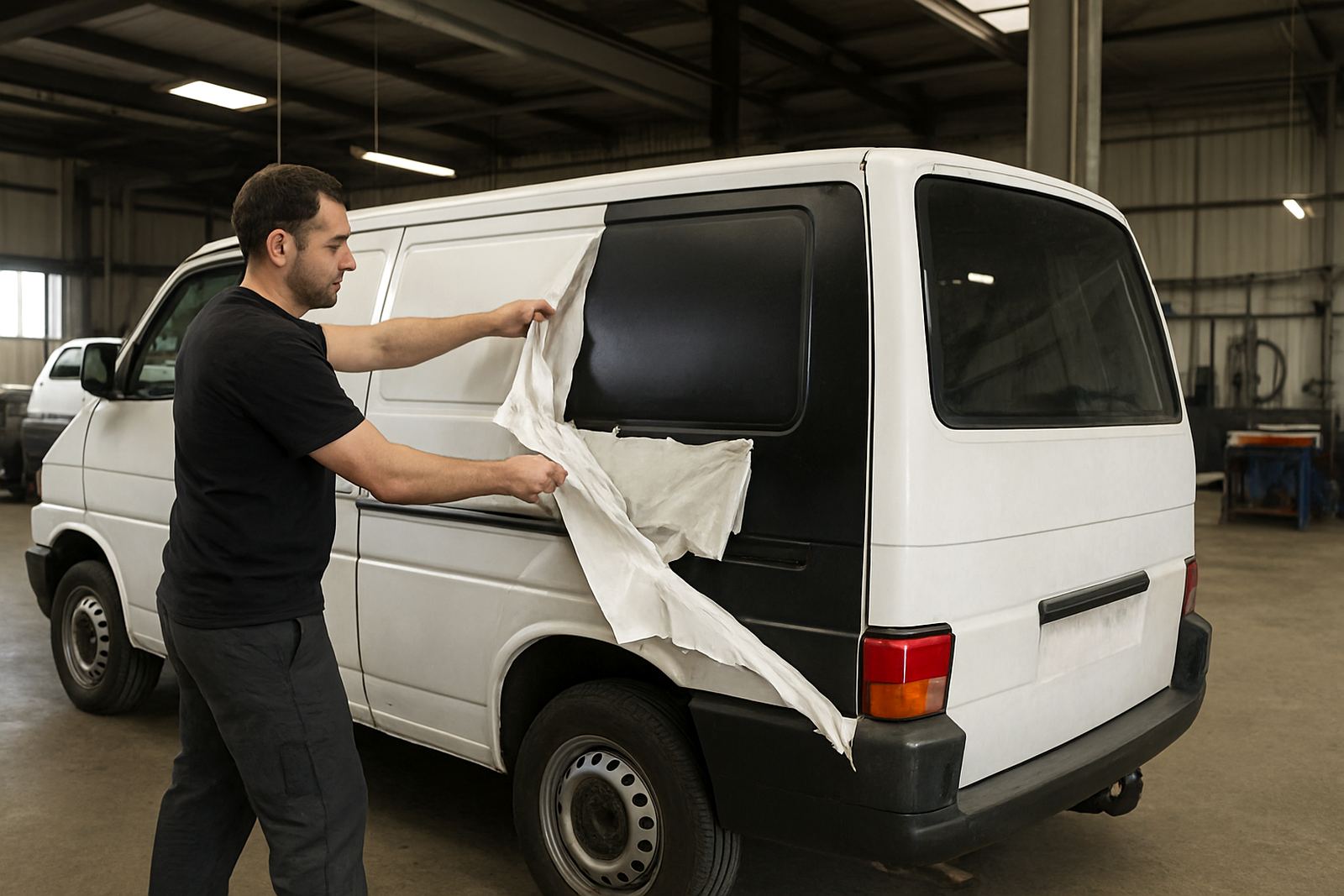
Partial wraps cover selected panels such as the rear doors, side panels, bonnet areas or lower sections of the van. They give more impact than decals but cost less than a full wrap. This option suits businesses that want stronger branding, some colour change and extra protection on high-wear sections.
Partial wraps work well when the base vehicle colour already fits the brand or when you want to highlight certain panels with a bold graphic. They also help with resale because more of the original paint remains visible, which some owners prefer. In fleet work, partial wraps can be standardised across different van models so the team still looks consistent.
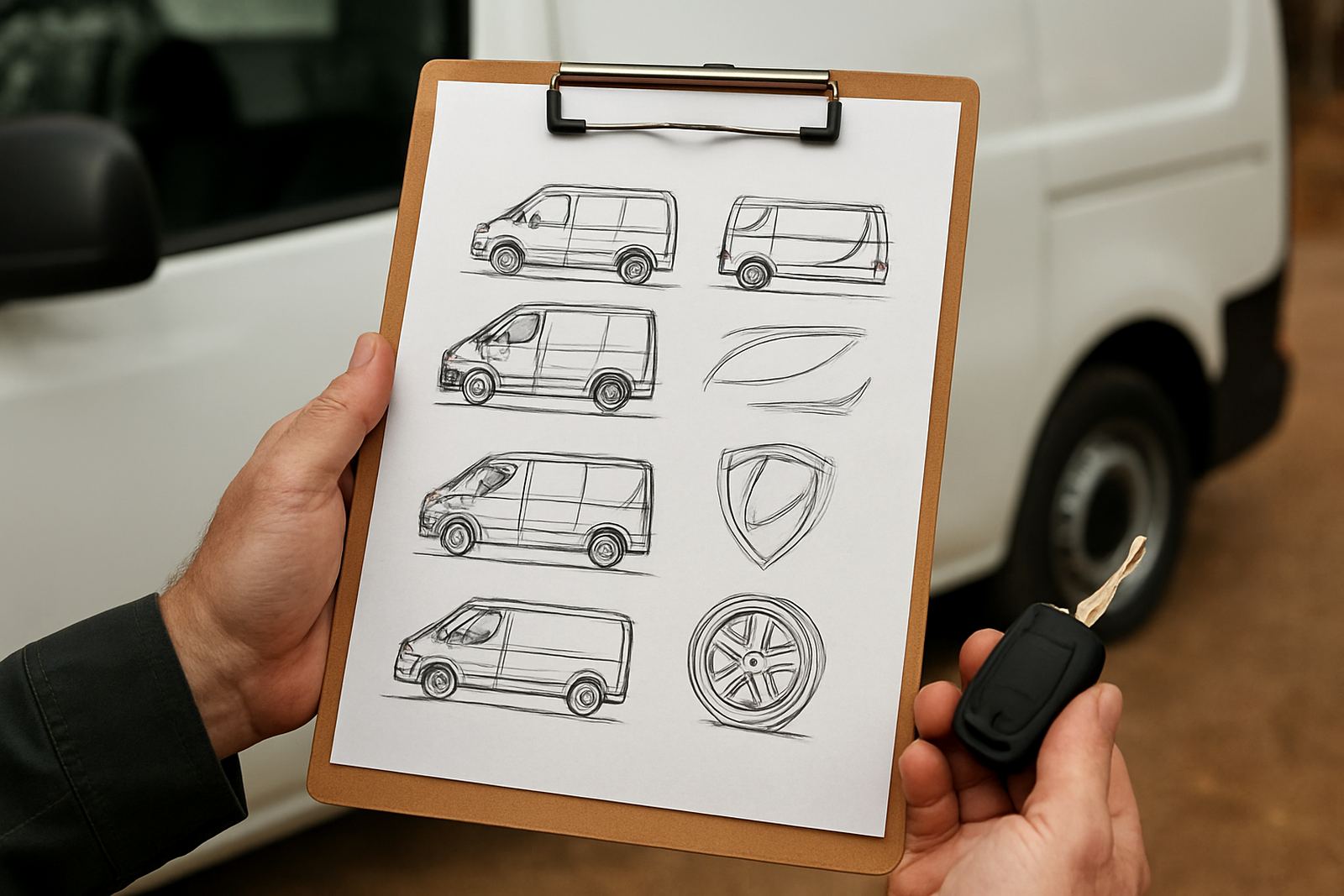
It is worth checking the panel layout before you approve the artwork. Sliding doors, fuel caps, handles and trim lines all affect how the final finish looks and the artwork must be set out around those details.
Full Wraps: Maximum Coverage for Brand Presence and Protection
A full wrap covers the visible painted surfaces of the van and gives the strongest visual result. This is the better choice when you want a uniform fleet look, a full colour change or added protection for the bodywork. It is also useful when a vehicle has mixed paint colours, previous repairs or faded panels that would otherwise show through a partial design.
For businesses working in public-facing trades, a full wrap creates a cleaner finish at branches, sites and loading bays. It can also help protect against stone chips and light surface wear on the road. In Johannesburg heat, wrap film and correct surface prep matter. In Durban and other humid areas, careful installation and curing are important to reduce edge lift.
A full wrap takes longer to install, so plan for downtime. If the van is critical to your day-to-day work, schedule the fitment around quieter trading periods or split the project across vehicles.
How to Compare Cost, Downtime and Long-Term Value
Don’t compare price alone. The cheapest option may save money now but cost more later if the branding is too small, the finish looks uneven, or the vehicle needs rework after a year. Look at the total value over 2 to 5 years and weigh up how the van supports sales, visibility and protection.
Ask these questions before you sign off:
- How many vehicles need the same layout?
- Will the van be sold or leased later?
- Does the business need strong roadside visibility or just contact details?
- Will the vehicle carry ladders, tools or loose stock that may mark the panels?
- Can the business spare the van for one or two days if needed?
A simple decal job may be enough for one plumber or electrician. A partial wrap often suits growing fleets. A full wrap makes sense when the vehicle is a moving advertisement and must present well at every site. If you are unsure, compare the three options on the same vehicle photos and check the coverage from a distance, not only in the bay.
Checklist Before You Book a Van Wrap
A good result starts before the van arrives. The surface must be clean, the panels inspected, and the artwork checked carefully. Make sure the vehicle is ready for work after fitment by confirming when it can be washed, when it should not be pressure cleaned, and how to handle any lifted edges or marks after the first week.
- Wash the van before inspection and point out any dents, chips or old repairs
- Confirm the exact vehicle model, year and panel layout
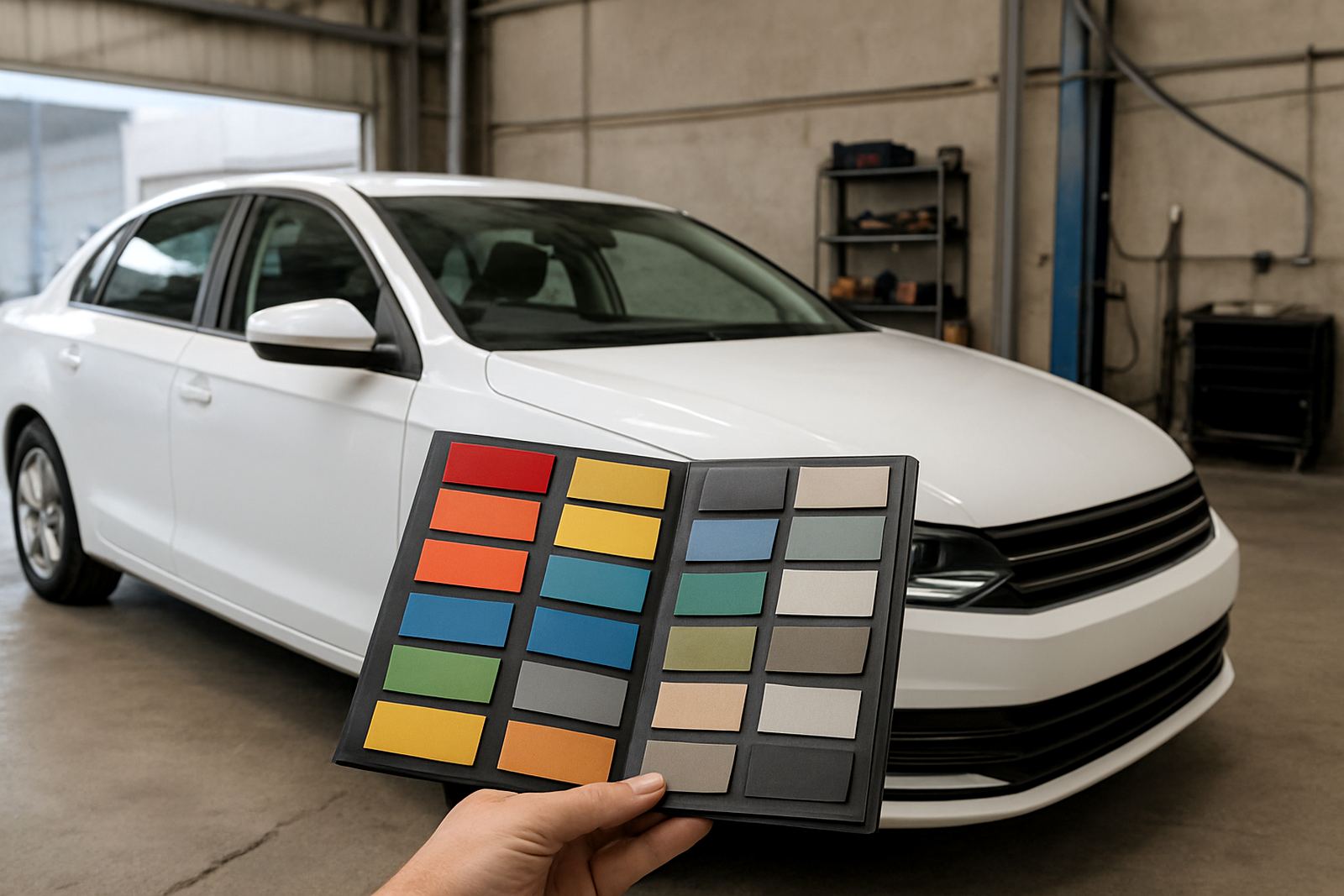
- Approve colours, wording, phone numbers and spelling
- Ask where door handles, badges and sensors affect the wrap
- Plan for after-hours or staged fitment if the van stays in service
For fleet managers, standardising this checklist across Johannesburg, Sandton, Midrand, East Rand, Pretoria and Durban keeps the branding consistent and saves time on each vehicle.
Aftercare for South African Conditions
Once the wrap is on, care makes a big difference. Wash the van regularly to remove dust, tar and road film. In high-traffic areas such as Kya Sand, Pretoria industrial routes and coastal roads, grime builds up quickly and can make the graphics look older than they are. Avoid harsh scrubbing around edges and dont use strong chemicals without checking first.
Load-shedding can also affect workshop timing and drying schedules so allow a sensible lead time when booking. If the van is used every day, inspect the film weekly for lifted corners, stone chips or scratches near the loading areas. Small issues are easier to deal with early than after they spread.
When the wrap is looked after properly, it helps the vehicle stay tidy and keeps your business image strong on the road.