Start With the Job the Vehicle Must Do
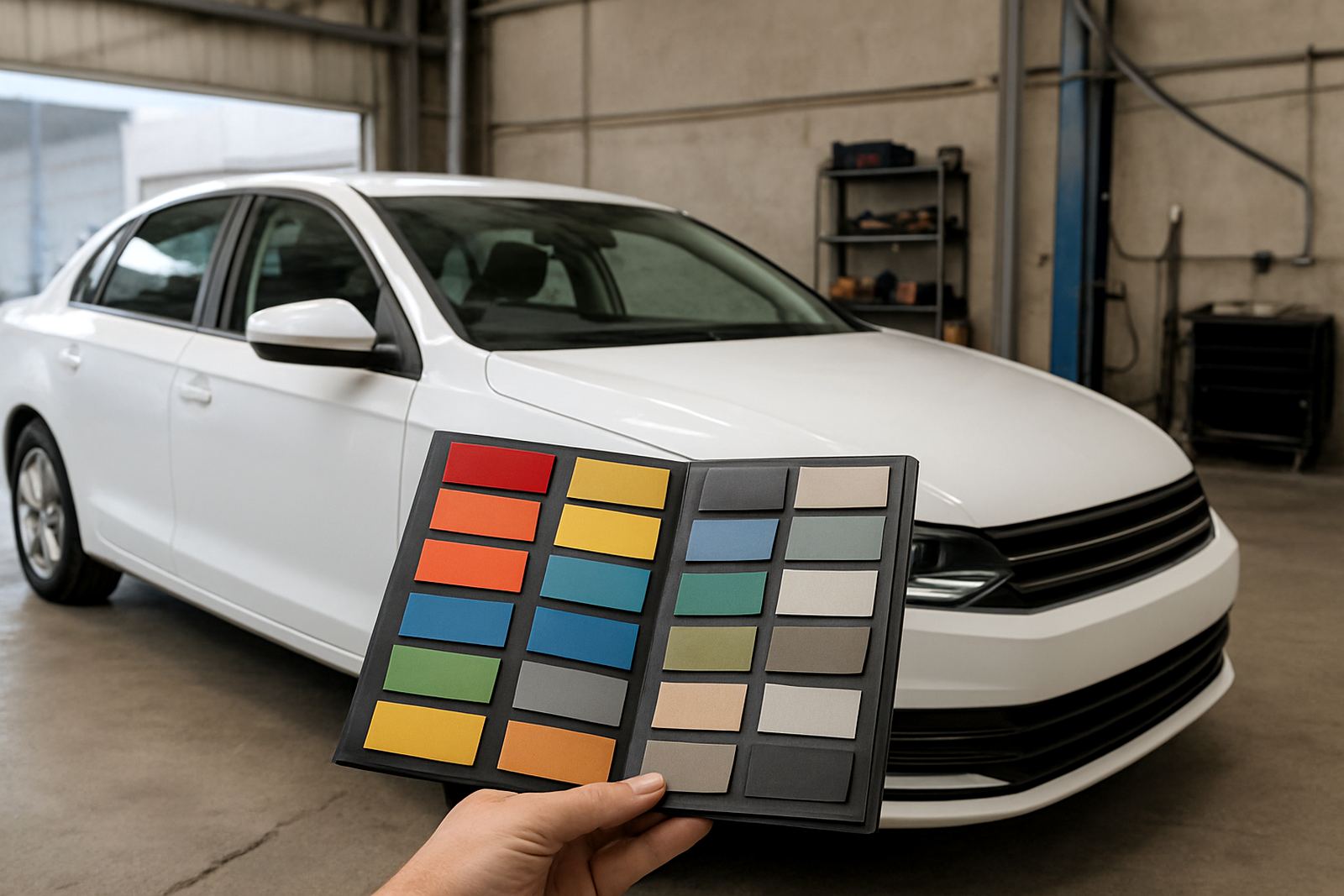
Before you choose a colour, decide what the vehicle needs to do day to day. A company car that visits clients in Sandton has different needs to a bakkie doing site runs in Midrand, or a fleet van parked outdoors in Durban humidity. A full colour change gives the cleanest result and is the best option when you want to replace the original colour across every visible panel.
If you are wrapping for business, think about how the vehicle appears from 20 metres away and also up close. Some colours hide dust better, some show fingerprints and some suit branding panels more neatly. At our Kya Sand base, we often help clients match a finish to both image and use, not just taste.
Choose the Right Coverage Level
Coverage is the first major decision. Full coverage changes the visible bodywork and gives a consistent look across doors, bumpers, mirrors, pillars and more. Partial coverage can suit smaller projects where you want a strong visual change without wrapping every panel. It can also be used to refresh high-wear areas on busy fleet vehicles.
- Full colour change: Best for a complete visual reset and the most uniform result.
- Partial coverage: Good for specific panels, accent areas or budget conscious projects.
- Fleet matching: Useful when several vehicles must look the same even if they are different models.
For a commercial fleet, consistency matters. One van in gloss charcoal and another in matte charcoal can read as different colours in sunlight, so finish choice needs to be set before production starts.
Pick a Finish That Fits South African Conditions
The finish changes how the wrap looks and how it behaves in daily use. Gloss is easier for many people to understand because it resembles paint and reflects light neatly. Satin gives a softer look with less glare, while matte has a flatter appearance and can suit executive vehicles or specialist builds. Textured and metallic finishes can create extra interest, but they also show marks differently and may need a bit more care.
In hot areas, darker finishes can feel warmer to the touch and may show swirl marks sooner if washed incorrectly. Coastal vehicles face salt air and more frequent cleaning, so choosing a finish that is simple to maintain can save time and money. Interior wraps, if you are doing them, should also be matched to the exterior so the car feels planned, not pieced together.
Check the Surface Before You Commit
A colour change only looks good when the surface underneath is properly prepared. That means the paint must be sound, panels must be clean and any chips, rust or poorly repaired damage should be identified first. Wrap film follows the shape of the vehicle, so dents and rough filler work can show through once the new colour is on.
Our surface preparation process includes cleaning, decontamination and panel inspection before installation. For vehicles that have had past repairs, this step is especially important because failing clear coat or lifting paint can shorten the life of the wrap. If the vehicle is used in dusty areas or loaded daily, we also look at edge details and trim points where wear is more likely.
- Wash and inspect the vehicle before booking
- Note any rust, stone chips or peeling paint
- Confirm if the vehicle has been resprayed before
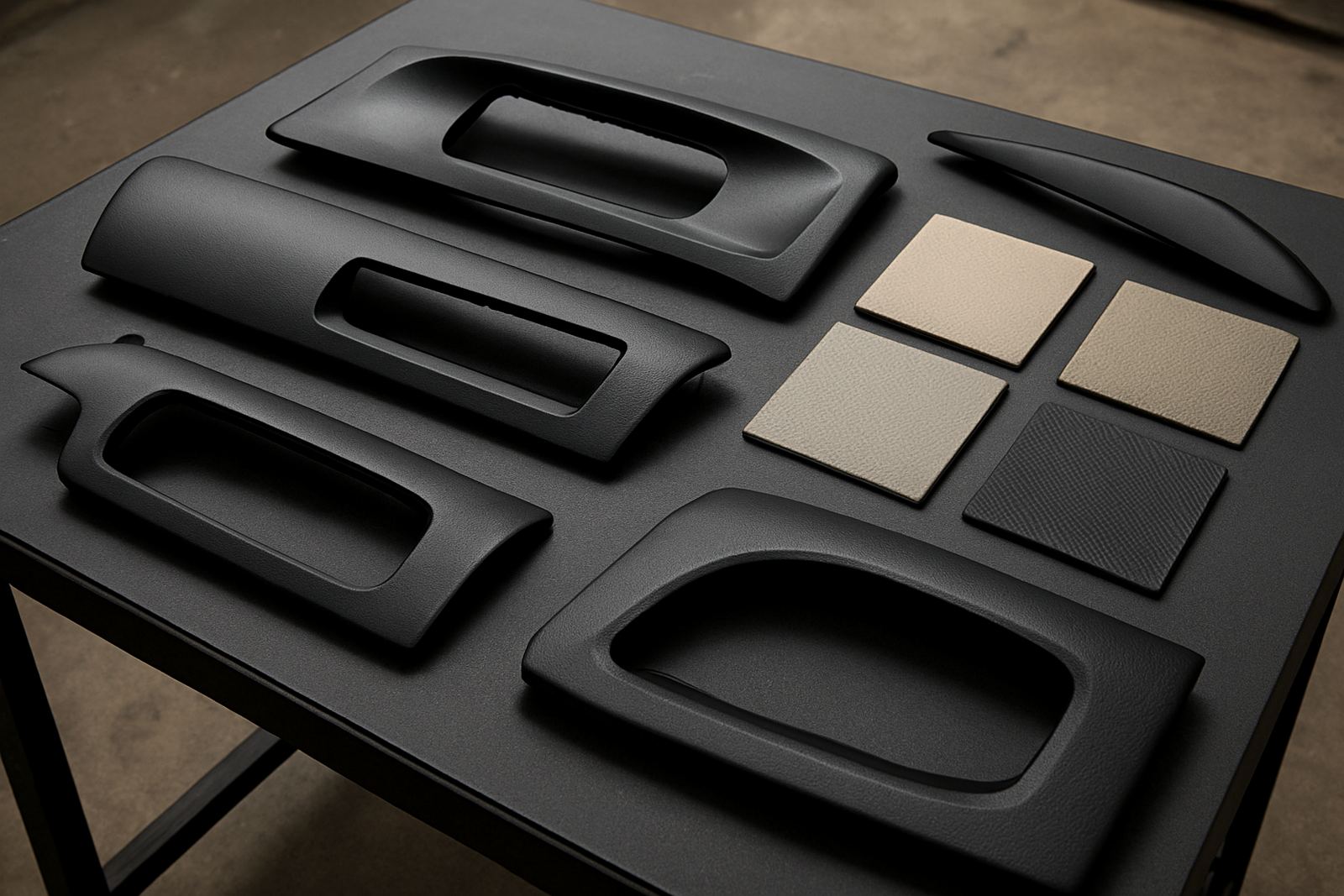
- Decide whether trim removal is needed for a cleaner finish
Match the Wrap to Branding and Fleet Rules
If the colour change is for a business vehicle, it should fit your brand standard and any fleet rules you already use. A neat wrap can improve recognition on the road, but only if it remains consistent from one vehicle to the next. Our team in Johannesburg works with fleet projects across Sandton, the East Rand, Pretoria, Midrand and Durban, so we often build repeatable specifications for multiple branches or service teams.
Design and artwork should be sorted before installation begins. That includes logo placement, registration visibility where needed, and making sure door handles, sensors and panels do not interrupt the overall look. For fleets with different vehicle shapes, one colour can still be applied across the range but the layout may need small adjustments so each unit looks professional and tidy.
Plan Care, Protection and Removal From Day One
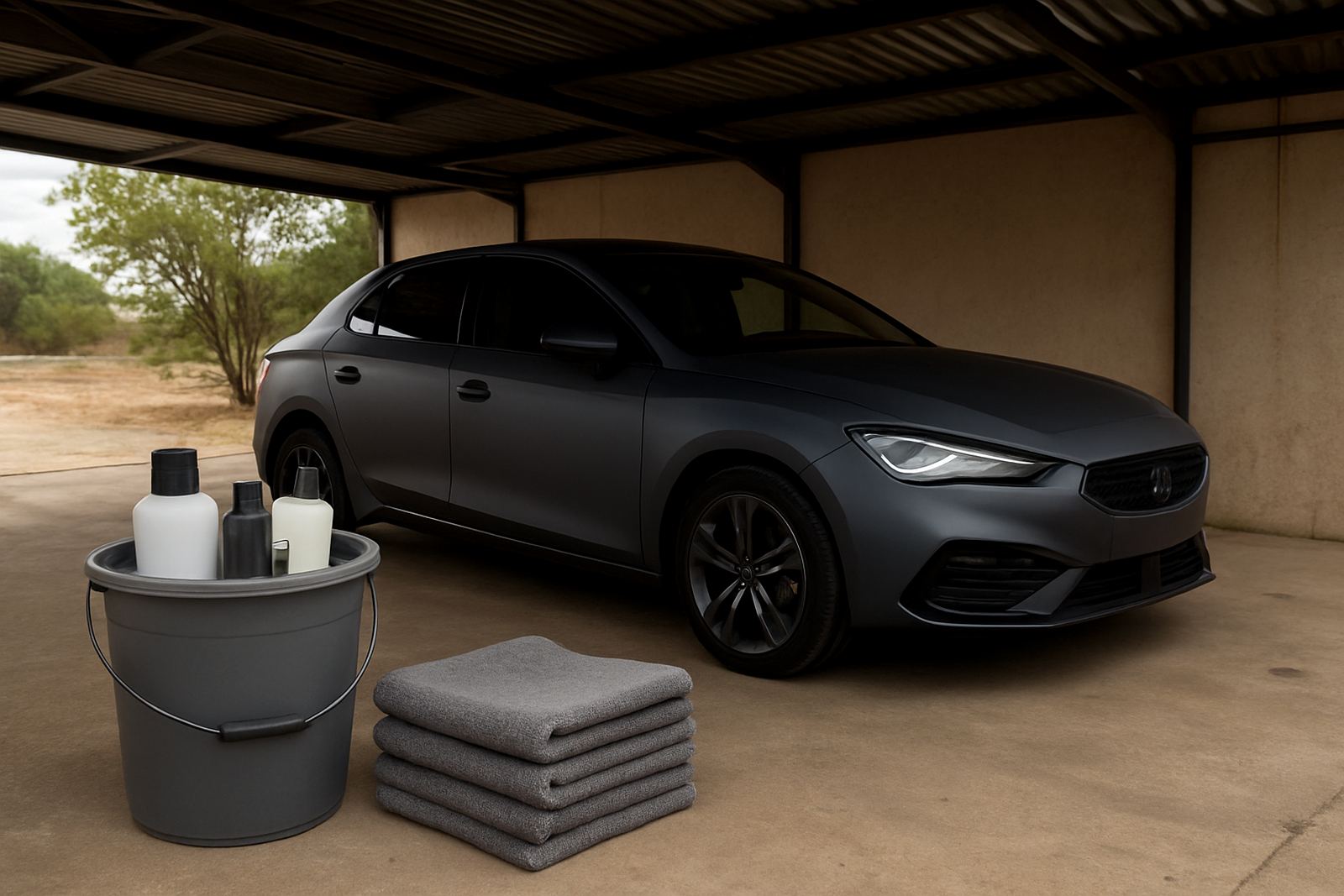
A wrap is not only about the day it is installed. You should know how it will be washed, where it will stand and when it may need maintenance. In load shedding conditions, many vehicles sit longer outdoors or in the sun, so aftercare matters. Avoid harsh chemicals, strong brushes and high pressure nozzles close to lifted edges. If a vehicle has window tinting, PPF or interior restyling as part of the project, the care plan should cover those too.
Think ahead about the end of the wrap life. A proper wrap removal is cleaner when the film was installed correctly and the vehicle paint was suitable from the start. If the vehicle is likely to change branding in a few years, choose a colour and finish that will still work with future use. That way the wrap supports the vehicle longer, not just for the first month.
A Simple Buyer Checklist Before You Book
Use this checklist before you confirm your colour change. It helps narrow the options and keeps the project on budget. Dhivana Bhana and the Auto Wrap SA team often run through these points with clients before materials are ordered, because the right decision at the start saves time later.
- What is the vehicle used for every week?
- Do you need full coverage or partial coverage?
- Which finish suits the brand and cleaning routine?
- Is the paint in good condition for wrapping?
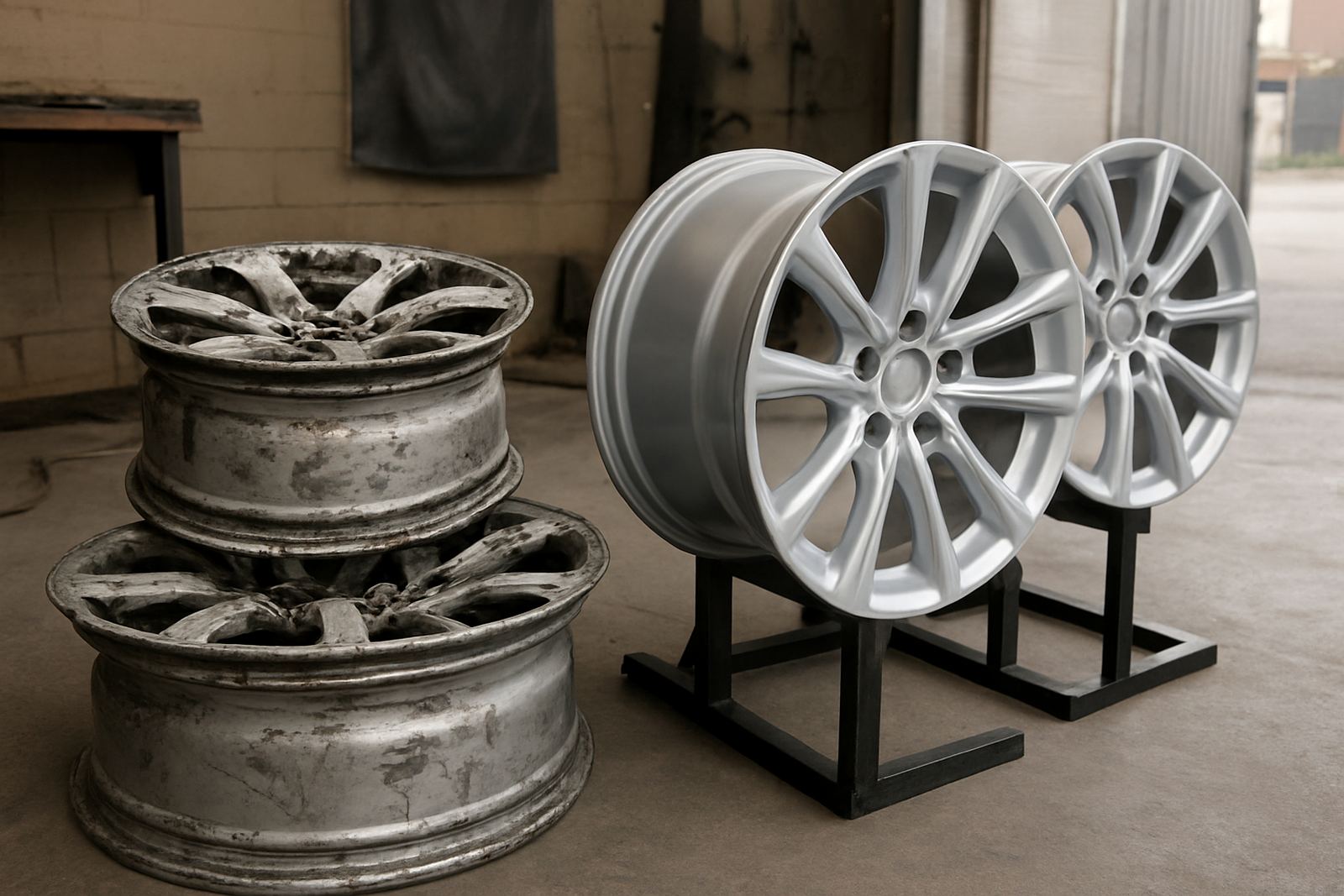
- Will the vehicle need tint, PPF or wheel refurbishment at the same time?
- Do you need one vehicle or a full fleet matched?
- How soon will the vehicle be back in service?
If you are not sure, start with the practical question: what must this vehicle communicate when it arrives at a client site? Once that is clear, the colour choice becomes much easier.