
What Interior Wraps Do Best
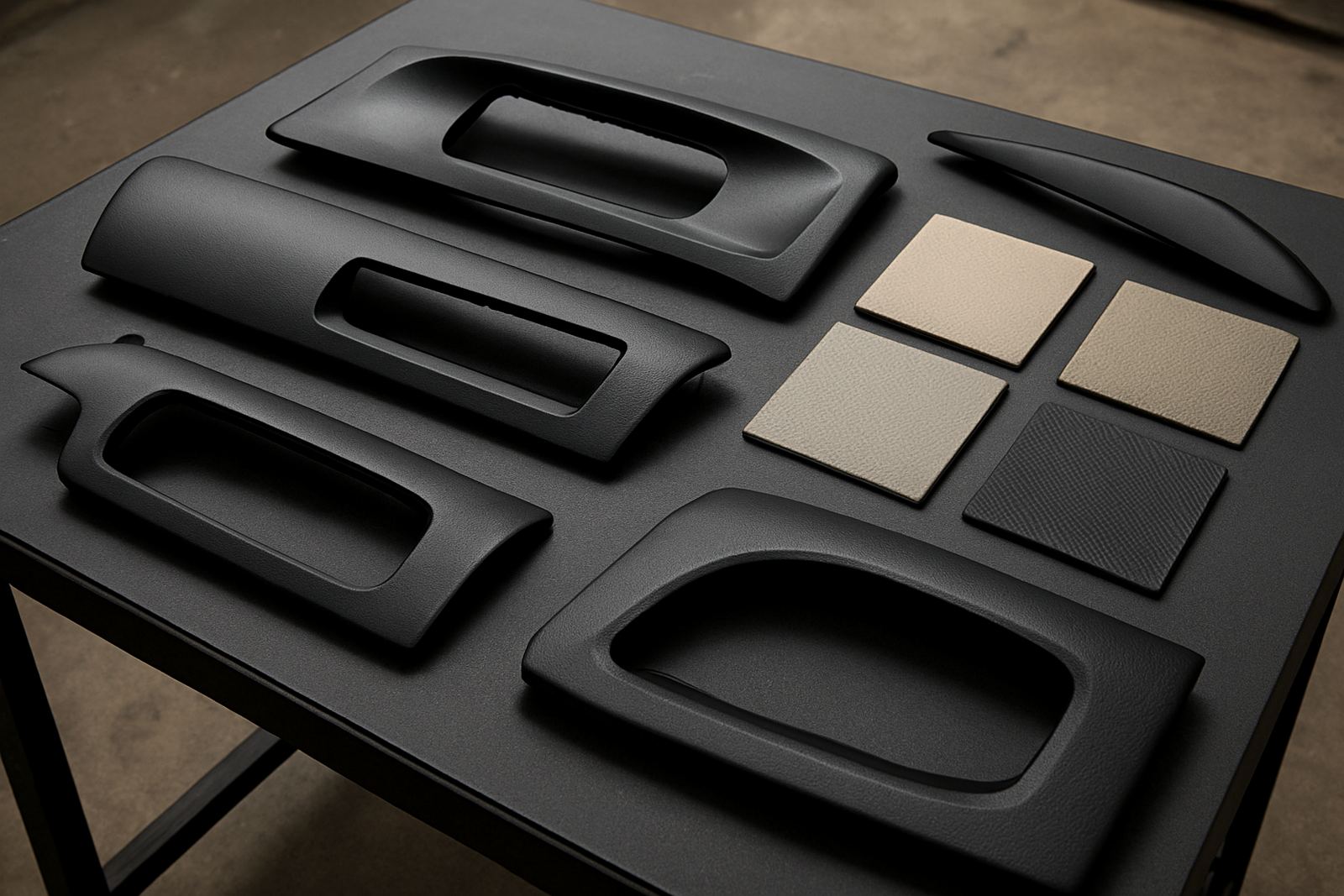
Interior wrapping works well on hard, smooth cabin parts such as trim panels, centre console surrounds, door inserts, dash accents and gear-shift surrounds. These are the parts that get scuffed by keys, handbags, rings and daily use, so a film wrap can improve the look while making future cleaning easier.
It is not the same as reupholstery. Fabric seats, stitched leather and soft foam surfaces are usually not suitable for standard vinyl wrapping. For fleet vehicles, bakkies and company cars in Johannesburg, a wrap is often the practical choice when you want a neat cabin refresh without taking the vehicle off the road for too long.
- Best for hard plastic, painted and lacquered trim.
- Suitable for colour changes on small and medium panels.
- Useful for hiding light scratches, not deep cracks.
- Can be paired with window tinting for a cooler cabin in summer.
Check Surfaces Before You Start
A proper inspection saves money later. The panel must be sound, clean and fixed firmly in place. If a trim piece is warped, brittle or has lifting clips, it should be repaired or replaced first. Adhesive film will not correct a damaged substrate and may lift at the edges after a few hot afternoons in Kya Sand or Midrand traffic.
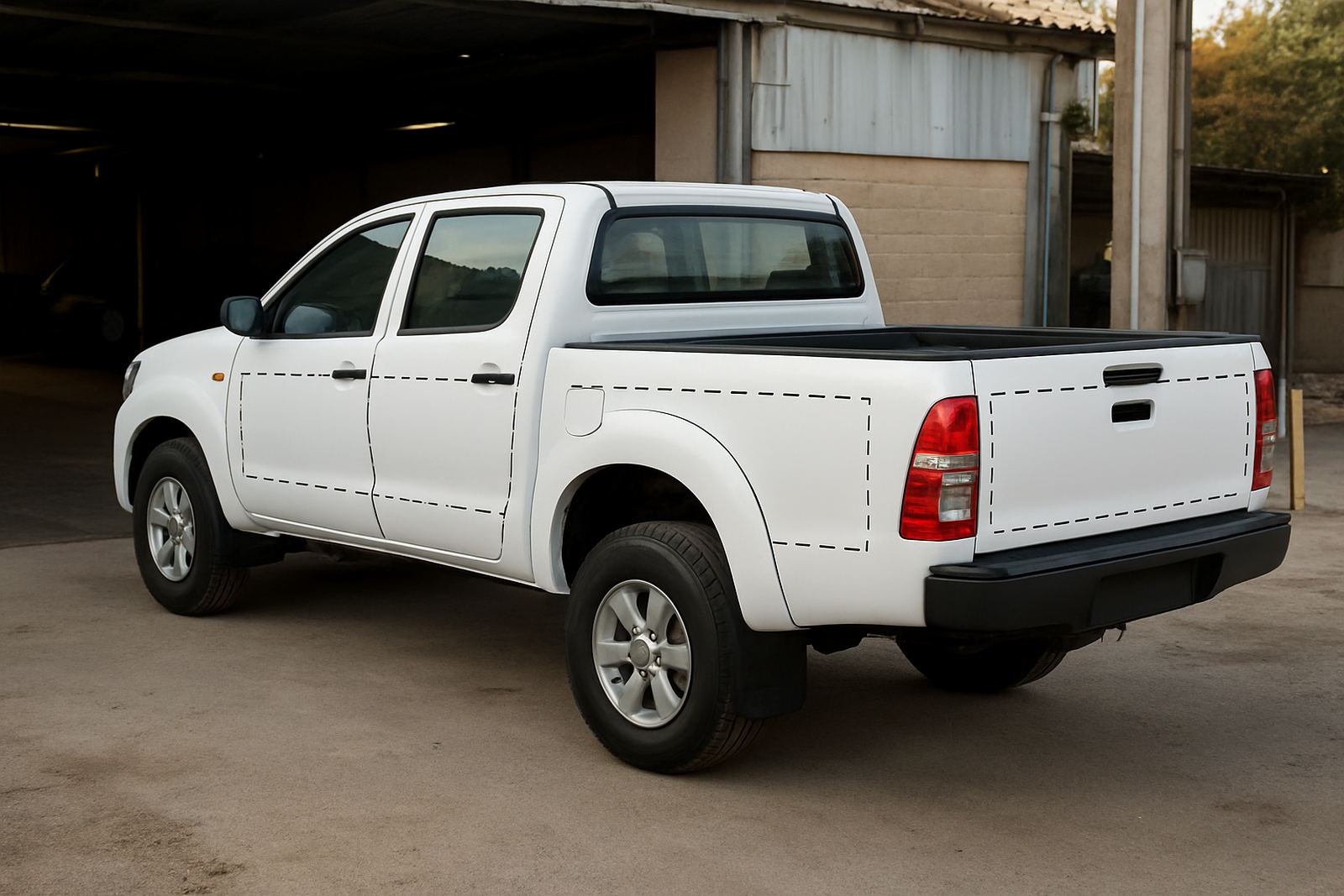
We also look at how the vehicle is used. A courier van that is opened and closed all day needs a harder wearing finish than a private SUV that mostly does school runs and weekend trips. On commercial vehicles, it helps to map the highest touch points first so the budget goes where it matters most.
- Check for loose clips, cracks and previous glue residue.
- Look for silicone polish or dashboard dressings that can affect adhesion.
- Note airbag covers, switches and sensors that must not be blocked.
- Confirm whether the vehicle sits in the sun or under cover.
Choose the Right Finish for Daily Use
Matte, satin and gloss finishes each behave differently inside a vehicle. Matte and satin usually hide fingerprints better and suit most business fleets. Gloss gives a sharper look but shows smudges more easily, especially on centre consoles and touch points. Textured finishes can add a premium feel but should be selected with care if the cabin is cleaned often.
Colour choice matters too. Dark shades are practical and usually easier to live with, while lighter tones can open up the cabin but may need more frequent cleaning. For vehicles used in coastal areas like Durban, it is worth thinking about heat and humidity as well because excessive moisture and temperature changes can affect poor preparation.
- Matte: good for low glare and fewer visible fingerprints.
- Satin: a balanced choice for most interiors.
- Gloss: suited to accent pieces, but needs more upkeep.
- Textured: best on selected panels, not every surface.
How the Fitting Process Should Run
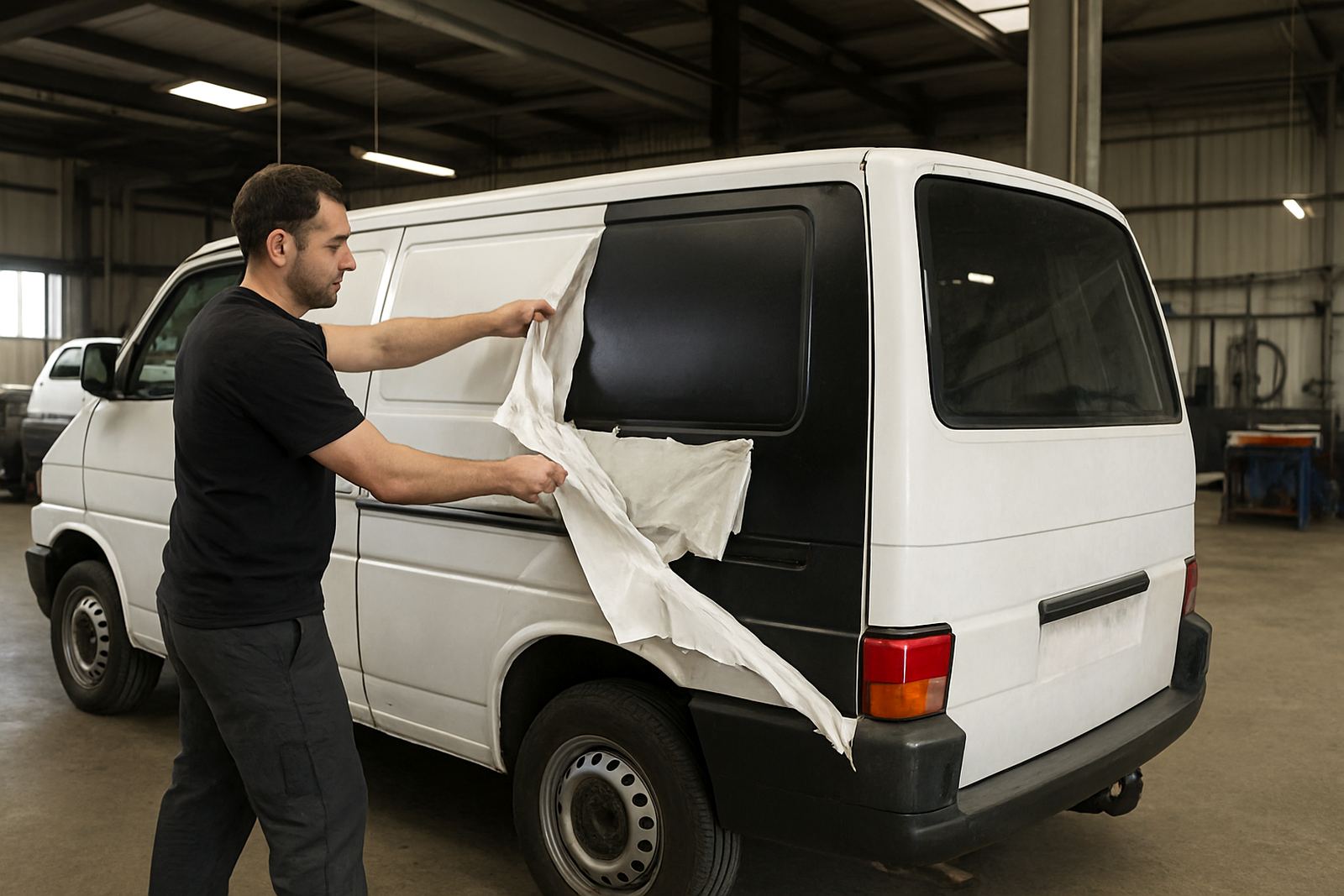
Good interior wrap work is mostly preparation. Panels are removed where needed, washed properly, degreased and dried, then the film is positioned with attention to seams, corners and cut-outs. Clean edges matter, because the cabin sees constant touching and movement. On a busy fleet unit, rushed trimming usually shows up within a few weeks.
After fitting, the vehicle should stay dry for the recommended period and should not be scrubbed straight away. If a dashboard or door panel has been wrapped, leave the film to settle before heavy use. That small pause gives the adhesive time to bond, which helps on vehicles that are parked outdoors or face strong afternoon sun.
- Ask whether the installer removes panels or wraps in place.
- Confirm how switch bezels, handles and vents will be handled.
- Check that cut lines are neat and hidden where possible.
- Make sure no airbag zones are covered or altered.
Common Mistakes to Avoid
The most common mistake is wrapping over dirty or oily trim. Interior dressings and spray cleaners can leave a film that stops proper bonding. Another issue is choosing a finish that looks good in photos but quickly shows wear in real life. A company vehicle used by multiple drivers needs a practical spec, not just a shiny one.
People also underestimate heat. Vehicles left in open parking bays at offices in Sandton or Pretoria can get very hot inside, especially in summer. If the cabin is always exposed, material choice and preparation become even more important. A good installer will also say no to panels that are too damaged to wrap safely.
- Do not wrap over silicone polish or wax residue.
- Do not choose delicate finishes for high-touch areas.
- Do not ignore cracked or swollen trim.
- Do not block switches, vents or safety labels.
Simple Care Routine After Installation
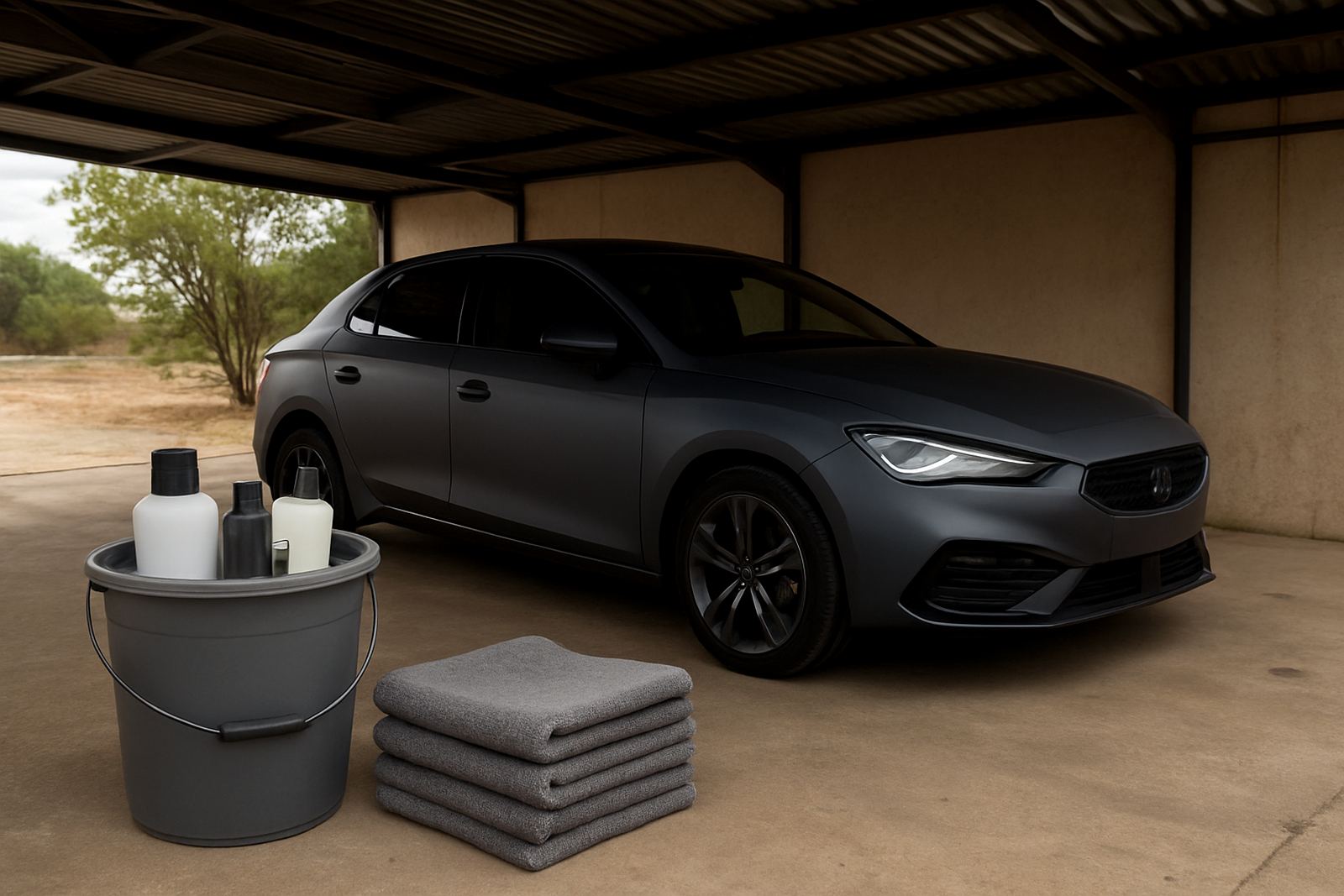
Interior wraps are straightforward to care for if you keep the routine light. Use a soft microfibre cloth and a gentle cleaner that is safe for vinyl. Avoid strong solvents, abrasive pads and harsh scrubbers. On fleet vehicles, it helps to brief drivers and cleaning teams so the finish is not damaged in the first week.
For long term use, wipe spills quickly and keep sharp items away from wrapped trim. If a panel starts lifting at an edge, sort it early before dust gets in. That kind of small maintenance is easier and cheaper than waiting until a section has failed. We also recommend checking wraps after the first hot spell, then again after winter because the cabin moves with temperature changes.
- Use a soft cloth and mild cleaner only.
- Keep solvents and abrasive pads away.
- Wipe spillages promptly.
- Inspect edges after heat and cold changes.