When wrap removal makes sense
Wrap removal is usually needed when a vehicle is being sold, rebranded, repaired after a collision, or returned to plain body colour after a colour change wrap. On fleet vehicles it can also be part of a contract change, a new logo rollout, or a clean-up before transfer to another branch. The condition of the vinyl, the age of the adhesive and how the vehicle has been parked all affect the job.
In Johannesburg, sun exposure can bake older film hard, while coastal humidity can make certain edges lift and hold dirt. That means one bakkie might strip clean in a few hours and another may need careful heat, adhesive removal and panel-by-panel work. A proper assessment first saves a lot of trouble later.
What we check before starting the strip
Before any removal starts, the vehicle needs a full inspection. We look at the film type, how long it has been on the vehicle, whether there are stone chips or repainted panels, and whether the wrap has been installed over rubber trims, badges or poor surface prep. These details affect both speed and finish.
- Check for fading, cracking or brittle film
- Look for lifted corners, trapped dirt and old repair patches
- Confirm if the paint is original or previously resprayed
- Identify sensitive areas like plastics, matte surfaces and decals over clear coat
- Plan for badge removal, trim protection and adhesive cleanup
If a fleet is being stripped, we also confirm the number of units, the signage layout and any compliance marks that must stay in place for handover. That helps us schedule the work properly and avoid holding vehicles off the road longer than needed.
Step by step removal on private vehicles
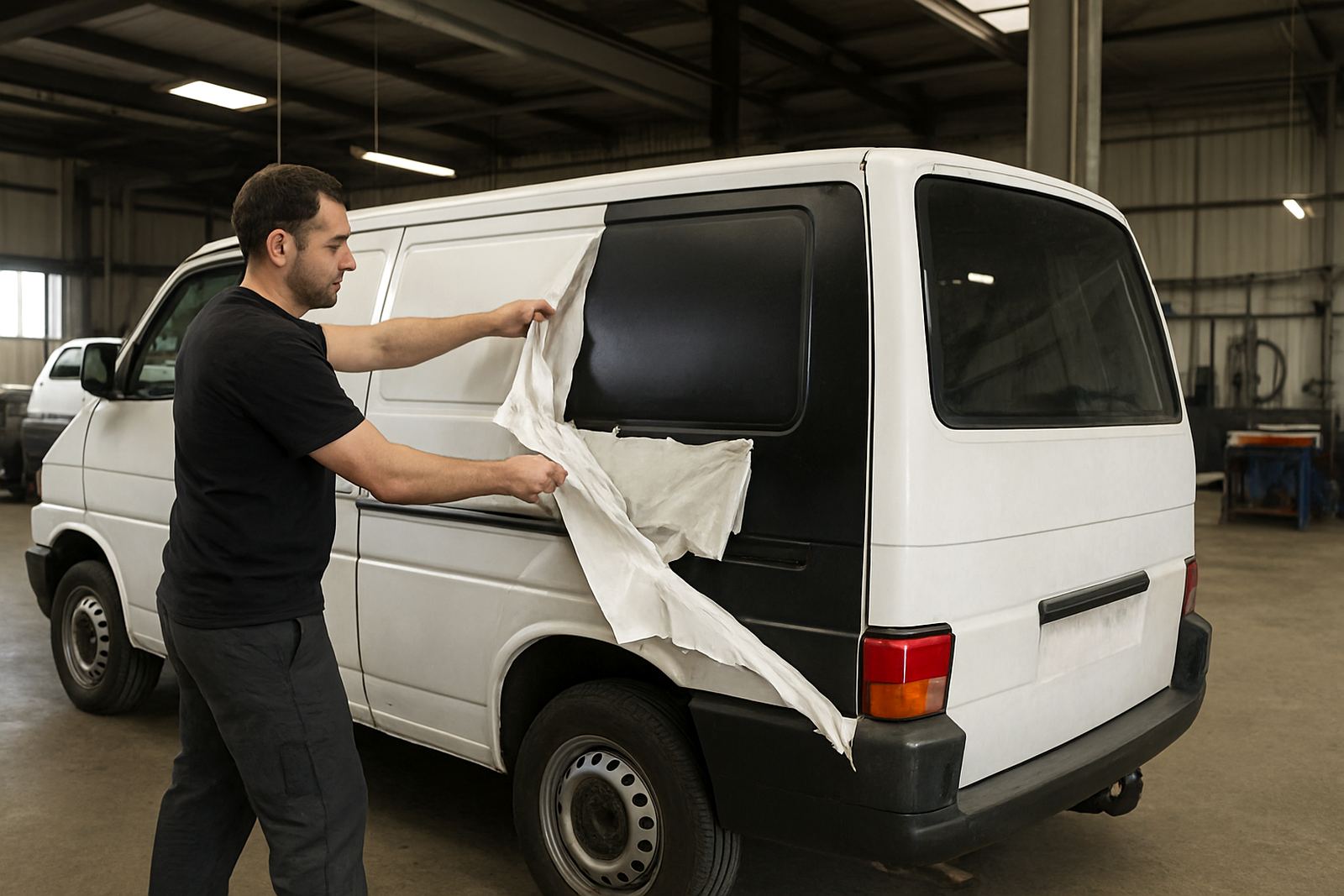
Most private vehicle removals start with gentle heat to soften the adhesive and allow the film to release in larger sheets. The aim is to keep the paint safe while lifting the vinyl at the right angle, not ripping it off. If the wrap is older, we work slower and use more patience than force.
Once the film is off, any adhesive residue is removed with safe cleaners and non-scratching tools. After that, the panels are washed, dried and checked in natural light for marks, ghosting or old print lines. On some vehicles the paint under the wrap will look fresher than the exposed panels, so owners should expect a slight colour difference if the rest of the car has faded over time.
It is common for customers to be surprised by what is revealed under a wrap. Small scratches, paint chips and past panel repairs may only become visible once the vinyl is gone. That is normal, and it is better to see those issues early rather than after the car has been sold.
Fleet removals need planning, not just tools
Working fleets need a tighter process because every hour off the road has a cost. We often remove old branding in stages so vehicles can stay active where possible. For courier vans, service cars and sales reps, the sequence is usually scheduled around route timing, branch deliveries and driver handovers.
Fleet removals also need consistent finish across multiple units. One vehicle stripped too fast can leave adhesive shadowing or torn film around handles and mirrors. Another may have had a small crash repair and need extra care around filler or fresh paint. Good planning keeps the whole fleet looking tidy when it leaves the bay.
- Stage vehicles by age and wrap condition
- Set realistic downtime per unit
- Keep records of plates, VINs and branding changes
- Protect company markings that must remain until replacement graphics arrive
- Allow extra time for vehicles with roof wraps, mirrors or deep recesses
For branches in Sandton, Midrand, the East Rand or Pretoria, we can arrange wrap removal work where the vehicles are based or through our Kya Sand studio, depending on numbers and timing.
Paint, sun and residue after the film comes off
The biggest risk in wrap removal is not the vinyl itself, it is what happens when the adhesive has bonded too hard to the surface. Cheap solvents, blade use or rushed pulling can mark the clear coat. That is why heat control and the right products matter. On vehicles with older paint or repeated resprays, we go especially slow.
After the wrap is removed, we look for adhesive haze, edge shadowing and areas where the original paint has aged differently under the film. A small amount of ghosting can happen, especially on vehicles that sat in full sun for years. On white or light silver panels it may be more visible, while darker finishes can show contrast around old logo lines.
If the vehicle has been standing in coastal air or near construction dust, the clean-up can take longer. The good news is that a careful removal often leaves the body in good condition for resale, a new wrap, or normal use. Just dont rush the wash straight after stripping if the panels are still warm.
Aftercare once the vehicle is bare
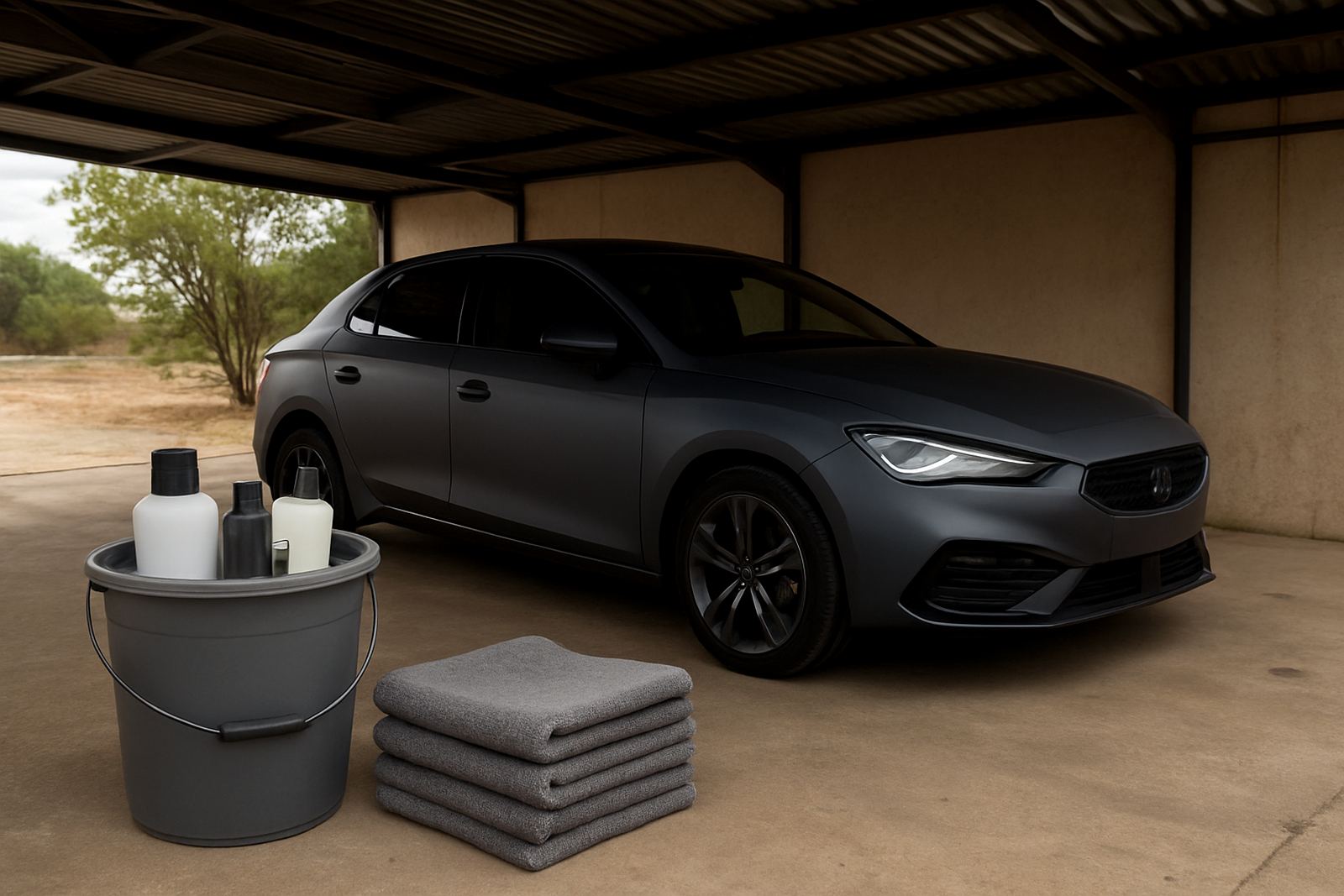
Once the wrap is off, the vehicle needs a proper rinse and inspection before it goes back into service or to a buyer. If polishing is needed, it should be done only after the panels have cooled and any remaining residue has been fully removed. Freshly exposed paint can show marks that were hidden for years, so the first wash matters.
- Wash with a mild shampoo and soft mitt
- Avoid strong compounds unless a panel test is done first
- Check seals, rubber trims and badges for leftover adhesive
- Inspect under good light before signing off the job
- Keep the vehicle out of harsh sun immediately after solvent cleaning
For fleets, we recommend a handover checklist so the manager, driver and sign-off team all agree on the finish. That reduces arguments later and keeps the record clear if replacement branding follows soon after.
What to send us before booking removal
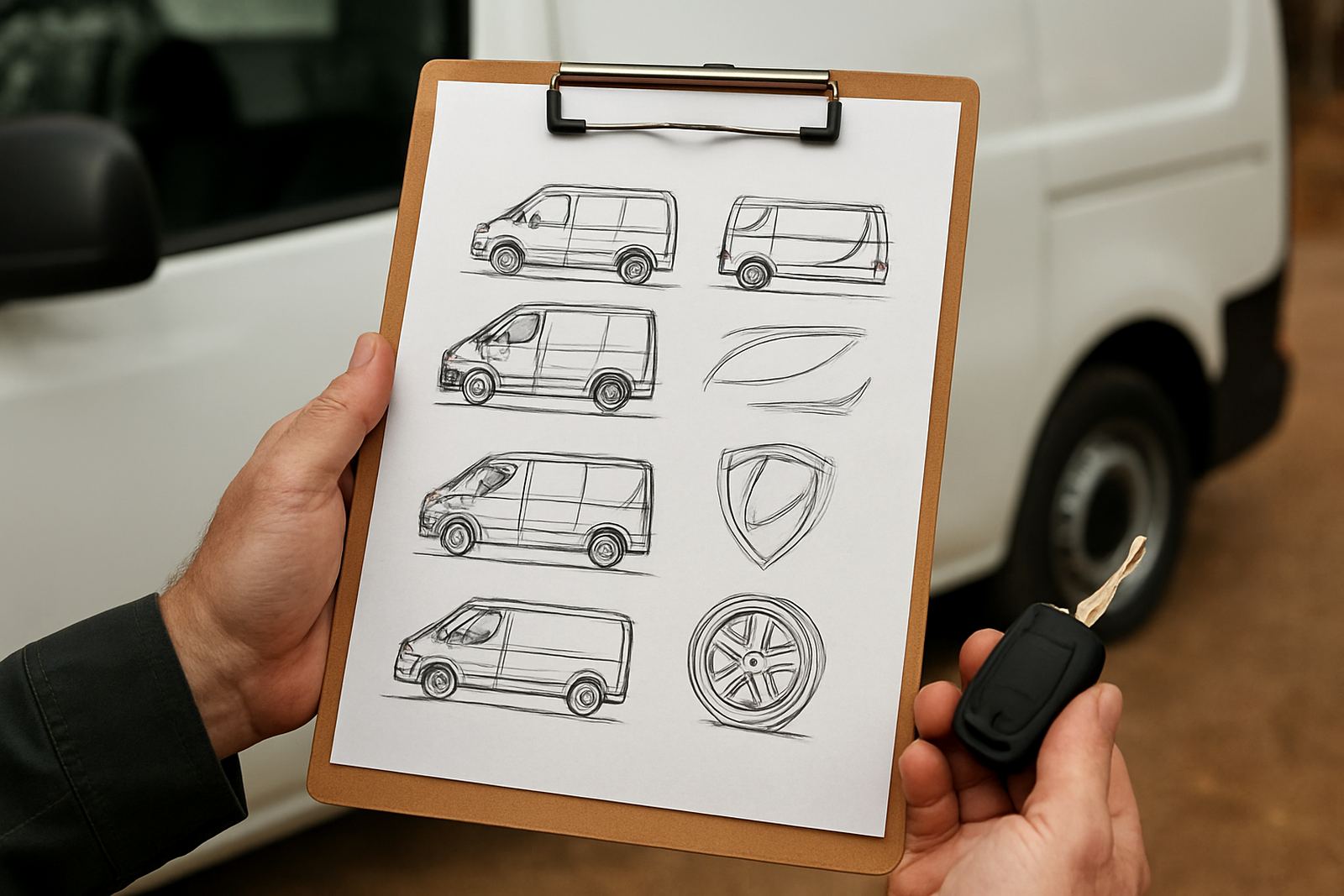
To quote wrap removal correctly, we need the vehicle type, wrap age, current condition and whether the film covers the full body or only logos and panels. A few clear photographs help a lot, especially close-ups of lifted edges, damaged areas and any previous repairs. If you have multiple units, a simple list with registration numbers is enough to get started.
For private owners, mention whether the wrap is a colour change, a partial graphic or an interior finish. For fleets, tell us if the vehicles must be ready for road use at specific times, or if there are local loading restrictions, gate times or municipal access rules at the site. That helps us plan the job properly and keep delays down.
Auto Wrap SA works from Kya Sand in Johannesburg with wrap bays nationwide, and we handle removals for private cars, bakkies, vans and commercial fleets. If you need advice before committing, send through the details and we will tell you what is likely to come off cleanly, and what may need extra care.