
Start with how and where you drive
Before you choose a film package, look at your normal route and parking. A car doing school runs in Sandton will face different wear to a bakkie on gravel roads near Midrand or a sales vehicle clocking highway kilometres between Johannesburg and Pretoria. Coastal humidity, sun exposure and frequent washing also affect how long the film keeps its finish.
Ask three basic questions first: how far do you drive each week, where does the vehicle park overnight, and what parts of the bodywork take the most abuse? If the front bumper, bonnet edge and side mirrors carry most of the chips, a targeted package may be enough. If the whole vehicle is kept as a company asset or premium ride, full body protection can be the better call.
PPF is not only for luxury cars. It is also useful for fleet vehicles, executive sedans, panel vans and SUVs that need to look presentable for longer. The point is to match the film coverage to the way the vehicle is actually used, not just to the badge on the bonnet.
Front end protection versus full body coverage
Front end protection usually covers the bumper, bonnet front section, front guards, side mirrors and headlights where allowed. It is the common choice for drivers who want protection from stone chips and road grime without covering every painted panel. This option often gives the best value for everyday use.
Full body coverage wraps every painted panel that needs protection, sometimes including roof rails, pillars and door cups depending on the car and package. It suits vehicles that are heavily exposed to parking lot scuffs, frequent long-distance use, or owners who want the paint kept in near-new condition for resale. It also helps on darker colours where swirl marks show quickly.
Think of it this way: front end coverage protects the sections that take the first hit, while full body coverage protects the whole finish. The right choice depends on how much of the car you want to preserve and how long you plan to keep it.
- Front end is usually the more affordable option
- Full body gives broader protection and a more even look
- Both options still need proper washing and aftercare
- Coverage can be mixed, for example front end plus door handles and sill areas
What good film installation should include
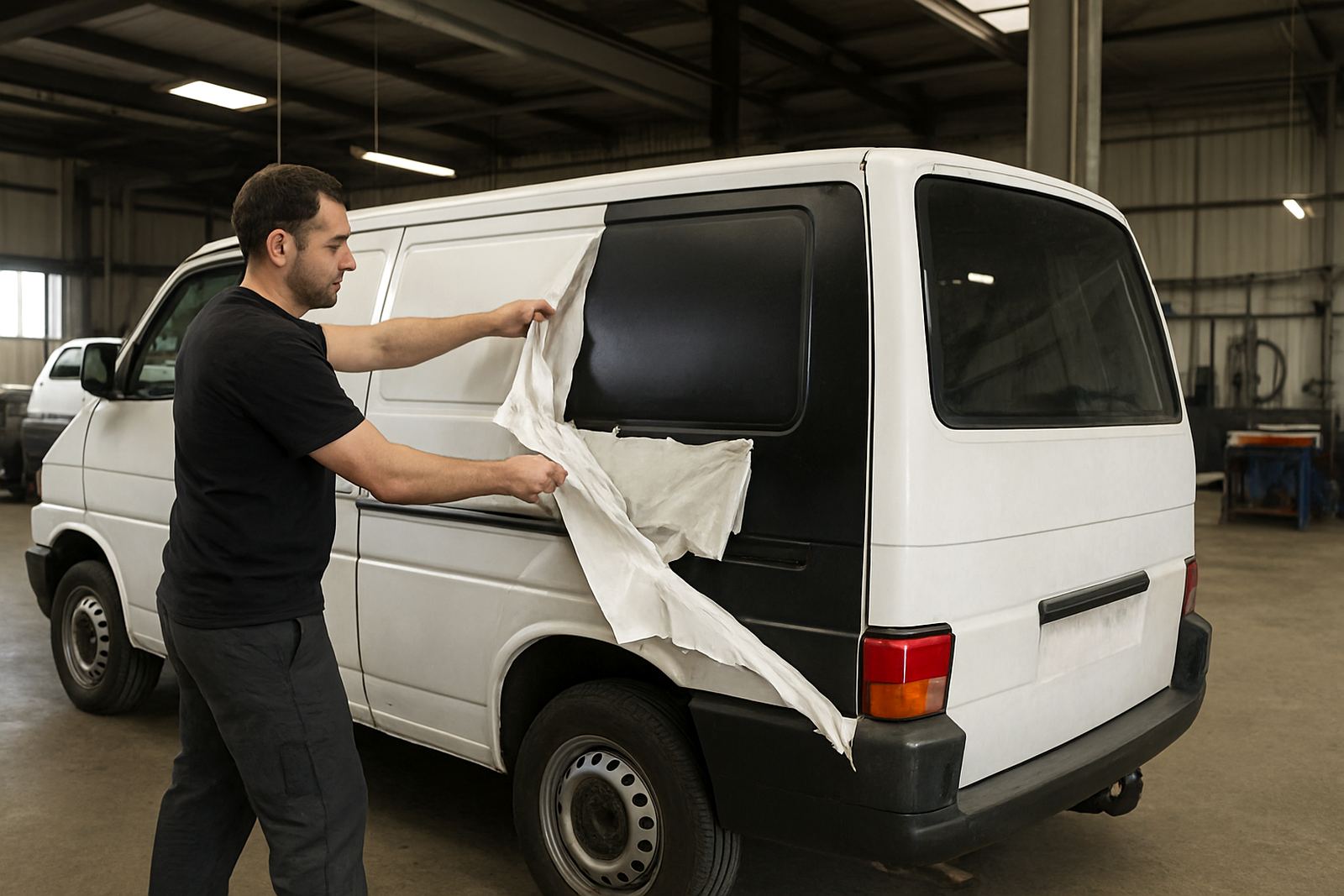
A proper installation starts before the film goes on. The paint must be washed, decontaminated and checked for chips, scratches or old polish residue. If the panel has repairs or overspray, those should be identified first because film will not hide bad prep. In some cases it can make faults more visible.
Good installers work panel by panel and avoid trimming where it can cut into paint. They should explain edge wrapping, seams, curing time and where the film will stop on the vehicle. On complex shapes like bumpers and mirrors, a neat finish matters as much as the film itself. A rushed install may lift at corners, especially in summer heat or after a pressure wash.
Ask what happens if a panel needs to be removed later for repair. Also confirm whether the film is suitable for South African conditions such as strong UV, dusty roads and regular load-shedding related parking in warm garages without climate control.
- Surface cleaned and decontaminated before fitting
- Edges checked for proper wrap and adhesion
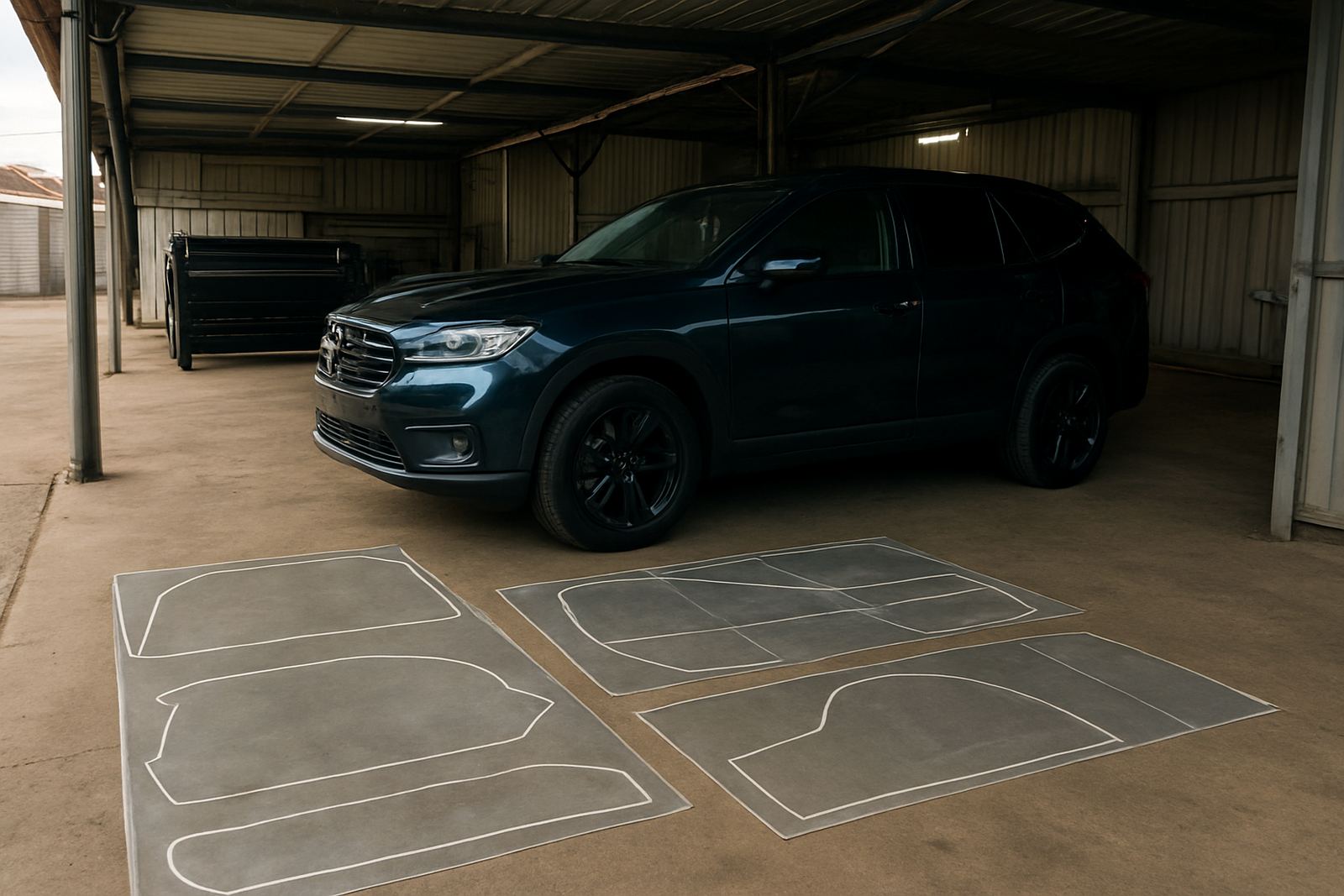
- High-wear areas mapped out before quote is given
- Clear explanation of curing time after installation
Questions to ask before you approve the quote
The cheapest quote is not always the best value. A good quote should show exactly which panels are covered, how much prep is included, and whether the package is front end, partial body or full body. If the quote is vague, ask for a breakdown in writing so you can compare like for like.
It also helps to ask about maintenance and warranty terms. Some films are easier to keep clean in dusty areas, while others show water spots more quickly if they are not dried properly. If your vehicle is used for client visits, deliveries or provincial travel, that detail matters.
- Which panels are included and which are excluded?
- Is paint correction included if light marks are present?
- How long should the vehicle stay after fitting before washing?
- What cleaning products are safe on the film?
- How are edges and corners handled on complex panels?
If the answer is unclear, keep asking. A proper supplier should be able to explain the package in plain language, without making you guess what you are paying for.
Match the package to the vehicle type
Different vehicles need different levels of protection. A compact hatch used around town may only need a front bumper and bonnet package. A family SUV that sees school runs, holiday trips and shopping centre parking may benefit from extra side protection. A company fleet can often justify broader coverage because consistent appearance affects brand image.
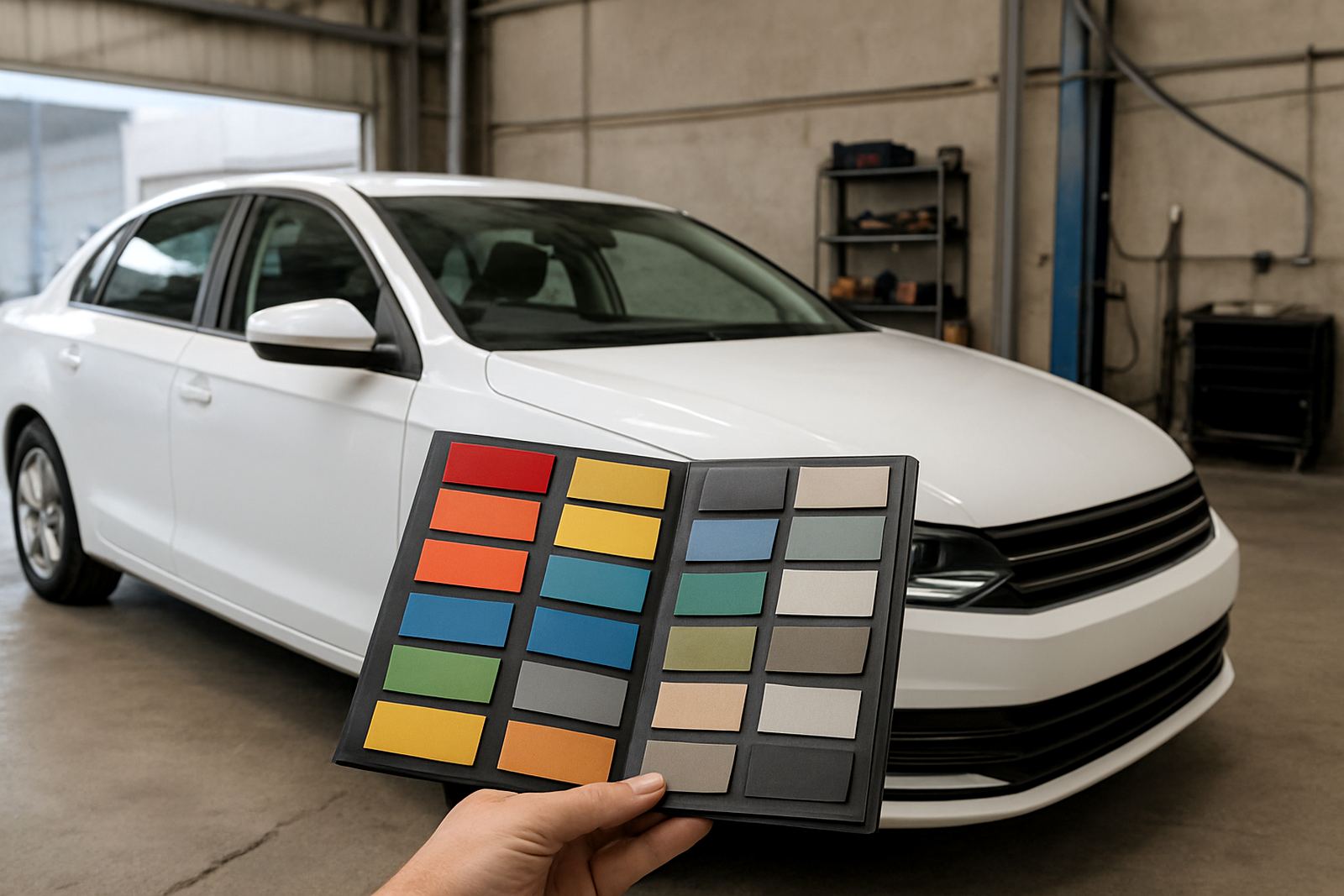
For panel vans and work bakkies, stone chips on the front and lower doors are common. For premium cars, customers often choose full body coverage to preserve the paint and support resale value. If the vehicle is white or silver, slight staining or edge lift may be more visible, so correct fitting matters even more. On darker colours, swirl marks and washing habits become the main concern.
In practical terms, choose the cover that protects the sections you worry about most. There is no need to over buy if the vehicle only does 10 000 km a year and stays in a covered bay. But if it spends its life on the N1, the N3 or on busy Gauteng roads, extra coverage can save money later.
Care steps after fitting so the film lasts
Once the film is fitted, aftercare keeps it looking good. The first few days matter because the adhesive is still settling. Avoid harsh washing, automatic brushes and strong chemicals during the early curing period. If the weather is hot, try to keep the car shaded where possible.
After curing, wash by hand with a mild shampoo and soft mitt. Dry with clean microfibre towels, not old cloths that hold grit. Tar remover and heavy solvents should be used carefully and only when needed. On coastal routes or in high dust areas, rinse more often so dirt does not grind into the film.
A simple routine works best:
- Rinse off dust before wiping
- Use mild soap and clean water
- Dry edges gently after washing
- Check corners and mirrors for lifting
- Report any damage early so it can be assessed
Handled properly, PPF can keep a vehicle looking better for longer and reduce the need for paint rectification later on.