

1. Set one brand standard before any vehicle books in
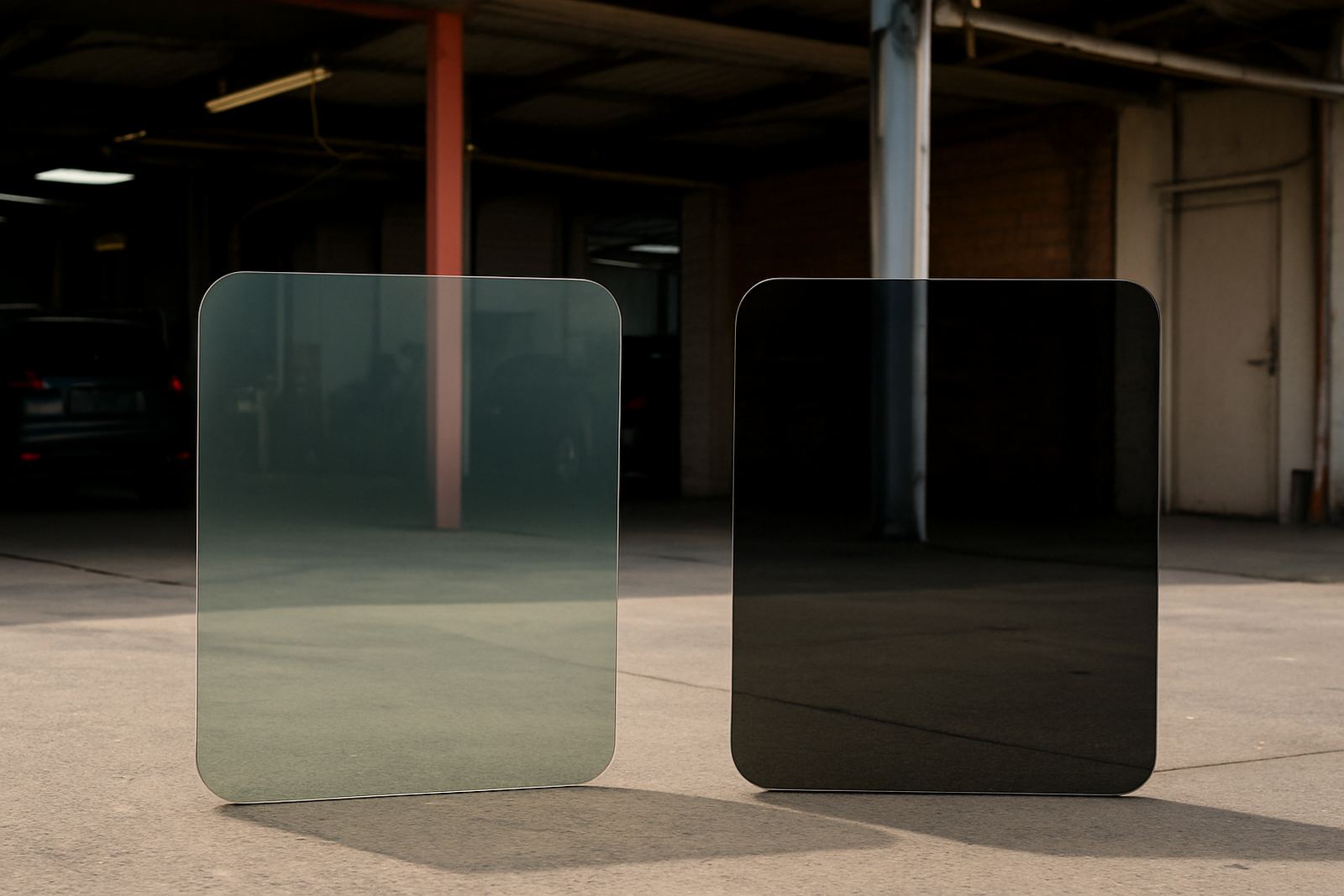
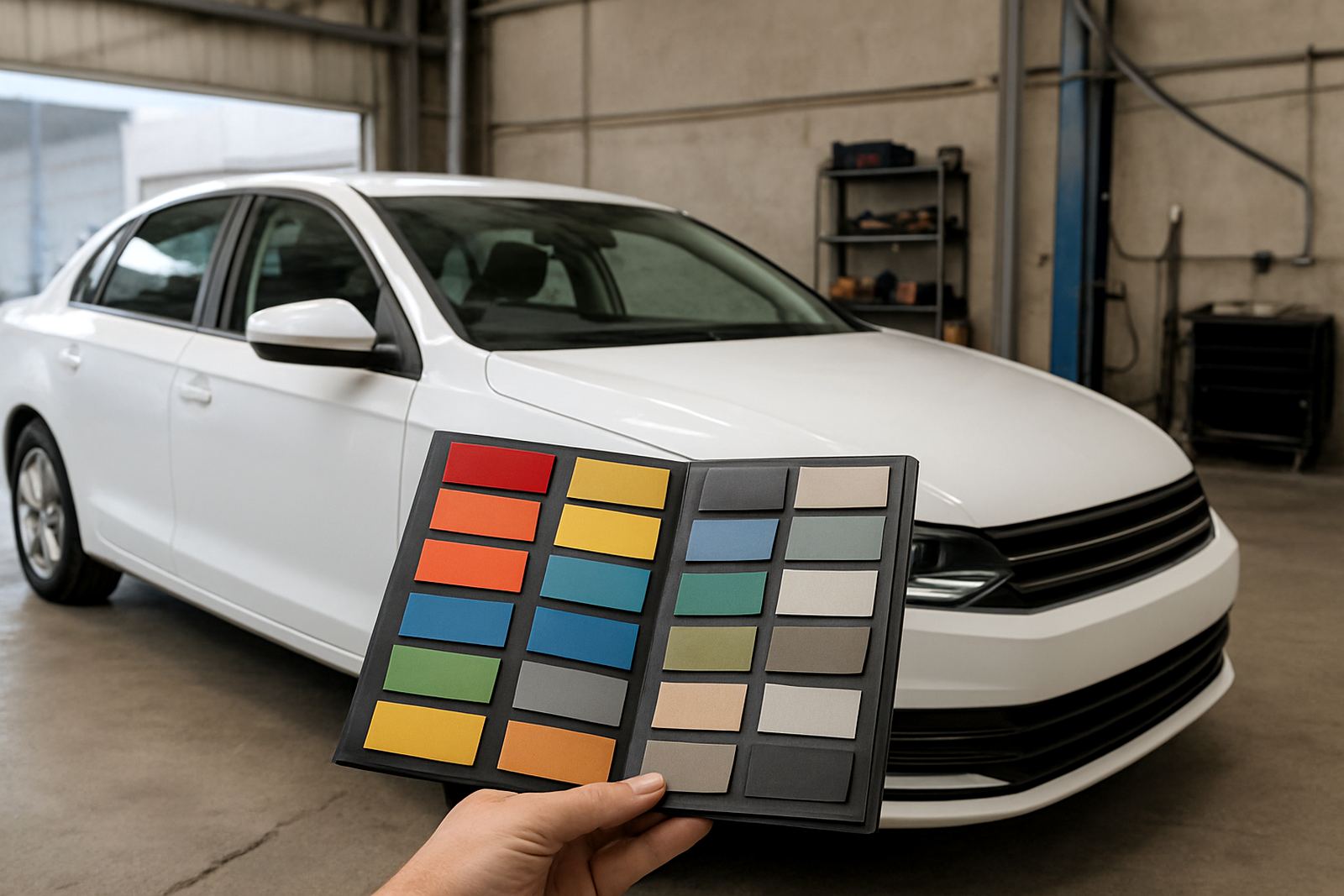
The biggest cause of delays is starting without a single approved standard. Before the first bakkie or panel van arrives, lock in the vinyl colours, logo placement, tint shade, and where PPF is needed on high-wear panels. If you operate in Gauteng, KZN, or the coast, note that sun intensity and humidity can change how you prioritise protection. A fleet used in Sandton traffic may need different treatment to one doing daily deliveries in Durban.
We recommend one sign-off pack for the whole rollout. It should show exact artwork, body areas to be wrapped, any exclusions, and the order of work if a vehicle is getting multiple services. That makes branch managers accountable and keeps everyone working from the same page.
- Approved logo files and colour references
- Vehicle list with make, model, year, and registration
- Service scope for each unit, including tint and PPF
- Branch contact names and handover times
- Target completion dates for each region
2. Build a vehicle schedule that matches branch operations
Fleet work is easier when vehicles arrive in planned waves. Do not send every unit at once unless the business can afford downtime. For sales teams, service vehicles, and courier vans, rotate them through branch or regional booking slots so business keeps moving. Where possible, group the same model together because strip-out, prep, and fitment then go faster and quality stays more consistent.
It also helps to build a buffer into the plan for load-shedding and weather. Power interruptions can affect production timing, and vehicles in coastal areas may need extra drying time after cleaning or decontamination. A proper rollout plan builds in a bit of flexi so branches are not left waiting for a completed unit that missed a dispatch window.
- Assign booking windows by region, not by guesswork
- Keep at least one spare vehicle in service where possible
- Allow extra time for heavily branded or large-panel vehicles
- Include travel time between depots, warehouses, and fitment bays
3. Prepare the vehicles properly before fitment day
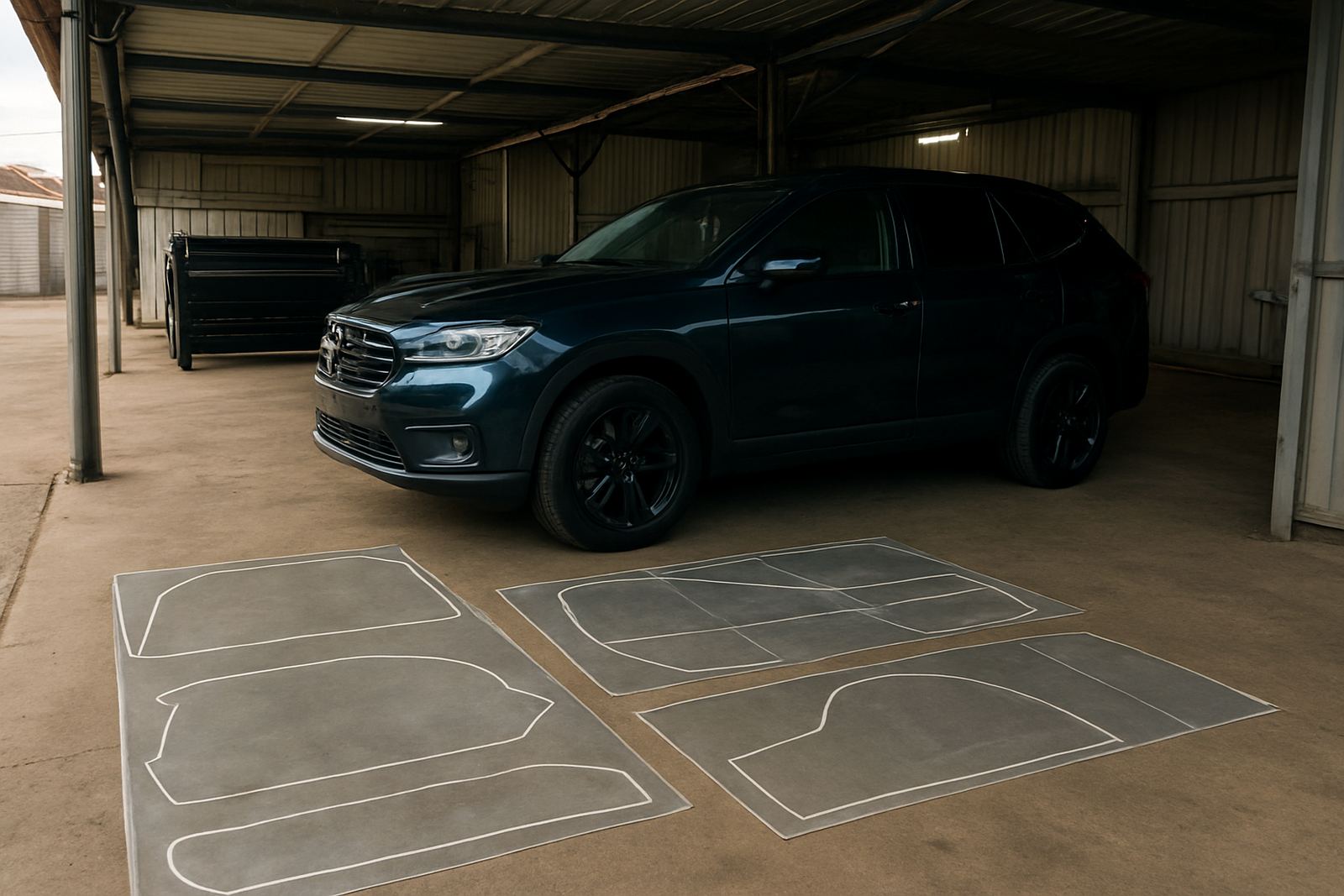
Good prep saves rework. Vehicles should arrive washed, dry, and free of road film, tar, and oil residue. If there are scratches, rust spots, stone chips, or previous vinyl marks, flag them early. Wrap film will not hide poor paint condition, and interior work should only start once the cabin is clean and dry. On fleet work, we often see preventable delays because a unit arrives with old decals still on, or with loose trim that needs attention first.
In humid regions, especially near Durban, allow for proper surface checks before installation. In hot inland conditions, make sure vehicles are cool and out of direct sun before fitment. If a vehicle has had recent respray work, ask for curing time confirmation so the adhesive bonds correctly. A rushed job can lead to lifting edges, trapped moisture, or early failure.
4. Keep the installation sequence practical and consistent
For multi-branch rollouts, sequence matters. Start with the services that affect the base surface, then move to visual and protective layers. If the vehicle is getting vinyl colour change, PPF, and tint, the order should be planned so each step supports the next. Wheel refurbishment and interior restyling can be booked alongside the exterior work, but only if the branch can keep the vehicle off the road long enough.
Consistency across regions comes from using the same check points at every bay. That means panel alignment, edge finishing, badge handling, and final inspection should be recorded the same way whether the vehicle is in Kya Sand, Midrand, East Rand, Pretoria, or Durban.
- Confirm film colour and orientation before cutting
- Check panel edges, handles, mirrors, and trim before release
- Inspect tint for bubbles, contamination, and legal compliance
- Record any damaged trim, paint defects, or missing parts
- Photograph the finished unit from agreed angles
5. Protect the brand after handover with clear aftercare
The job is not finished when the keys are returned. Every branch using wrapped vehicles should get the same aftercare instructions so the finish lasts. Fresh wraps need careful washing, no harsh solvents, and no high-pressure wand too close to edges. On fleet vehicles that work long hours, aftercare also means checking corner lift, scuffing around door handles, and damage from loading areas.
We advise a simple aftercare sheet for drivers and branch supervisors. Keep it short enough that people actually read it. If the fleet covers several provinces, one contact person should handle issues and route them to the right regional point quickly. That stops small problems becoming expensive repairs.
- Wait the recommended time before the first wash
- Use mild soap and soft cloths only
- Report chips, scratches, or lifting at once
- Book periodic inspections for high-mileage units
- Keep records for each vehicle by registration number
6. Use one reporting system for every region
When a rollout spans several operating areas, reporting must be simple. Keep one tracker for bookings, one for completion status, and one for warranty or aftercare issues. That lets head office see what is on site, what is finished, and what still needs approval. It also helps with stock control if you are managing repeat branding, replacement decals, or phased fleet additions.
For businesses with branches in Gauteng and beyond, we recommend quarterly reviews. Check whether the current wrap colour still matches the brand, whether tint or PPF is holding up in local conditions, and whether new vehicles need to be added to the schedule. A good rollout is never just one job, it is a managed cycle that keeps the fleet looking right and working properly.