Security Fleet Brief From Roodepoort
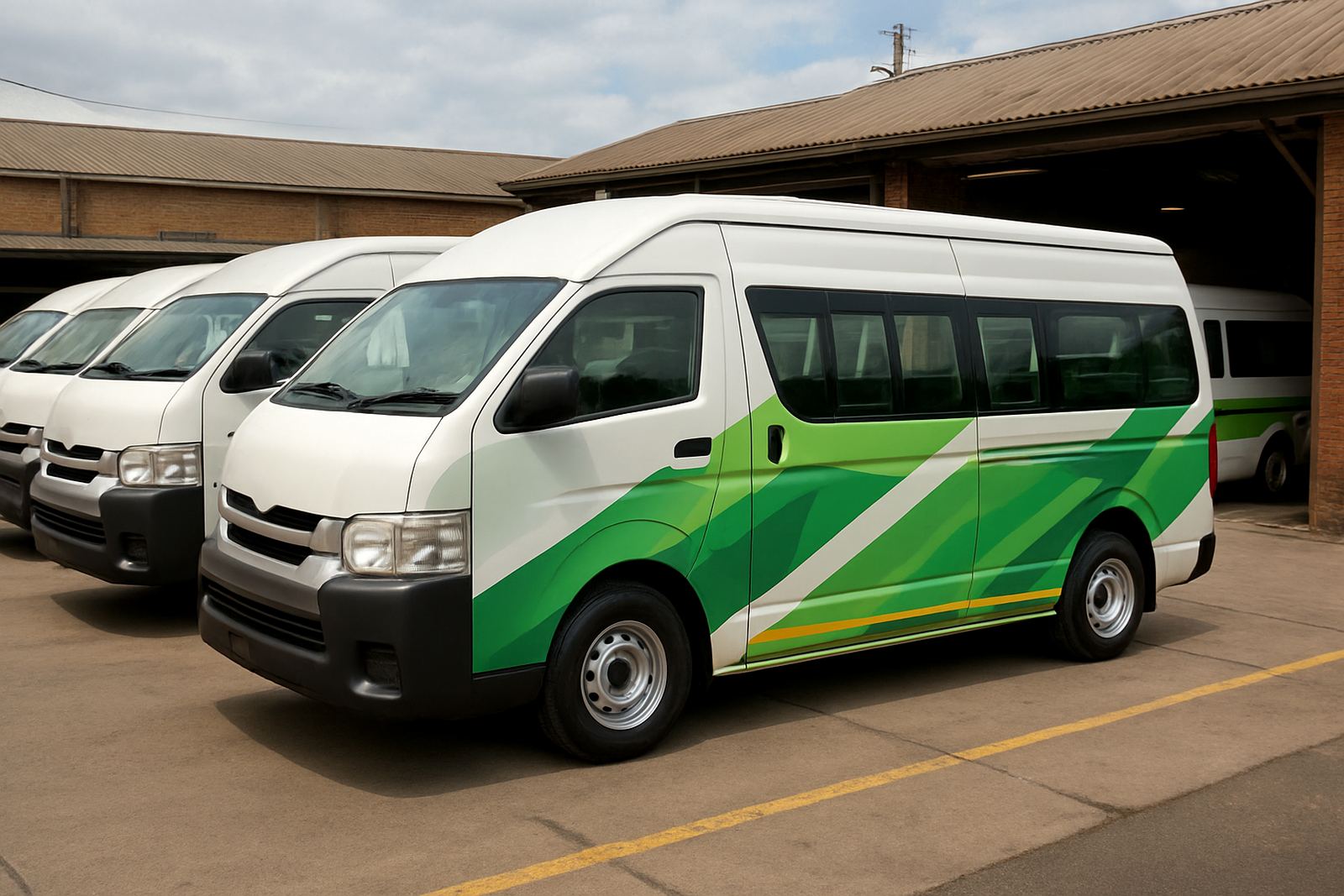
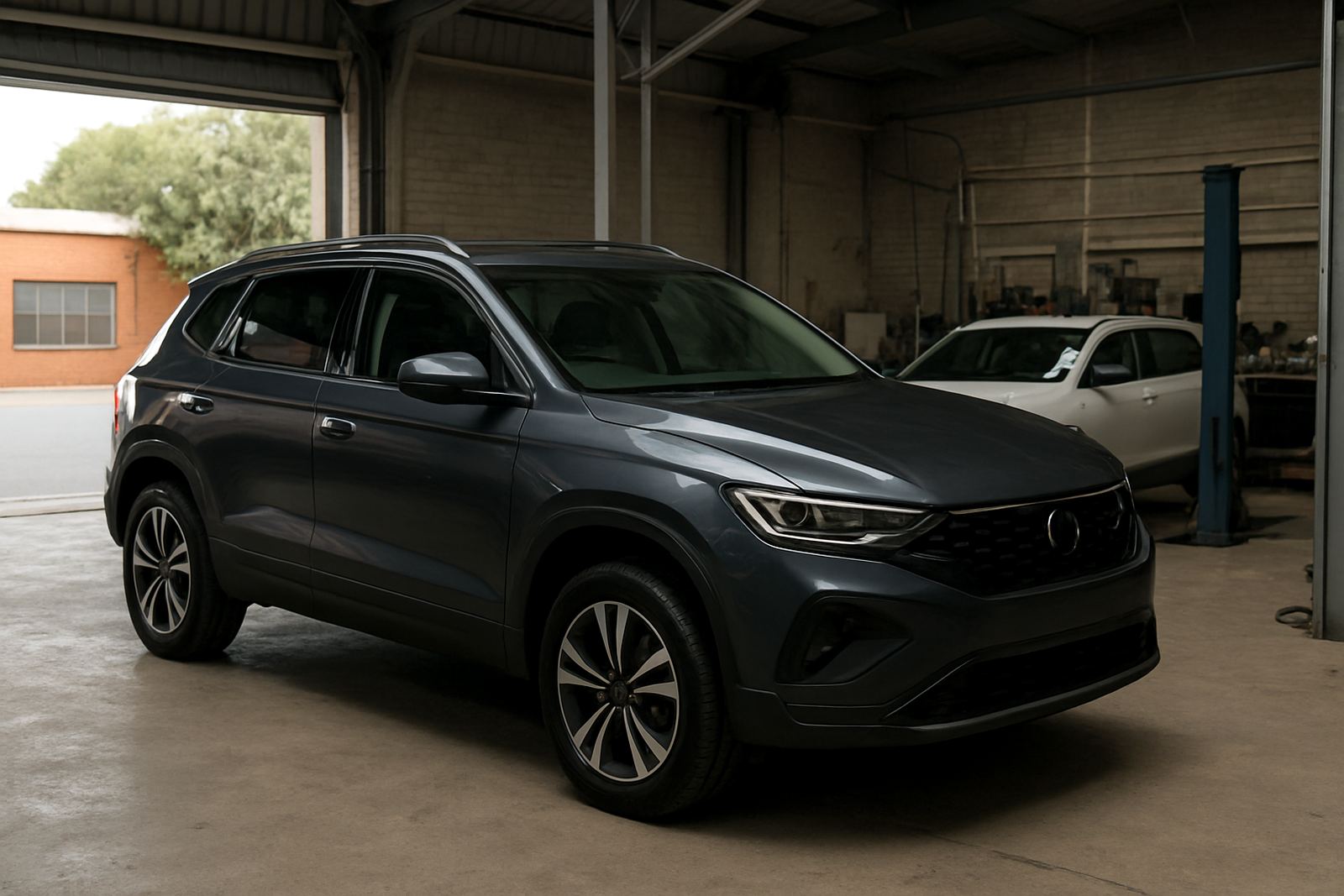
The brief came from a local security operator based in Roodepoort, with patrol cars working mixed day and night shifts across suburbs, access roads and estates. The client wanted vehicles that were easy to identify at a glance, but not overdone, and the finish had to suit a working fleet that sees hard braking, constant door use and plenty of washing. The main aim was simple: improve visibility without slowing the cars down in service.
Because the vehicles spend time in guarded parks, outside sites and in traffic, the graphics had to hold up in South African sun, winter cold and summer heat. We also had to allow for radio antennae, roof lights, decals on curved panels and the usual marks that come with rapid work. On this job the look had to be practical first, with neat lines that still read well from a distance.
- Client type: private security fleet
- Town: Roodepoort, Gauteng
- Use case: day and night patrol vehicles
- Priority: fast identification and long service life
Reflective Vinyl And Fleet Marking Spec
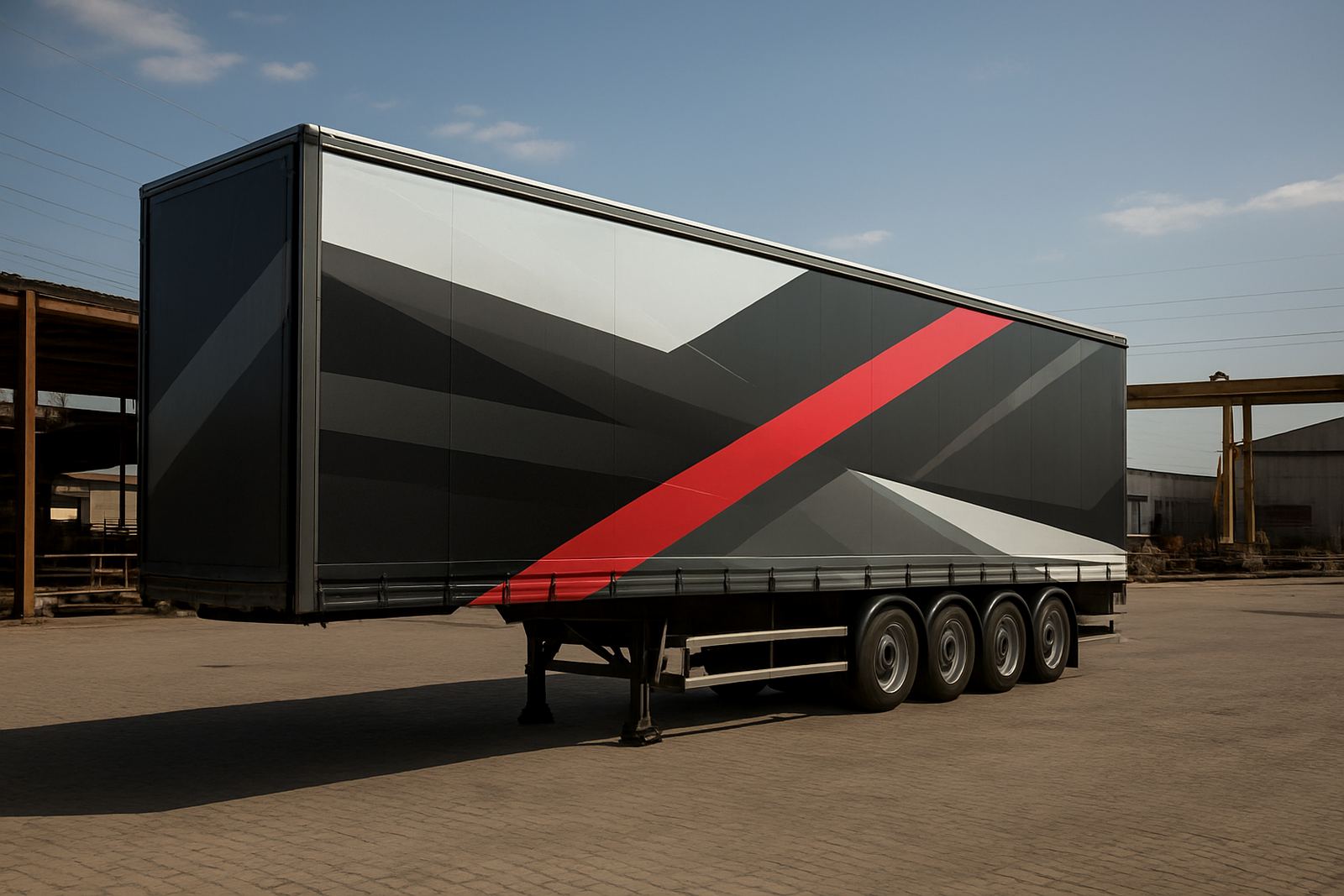
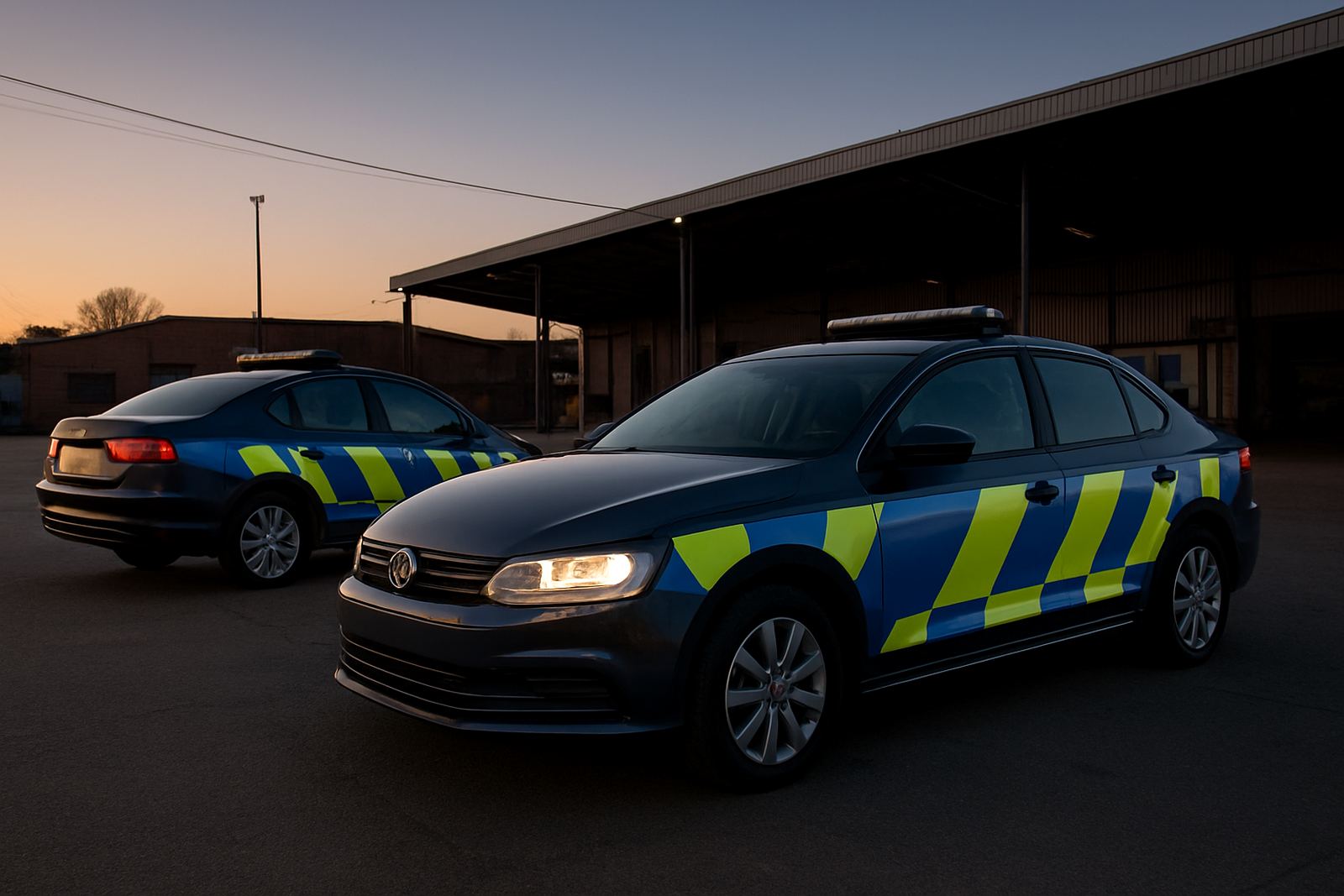
We proposed a reflective graphics package using cut vinyl for key markings and high-contrast panels on the doors, bonnet and rear quarters. The system was planned so the vehicles remain readable under street lighting and headlights, while keeping enough space for unit numbers and operational text. We also kept the layout straightforward for future replacements, since fleet work often means one car leaves and another comes in.
The materials were chosen for road use, regular washing and outdoor exposure. Because some of the cars were parked outside in the sun, we stayed away from anything that would lift early at edges or shrink around handles and bumper curves. We also prepared the surfaces properly, which matters more than people think when a car is being washed every few days and driven through dust and rain.
- Reflective vinyl for night visibility
- Cut lettering and panel marks for clean reading
- Fleet numbers and vehicle identification zones
- Weather-ready finish for daily patrol use
Preparation Before Any Vinyl Went On
Before fitting, we cleaned each vehicle thoroughly and removed wax, polish residue and road film from the panels. We paid close attention to the door edges, handle recesses, mirror bases and lower body sections where dirt tends to hide. On security cars, little things matter, because a lifted edge can catch in constant use and a dirty surface can shorten the life of the wrap. We also checked for previous stickers so there would be no ghosting under the new graphics.
The units were then mapped for fitting, especially where roof-mounted equipment, trims and badge lines could interrupt the artwork. That planning saved time once the installation started. It also helped us keep the layout consistent across the fleet, which is important when the vehicles work in shifts and must look like one team on the road. The prep stage took most of the care, and that is where a good result starts.
- Deep clean and degrease of all application areas
- Panel mapping around handles, trims and lights
- Removal of old decals and adhesive residue
- Consistency checks across the full fleet
Installation Across A Tight Two Week Window
The job was completed over a two week timeline, with vehicles booked in batches so the team could keep patrol cover running. We fitted the graphics in our Kya Sand base and coordinated around the client’s shift schedule to avoid long downtime. Where necessary, we worked on the units after hours and released them in small groups so the fleet could stay active.
During installation, the lead wrapper focused on alignment, edge finish and repeatability from car to car. The fleet coordinator kept the sequence moving and made sure the same numbering system carried through every vehicle. It was a straightforward project on paper, but fleet work always needs discipline. If one panel is slightly off, the whole line of cars starts to look untidy.
- Timeline: 2 weeks from sign-off to handover
- Install method: staged release of vehicles
- Work location: Kya Sand with fleet coordination for Roodepoort
- Output: matching patrol cars with consistent markings
Day And Night Visibility On The Road
Once the graphics were on, the difference was clear both in daylight and after dark. In the day, the cars carried a stronger security presence and were easier to identify from a distance. At night, the reflective areas picked up headlights and street lighting, which helped the units stand out in parking areas, side streets and gate approaches. That is where this kind of work pays for itself, because a patrol car should be seen before it arrives.
The client also wanted vehicles that still looked professional when parked outside homes and offices. The finish needed to be smart enough for client-facing work, not just high visibility. The result met both needs. The cars looked like part of one controlled operation, and the graphics supported fast recognition without making the vehicles appear cluttered or over-branded.
- Better identification in low light and at gates
- Cleaner fleet presence in daytime operations
- Consistent look across multiple patrol cars
- Suitable for both field use and client-facing work
What We Would Repeat On The Next Fleet Run
If we were doing this again, we would keep the same practical layout and the same batch-install method. That approach suits security fleets because it lets operations continue while the cars are upgraded. We would also keep the numbering system simple, with enough space for unit IDs, branch markings and any future compliance text that may be needed under local site rules. For a fleet that changes over time, simplicity is worth a lot.
We would also recommend a short aftercare routine from day one: gentle washing, no harsh chemicals on the reflective sections and an early check on edges after the first week. Security cars get used hard, so small checks help the graphics last longer. As with most fleet jobs, good prep, clear numbering and steady communication made the project work well from start to finish.
- Repeat the same layout for future vehicle additions
- Keep numbering clear for shift and dispatch use
- Use mild wash products only
- Inspect edges after the first few days of service
Key facts
| Project type | Reflective vehicle graphics for security patrol cars |
|---|---|
| Client location | Roodepoort, Gauteng |
| Timeline | 2 weeks |
| Core materials | Reflective vinyl, cut lettering, fleet markings |
| Work carried out | Design, surface prep, vinyl installation, aftercare support |
| Service base | Kya Sand, Johannesburg with wrap bays nationwide |