What a boot wrap does for your vehicle
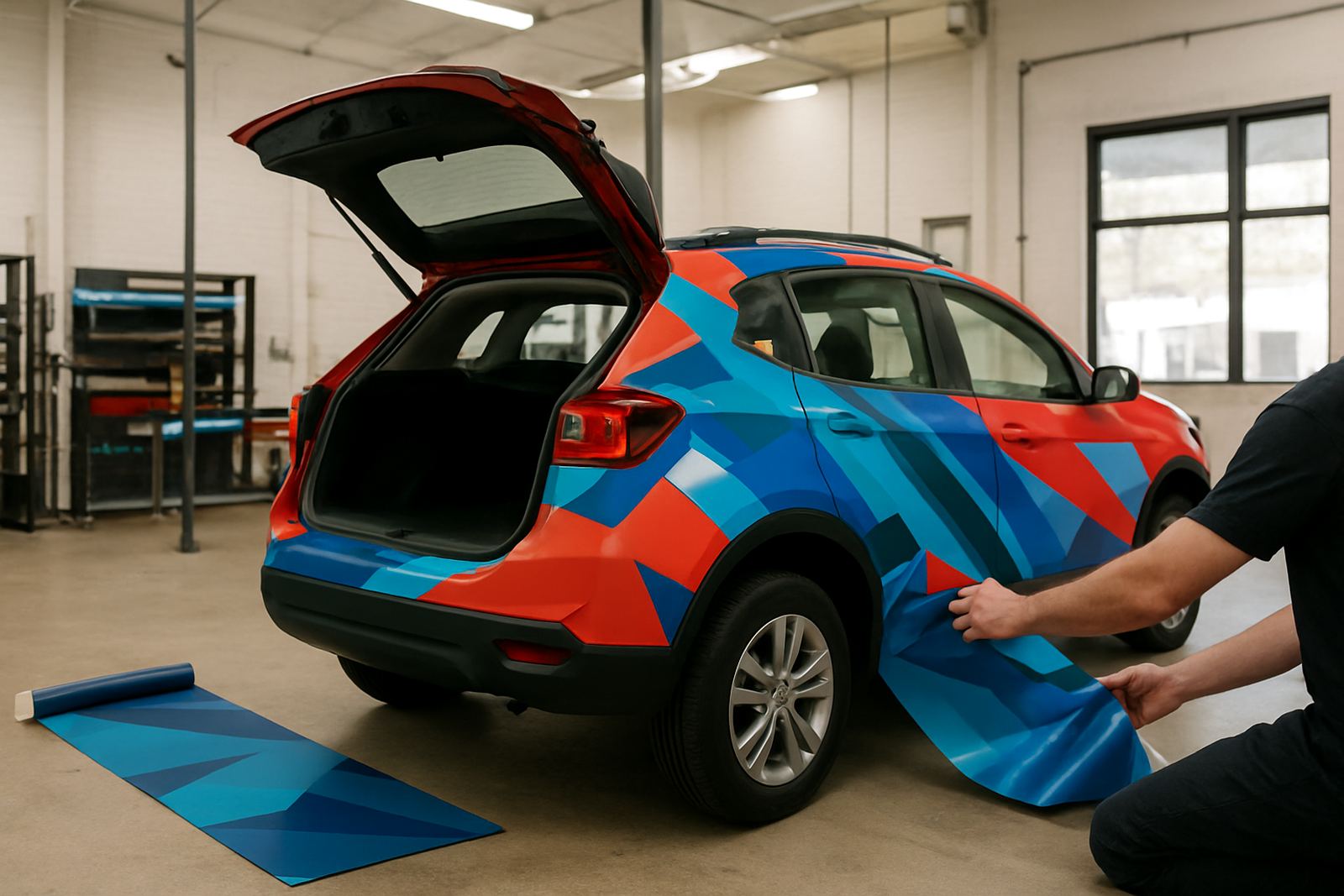
A boot wrap covers the rear section of a vehicle, usually the boot lid, tailgate or hatch area, with vinyl printed graphics or solid colour film. It is used to add brand details, improve rear-facing visibility, or bring the back of the vehicle into line with the rest of a full or partial wrap. On panel vans and SUVs, it can also tidy up older paintwork that has faded, scratched or not matched the vehicle body colour well.
For many businesses, the rear of the vehicle gets seen more than the sides. In queues, at robots and in parking areas, that tailgate panel can carry your name, contact details or a simple logo block that is easy to read from behind. For private owners, a boot wrap can add contrast, colour, or a custom finish without changing the whole vehicle. It is a practical option when you want impact without wrapping every panel.
Boot wrap sizes, panel options and finish choices
Boot wraps are not one fixed size. The right fit depends on the vehicle shape, whether the rear has chrome trims, camera housings, badging or a recessed number plate area, and whether the wrap is going over paint, gloss plastic or existing graphics. We measure the visible rear area and allow for edge returns, handles and panel breaks so the vinyl sits neatly and lasts properly.
- Partial boot wrap for one rear panel or a centre branding block
- Full tailgate wrap for complete rear coverage on hatchbacks and SUVs
- Boot strip wrap for logo, contact details or fleet numbering
- Printed wrap for branded artwork, gradients and high-visibility graphics
- Solid colour change film for a clean matched finish
Common finish choices include gloss, satin and matte. For commercial use, gloss usually gives the strongest colour pop, while satin and matte can hide minor surface marks better. If the rear of the vehicle is exposed to strong sun in Gauteng or coastal humidity in Durban, we usually recommend a film that is suitable for outdoor use and regular washdown. A decent vinyl should carry up well to local weather, not just look good on day one.
Where boot wraps suit best
Boot wraps work well on company cars, delivery vehicles, technicians' vans, panel vans, SUVs and bakkies with tailgate branding needs. They are also useful for vehicles that need rear identification from a distance, such as fleet units in depots, municipal service vehicles, hire vehicles and branded sales cars. If your vehicle spends time on the road in Sandton, Midrand, the East Rand or Pretoria, a rear-facing wrap gives you extra visibility without needing a full-body treatment.
They suit businesses that want to keep branding neat and practical. A boot wrap can carry a website, phone number, QR code, service line or simple logo and slogan without cluttering the rest of the vehicle. It also suits owners who are doing a partial refresh after repairs, or who want the rear to match a new front-end or side wrap. For vehicles with multiple drivers, a rear panel is often the easiest place to keep brand standards consistent.
- Ideal for rear-facing branding in traffic and parking areas
- Useful when only the tailgate needs visual balancing
- Works well with fleet numbering and asset identification
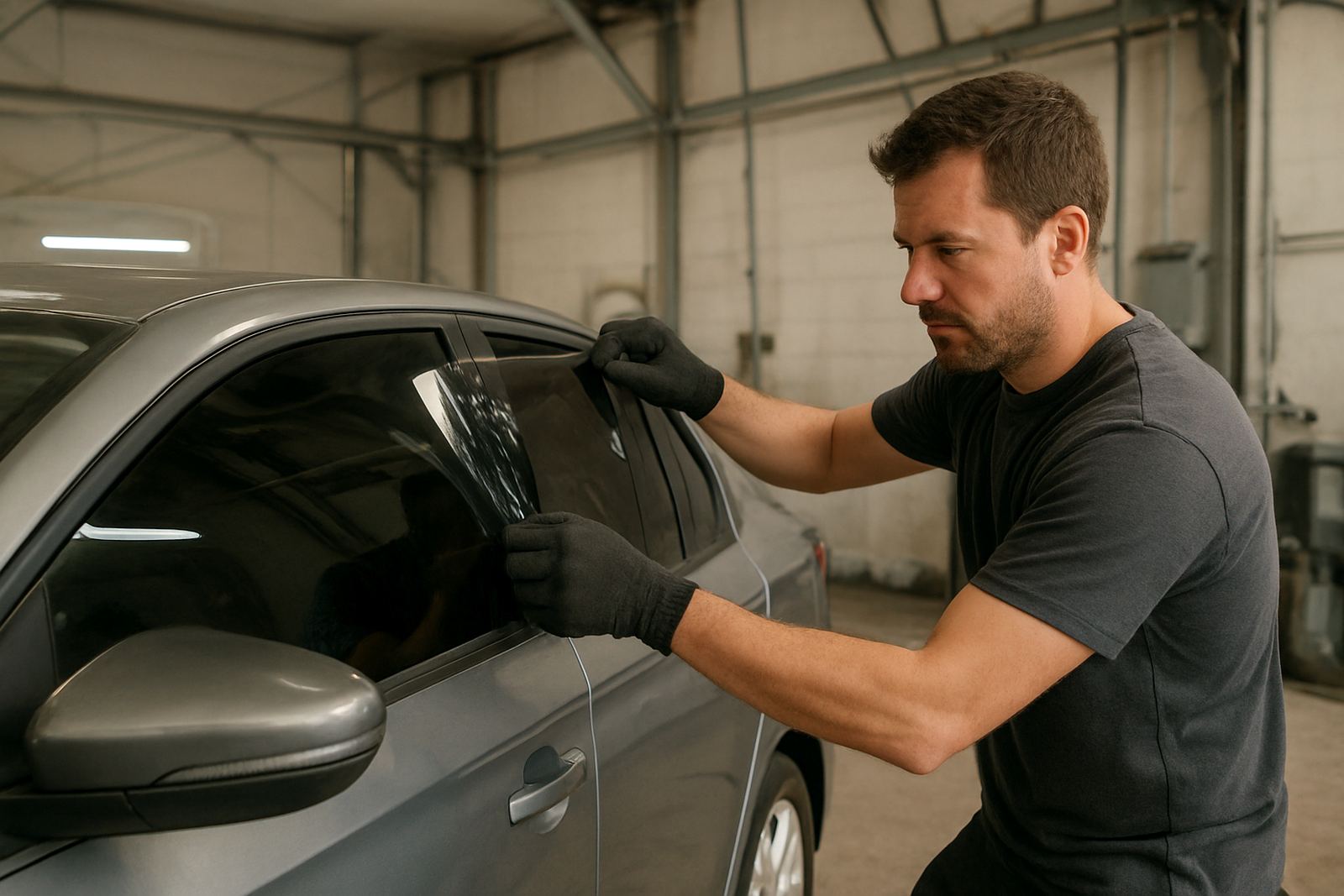
- Can be paired with side graphics, tinting or wheel refurbishment
Installation process and site requirements
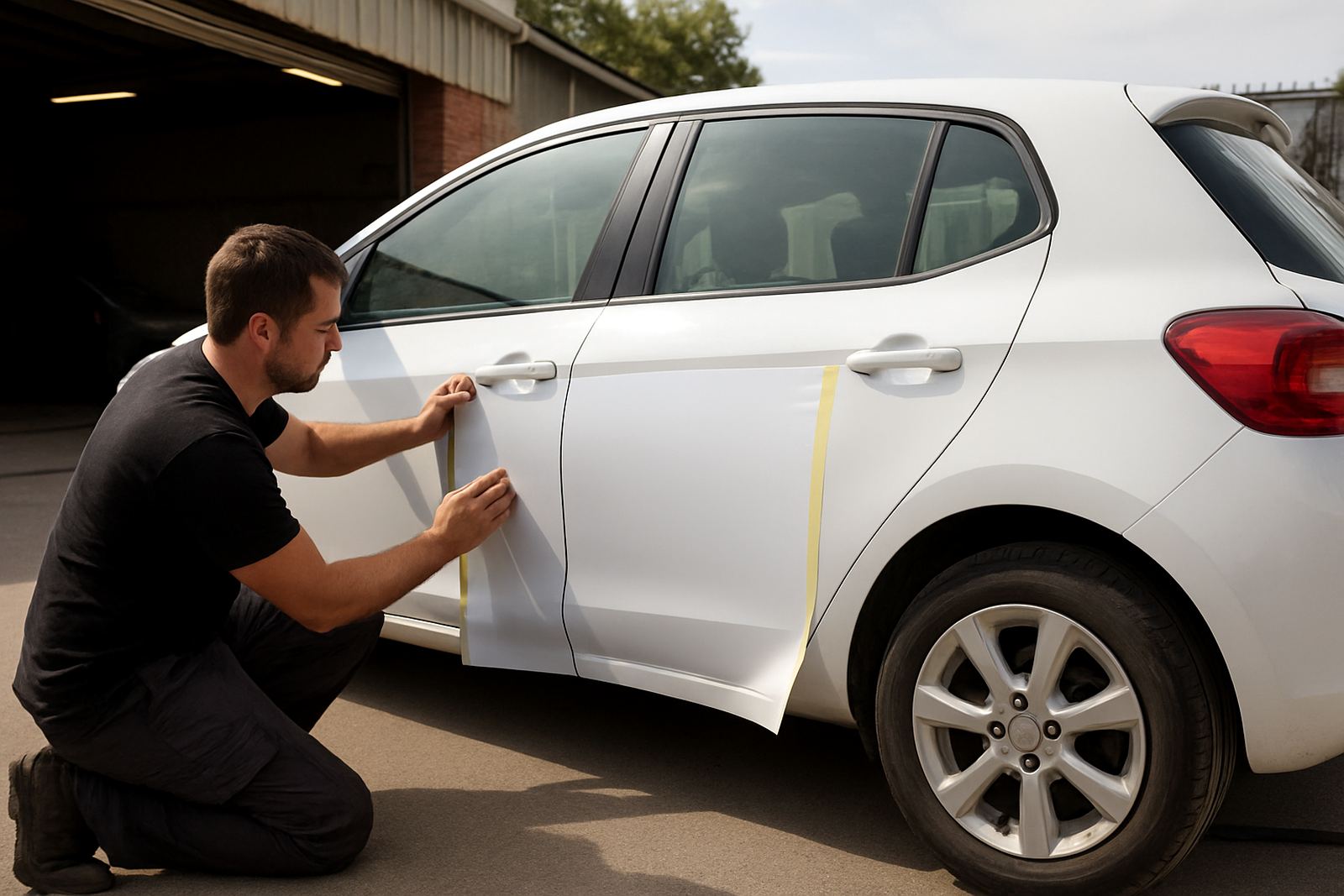
Installation starts with surface preparation. The rear panel is cleaned, decontaminated and checked for wax, polish residue, road tar and any old adhesive. If there are scratches, chipped paint or signs of panel repair, we flag those before fitting. The vinyl is then measured, aligned and installed with attention to handle recesses, badges and edges so the wrap stays tight and neat. On many vehicles, the rear badge area and plate recess need extra care because dirt collects there.
Most boot wrap jobs are done in a controlled wrap bay. No special power or gas supply is needed for the vehicle itself, but the workshop space must be clean, dry and dust managed. Good lighting matters, especially when matching edges on darker colours. If a vehicle is heavily soiled or has just come from bodywork, we may ask for a drying period before fitting. For fleet units, we can schedule installs around operating hours to limit down time and keep the vehicle on the road where possible.
Where a client has a working depot with shade and space, we can also plan fitment around dispatch timing. That helps when there are multiple vehicles to do and each unit needs to be back in service by the next shift. It saves time and keeps the job orderly, which is important when you are wrapping 5 or 50 vehicles.
Care, washing and servicing after fitment
A boot wrap needs normal care, not special treatment, but the first few days matter. After installation, the film should be left to settle before pressure washing or heavy scrubbing. Once cured, it can be washed by hand with mild car shampoo and a soft mitt. Avoid hard brushes, aggressive solvents and high-pressure nozzles aimed directly at edges or seams. On commercial vehicles, that small bit of care makes a real difference to the life of the wrap.
- Wait before washing after fitment, especially in cool or humid conditions
- Use mild soap and clean water, not harsh detergents
- Do not pick at lifted corners or badge edges
- Check for lifting after long highway trips or frequent pressure washing
- Book service if a panel has been scratched, bumped or repaired
If the vehicle is used for deliveries or site visits, it may pick up more tar and road grime on the rear panel than on the sides. That is normal. The wrap should be cleaned before it builds up too much. If the rear bumper or boot panel is repaired later, the wrap can often be removed and refitted, depending on the condition of the vinyl and the paint underneath. It is best to call early rather than try lift and save a damaged section later.
What to check before ordering a boot wrap
Before ordering, it helps to confirm the exact vehicle model, year and body shape, because the rear panel area can change between trims. Check whether the boot lid has gloss black trim, chrome strips, reversing sensors, cameras or badges that must remain visible. For fleet work, please supply your logo files, contact details and any brand rules so the artwork stays consistent across all units. If you need the wrap to match existing fleet markings, send a photo of the current vehicles in daylight.
It also helps to decide what the boot wrap must do. Is it for brand visibility, colour change, rear balancing or partial repair coverage? That choice affects the vinyl type, coverage area and cost. If you need the same finish on a group of vehicles, ask for one standard spec so the colour and layout stay aligned. For jobs that must pass road and municipal checks, make sure the number plate, lights and reflectors remain clear and legal. A wrap should never block safety items, even if the rear looks better with a full panel finish.
- Vehicle make, model, year and trim level
- Photos of the rear panel in daylight
- Artwork files or logo details for branding
- Colour finish required: gloss, satin or matte
- Any sensors, badges, cameras or plate recesses
- Desired timeline for one vehicle or a fleet batch
For a neat result, send the vehicle in clean condition and let us know if it has had repairs, resprays or panel replacement. That helps us plan the job properly and avoid delays. It also keeps the finished wrap looking consistent across the rear panel, not patchy or rushed.
Key facts
| Product | Boot wrap for boot lid, tailgate or rear hatch branding |
|---|---|
| Material | Outdoor-grade vinyl film with adhesive backing |
| Finish options | Gloss, satin, matte, printed graphics |
| Coverage | Partial rear panel to full tailgate wrap |
| Use cases | Fleet branding, rear visibility, colour change, repair coverage |
| Installation | Fitted in controlled wrap bay or approved site setup |