
What shuttle operators usually need on one vehicle
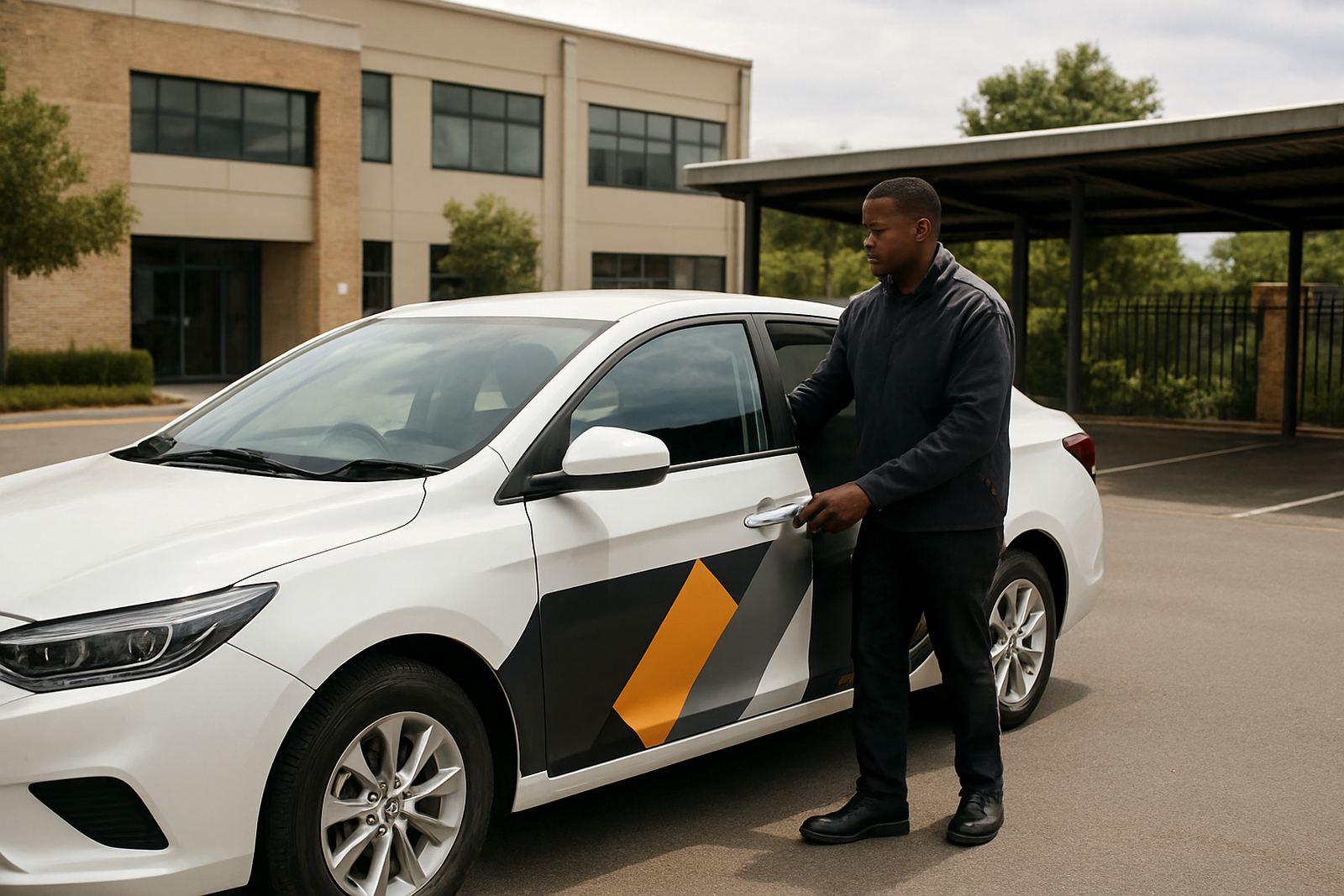
A shuttle is not treated the same as a private car. It gets more door use, more hand contact, more loading at kerbs, and more time in traffic where your branding has to read clearly at a glance. For staff transport, guest transfers and school groups, the usual brief is a clean exterior that carries the company name, contact details and route or service markers without turning the vehicle into a moving billboard.
Most shuttle projects start with a practical mix of vinyl graphics, tinting and protection. On newer vans and MPVs, a partial colour change or panel wrap is common where the original paint is a poor match for the brand. On older units, neat signage and tinted glass often give the biggest improvement for the lowest spend. For vehicles doing airport work or hospitality runs, a more premium finish is often chosen because passengers notice the condition of the car the moment the sliding door opens.
Typical equipment and materials for shuttle work include:
- Cast or polymeric vinyl for logos, contact details and panel graphics
- Solar control window film for rear glass and side windows
- Paint protection film on high contact areas like door edges and loading zones
- Interior trim wraps for grab handles, fascia panels and scuffed plastic parts
- Wheel refurbishment where the rims have curb rash or brake dust staining
For school transport, it is also worth keeping the finish easy to clean. Dust, fingerprints and rain marks show quickly on white and silver vehicles, especially in Gauteng traffic and near construction zones. A simple layout often looks better than trying to force too many colours onto one unit.
Tint choices that work for staff, guest and school transport
Window tinting is one of the most useful upgrades on shuttle vehicles. It helps with heat, reduces glare and keeps passengers more comfortable on long trips and in stop-start traffic. On KwaZulu-Natal coastal routes it also helps with humidity and salt air, while in Johannesburg it takes the edge off hot afternoons and lets the air-con work a bit easier.
We normally plan tint levels around the type of passengers and the legal limits for the vehicle class. School transport and people-moving fleets need careful selection so the vehicle still stays compliant and the driver keeps good visibility at night. A dark film on every window is not always the right answer. Sometimes a lighter solar film on the front side windows and a darker film on the rear is a better balance.
- Front side windows: often kept lighter for visibility and compliance
- Rear side windows and tail glass: darker film for privacy and heat reduction
- Windscreens: only where permitted and usually with a light band or approved film type
- Panoramic roof glass: useful on premium shuttles, but needs proper heat control
In practice, the best result comes from matching the tint to the route. A shuttle doing Sandton hotel transfers needs a different setup from one doing Midrand office runs or Pretoria school collections. The goal is comfort, not just darkness. A bad tint job can turn into a complaint at the gate, and then you are redoing it later.
Branding layouts that read well on the road
Shuttle branding has to be clear from a distance and still look neat when the vehicle is parked in a row. Most operators do well with large side logos, a readable phone number, a web address and one short service line. If the shuttle serves multiple uses, such as staff, guests and school groups, the wording should stay broad enough to cover all three without confusing the driver or client.
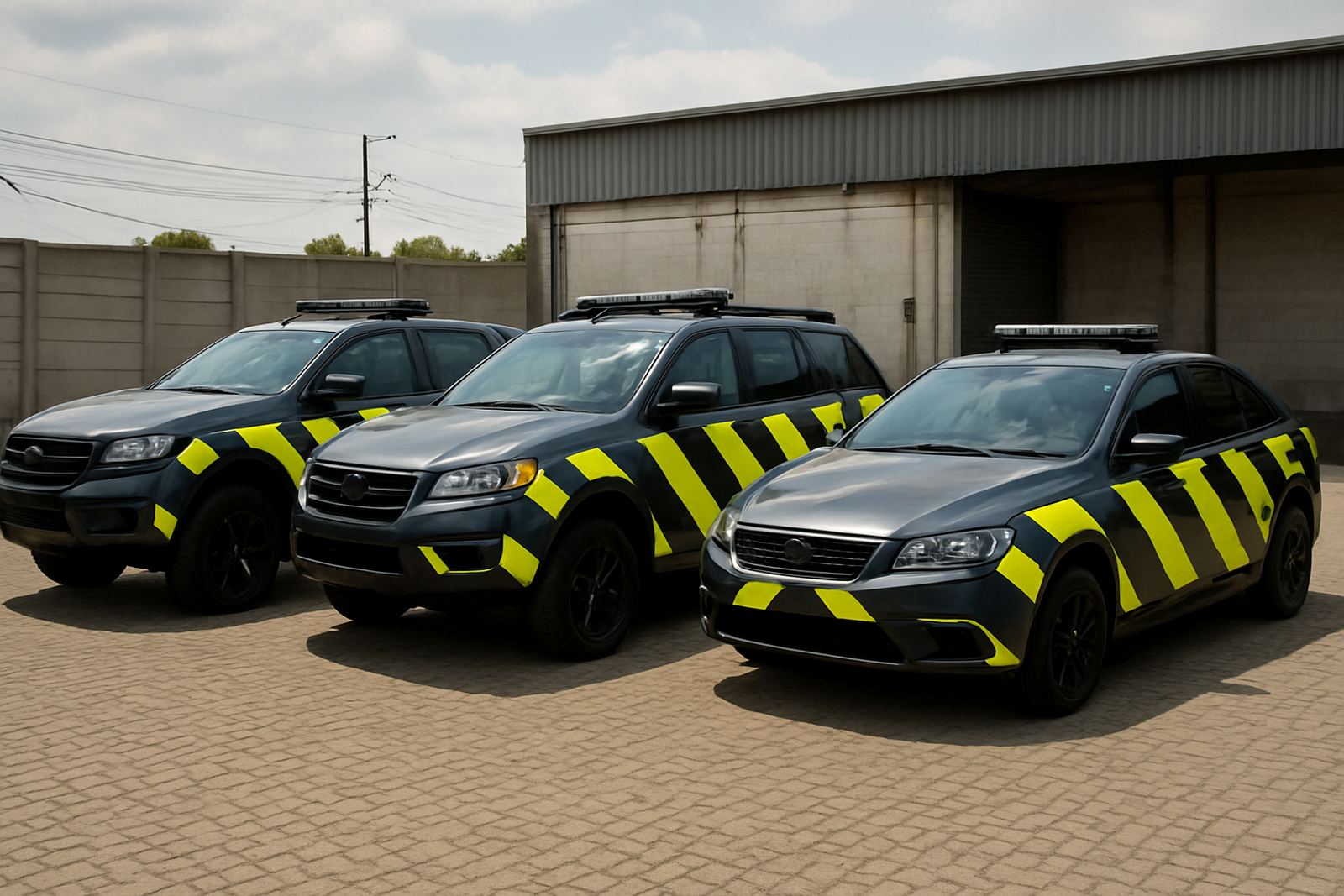
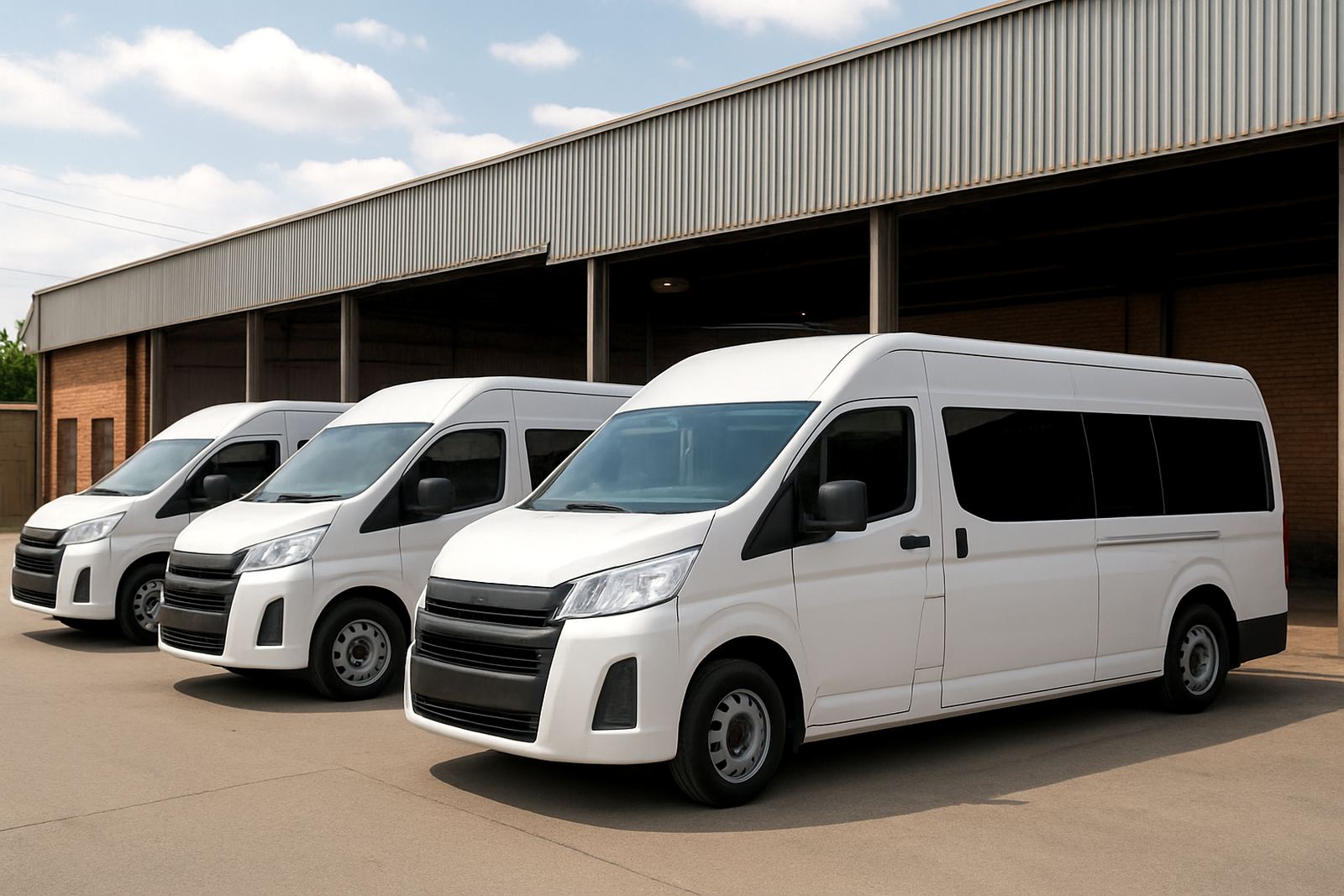
We plan the artwork around doors, windows, sliding panels and fuel flaps so nothing important gets cut off. On boxier vans there is good space for full side branding. On smaller MPVs, the windows and body lines need more care so the graphics do not look cramped. Fleet standard is important if you run 3 or more units because the vehicles should match even when they are different models.
Common layout advice includes:
- Keep the main logo high and visible above road spray
- Use one strong message rather than several small claims
- Leave safety markings, licence numbers and municipal stickers readable
- Use fleet numbers in the same position on every unit
- Match colours to the existing paint so the finish feels deliberate
For larger fleets in Gauteng, we also plan around downtime. If a vehicle is used every day, it may be better to split the work into two short visits than keep it off the road for too long. That matters for operators working on tight schedules with school times, airport pickups and office transfers.
Protection for high-use shuttle fleets
Shuttles wear faster than most people expect. Door handles get marked, loading edges get rubbed by bags, and wheels pick up kerb damage in tight drop-off bays. Paint protection film helps on the front bumper, leading bonnet edges, mirrors and sill areas where passengers step in and out. It is a sensible choice for new vehicles or for units that have to stay presentable all year.
Interior wraps are useful when the cabin plastics have already become scratched or sun-faded. A fresh wrap on trim sections can tidy up the inside without replacing panels. This is helpful for executive shuttles, hotel transfer vehicles and premium school transport where the inside impression matters as much as the outside.
Wheel refurbishment is also worth including if the unit runs on rougher roads or does many kerbside stops. A neat set of wheels makes the whole vehicle look cared for, even if the body graphics are simple. On some projects we also advise a wrap removal and rebrand cycle when the vehicle changes route or contract and the old message no longer fits.
Planning the job around operations and downtime
Most shuttle operators need a plan that works around actual shifts, not showroom timing. If you run one vehicle, losing it for a day can affect bookings. If you run a fleet from Kya Sand, Sandton, Midrand, the East Rand or Pretoria, the schedule needs to be staggered so the work fits around school peak hours and client pickups. For Durban units, moisture and coastal conditions need to be considered during application and curing time.
We normally look at the following before quoting:
- Vehicle type, age and paint condition
- How many windows need tint and how much glass area is exposed
- Whether the job is a full wrap, partial wrap or graphics only
- How many units must match for fleet consistency
- Whether the vehicle can stand for curing time after installation
Load-shedding can also affect production and handover timing, especially where heated curing, lighting or print preparation is involved. That is why it helps to book ahead and give the team clear dates. If the shuttle is due for service, panel beating or a licence renewal, it is often smart to line the branding up with that downtime so you are only off the road once.
Budget ranges for shuttle wrapping in Rand
Budgets depend on vehicle size, film choice and the amount of labour needed to prep the body. A simple branding job on one shuttle can be done cost-effectively, while a full wrap with tint and protection needs a bigger allowance. The condition of the paint matters too. If the body is chipped or badly oxidised, prep takes longer and the finish will show every flaw.
As a working guide, many shuttle operators budget around R3,500 to R9,500 for basic graphics and text branding, R4,500 to R12,000 for quality window tinting depending on glass area and film type, and R18,000 to R45,000 for larger vinyl wrap projects on vans or people movers. Paint protection film on selected impact areas may add R5,000 to R18,000, while wheel refurbishment is usually priced separately by size and condition. These are broad working ranges, but they help when planning a fleet refresh or a new contract launch.
If you are branding more than one unit, the per-vehicle cost often improves because the artwork setup is shared. That is useful for operators working from Sandton, Midrand or Pretoria who need consistent presentation across several routes. The key is to decide early whether you want a one-off appearance upgrade or a repeatable fleet standard that can be rolled out again later.