Built for fleets that need one clear standard
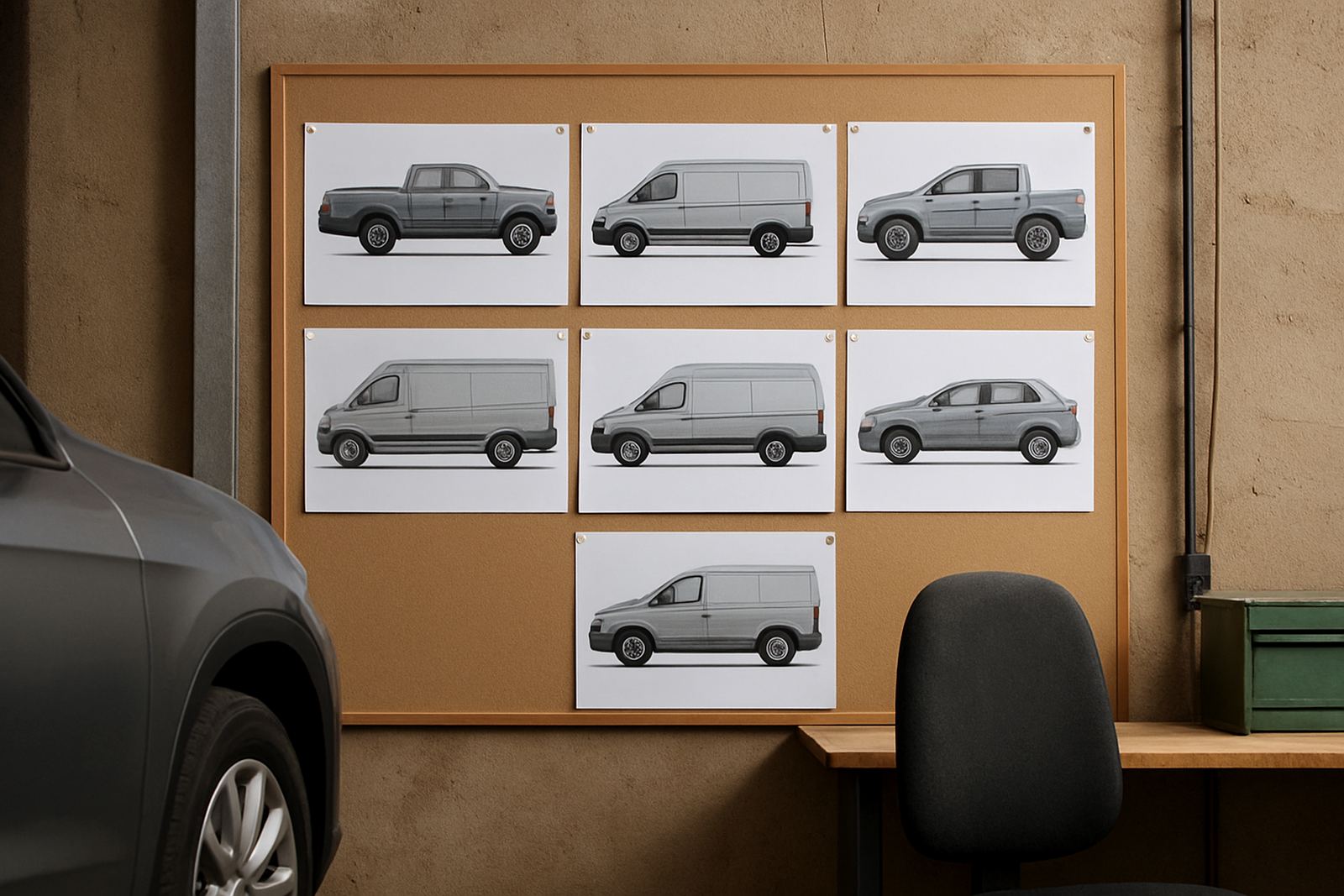
Fleet Brand Standard is the planning layer behind a tidy, repeatable fleet wrap. It sets the vinyl colours, logo placement, panel coverage, type sizes and finish levels before the first vehicle goes in bay, so your marketing team and operations team are working from the same rules. That matters when you have a mixed fleet, because a hatchback, double cab and long wheelbase panel van all carry branding differently.
We set the standard for businesses that run vehicles in Johannesburg, Sandton, Midrand, the East Rand, Pretoria and Durban, with wrap bays available nationwide. The aim is simple: every vehicle should look like part of the same operation, even when the body shape changes or the branch address shifts.
- Same logo position across each vehicle class
- Approved colour references for print and vinyl
- Scaled artwork for bakkies, vans, SUVs and cars
- Branch or department naming matched to each unit
What is included in the fleet standard pack
The service starts with a brand audit of your current vehicles and any existing signage, then moves into a practical standard pack. We define the fitment zones, visible areas, safe edges around handles and curves, and where not to place text because of door seams, fuel caps or sensors. For coastal fleets, we can also recommend material choices that handle humidity and salt air better over time.
The pack normally includes the items below, and we can adapt it for a small run of 3 vehicles or a full fleet of 100 plus units. If your company changes vehicles often, we build the standard so new additions can slot in with less back-and-forth.
- Artwork layout for each vehicle type
- Vinyl colour schedule and finish notes
- Panel map showing logo and text positions
- Fitment notes for mirrors, trims and curves
- Rules for branch numbers, contact details and QR use
- Maintenance guidance for wash intervals and touch points
How the rollout process works
We keep the process practical and fairly tight. Candice Petersen, our Artwork and Production Lead, prepares the layout standard, and Ayanda Mabena coordinates fleet timing so units do not sit waiting for approval. If there are multiple branches, we can group fitment by area to reduce downtime and transport costs.
Most fleets move through these steps: first we confirm vehicle makes, model years and body sizes. Then we measure each body style, approve the artwork standard and issue a fitment schedule. Once the standard is signed off, production and installation can move branch by branch. Load shedding is planned around as well, so prep and installation windows are set with power backup in mind.
- Step 1: vehicle register and brand brief
- Step 2: measure body styles and set layouts
- Step 3: confirm colours, finishes and approvals
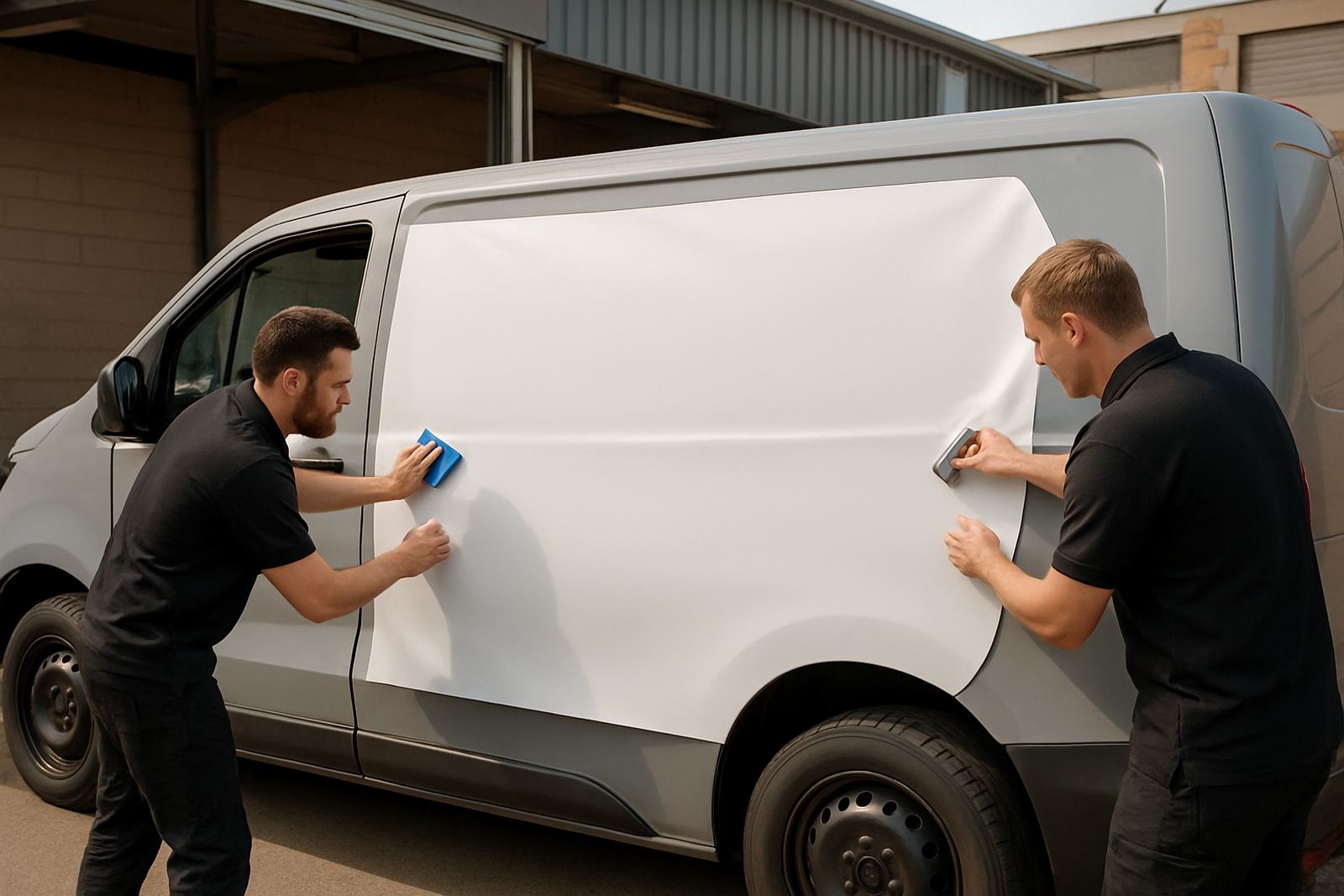
- Step 4: print, prep and install by scheduled batch
- Step 5: handover check, photos and aftercare notes
Turnaround times for mixed vehicle groups
Turnaround depends on the size of the run, the amount of coverage and how many body styles are in the batch. A simple branding standard for a small fleet can often be approved quickly, while a larger rollout with several branch variations needs more time for measurements and proofs. We do not rush the artwork stage, because fixing a mismatch after printing costs more than getting it right first time.
As a guide, a standard pack for a small fleet may be completed in a few working days once vehicle details are received. Installation timing then depends on bay availability and the number of fitment teams involved. For national fleets, we can stage the work across branch windows so vehicles stay on the road and the rollout stays manageable.
Pricing approach for fleet standards and fitment
Pricing is based on scope, not guesswork. We look at the number of vehicles, the number of body styles, whether the job is partial branding or full wrap coverage, and whether the same standard will be deployed across multiple branches. That means a fleet with 12 identical sedans will be priced differently from a mixed line-up of vans, bakkies and trailers.
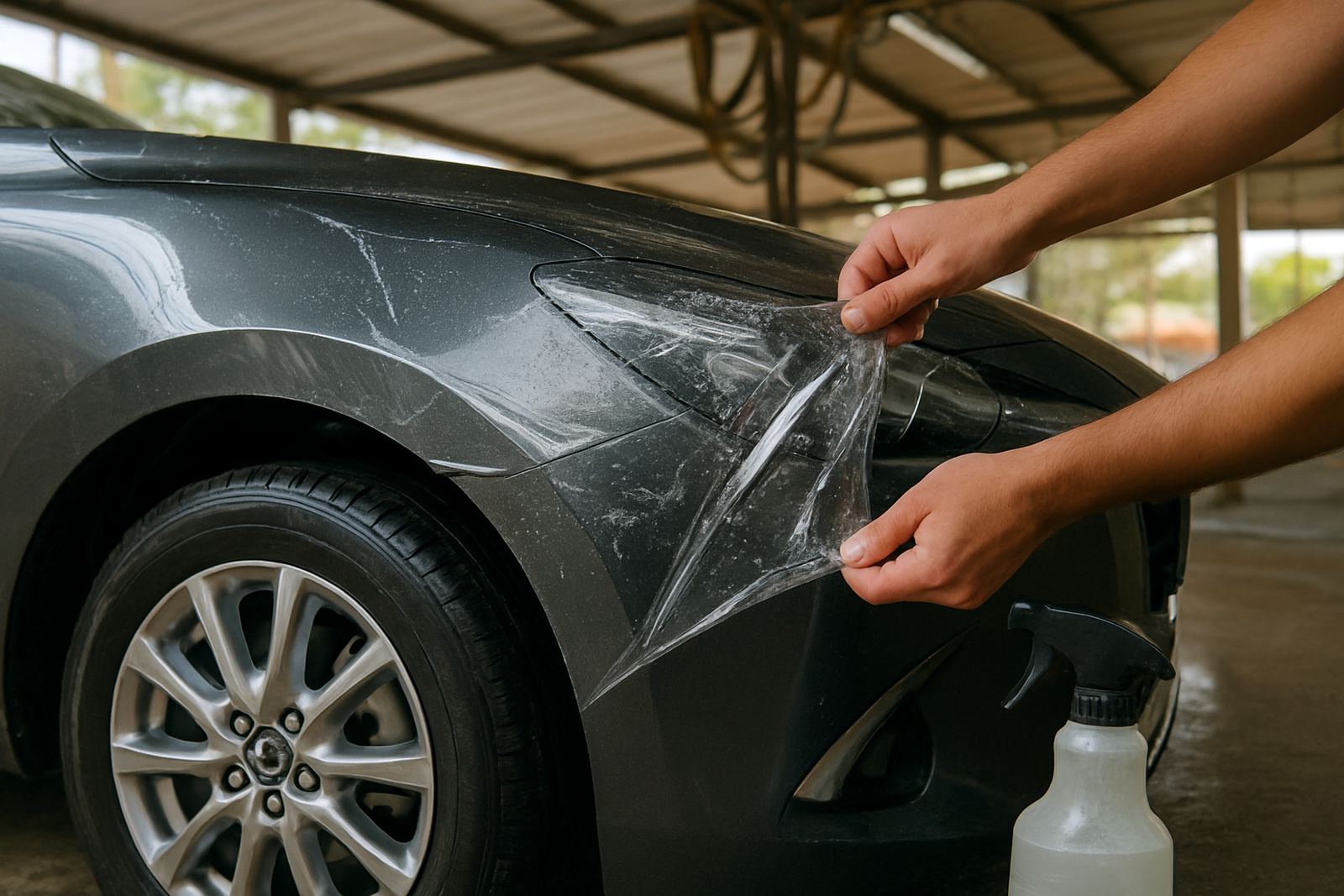
For budgeting, we break the work into design standard, production materials, installation labour and any special items such as reflective vinyl, paint-protection film on high wear areas, or removal of old graphics. This gives fleet managers a clear view of where the Rand is going before approval. If you need phased rollout, we can price per unit or per branch, which helps when budgets are released in stages.
- Pricing by vehicle count and body style mix
- Separate line items for design, print and installation
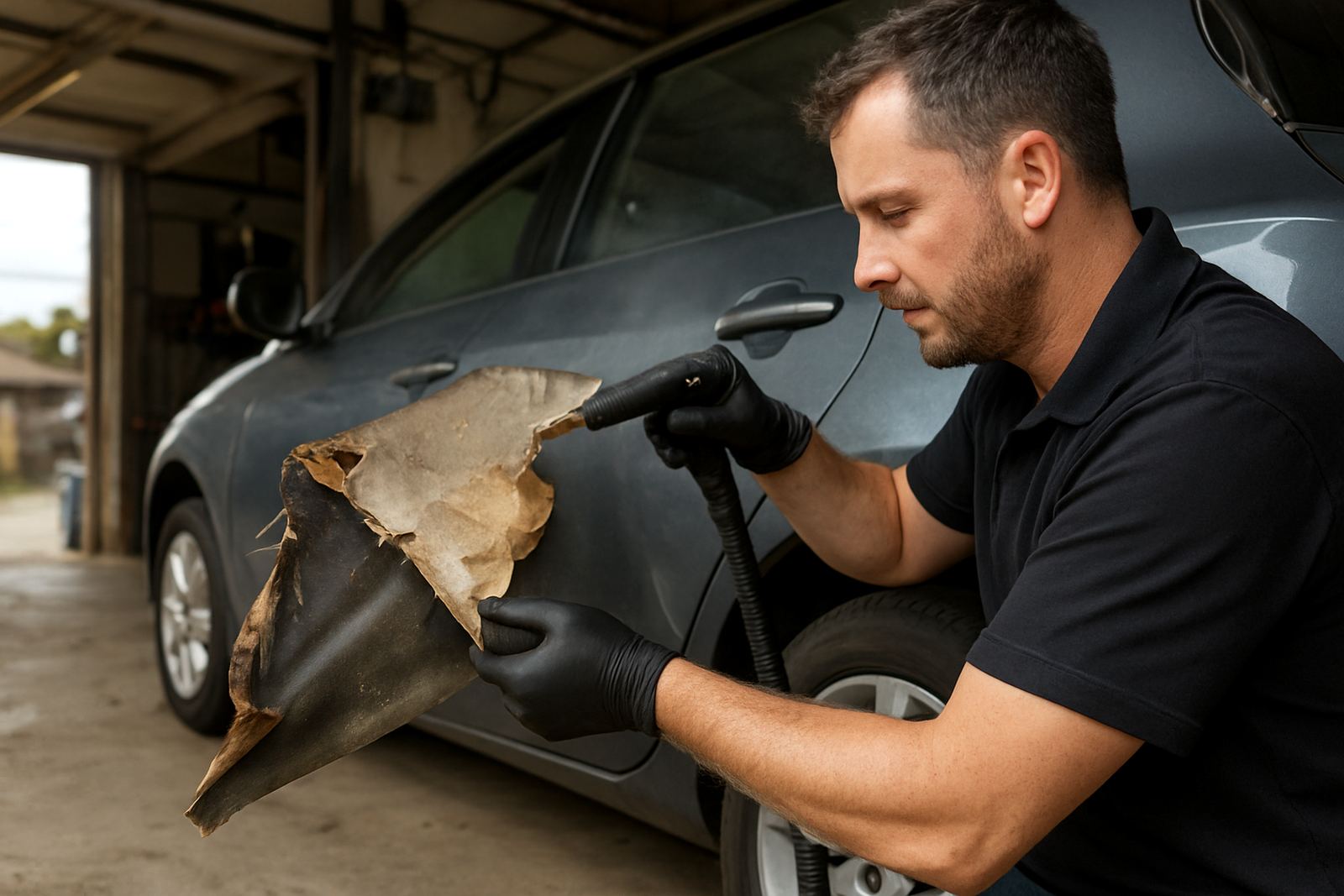
- Optional removal of old branding
- Quoted maintenance or rework items where needed
Maintenance intervals and daily care
Good fleet branding needs a bit of routine care. We normally recommend a wash check every 2 weeks for high-use vehicles, or every 4 weeks for lighter-use units, especially where dust, road film and tar build up quickly. After installation, adhesive and edge sealing settle best when vehicles are left dry and not pressure washed too close to the edge for the first few days.
For vehicles working near the coast, monthly checks for lifting edges and grime around seams are worth doing. In inland conditions, the main issue is usually abrasion from frequent washing and loading. If a vehicle is used on construction sites or in heavy traffic, it is worth scheduling a visual inspection every quarter so small issues are caught before they spread.
- First 7 days: avoid harsh washing and high pressure at edges
- Every 2 weeks: wash and inspect visible panels
- Every 3 months: check seams, corners and high wear zones
- Every 12 months: review whether any panels need reprint or refresh
Why fleet standards save time later
A clear fleet standard reduces mistakes when new vehicles are added, a branch changes details or a leased unit is swapped out. It also helps when drivers move between depots, because the vehicle always presents the same company image. That consistency matters to customers who see the fleet on the road every day, and it makes reordering faster when you need another van in a hurry.
Auto Wrap SA is based in Kya Sand, Johannesburg, with support for Sandton, Midrand, East Rand, Pretoria and Durban service areas. Sibusiso Nkosi and the team work with businesses that want order, repeatability and a proper fit for South African conditions, not a one-size-fits-all template. If your fleet is growing or changing, we can set the standard now so the next 10 vehicles match the first 10 without guesswork.
Key facts
| Service | Fleet Brand Standard |
|---|---|
| Base | Kya Sand, Johannesburg |
| Coverage | Nationwide wrap bays and branch rollouts |
| Vehicle types | Cars, SUVs, bakkies, panel vans, trailers and mixed fleets |
| Typical finish options | Gloss, matte, satin and printed colour matched vinyl |
| Care cycle | 2 weekly wash checks, quarterly inspections, annual refresh review |