
Courier fleet brief for a busy Midrand operator
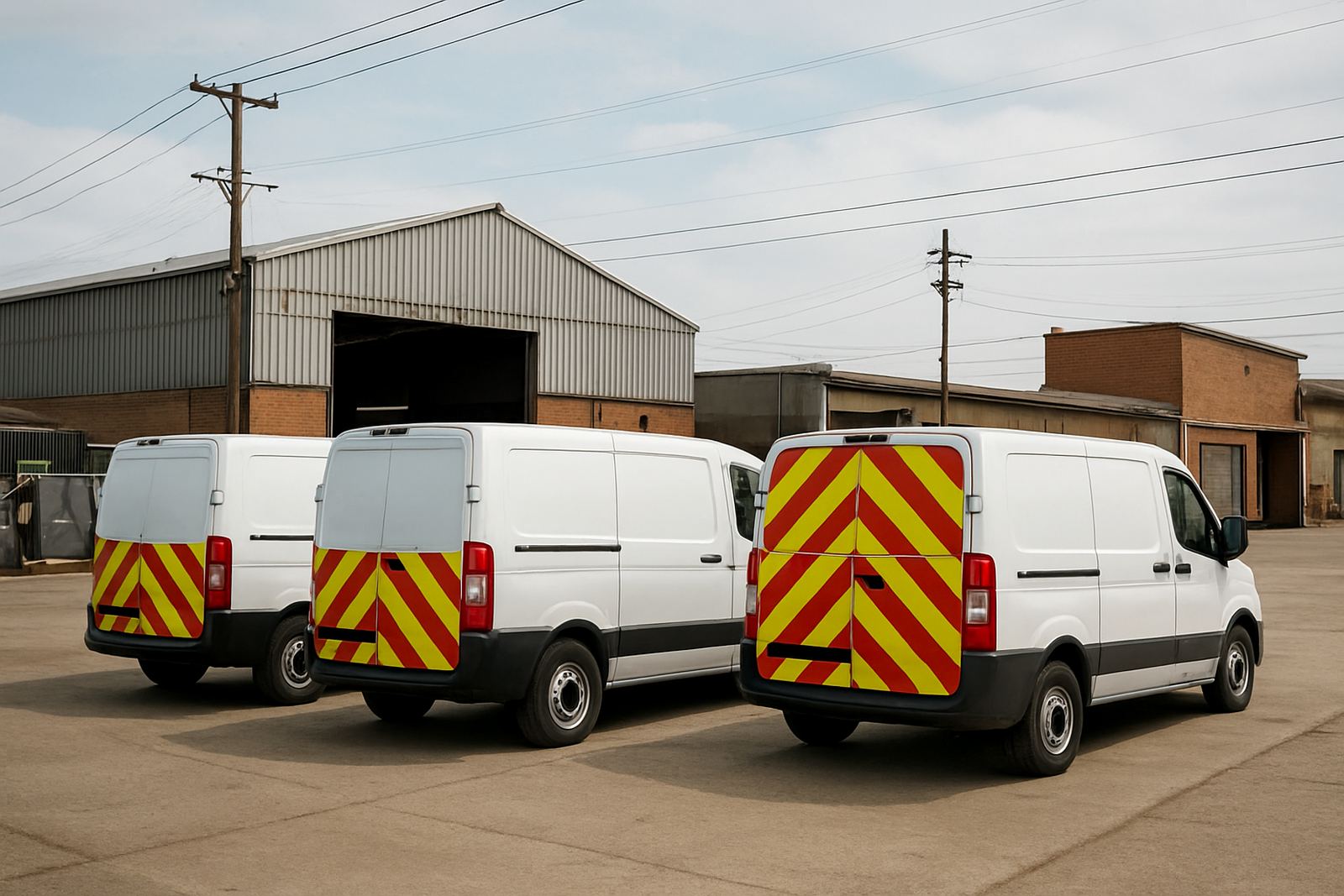
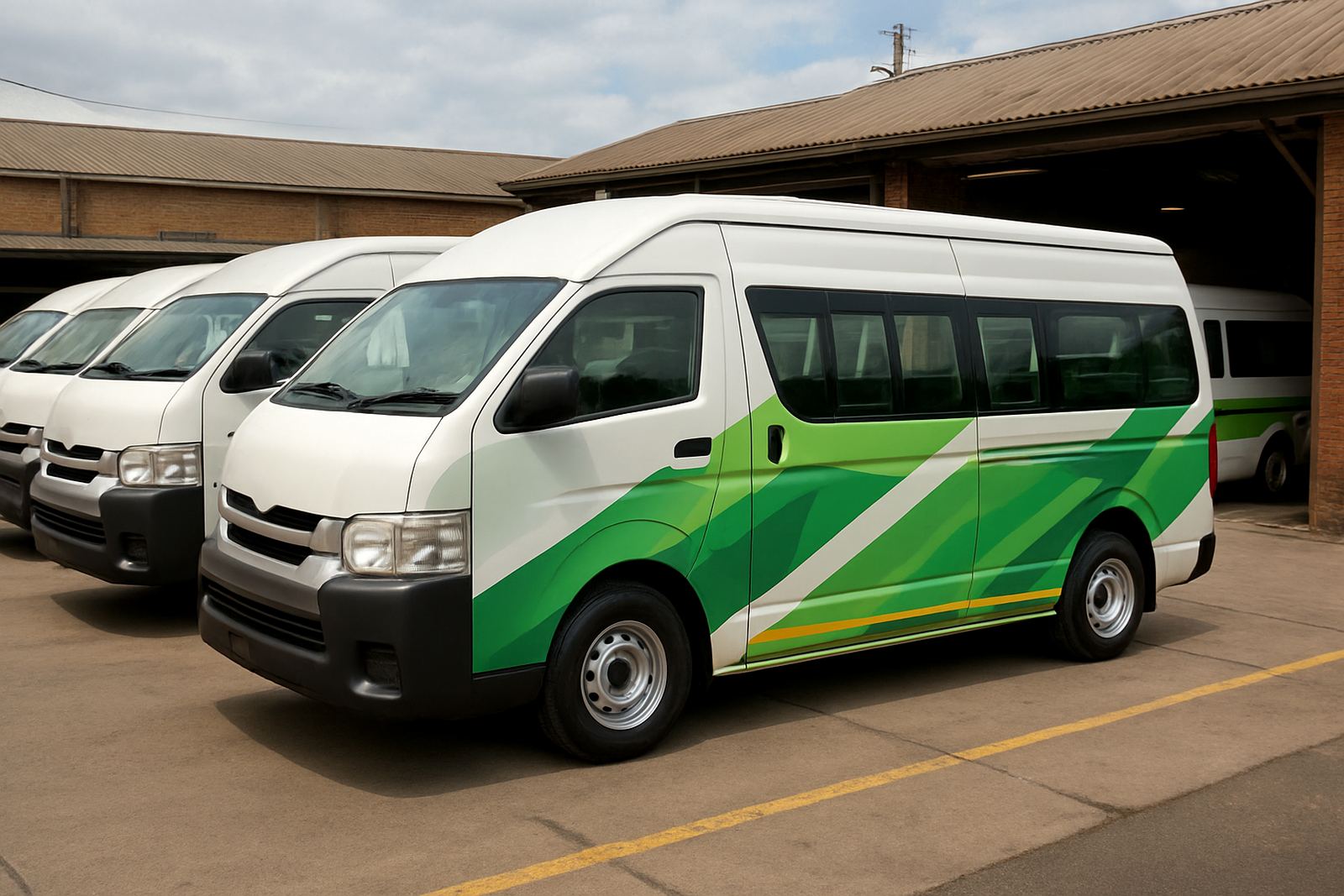
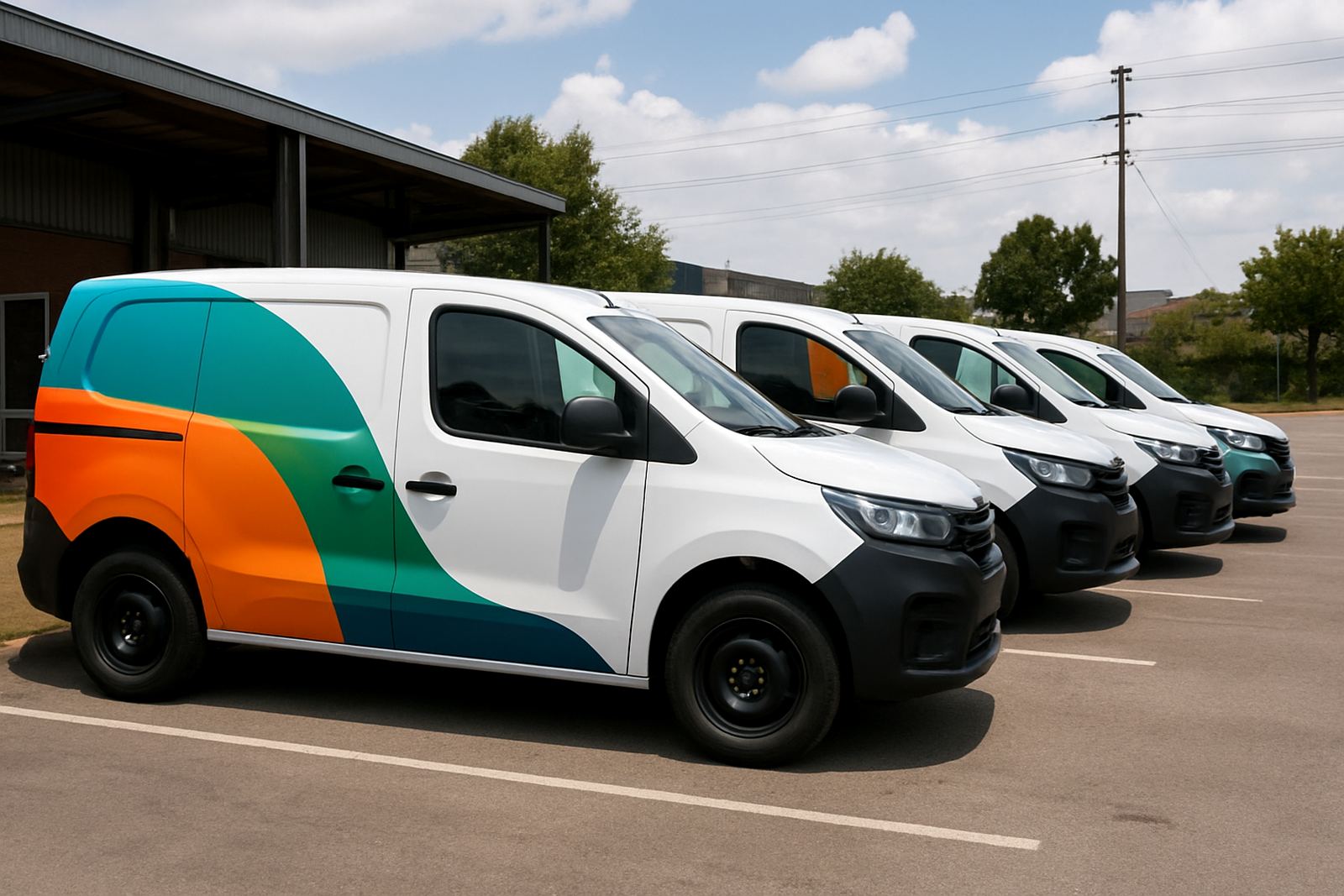
The client was a regional courier operator running a daily delivery schedule from Midrand into surrounding business parks, estates and industrial nodes. Their vans were clocking up heavy mileage, so the brief was simple: make the fleet look consistent, keep the branding clear from a distance, and protect the panels that take the most wear from loading bays, road grime and constant door use.
They also needed a practical finish that could cope with Gauteng sun, frequent washing and the stop start demands of parcel work. The vans had to stay in service, so we planned the rollout in batches and worked around dispatch times to limit downtime.
- Client type: regional courier operator
- Location: Midrand, Gauteng
- Vehicle type: mixed courier van fleet
- Focus: branding, protection and day to day durability
What had to work before the first van went in
The main constraint was time. The operator needed the first vehicles back quickly, then the balance of the fleet had to follow without disrupting delivery runs. We also had to match a consistent fleet standard across vans that were not all the same age or trim level, which meant measuring each unit carefully before production.
There were a few practical issues too. Some panels had existing stone chips and light scuffs, and the vehicles were exposed to dust from yard movement as well as regular highway running. We made sure surface prep was thorough, because poor prep shows up fast on commercial vehicles and that is not worth the risk.
- Fast turnaround on a staged schedule
- Mixed van models with different panel layouts
- Existing wear on high-contact areas
- Need for strong visibility from traffic and depot yards
Vinyl colour change and courier graphics package
We supplied a full graphics package with high-visibility branding, unit numbering, service information and clean panel alignment for the vans side profiles and rear doors. Where the fleet needed a uniform look, we used a controlled vinyl colour change on selected body sections so the vehicles carried the same visual language across the batch.
The production team set up the artwork for repeatability, which matters when you are handling several vehicles at once. Fonts, logo placement and door markings were all standardised so each van could be identified easily by clients, security gates and depot staff. That saves time for the drivers too.
- Full vinyl branding on side and rear panels
- Standardised fleet numbering
- Door markings sized for quick reading
- Colour matched production across the batch
Protection for panels, glass and daily use
Because courier vans see a lot of loading activity, we added paint-protection film to the higher wear zones, especially leading edges, door areas and other spots that pick up scuffs from bags, parcels and hand contact. The film gives the paint a better chance against chips and rubbing, which is useful on vehicles that spend most of the week in motion.
We also carried out window tinting where permitted and specified for the fleet, helping reduce glare and heat build-up in the cab. On the interior side, we refreshed selected trim areas with durable wrap finishes that were easy to clean. It sounds small, but for drivers who spend hours in the cab, a tidy interior makes a difference.
- Paint-protection film on high-wear areas
- Window tinting for glare and heat control
- Interior wrap finishes for easier cleaning
- Materials chosen for commercial vehicle use
How the batch was managed in weeks, not months
The job moved from sign-off to installation in three weeks. Week one covered artwork finalisation, measurements and production approval. Week two focused on material prep, surface preparation and the first van installations. Week three completed the remaining units, quality checks and handover notes for aftercare.
That kind of programme only works when everyone stays aligned. Our fleet projects coordinator kept the schedule moving, while the lead wrapper and production team checked fitment and finish on every van before release. The result was a consistent batch with no hold-ups to the courier timetable.
- Week 1: measurements, artwork and approval
- Week 2: production and first installations
- Week 3: remaining units, checks and handover
- Each van inspected before release
Results on the road and what we would repeat
The finished fleet gave the operator a sharper public face in Midrand and beyond. The vans were easier to spot in traffic, easier to identify at customer sites and more consistent across the fleet. Protection films and correct prep should also help reduce day to day wear on the sections that take the most punishment.
If we were doing the same project again, we would keep the staged rollout exactly the same and allow the same level of pre-production checking for each vehicle. For courier fleets, that planning saves time, reduces rework and keeps drivers moving. The small detail work matters here more than people think, specially when the vans are covering long routes every day.
For operators with mixed vehicle ages, we would again recommend starting with a fleet standard sheet before production begins. It keeps branding consistent, makes future additions easier and helps everyone know what the finished vehicle should look like from day one.
Key facts
| Client type | Regional courier operator |
|---|---|
| Town | Midrand, Gauteng |
| Project duration | 3 weeks from approval to handover |
| Scope | Vinyl branding, colour change sections, PPF, tinting, interior wraps |
| Fleet size | Multiple courier vans |
| Base | Auto Wrap SA, Kya Sand, Johannesburg |
| Contact | Contact form |