
Why One Vehicle Can Carry a Big Message
For many small South African businesses, the first branded vehicle is not about looking fancy. It is about being recognisable when you arrive at a customer’s home, workshop, office park or building site. A neat wrap on one bakkie or panel van tells people who you are before you step out, and that matters when trust is still being built.
In Johannesburg, where a vehicle may be seen in Kya Sand at 7am, then Sandton at noon and Midrand by late afternoon, every kilometre counts. A clear business name, phone number and service description can turn normal travel into repeat exposure. Even one or two vehicles can create the feeling that your team is established and active, not just passing through.
What Should Go On the Wrap First
Small businesses often try to fit too much onto the side panels. The better approach is to keep the message simple and readable from a distance. People usually see a vehicle quickly, often while it is moving or parked briefly. That means the main details should be easy to read in a few seconds.
- Business name in strong, clear lettering
- What you do, in plain language
- Phone number or email address
- Area served, such as Johannesburg North, Midrand or the East Rand
- Website or booking contact if space allows
For a plumber, electrician, caterer or mobile service provider, the wrap should answer one basic question: what do you do and how do I contact you? If the answer is hidden in small text, the vehicle is not pulling its weight.
Colour Choices That Work on South African Roads
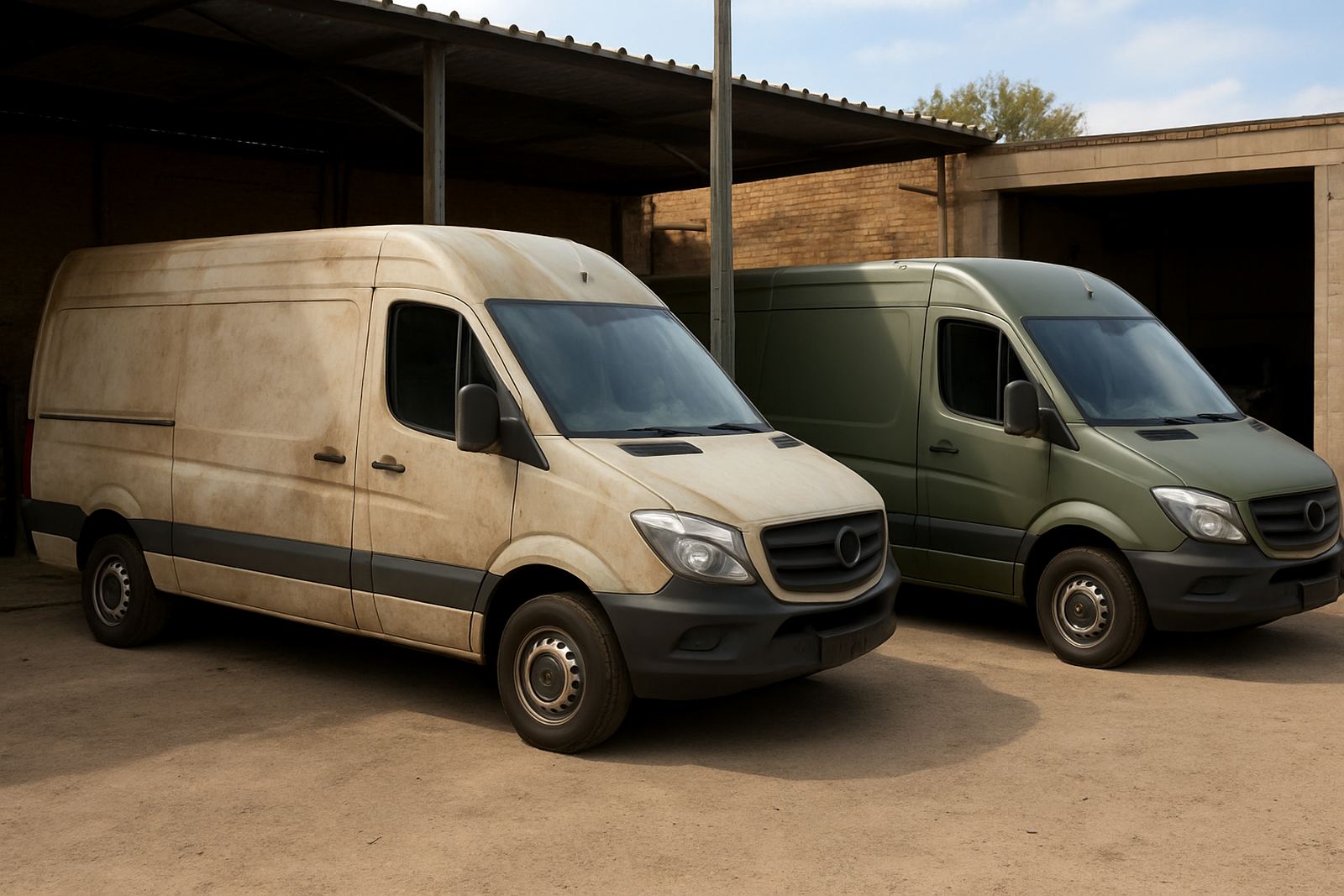
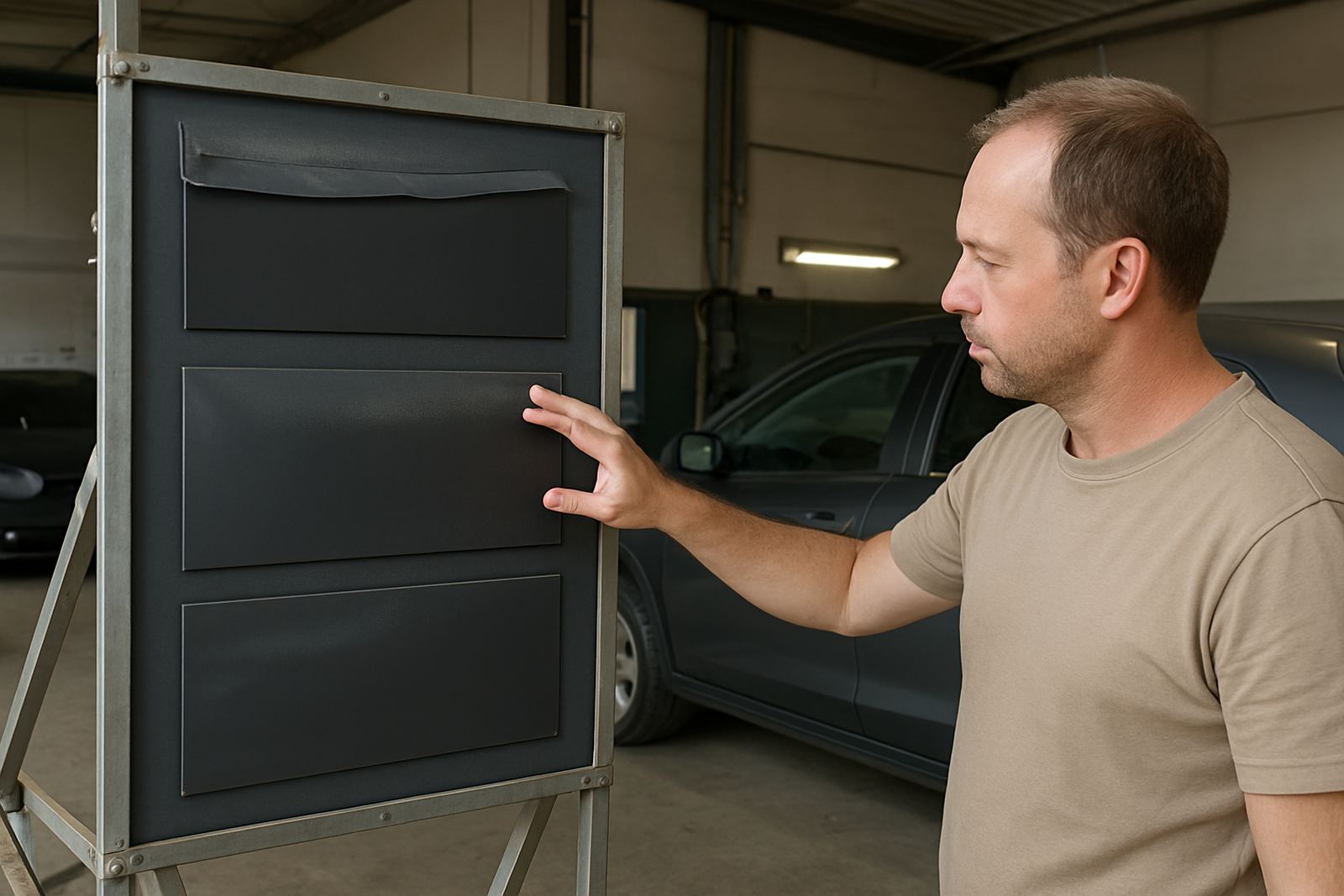
Colour is not only about taste. It affects how well people remember the vehicle and how practical the wrap is over time. Light colours can show dirt less harshly on dusty roads, while darker colours can look smart but may need more upkeep in bright sun and coastal humidity. Johannesburg’s highveld weather is different from Durban conditions, so the same finish will not age the same way everywhere.
For small operators, a strong main colour with one or two accents usually works better than a busy design. If the vehicle already has a clean paint colour, a partial wrap can still give enough impact without covering every panel. That can help manage budget, especially when the business is starting out and cash flow must be watched carefully.
- Choose colours that match the work you do, not just personal preference
- Keep contrast high so lettering stays readable
- Consider heat, dust and washing frequency in your operating area
- Ask for a finish that suits both city use and site work
A Local Example From Kya Sand to the North Suburbs
Think of a small security, maintenance or catering business based near Kya Sand. The team may only have one van and one bakkie at first. If both vehicles carry the same logo, contact details and service line, every call-out starts reinforcing the same message. The client sees consistency at the first visit and again when the team returns a week later.
That repetition helps in areas like Sandton, Randburg and Midrand, where many customers compare suppliers before they commit. A branded vehicle parked outside a site says the company is already working, already present and easy to reach. It gives a sense of order. For a small operator, that can be the difference between looking like a side hustle and looking like a proper service provider.
Practical Wrap Options for Tight Budgets
Not every business needs a full wrap straight away. For a single vehicle or a small fleet, the right choice depends on how much road time the vehicle gets, how often it parks at client premises and how long it will stay in service. A full wrap gives the biggest visual impact, but a partial wrap or colour change on selected panels can still do a lot.
Some owners start with the rear doors, tailgate and both sides, because that is where traffic sees the vehicle most often. Others begin with a bonnet, sides and rear lettering package. The point is to make a sensible investment that still works hard for the business. If the vehicle is out every day, even a modest wrap can pay for itself through recognition alone.
- Full wrap for maximum coverage and brand presence
- Partial wrap for a tighter budget with strong visibility
- Lettering-only package for simple contact details and service lines
- Fleet standard approach when more vehicles will be added later
Keeping the Vehicle Looking Good After Installation
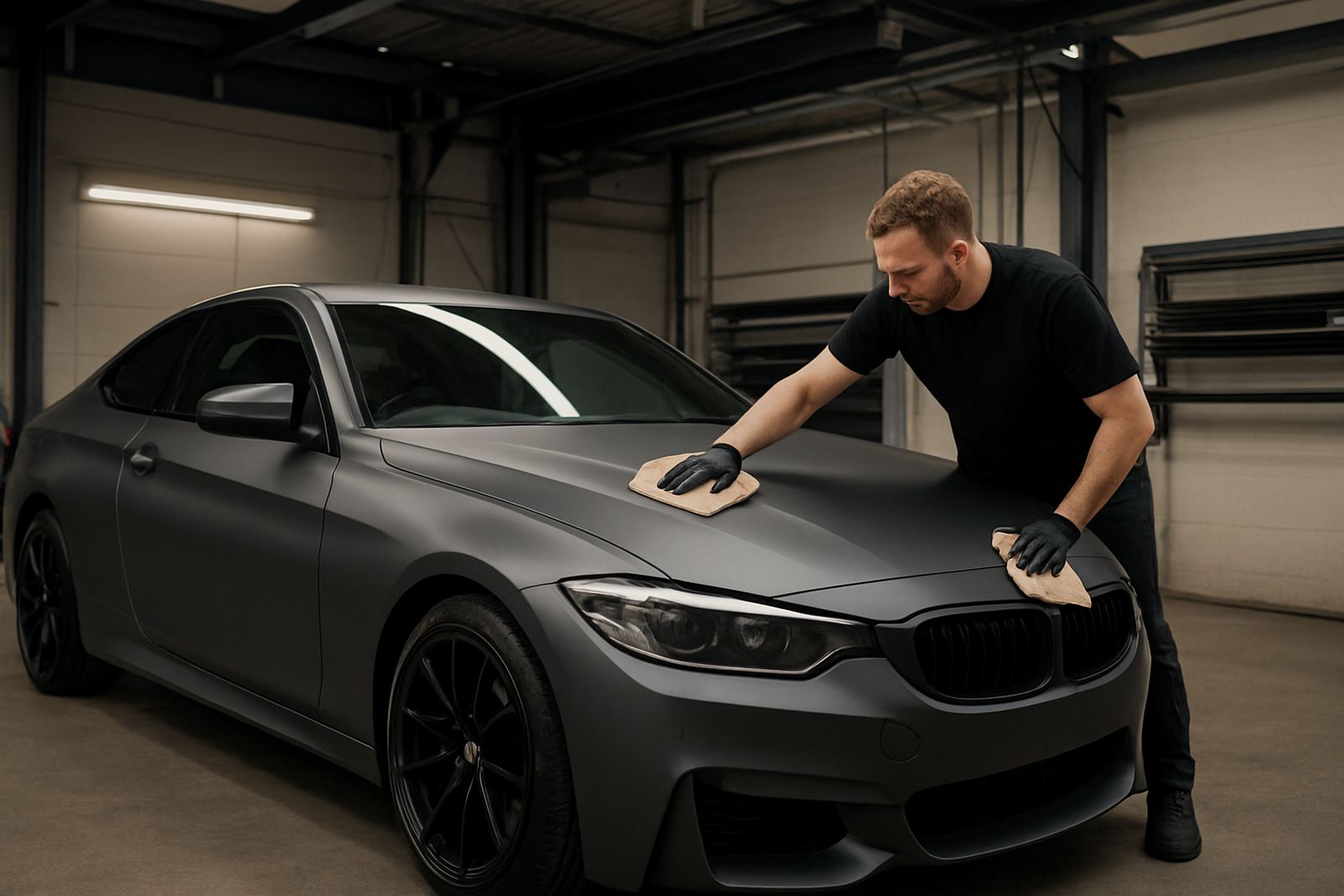
A branded vehicle only helps if it stays neat. Dirt, scratches and peeling edges send the wrong signal, especially when you are working in front of paying customers. Regular washing with the right products matters, and it is better to avoid harsh scrubbing and automatic brushes that can wear the finish. In coastal areas, salt and humidity can be harder on the edges and joins, so aftercare is worth doing properly.
If the business uses the vehicle for site work, ask about protection for high-wear zones, stone chips and parking damage. A little care goes a long way. The idea is not to baby the vehicle, just to keep it in a condition that still reflects the standard of your work. Small details matter, and customers notice them.
For owners who rotate vehicles or expand later, a consistent wrap style also makes future additions easier. That way your second or third vehicle does not look like it belongs to a different company altogether.
When Small Business Branding Starts Working
Vehicle branding starts paying off when people begin recognising you before you introduce yourself. That happens on the road, at a gate, in a parking lot and sometimes even at the fuel station. For a local business, those moments build familiarity. Over time, the vehicle becomes a moving signboard that supports every quote, every call-out and every follow-up visit.
From our Kya Sand workshop, we focus on practical branding that suits South African working conditions and real business use. Whether it is one van for a service business or two vehicles for a growing team, the job is to make the road work for the business. Done well, the wrap does not just look tidy. It helps people remember who you are and what you do.
A Simple Rule for Smaller Fleets
If your business only has one or two vehicles, branding should be easy to read, easy to maintain and easy to repeat. That is the test. When a customer can spot the vehicle, understand the service and remember the contact details without effort, the wrap is doing its job.
For growing operators, that kind of visibility can be more useful than a lot of advertising spend. The vehicle is already on the road, so let it speak clearly. It is one of the simplest ways to make a small business look organised and ready for work.