
What a realistic wrap lifespan looks like
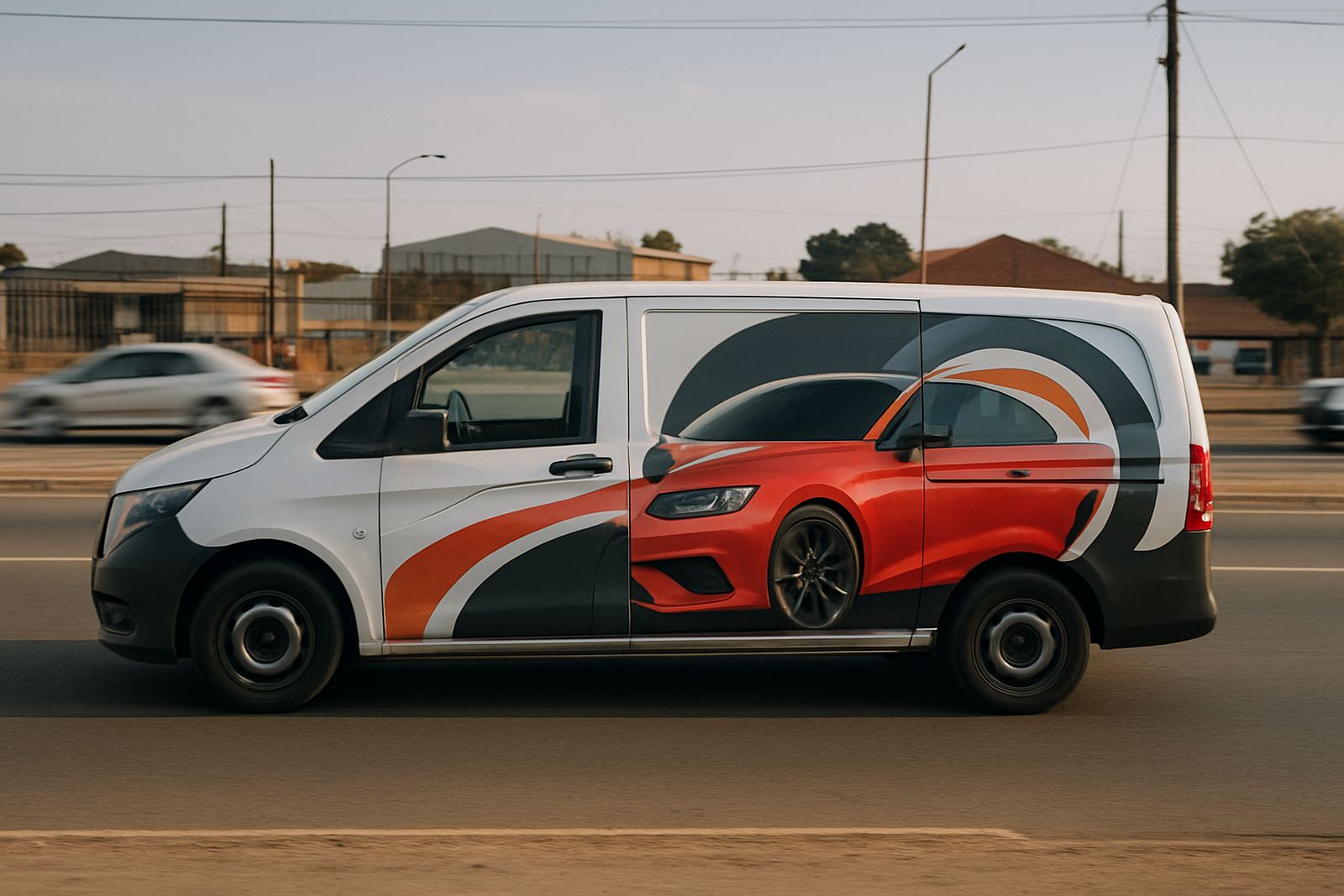
Most vehicle wraps last between 3 and 7 years when the film is correctly installed and looked after. That range changes quite a bit depending on the product type, the amount of direct sun, and whether the vehicle is parked indoors or out in the open all day. A fleet unit doing long highway runs from Johannesburg to Pretoria or the East Rand will age differently to a weekend vehicle kept under cover in Kya Sand.
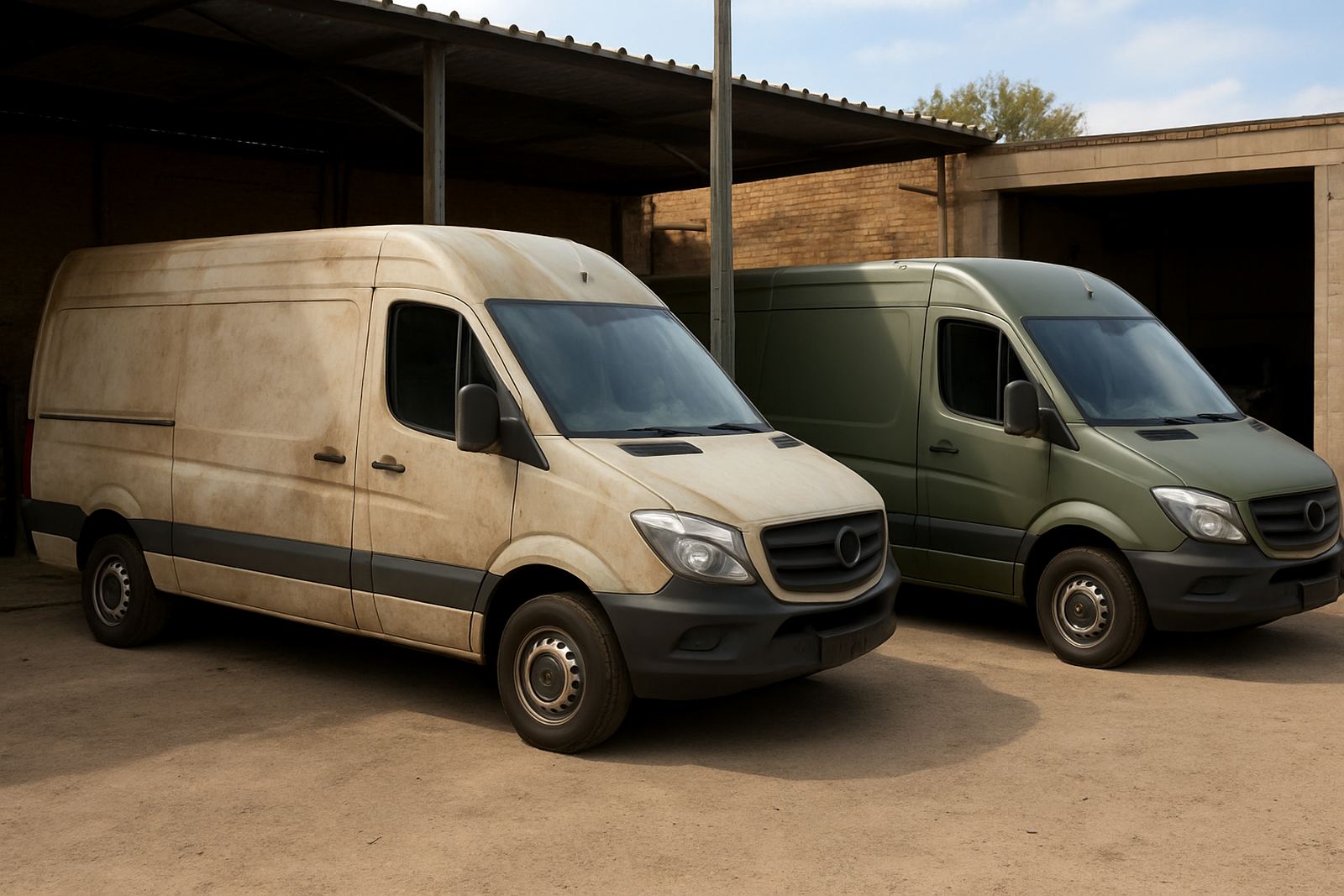
Colour change wraps on private cars often stay in good condition for several years if the paint is sound and the owner avoids harsh washing methods. Fleet branding may need refreshing sooner, especially on doors, bonnets and roof panels that take more UV exposure. In practice, most business owners plan a review at the 3 year mark and then decide whether to replace specific panels or the full set.
Why South African conditions shorten or extend wrap life
Heat and UV are the biggest enemies of any exterior film. Johannesburg has strong sun and wide day to night temperature shifts, while Durban adds moisture and salt in the air. That means a wrap on a coastal delivery van can age differently to one used inland, even if both are washed on the same schedule.
Parking habits matter just as much. A vehicle left under a tree picks up sap and bird droppings, and both can stain the film if they sit too long. A car kept in a basement or shaded bay usually holds its finish better. Load shedding also plays a small part: if washing is delayed for weeks because a fleet yard is short on water or power, dirt builds up and the film gets more wear during cleaning.
- Direct sun for long hours each day
- Coastal air and salt near Durban or other seaside routes
- Tree sap, dust and road film left on the surface
- Frequent pressure washing too close to panel edges
- Vehicles parked outdoors overnight without cover
The wrap type makes a real difference
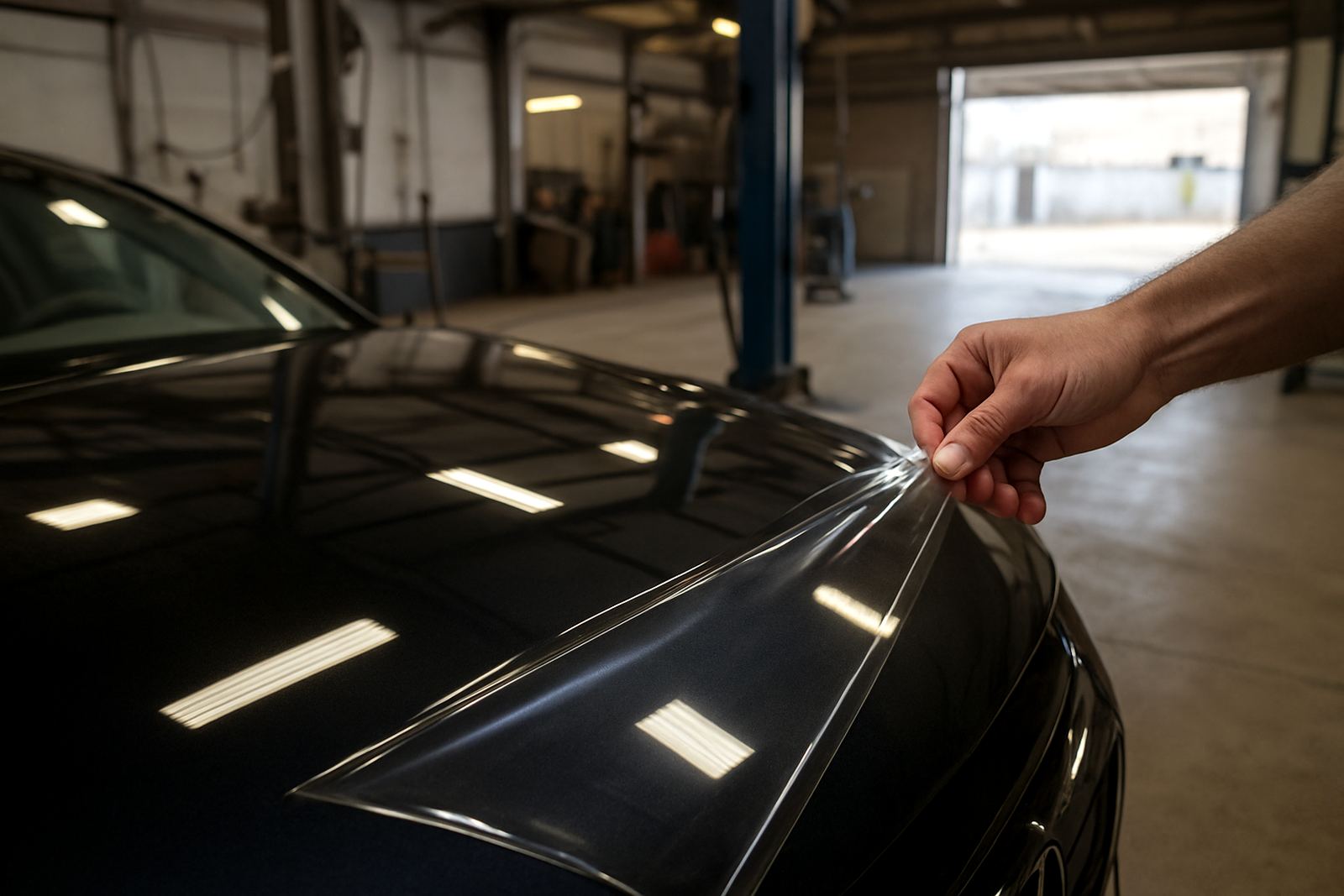
Not every wrap is meant to do the same job. Full colour changes are chosen for appearance and usually cover large painted areas. Paint-protection film is thicker and made to absorb stone chips, so it is often used on bonnets, bumpers, mirrors and leading edges. Window tinting has its own lifespan too, and it can last well when the glass is cleaned with the right products and the film edges are not picked at.
Interior wraps and trim finishes are less exposed to weather, so they often last longer if the cabin is used normally. Wheel refurbishment, on the other hand, is exposed to brake dust, curb scrapes and tyre fitting work, so the finish depends heavily on driving and maintenance. For many clients, the wrap is only one part of the full vehicle care plan, and that makes a big difference over time.
- Colour change wraps: best for styling and branding
- PPF: best for impact protection on high-wear panels
- Window tinting: helps with heat control and privacy
- Interior wraps: protected from weather but still need careful cleaning
- Wheel refurbishment: depends on road use and parking habits
How washing and aftercare affect the finish
Good aftercare can add years to a wrap. The safest routine is a gentle hand wash using clean water, a mild detergent and a soft cloth or wash mitt. High-pressure washers can be used carefully, but the nozzle should never be held too close to the edge of a panel or seam. That is where lifting starts. If a vehicle has just been wrapped, it should be left alone for the curing period before it is washed.
Owners often make the mistake of using tar removers, strong degreasers or abrasive pads because the wrap looks dirty. That usually causes more harm than the dirt ever did. The same applies to fleet cleaning at depots: the quickest method is not always the best one. A simple wash routine done regularly is better than aggressive cleaning once a month. It keeps the surface presentable and reduces fading, staining and edge wear.
We also tell clients to check trouble spots after every wash. Door handles, fuel flap areas, front bumpers and lower sills show wear first. Catching a small lift early is much cheaper than replacing a whole side panel later.
Fleet vehicles need a different maintenance plan
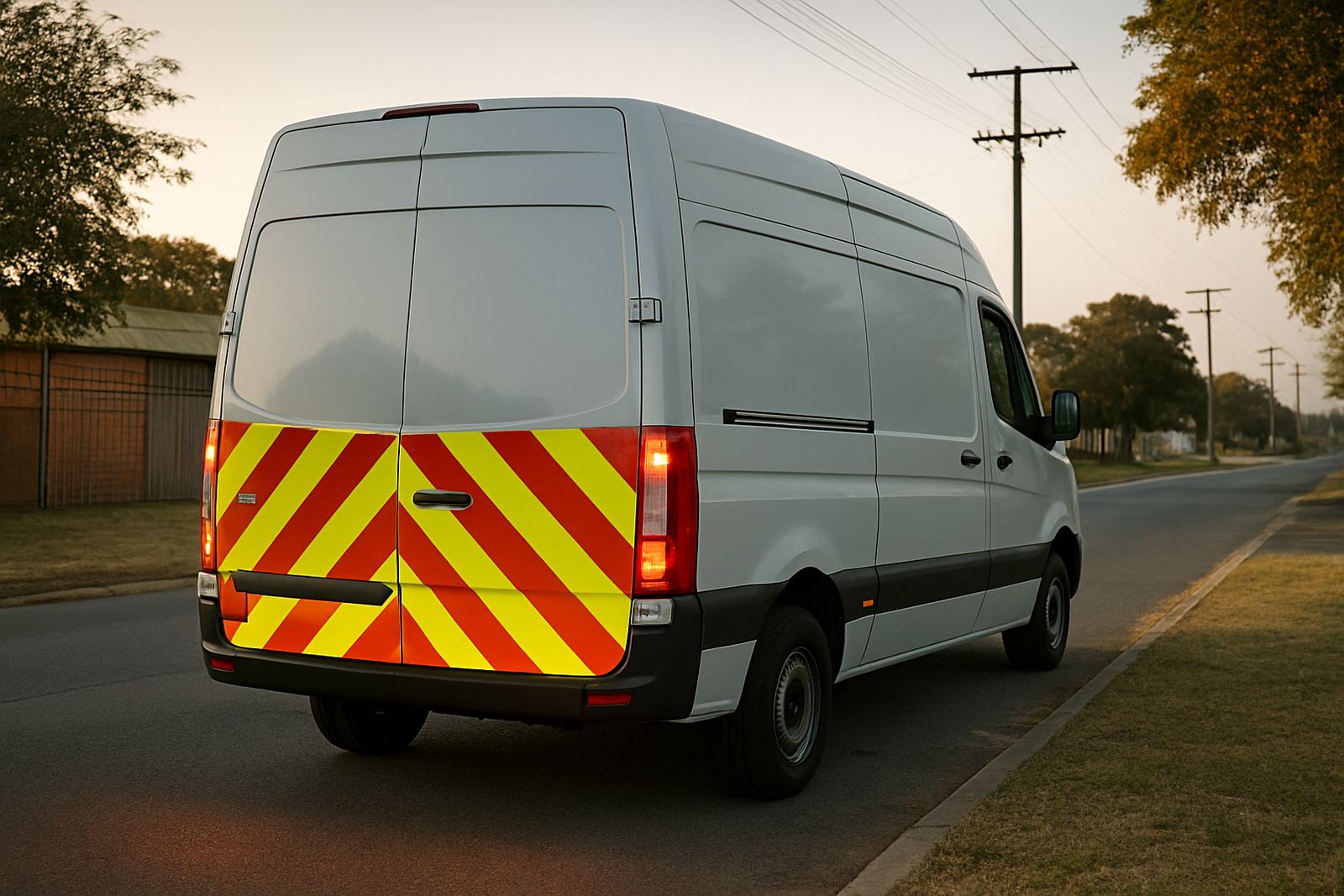
Business vehicles are on the road longer and get handled by more drivers, so the wrap lifespan is affected by usage more than by age alone. Couriers, installers and sales teams all park differently, wash differently and load vehicles differently. That is why fleet branding should be set up with a maintenance plan from day one, not only when the film starts to look tired.
We see this often with mixed fleets serving Sandton, Midrand and Pretoria. A panel van doing site visits around Johannesburg may look fine at 4 years, while a similar unit working coastal routes may need attention sooner. The answer is not guesswork, it is inspection. We recommend a scheduled check for fading, cracking, edge lift and panel mismatch so the fleet stays consistent on the road.
- Rotate vehicles in and out of high-visibility duties where possible
- Keep a simple wash and inspection log for each unit
- Replace damaged panels before small defects spread
- Use the same cleaning products across the fleet
- Store spare branding artwork for fast reprints if needed
When it is time to remove or replace a wrap
There is a point where a wrap is no longer worth keeping. Fading, cracking, adhesive residue and lifted corners are all signs that replacement is due. A good removal can protect the paint underneath, but a wrap left on far too long can become harder to take off cleanly. That is why it makes sense to plan ahead, especially for vehicles that are part of customer-facing work.
Some owners choose to refresh only the most visible panels and keep the rest for a while longer. Others use the replacement time to update branding, contact details or fleet colours. The right choice depends on the vehicle, the budget and how the car or van is used day to day. If the vehicle has had stone chips, sun damage or previous body repairs, those factors should be checked before a new film goes on.
In short, wrap life is not fixed. It can be short on a hard working delivery unit or much longer on a lightly used private car. The difference usually comes down to exposure, care and the quality of the installation from the start.