
What Paint-Protection Film Actually Does
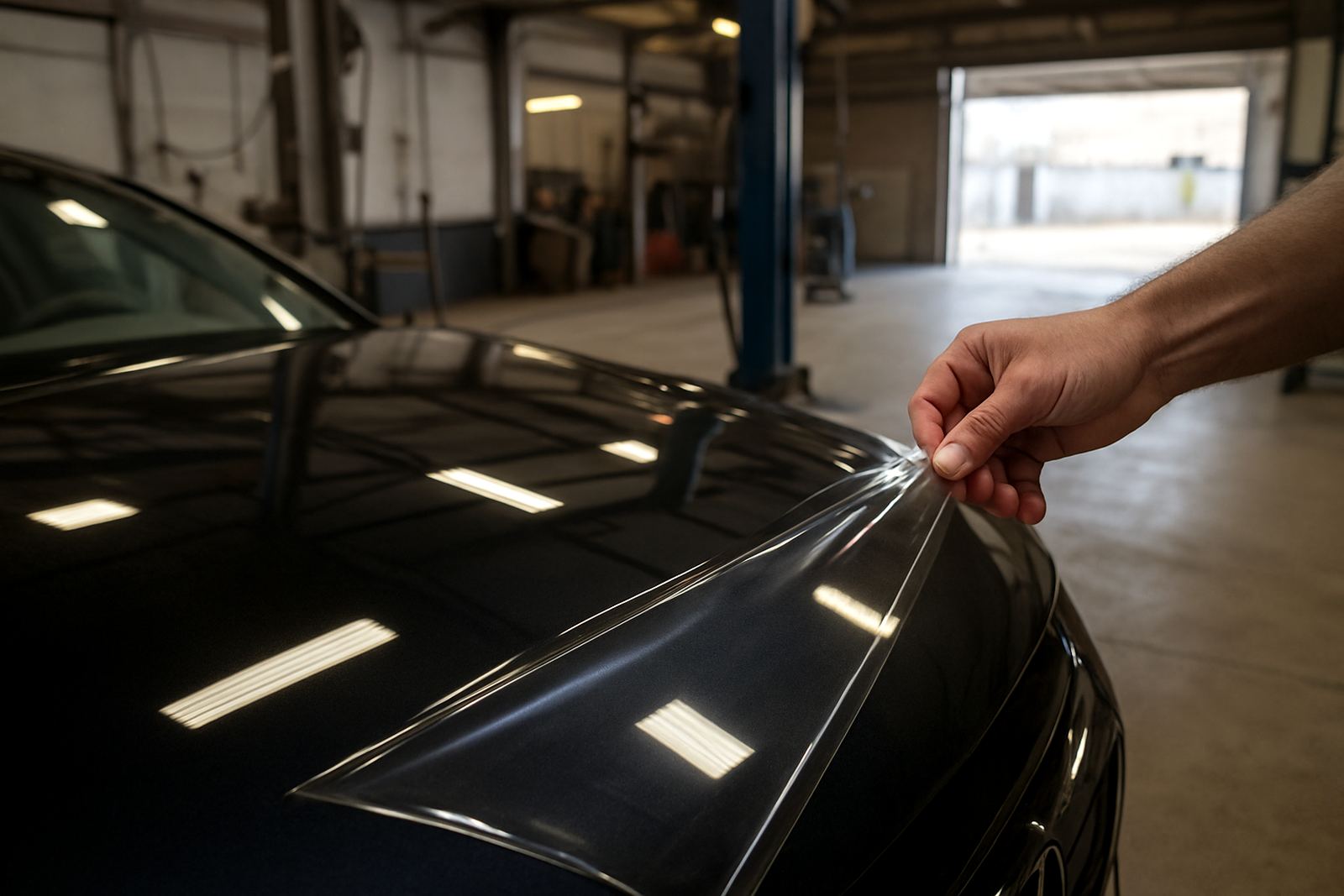
PPF is a clear polyurethane film applied to painted surfaces such as bonnets, bumpers, mirrors, door cups and sill panels. Its job is simple: take the punishment before the paint does. Small stones, tar specks, light scratches from road grit and minor scuffs from daily use are all less likely to mark the factory finish when the film is fitted properly.
It is not magic and it will not stop a hard impact or a scrape with a pole in a parking bay. What it does is reduce the everyday wear that shows up quickly on South African roads, especially where traffic is heavy and road works leave loose gravel behind. On a fleet vehicle that is in and out of sites all week, that extra layer can keep a vehicle looking presentable for longer.
For many owners, the main benefit is preserving resale value. Original paint in good condition usually means fewer touch-ups, less polishing, and a better first impression when the time comes to trade or sell.
The Damage PPF Helps Reduce In Real Use
Most vehicle damage does not come from one big event. It comes from dozens of small things. A bonnet peppered with stone chips from the N1, a mirror scuffed by tight underground parking, or a rear quarter marked by road dust and washing. PPF helps reduce that day to day wear.
In practical terms, it helps with:
- Stone chips on bonnets, bumpers and leading edges
- Light scratches from branches, bags or clothing brushes
- Tar marks and stubborn road grime that can stain paint
- UV exposure that can dull exposed surfaces over time
- Minor scuffs on high-contact areas such as door cups and load areas
For vehicles that travel between Sandton, Midrand and the East Rand, the mix of highway speed, dust and parking friction is enough to leave marks quickly. In Durban, the salt air and humidity can add another layer of stress, so a protective film can be a practical bit of insurance for painted panels. It also helps keeps the finish easier to maintain between washes.
Where PPF Makes The Most Sense On A Vehicle
Not every panel needs to be covered. The best approach depends on how the vehicle is used, where it parks, and how much exposure it gets each week. A passenger car used for school runs may only need high-impact zones, while a sales fleet or courier vehicle may benefit from broader coverage.
Common application areas include the front bumper, bonnet edge, headlights, side mirrors, door handles, luggage loading areas and the top edge of the rear bumper. These are the places that get hit first by debris, fingernails, zips, bags and loading gear. On SUVs and bakkies, the bonnet and tailgate areas often take more abuse because of higher road spray and loading.
If the vehicle is brand new, PPF can help keep the paint in better condition from day one. If the paint already has chips or marks, the surface should be assessed first so the film is not used to hide damage that should be repaired before fitting.
- New vehicles benefit from early protection
- Used vehicles may need paint correction first
- Fleet vehicles often need targeted high-wear coverage
Why South African Conditions Matter
South African driving conditions are hard on paint. High summer heat, strong UV, stop start traffic and long freeway commutes all add up. In Johannesburg, the combination of dust, loose aggregate near road works and bumper-to-bumper traffic means front ends pick up marks fast. In coastal areas, humidity and salt in the air can also make regular maintenance more demanding.
PPF is useful because it gives the paint a sacrificial layer. That layer takes the scuff or stone hit first, rather than the clear coat underneath. The film is also valuable where vehicles are parked outdoors for long periods or exposed to constant washing, because the surface underneath is not handled as often.
Load-shedding also plays a small part in vehicle care that people forget about. When businesses lose garage lighting or workshop time, vehicles end up getting cleaned and checked later than planned. A well protected surface is easier to keep in order during those gaps, especially for companies managing several vehicles at once.
What To Expect From A Proper Installation
PPF only performs well when the preparation is right. The panel must be cleaned properly, the surface inspected for chips or contamination, and the film fitted with care so edges sit neatly. Poor prep can trap dirt, show lift lines or leave visible marks that spoil the finish.
A good installer will talk you through which panels are being covered, how long the vehicle needs to cure, and what care is needed after fitting. That matters because film needs time to settle, and the first wash should be gentle. If the car is used in a fleet, the aftercare instructions should also be simple enough for multiple drivers or a wash bay team to follow.
PPF is handled alongside vehicle wraps, tinting and other protection work from the Kya Sand base in Johannesburg, with wrap bays available nationwide for support where needed. For mixed-use vehicles, that makes it easier to plan protection in stages instead of taking the car off the road for too long.
- Surface cleaning and inspection before fitting
- Careful edge placement on high impact panels
- Clear aftercare guidance after installation
A Local Example From Everyday Fleet Use
A Gauteng sales team that covers Johannesburg, Pretoria and the East Rand may spend hours each day on the road. Their vehicles are often parked at client sites, near shopping centres and in open lots. Over six months, that kind of use can leave the front bumper looking older than the rest of the car, even when the vehicle is still mechanically sound.
By fitting PPF to the bonnet edge, bumper, mirrors and loading points, the same vehicle can come back from a long quarter with far fewer visible marks. That does not mean the car stays perfect forever, but it does mean the paint is less likely to look tired before its time. For a company that relies on clean vehicles to make a solid impression, that matters.
For private owners, the same logic applies. If you have just bought a car and plan to keep it for several years, the cost of protection is often easier to justify than repeated touch-ups and polishing. It is a practical choice, not a cosmetic extra.
How To Decide If PPF Is Worth It
PPF is worth considering when the vehicle is new, valuable, heavily used or parked in conditions where stone chips and scuffs are likely. It is especially useful on white, black and metallic finishes where marks show easily. If the car is a long-term keeper, the protection can pay for itself by helping the paint stay in better condition for longer.
The best way to decide is to look at how the vehicle is used every week. Short local trips in quiet suburbs are different from daily highway runs, site visits or airport parking. If the vehicle works hard, the paint usually does too.
For a proper recommendation, it helps to speak to a team that fits film regularly and understands South African road conditions, from Gauteng traffic to coastal weather. That way the protection matches the way the vehicle is actually used, not just how it looks on delivery day.