Why the brief changes between one car and twenty
Private vehicle wraps usually start with a simple question: what should this car look like, and how do we protect it? A fleet wrap starts with a different question: how do we make 5, 15 or 50 vehicles look consistent while keeping them practical for daily use. That change in purpose affects the material choice, the artwork, the fitting plan and even how the vehicles are booked in at the Kya Sand studio or at an outlying wrap bay.
For a personal car, owners often want a colour change, a gloss or satin finish, or a paint-protection film on high wear panels. For a fleet, the focus shifts to brand visibility, repeatable panel layouts and straightforward maintenance. A courier bakkie in Midrand or a sales sedan in Sandton cannot spend a week off the road because a panel needed a small redraw.
Private wraps: style, protection and resale value
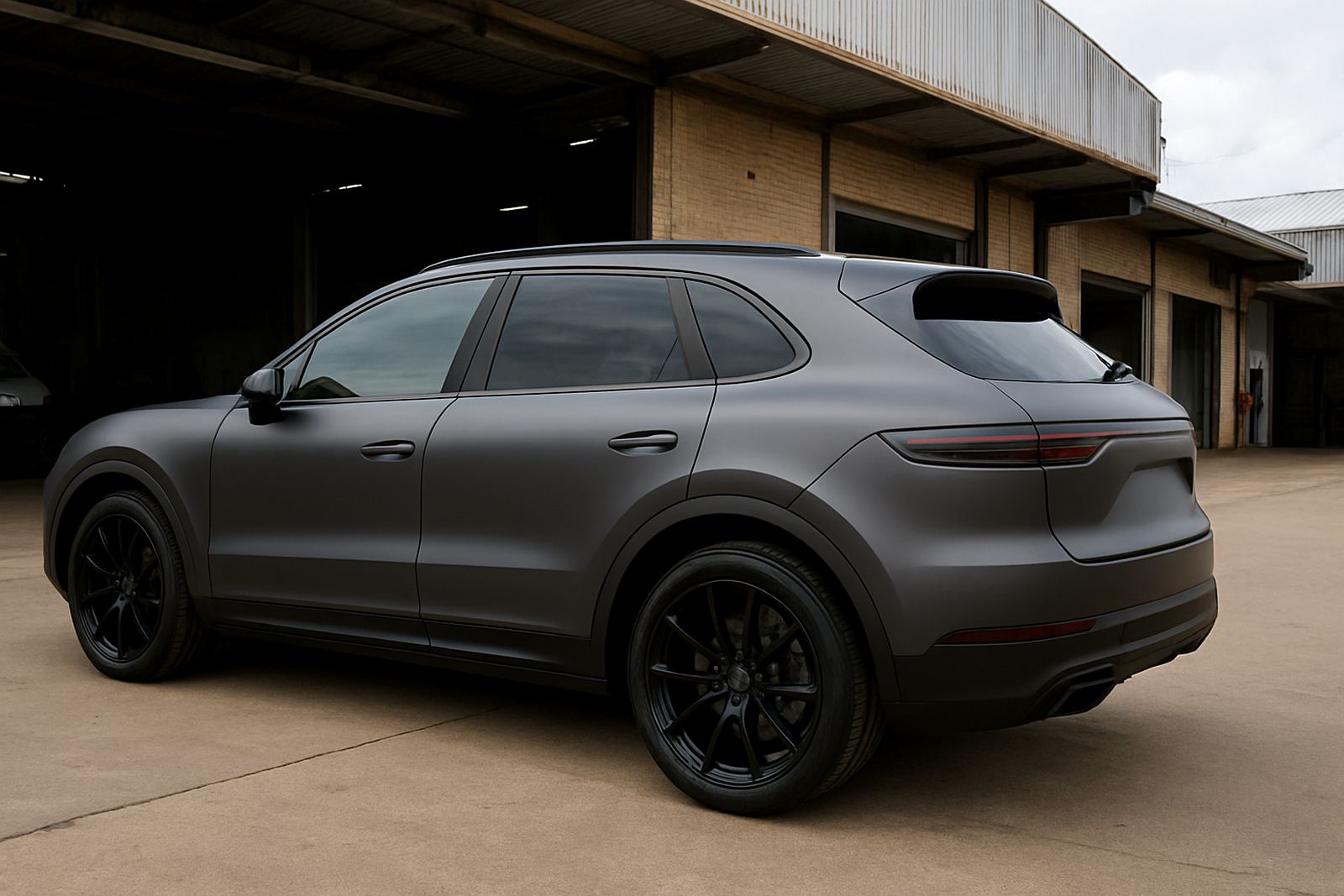
Private clients usually want their vehicle to feel more like their own. That can mean a full colour change, roof and mirror accents, interior trim wrapping, window tinting for heat control, or PPF on the front bumper, bonnet and mirror caps. In Johannesburg traffic, and in summer sun, those choices are not only cosmetic, they help keep the paint and cabin in better condition.
Good private wrapping should also think about the day after removal. If the car is financed, leased or likely to be sold in a few years, the wrap should come off cleanly and leave the original paint in good order. That matters even more in coastal humidity or on cars that park outside for long hours.
- Choose a finish that suits your use, not only the photo.
- Use PPF on high-impact areas if you do highway driving.
- Confirm that trims, badges and handles will be removed and refitted properly.
- Ask how the wrap will hold up if the vehicle stands in direct sun during load-shedding related power cuts at home or work.
Fleet wraps need consistency, downtime control and clear branding
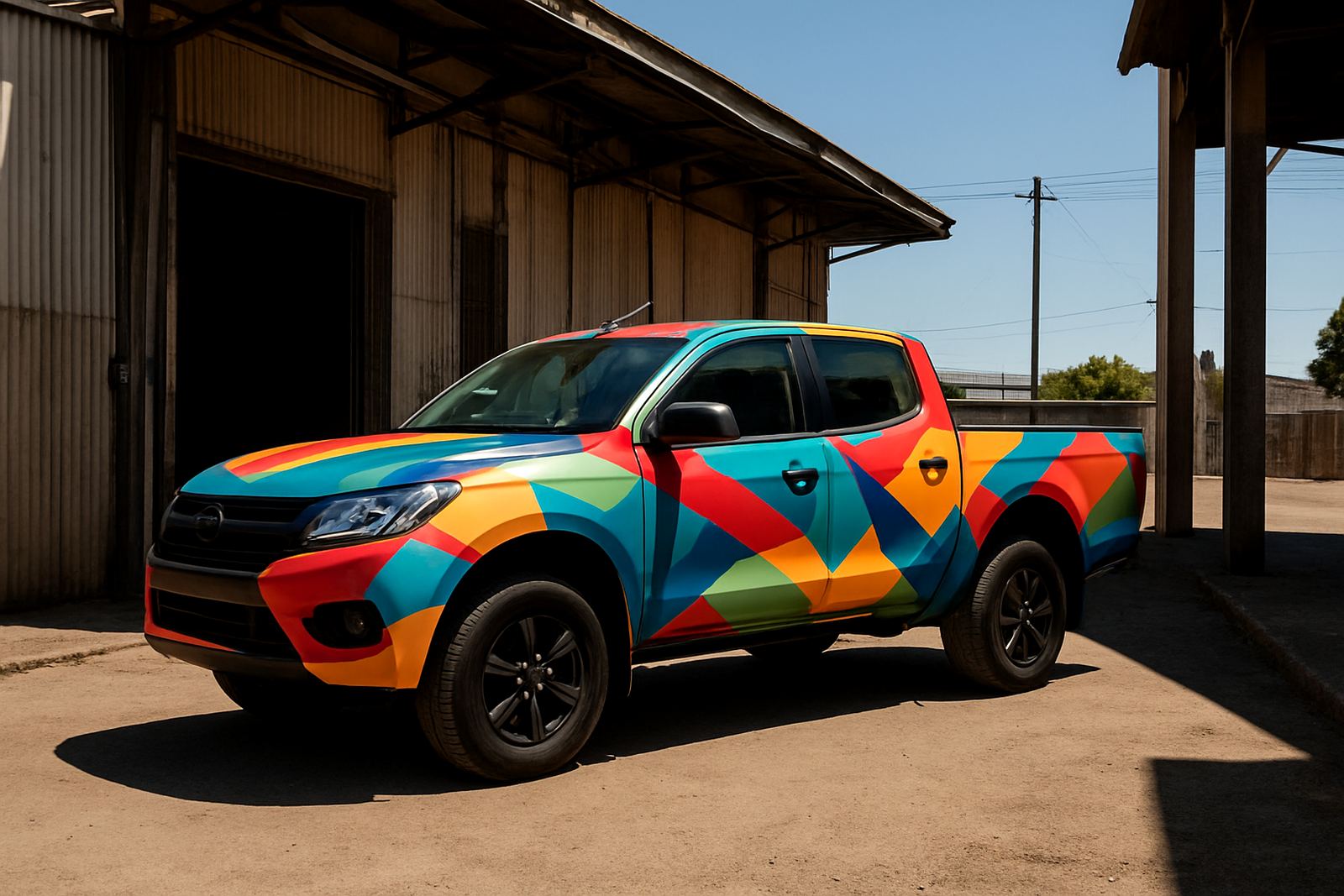
Fleet branding is much less forgiving than a private styling job. Once a business commits to a colour palette, logo position and contact details, every vehicle needs to match. If one van is wrapped with the logo 40 mm too high and the next has the phone number in a different position, the whole fleet looks untidy. That can weaken brand confidence before a customer even picks up the phone.
Fleet projects also have to work around operations. A project manager may need to stage vehicles in batches, book units by route, and prioritise which vehicles can be off the road for a day and which must be turned around faster. That is why fleet work often includes a brand standard file, approved panel templates and an aftercare plan for cleaning, repairs and future additions to the fleet.
- Keep the logo size, spacing and colours fixed across every vehicle class.
- Plan for vans, bakkies, sedans and panel vans separately.
- Build the wrap around daily access points such as doors, load bays and fuel caps.
- Allow for replacement units so branding stays matched when vehicles are added later.
The local factor: Gauteng traffic, Durban moisture and municipal rules
South African conditions matter. A private car that does short school runs in Sandton faces different wear from a fleet vehicle doing cross-town deliveries in Pretoria or constant stop-start work in the East Rand. Dust, tar chips, UV exposure and frequent washing all influence the finish. In Durban, moisture and salt in the air can make surface prep and edge sealing even more important. If the prep is rushed, lifting can start at corners and around badges.
There is also the matter of compliance. When wraps include contact details, fleet numbers or reflective elements, the artwork should be planned carefully so it does not interfere with legal markings, number plates or required vehicle visibility. Private owners may be more concerned with tint limits and whether the chosen film suits the vehicle type. Either way, a proper assessment before fitting avoids trouble later.
In Kya Sand, where many businesses run mixed fleets, we often see a practical split: one or two executive vehicles get a cleaner, premium finish while the rest of the fleet carries stronger brand signage and simpler layouts. That approach keeps the brand familiar without making every vehicle identical.
What the fitting process should include in both cases
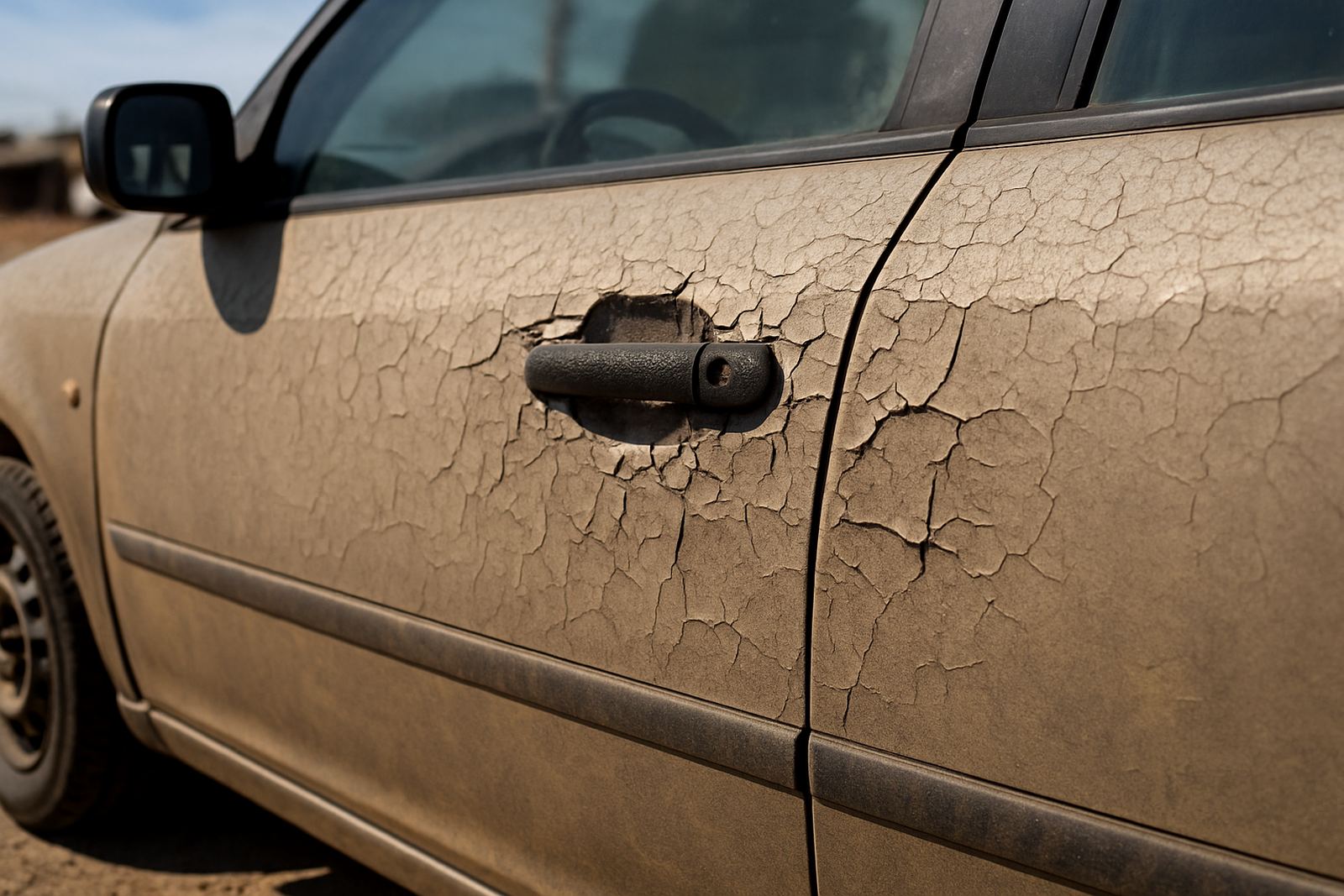
Whether the job is private or fleet, good results start long before the vinyl goes onto the panel. The vehicle should be inspected for chips, old adhesive, poor repairs and paint damage. It should then be washed, decontaminated and dried properly. Surface preparation is where many wraps are won or lost, especially on vehicles that have been polished too often or parked outdoors for years.
For private wraps, the fitting team may spend more time on hidden edges, panel transitions and customised accents. For fleet work, the priority is repeatability and turnaround. Both need clean trimming, careful heat control and the right curing time before the vehicle is collected.
- Check the paint condition before quoting, not only on collection day.
- Confirm if badges, mouldings and handles will be removed or wrapped around.
- Ask about curing time before washing or highway use.
- Make sure aftercare instructions are simple enough for the driver or owner to follow.
Aftercare, repairs and who should manage the vehicle after fitment
Aftercare is where private and fleet ownership really part ways. A private client usually handles one car and can keep a close eye on washing method, bird droppings and stone chips. A fleet needs a process. Someone must know who reports damage, where the repair gets booked, and how quickly a replacement panel or section can be fitted so the vehicle looks presentable again.
For private vehicles, the advice is usually simple: wash gently, avoid harsh solvents, and do not drag dirty cloths across the finish. For fleets, the bigger issue is standardising maintenance across drivers, depots and branches. A van with a torn corner on the rear door can send the wrong message to a customer if it is left too long. A neat repair keeps the whole brand working harder than it otherwise would.
Choosing the right approach for your vehicle or your fleet
The right choice depends on the job the vehicle has to do. If you want your own car to stand out, improve comfort, or protect a good paint finish, a private wrap can be highly personal and highly practical. If you need your vehicles to generate leads, carry a clear message and stay visually consistent across branches and routes, a fleet wrap needs planning, discipline and a steady production process.
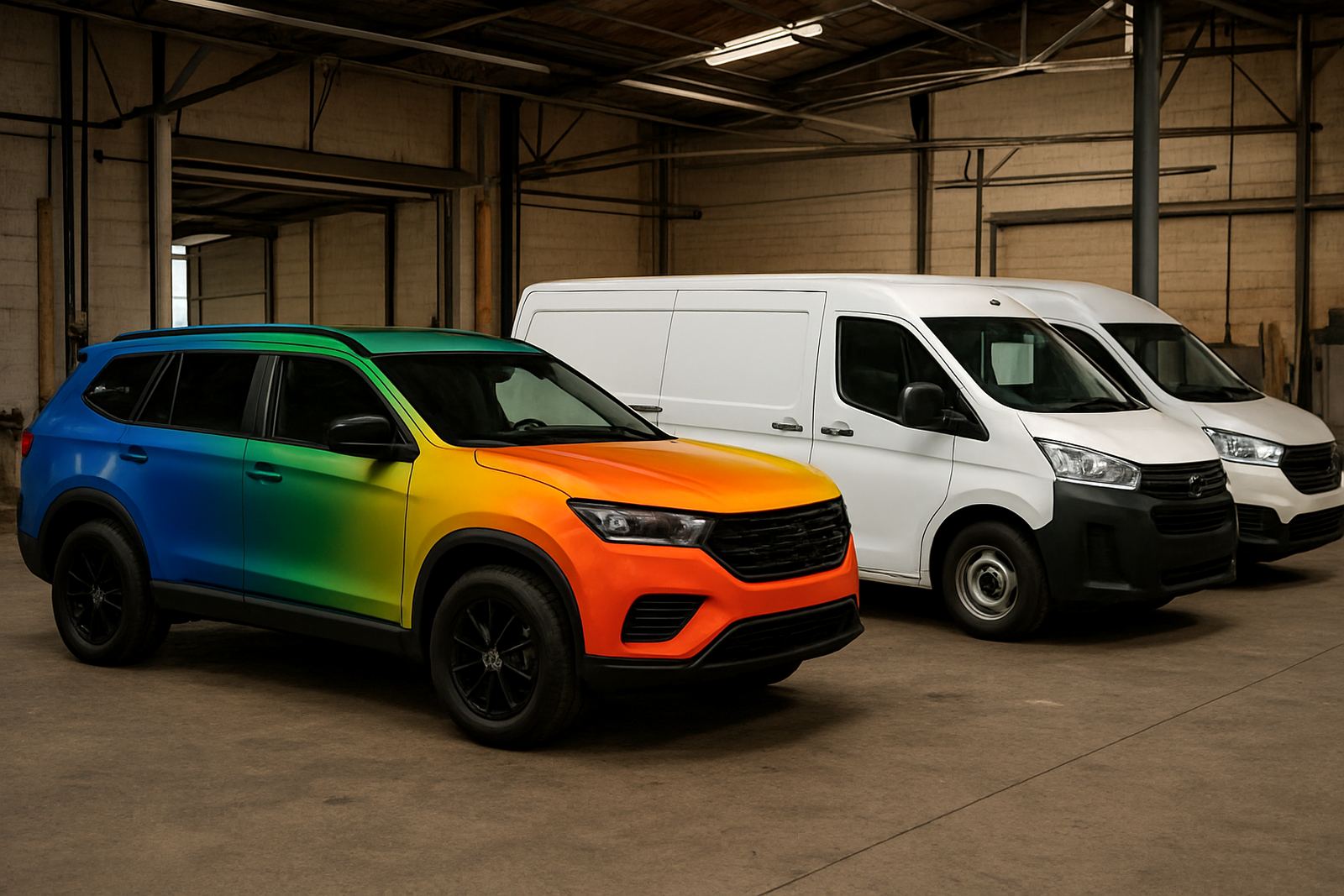
The same care applies either way, but the brief changes the method at Auto Wrap SA. A single SUV in Sandton may need a refined colour change and PPF on the front end. A Midrand delivery fleet may need identical branding across multiple units, with scheduled fitment so work keeps moving. The best result is not just how the vehicle looks on collection day, it is how well it serves its purpose six months later.
If you are comparing options, start with the question that matters most: is this vehicle about personal expression, or business performance? Once that is clear, the wrap plan becomes much easier to get right.