Why dark trim keeps winning on modern cars
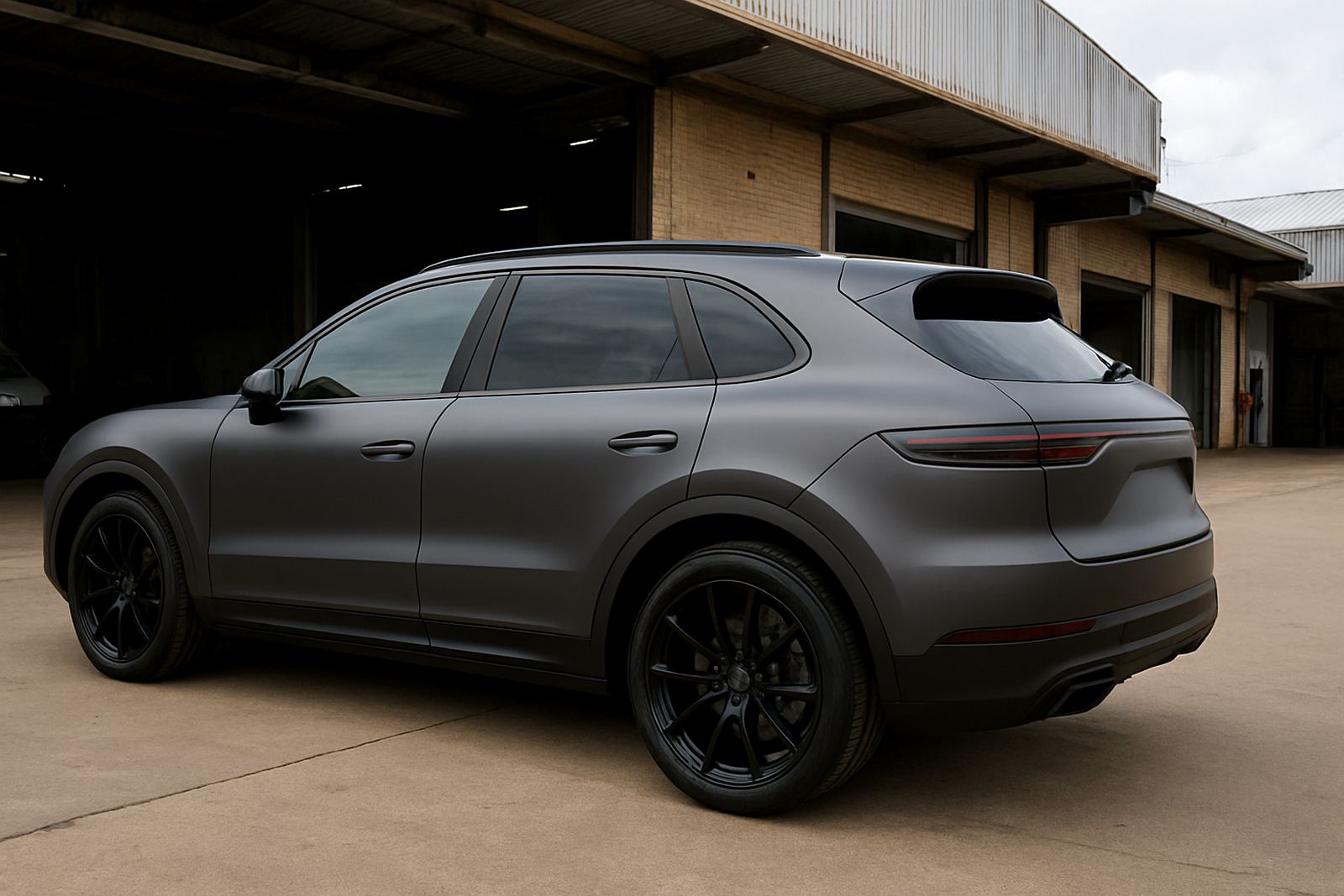
Chrome delete is the removal or darkening of bright exterior trim so a vehicle looks sharper and more uniform. On many newer models, the factory chrome around windows, grilles, mirror caps, badges and roof rails can look too bright against dark paint or corporate branding, especially in strong Gauteng sun. A satin black or gloss black finish reduces that contrast and gives the vehicle a neater, more current appearance.
The trend has stayed popular because it suits a wide range of vehicles. A single cab with fleet branding can look more professional with the bright trim toned down. A family SUV can look less busy. Even a premium saloon benefits because the eye moves to the body lines instead of the trim. That is why many owners ask for it at the same time as window tinting or paint-protection film.
There is also a practical side. Bright trim tends to show water spots, polishing marks and oxidation more clearly, especially in coastal areas and on vehicles parked outside. Darker finishes hide some of that day to day wear. It is not a fix for poor cleaning habits, but it does make upkeep easier.
What a proper chrome delete actually involves
A proper chrome delete is not just a quick stick-on job. The trim must be cleaned, decontaminated and prepared so the finish bonds well and sits neatly around edges and curves. On vehicles with complex grilles or window surrounds, this takes skill and patience. Good surface preparation matters because dust, old wax and road grime will shorten the life of the finish.
Depending on the vehicle and the desired look, there are a few ways to do it:
- Vinyl wrapping over the chrome for a reversible colour change
- Painted trim where parts are removed and refinished off the vehicle
- Combination work for badges, mirror caps and grille accents
- Pairing the dark trim with PPF on high impact areas for added protection
For most customers, vinyl is the preferred route because it offers colour choice and can be removed later. It also works well for leased vehicles, provided the finish is fitted neatly and the removal is handled carefully later on.
Where the trend fits South African driving conditions
South African conditions are a big reason this style has lasted. In Johannesburg, vehicles see heavy dust, parking scratches, harsh UV and a fair amount of stop start traffic. In coastal areas, humidity and salt air add another layer of wear. Dark trim does not stop those issues, but it can make a vehicle easier to live with and maintain.
For fleet owners, chrome delete is sometimes part of a wider brand standard. A dark trim package can make a sales vehicle look more disciplined and less flashy while still looking well presented. That matters when the vehicle is used to visit clients, transport management or sit in public view outside a site office.
There is also a safety angle in some cases. Heavily reflective trim can pick up glare in direct sun and make certain angles look untidy. A matt or satin finish cuts that glare and gives the whole car a more controlled look. It is a small change, but it has a strong visual impact.
When chrome delete works best, and when it does not
Chrome delete is ideal when the vehicle has a lot of bright trim that clashes with the paint colour or the business image. Black, grey, silver and white vehicles usually respond very well. It is also a good option where badges and trim have become scratched or dull, but the owner is not ready for a full paint respray.
It may not be the best choice if the vehicle already has very little brightwork or if the customer wants a fully factory original appearance. Some luxury vehicles look best with selective darkening only, not every piece changed. In other cases, the trim condition itself may be the issue. If a part is badly damaged or lifting, the right answer might be replacement rather than wrapping over it.
- Best for leased cars that need a reversible finish
- Useful on company vehicles that need a cleaner brand image
- Strong option for SUVs and bakkies with large trim sections
- Less suitable where trim is cracked, loose or badly faded
Our team often checks the trim first and advises whether wrapping, refinishing or replacement will give the neatest result. That saves time and avoids issues later on.
How to keep the finish looking good after installation
Once the dark trim is fitted, aftercare makes a real difference. The first few days matter most because the material needs time to settle. After that, regular washing with the right products helps preserve the finish. Strong solvents, harsh scrubbing and abrasive sponges should be avoided.
For customers using their vehicles in busy commercial areas, it helps to build simple habits:
- Wash with clean microfibre cloths and mild shampoo
- Avoid pressure washer tips too close to the edges
- Do not scrub at bird droppings or tar with dry cloths
- Park under cover where possible, especially in load-shedding periods when secure parking matters
- Inspect edges after long highway runs or heavy rain
On fleet vehicles, we recommend a quick inspection during routine maintenance. That way any lifting edges, stone hits or rubbing can be sorted early. Small checks save money later and keep the vehicle looking right for longer.
A local Johannesburg example that makes the point
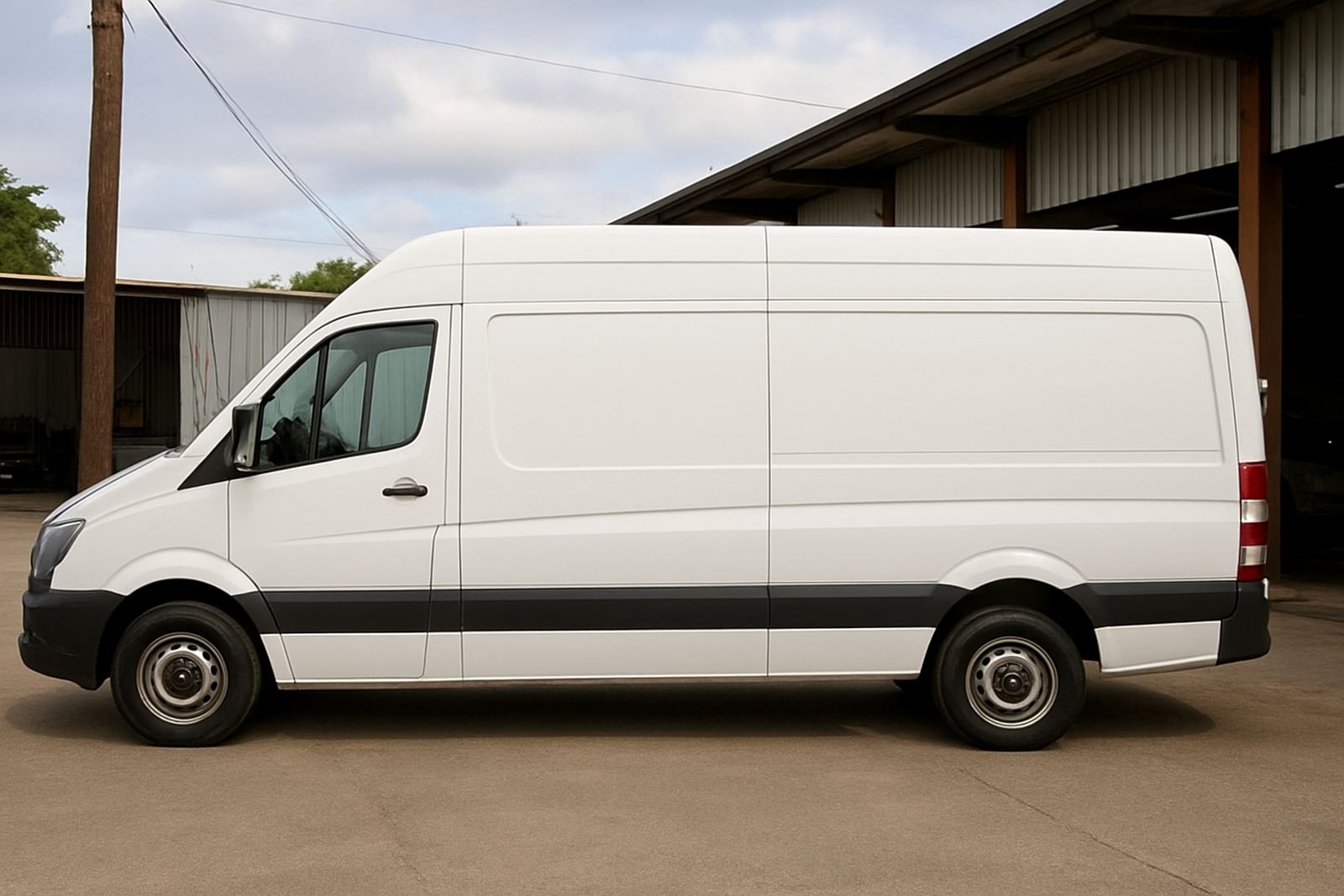
A Kya Sand courier company recently brought in a small fleet of white panel vans that were already branded, but the factory chrome made them look brighter than the rest of the range. The brief was simple: keep the vans clean and professional without turning them into show pieces. We darkened the window surrounds, grille accents and door badges, then matched the look with light window tinting for the cab area.
The result was practical rather than flashy. The vans looked more uniform when parked at client sites in Sandton and Midrand, and the lighter maintenance burden helped the team keep them presentable between washes. That sort of change is often enough to make a fleet look planned instead of pieced together, and it costs far less than a full repaint or replacement trim package.
For many businesses, that is the point of chrome delete. It is not about chasing a fashion trend for the sake of it. It is about making the vehicle fit the image, the use and the local driving conditions, while keeping the finish easy to live with day to day.