Start with the vehicle list and working pattern
Before any film goes on a panel, list every vehicle by registration, model, colour, mileage and daily use. A sales car that returns to base every evening can be booked very differently from a service bakkie that is on the road from 06:00 to 18:00. That simple split helps you decide which units to take first, which ones can come in overnight, and which ones should only be booked on quieter trading days.
For companies in Johannesburg, Kya Sand and the wider Gauteng area, it also helps to map routes and parking access. If vehicles are based in Midrand but work out of Sandton, it may be easier to stage the rollout from a single collection point rather than moving each unit separately. A clear vehicle list saves time later and keeps drivers from asking the same questions twice, which happens more often than people think.
Build the rollout around business hours, not around the workshop
The best fleet branding plans fit the business first. A good rule is to group vehicles by how much time they can spend off duty, then book them in waves. Shorter jobs such as partial branding, door logos or fleet numbering can often be turned around faster than full colour changes or paint-protection film. If you know a vehicle must be back on site before the next delivery run, say so at the quoting stage.
- Prioritise the units that are seen by clients most often
- Schedule high-usage vehicles over weekends or after hours where possible
- Keep one spare vehicle in rotation if the fleet is busy
- Allow extra time for cleaning, surface prep and drying, especially in humid coastal areas
- Build in a small buffer for load-shedding or delayed sign-off
In practice, a staged plan is usually better than trying to do everything in one go. A company can brand three vehicles this week, then the next three after the drivers have checked them in. That keeps operations moving and avoids the pressure that comes from having half the fleet parked and waiting.
Prepare the vehicles properly before booking dates
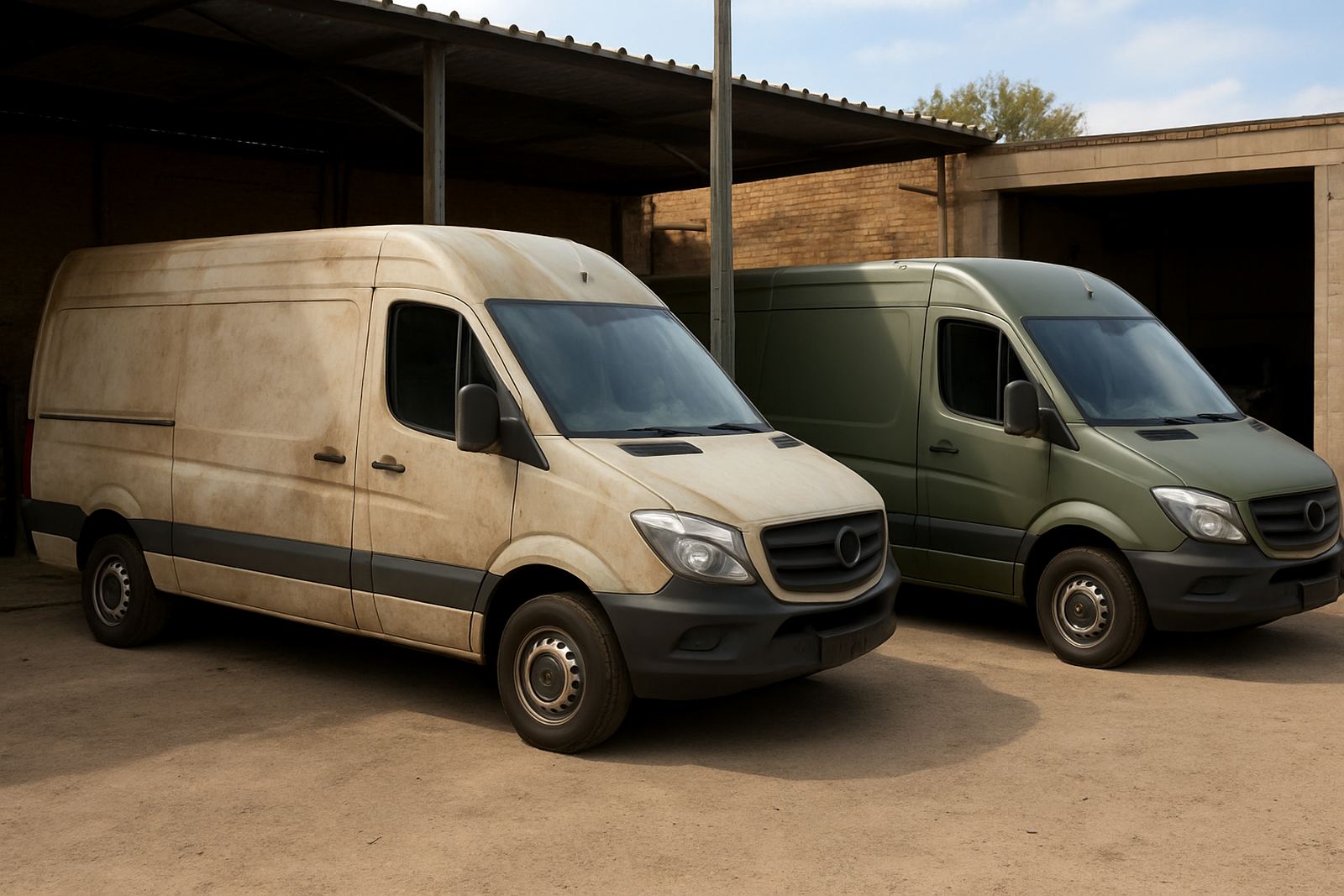
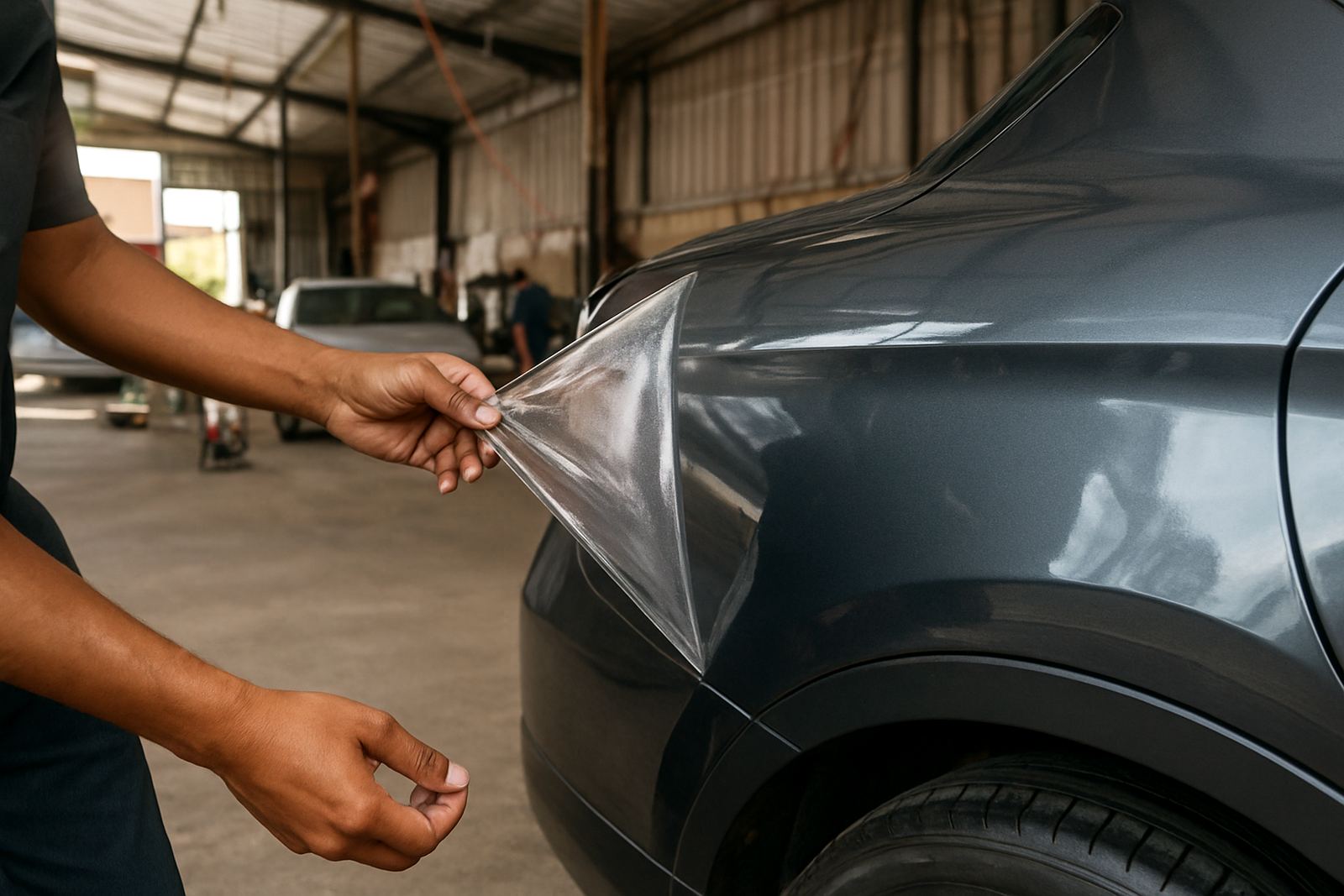
Preparation makes a bigger difference than many businesses expect. If the vehicles arrive dirty, with old stickers, polish residue or chipped trim, the fitting time increases and the finish suffers. Good prep starts with a proper wash, removal of tar and road film, and a quick check for stone chips, dents or peeling paint. Vinyl and paint protection film stick best to sound surfaces, not to waxy panels or loose edges.
For fleets operating near the coast, the extra moisture and salt in the air can slow things down if the vehicles are not dry enough at handover. In Johannesburg, dust is usually the bigger issue. Either way, a clean dry surface saves money and prevents repeat work. If your team can send photos before booking, it helps catch issues early. A small crack near a badge or a patch of old adhesive can delay the job by a day if nobody spotted it before the vehicles arrived.
Keep branding rules in one place
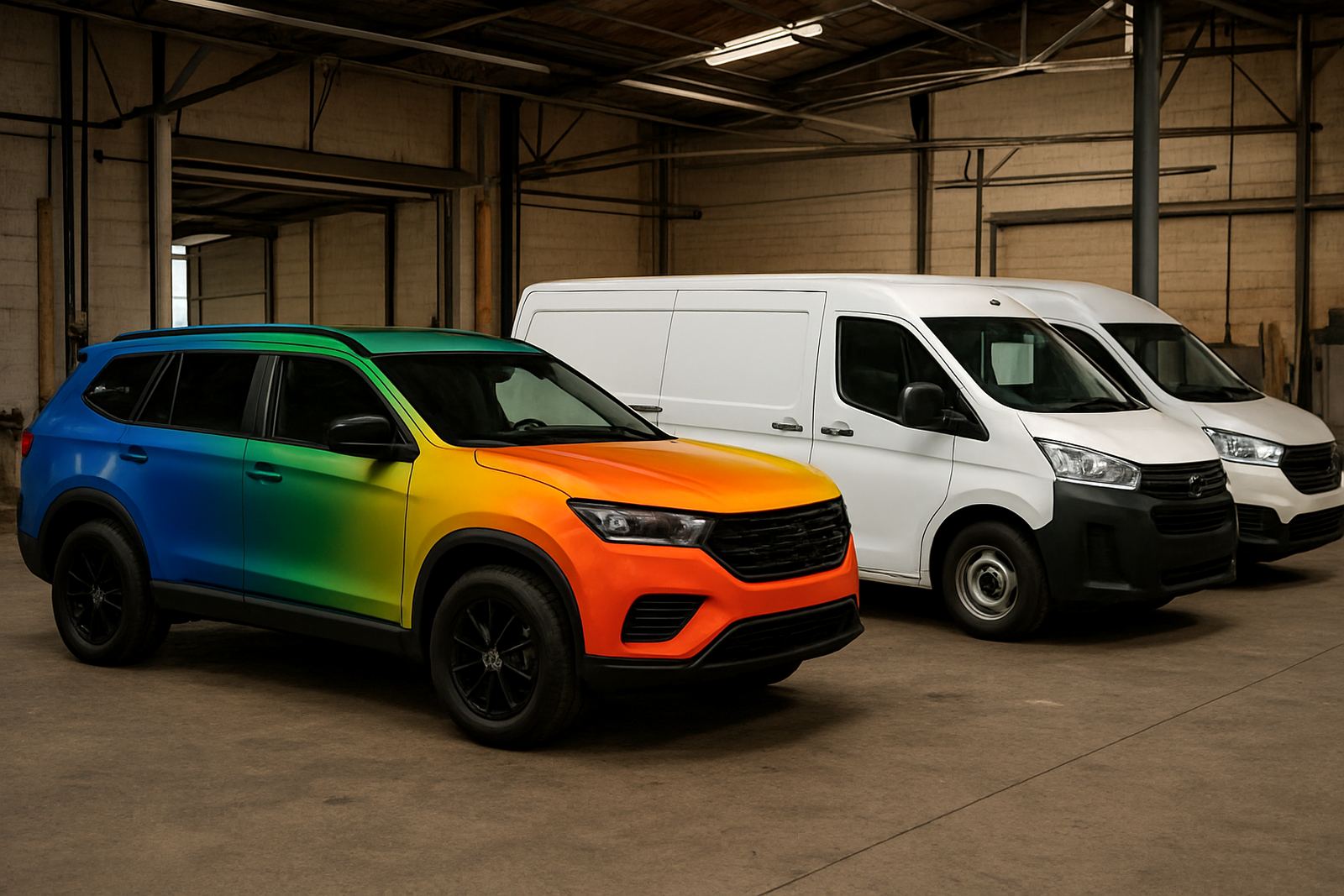
Fleet rollouts go smoother when every vehicle follows the same standard. That means the same logo size, the same colour values, the same phone number placement and the same spacing from the door handles and wheel arches. It also means deciding what is fixed and what can change for different models. A panel van and a double-cab bakkie do not give you the same surface, so the layout may need small adjustments while still staying on brand.
Auto Wrap SA often helps companies set a fleet brand standard so each future vehicle matches the last one. That makes replacement easier when a vehicle is sold or written off, and it keeps your brand looking tidy across branches. For multi-site businesses in Pretoria, East Rand and Durban, this is especially useful because each branch may order vehicles at different times. One standard avoids mismatched logos and awkward colour shifts from one batch to the next.
Use a phased handover so drivers stay informed
When vehicles are handed back in stages, drivers need a simple checklist. They should know what was changed, how long the materials need before heavy cleaning, and what to avoid during the first few days. That includes high-pressure washing too soon, parking under trees with sticky sap, and opening doors against fresh edges before everything has settled. Small things, but they prevent call-backs.
- Confirm the return date and time for each unit
- Check that fuel cards, tools and tracking devices are put back correctly
- Take delivery photos for records and insurance if needed
- Give drivers a one-page aftercare note in plain language
- Nominate one person to handle questions so the inbox does not fill up
A phased handover also helps with internal control. If one branch of a business sees a finished vehicle first, it often creates pressure for the rest of the fleet to be completed properly, not rushed. That usually improves the final result more than any sales pitch ever could.
Factor in the real local conditions
South African fleet planning has to allow for more than just workshop time. Load-shedding can affect lighting, drying windows and the use of certain tools. Summer heat can soften film on a panel, while winter mornings in Gauteng can mean slower prep times. If the vehicles are coming from a municipal depot, a shopping centre basement or a site with gate control, the collection and drop-off times need to match the access rules, not the workshop clock.
For a Kya Sand based company moving vehicles around Johannesburg, the practical answer is often to work in batches of two to five units, depending on size and scope. A small delivery fleet might be done over a few days, while a national operation can roll out across several weeks. The point is not speed alone, it is keeping the business moving while the branding gets done right. That is where planning pays off.
A Johannesburg example that keeps work moving
A local courier business based near Kya Sand needed to brand eight vehicles without losing a full day of deliveries. The solution was simple: the most visible vehicles were booked first, two at a time, and the drivers swapped into spare units for the morning route. The remaining vehicles were grouped by size so the bigger vans came in together, followed by the smaller support vehicles. Because the artwork was approved early and the surface prep was checked beforehand, the rollout stayed on schedule.
That kind of approach works for most businesses, whether they run service vans, passenger vehicles or a mixed fleet. It keeps customer visits on track and avoids the scramble that comes from trying to fit branding around the diary at the last minute. With clear planning, multi vehicle branding becomes a normal operating task, not a disruption.