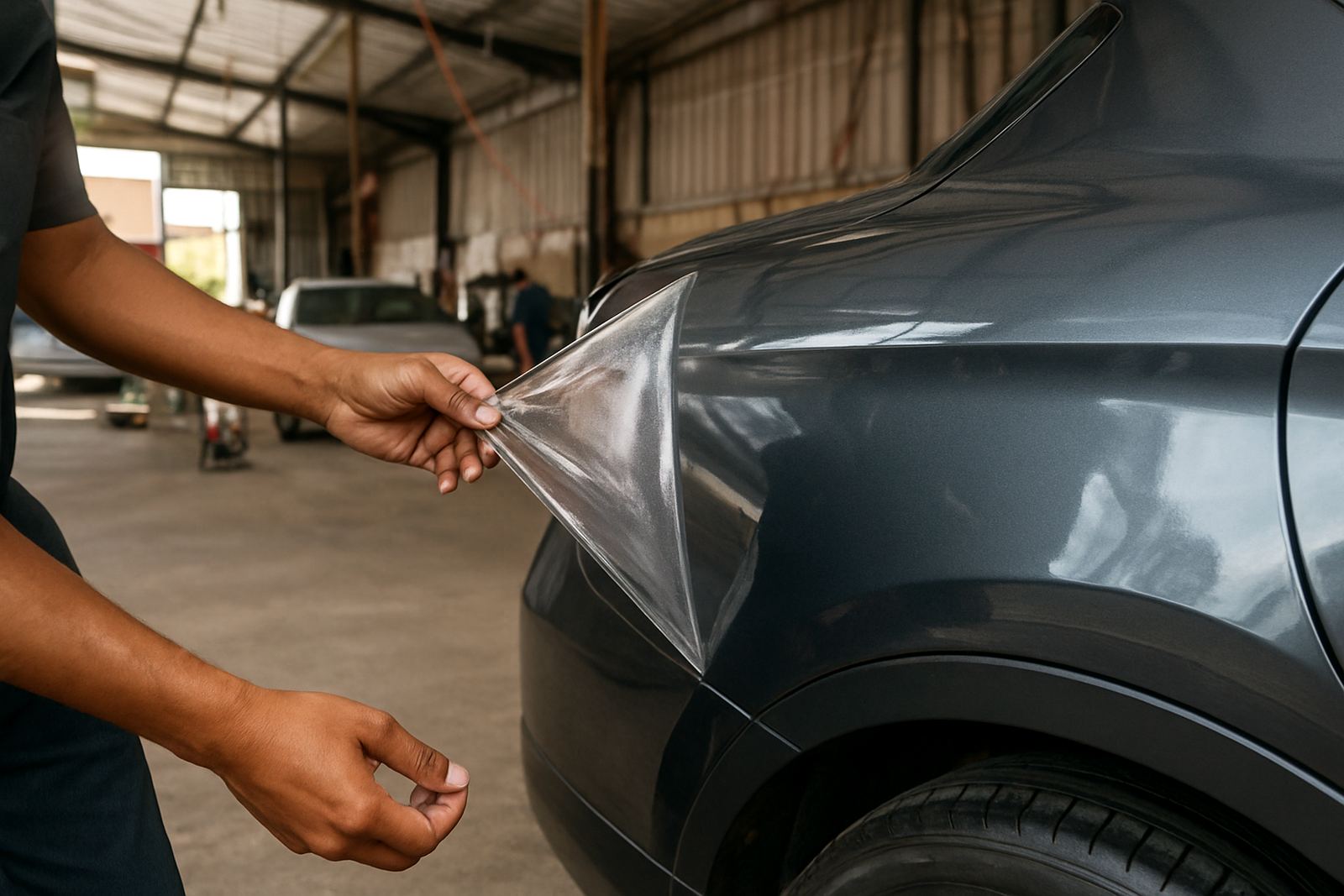
Why resale value starts with what sits under the wrap
In South Africa, buyers look closely at paint condition. They notice faded clear coat, stone chips on the bonnet, scratches on door handles and sun damage on the roof. A wrap or protection film can reduce how much of that wear reaches the factory paint, which matters when the vehicle is due for trade-in or private sale.
For business owners, this is not only about appearance. A clean, well kept panel finish helps a vehicle hold value and can also make fleet rotation easier. If a bakkie or sales car has spent two years in traffic, parking lots and on highways between Johannesburg, Midrand and Pretoria, the original paint will usually look better if it was protected from the start. That is where the right film, fitted properly, pays its way.
Colour change wraps for owners who may sell later
Vinyl colour changes are often chosen for branding, but they can also be used to keep the original paint untouched. If the paint underneath is sound and the wrap is removed correctly, the vehicle can go back to its factory colour before sale. That can help when a buyer wants a standard finish rather than a custom one.
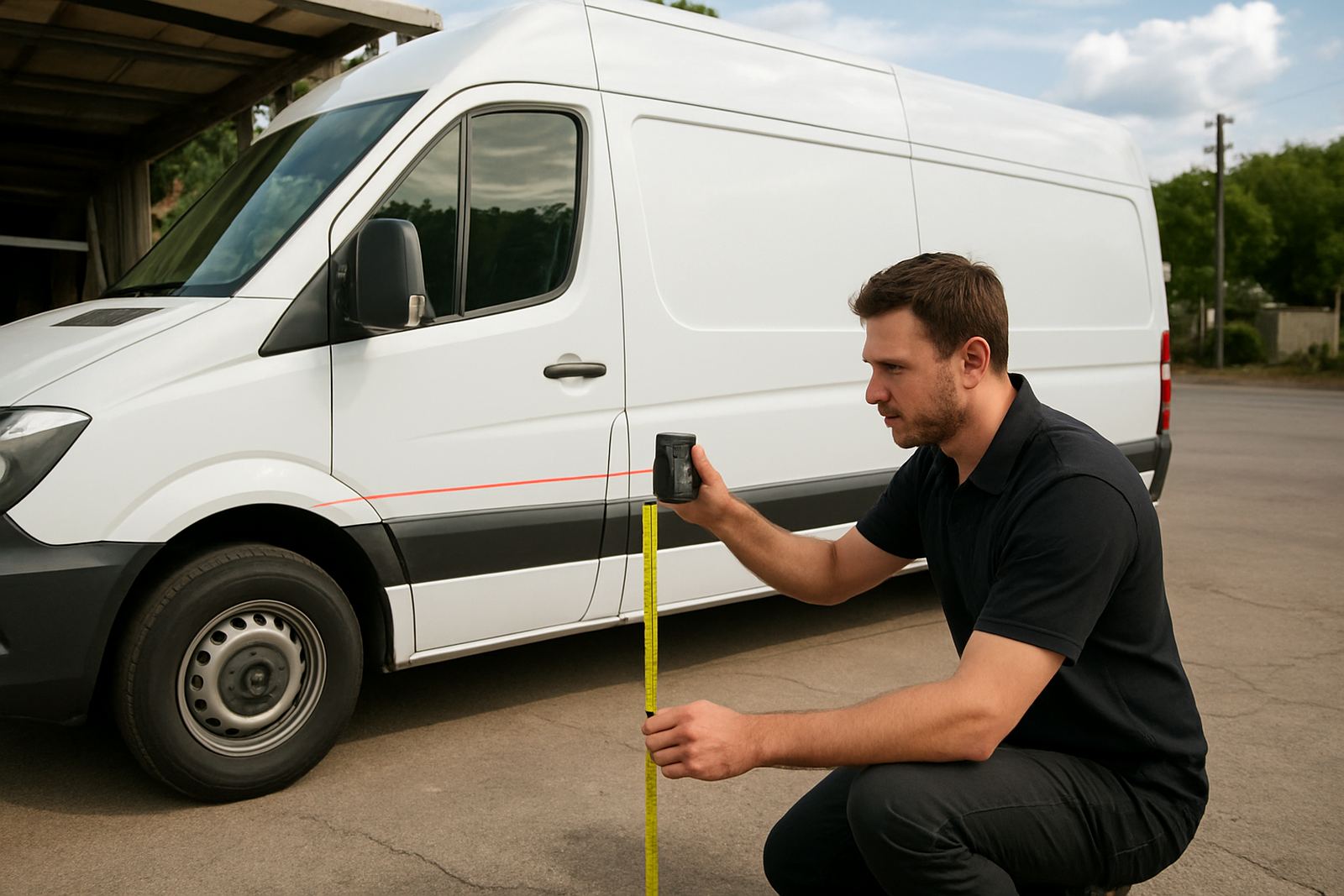
The key is preparation. Panels must be washed, decontaminated and checked for chips, resprays and loose trim before any film goes on. If the paint is failing already, a wrap will not repair it. It may even pull up weak clear coat during removal. Good guidance at the start avoids that problem and its one of the reasons careful surface preparation matters so much.
- Best for vehicles with healthy factory paint
- Useful for business cars that may be rotated out in 2 to 4 years
- Helps avoid repainting if a plain colour is needed for resale
- Should be removed by a trained team, not rushed on site
Paint protection film where impact and sun do the damage
Paint protection film is more about preservation than style. It is usually fitted to the high impact areas first, such as the bonnet leading edge, bumper, mirrors, front guards and door cups. These are the places that get hit by gravel on the N1, frequent washing, shopping centre knocks and even minor contact in tight parking bays.
In coastal areas, UV and humidity can also affect surfaces over time. In Durban, for example, owners often ask for extra attention on exposed panels and wheel arches because salt air and sun can age paint faster than expected. PPF gives a useful barrier, especially on newer vehicles or higher value models where resale depends heavily on finish.
- High impact zones are usually the first priority
- Front end protection is useful for highway driven vehicles
- Film helps keep small chips from spreading into visible damage
- Works well for both private cars and fleet units with high mileage
What fleet managers should ask before fitting wraps
Fleet buyers should think beyond the first year. A wrap may be there for brand visibility now, but the real question is how it will come off later. If panels are prepared properly, the right adhesive is used and the film is removed with care, the original paint should remain in good condition for resale or lease return.
That means checking a few practical points before sign off. Ask how the vehicle will be used, where it parks, whether it faces load shedding related security lighting gaps at night, and if it sits outdoors in strong sun. A panel that stays outside in Kya Sand or the East Rand all day will age differently to one parked indoors. The wrap spec should match the use case, not just the artwork.
- Confirm the expected service life of the wrap or film
- Ask for a removal plan before the job starts
- Keep records of fitted dates, mileage and panel repairs
- Schedule inspections after heavy use or long trips
Removal done right protects the money you put in
Many resale problems start at removal, not installation. If a wrap is left on too long, baked by sun or lifted with sharp tools, it can leave adhesive, tear on edges or stress the paint surface. Careful removal is slower, but it protects the asset.
Wrap removal, aftercare support and panel checks form part of the full service approach at Auto Wrap SA because the end of the wrap cycle matters as much as the start. A vehicle that has been looked after, washed correctly and returned to bare paint without damage is simply worth more on the market. It also presents better to a dealer or buyer who is comparing it against similar stock.
For private owners, this can be the difference between a quick sale and months of haggling. For fleet operators, it can mean better returns when vehicles are sold in batches rather than sent out with obvious wear.
A Johannesburg example that shows the point
A small service business in Johannesburg may run two sales hatchbacks and three light commercial vehicles, all branded for the road. Those cars spend long hours moving between Sandton, Midrand and the East Rand, parked outside client sites and washed often to keep the branding readable. If the team chooses a removable wrap over repainting, then the original paint below is kept in better condition for the day those vehicles are replaced.
That approach works especially well when the vehicle is still under 5 years old and the paint is in good shape before fitting. It also suits owners who want one look for the business years, then a standard finish later for resale. The wrap does the marketing job now, while the paint underneath stays protected for later value. That is practical, not flashy, and it makes the numbers easier to justify.
For many South African vehicles, the smartest finish is the one that can be removed cleanly when the time comes.