Plan Around Vehicle Use, Not Just Workshop Space
The fastest way to reduce downtime is to plan each vehicle around its actual job. A fleet bakkie that runs school routes in the morning should not be booked in for a full strip and wrap on a Monday if it needs to be back on the road by Tuesday afternoon. The same applies to sales cars, service vans and delivery vehicles that cannot disappear for three days without affecting bookings.
At our Kya Sand base and wrap bays nationwide, the first step is always a proper vehicle schedule. We look at what each vehicle does, when it can be spared, and whether the job can be split over more than one vehicle so the business keeps moving. For larger fleets, that usually means working in batches of two to five units rather than taking everything out at once.
- Book vehicles in off peak trading periods where possible
- Stagger arrivals so fitting bays are used properly
- Keep one spare vehicle ready for urgent call outs
- Allow extra time for busy month end periods and public holidays
Get Artwork Approved Before The Vehicle Arrives
One of the most common reasons for delay is artwork that is still being changed after the vehicle has already been booked in. If logos, contact details or colour changes are not signed off early, the vehicle sits waiting while revisions are made. That is time lost before a single panel is wrapped.
Good planning means approving the design, measurements and placement before the vehicle enters prep. Fleet brand standard work is especially useful here because it keeps every car, bakkie or panel van on the same layout. That reduces errors and helps the team move faster from print to fitting.
For businesses with multiple vehicles, one approved master layout can save hours later. If the same stripe, logo sizing and rear door message is repeated across the fleet, production becomes more predictable and there is less back and forth over small changes.
Surface Preparation Saves More Time Than Rushed Fitting
People often want the fitting date to be as short as possible, but rushed prep is where problems start. Paintwork that still carries wax, road grime or old adhesive will slow the job down and can affect how the wrap sits. On vehicles with previous branding, wrap removal must be done properly before new film goes on.
In Johannesburg traffic, vehicles pick up dust quickly. In coastal areas like Durban, humidity can add another layer of timing pressure, while winter mornings in Gauteng can change how certain materials settle. That is why prep and surface checks are not optional. They protect the finish and stop avoidable rework.
- Wash and decontaminate the vehicle before booking where possible
- Remove old badges, adhesive and leftover graphics in advance
- Report stone chips, rust or paint damage early
- Make sure the vehicle arrives with enough fuel for repositioning
Choose The Right Service Mix For The Job
Not every vehicle needs a full colour change. Sometimes the quickest way to refresh a fleet is with partial branding, interior restyling or targeted paint-protection film on high wear areas. If the aim is protection rather than a full visual change, the vehicle can often return to service sooner.
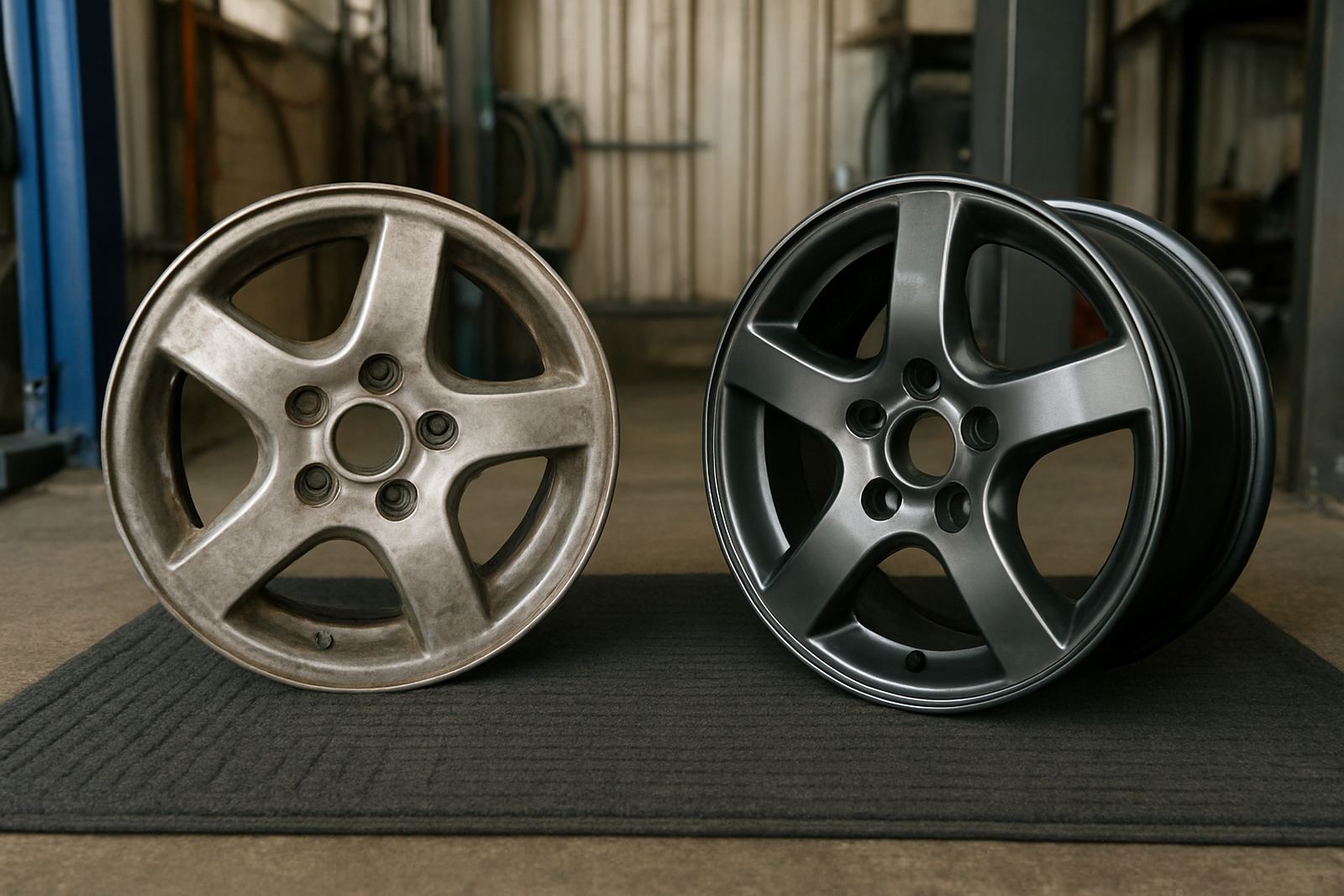
Window tinting, wheel refurbishment and small interior updates can also be planned in the same booking if the vehicle is already off the road. That avoids repeat downtime and cuts the number of times the unit has to be checked in, moved and signed off.
For example, a sales SUV in Sandton may need a colour change on the body panels, tinting on the rear glass and a protective film on the bonnet edge. Rather than three separate appointments, the work can be scheduled together so the client only loses the vehicle once.
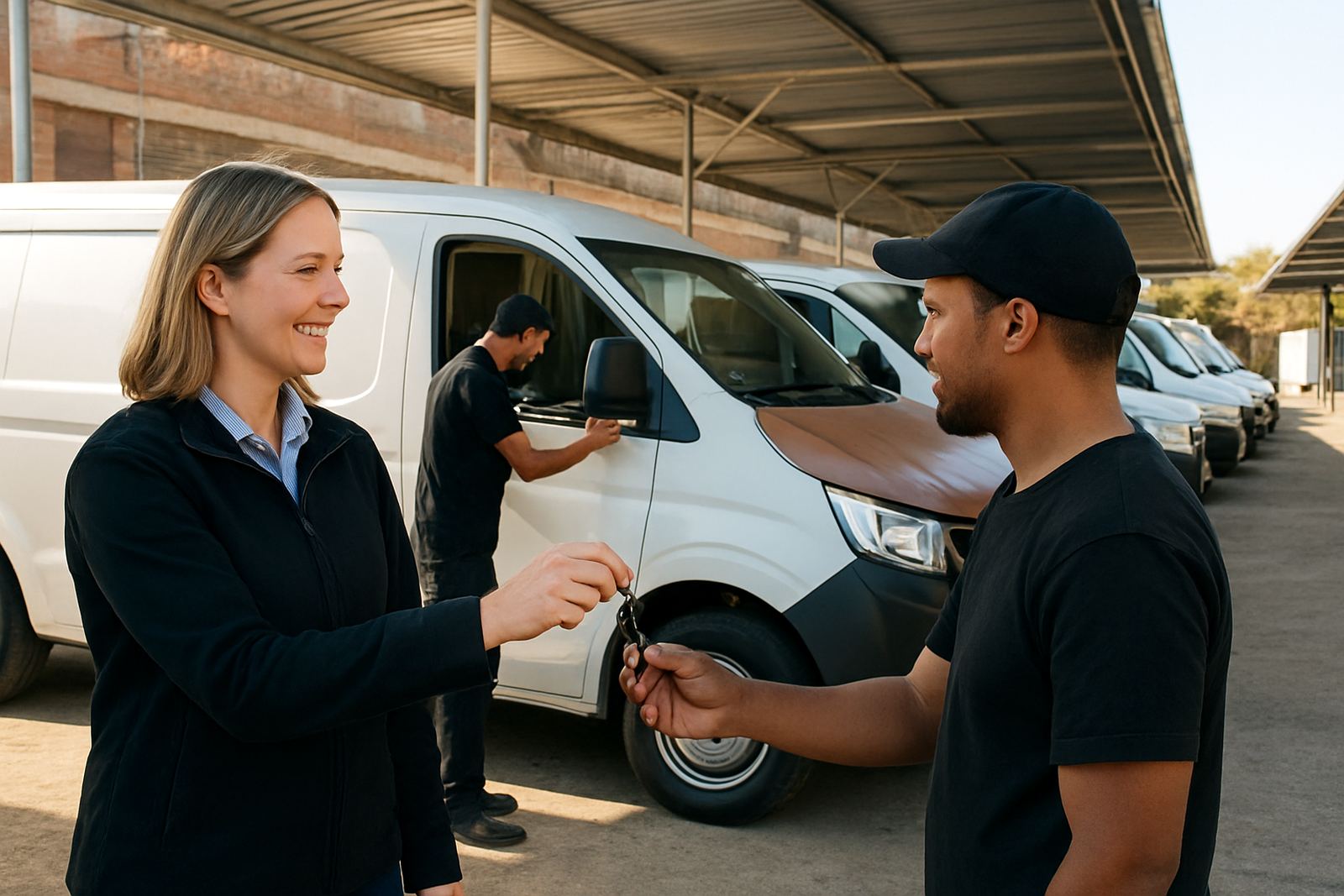
Fleet Jobs Need A Clear Handover Process
Large fleets lose the most time when there is no one person handling handover, approvals and collection. If a driver arrives without the right release note or the operations team does not know which unit is next, the bay sits waiting. A simple handover process fixes that.
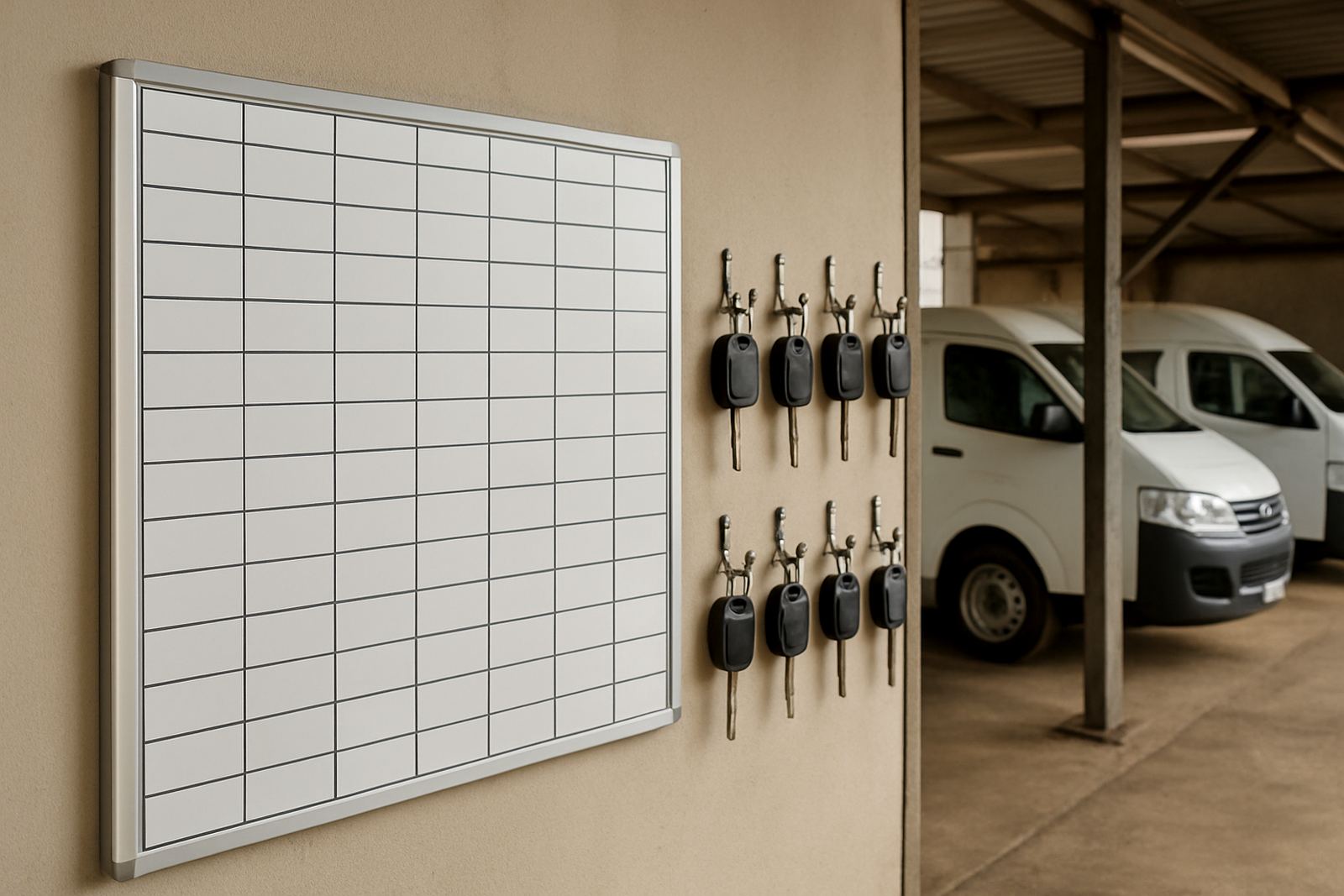
Our fleet projects are easier to keep on time when the customer assigns one contact person. That person confirms registration numbers, keys, dates and any special access notes. If a vehicle has tracking equipment, roof racks, ladder frames or sensors that need care, those details should be shared before the job starts.
- Confirm the vehicle list with registration numbers in advance
- Nominate one contact for approval and sign off
- Share access needs, alarm codes and special fittings early
- Arrange collection times that avoid peak traffic on the N1, N3 or R21
Aftercare Keeps The Vehicle Moving Without Repeat Delays
The job is not finished when the keys are handed back. Good aftercare reduces the chance of bubbling, lifting or early wear that could send the vehicle back for touch ups. Drivers should be told how long to wait before washing, where not to pressure wash, and what to avoid during the first few days after fitting.
This matters even more for vehicles that work long hours in sun, dust or rain. A courier van in Midrand may face different conditions to a coastal fleet in Durban, and aftercare needs to match that usage. Clear instructions keep the finish in good shape and reduce unnecessary repeat visits.
It also helps to plan a quick check after the first few weeks of service. If a panel needs minor attention, it can be corrected early before it becomes a bigger interruption. That kind of follow up is often the difference between a one day stop and a longer recovery period.