
Every millimetre shows up on the road
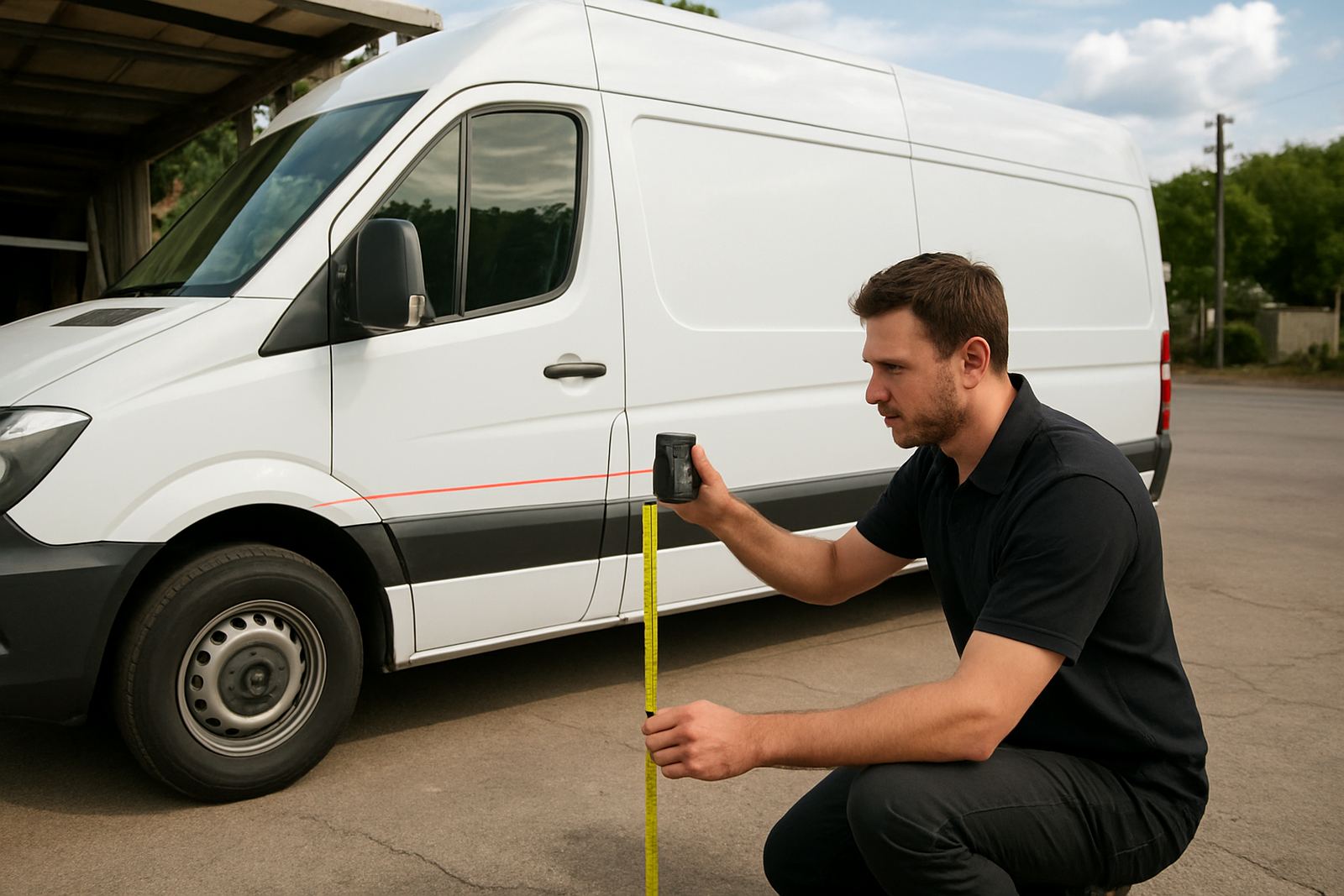
On a straight panel, a few millimetres can disappear. On a bonnet with vents, a rear quarter with sharp lines or a fleet van with raised bodywork, those same millimetres can become lifting edges, stretched film, and visible joins. That is why accurate templates and measurements matter before a single roll is cut. The aim is not only to cover a vehicle, but to cover it in the right way so the material sits properly around curves, handles, sensors and trims.
In Johannesburg traffic, cars spend hours in the sun, then in shade, then in stop start heat with dust on the surface. If the fit is off by even a little, the weak points show sooner. Proper measuring helps the team account for panel depth, compound curves and access points before installation begins, which saves time on site and reduces the chance of rework. It also helps customers budget correctly because there is less waste and fewer surprises.
- Check overall vehicle length, width and height before quoting.
- Map door gaps, mirror bases, handles, badges and sensors.
- Confirm whether a panel needs a full wrap or a seam in a hidden line.
Templates protect material and the budget
Wrap materials are not cheap and neither is the time needed to replace them if a cut is wrong. A measured template lets the team nest sections efficiently, so the vinyl or film is used in a controlled way instead of being trimmed down after a guess. That is especially useful on fleet work where several identical vehicles must match. Once the first unit is measured properly, the rest can be repeated with far more consistency.
This is where alot of waste gets avoided. A panel measured too small means a patch, a seam, or a full replacement. A panel measured too large can pull contamination into the edges or force excess trimming near paintwork and seals. Good measurement keeps the job tidy and keeps costs in check. It also helps when the vehicle arrives with aftermarket accessories fitted, because those parts must be included in the template rather than discovered halfway through installation.
- Use measured templates to reduce overcutting.
- Record repeat measurements for fleet units.
- Include accessories, roof racks and side steps in the takeoff.
Complex vehicles need local experience
A compact hatchback and a delivery van do not behave the same under film. Nor does a bakkie that works in the city compare with one that lives on dusty roads and sees hard sun everyday. In Kya Sand, where many commercial vehicles move between depots, showrooms and worksites, the best results come from measurement that matches the vehicle’s real use, not just its brochure size.
For example, a Pretoria based fleet with ten light commercial vehicles may all be the same make, yet one has roof bars, one has a ladder rack and two carry extra side signage. If the measurement is copied blindly, the wrap can miss important details or leave branding too close to door cuts. The right approach is to measure each unit, note the differences and build the install plan around the vehicle as it arrives. That keeps the fleet looking uniform while still allowing for variation.
- Measure each unit individually, even in a same-model fleet.
- Note roof bars, steps, cameras and factory or aftermarket add-ons.
- Adjust the template for local use, dust, heat and frequent washing.
Surface prep depends on accurate sizing
Measurements are not only for cutting material. They also guide preparation. If the installer knows exactly where a panel begins and ends, it is easier to clean, decontaminate and dry the right areas before application. On a vehicle that has just come out of a wash bay, small pockets of moisture around trim can ruin adhesion if they are missed. That matters in humid coastal areas as well as in Gauteng where morning dew and afternoon storms can change the working surface quickly.
Accurate sizing also helps when a panel needs paint protection film on high wear areas like door cups, sills and bumpers. The film has to cover the section fully without pulling too close to an edge that sees constant contact. Window tinting works the same way, because precise glass measurements help the specialist cut to fit and keep the finish neat around defrosters and seals. When the prep and measurement are right, the install is faster and the end result looks cleaner.
- Confirm dry time after washing before measuring for install.
- Map high-touch zones that need extra protection.
- Measure glass and film areas separately from body panels.
Measurement records make fleet work easier
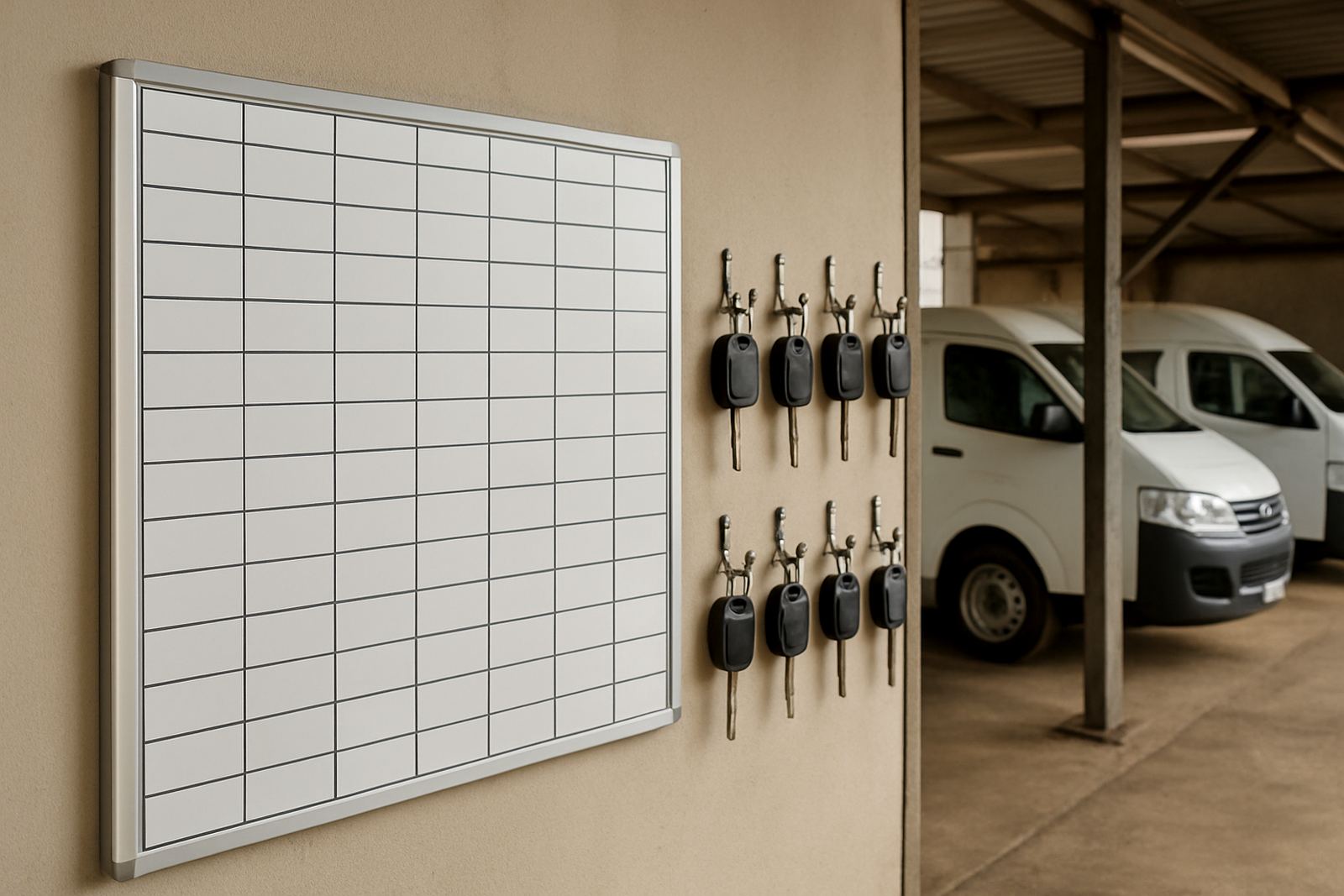
For fleet managers, good records save time on every repeat job. A van that was measured correctly in February should not need a full rethink in July unless the spec changed. Keeping notes on panel sizes, logo placement, colour breaks and replacement parts means each new vehicle can be matched faster. That helps with brand standard work where the same look must be carried across sedans, SUVs and panel vans.
It also helps after a repair. If a side panel is resprayed or a mirror cap is replaced, the old measurements show what needs to be checked before the vehicle returns to service. A simple record of sizes, photos and positioning notes can prevent branding from sitting too high or too low on the next unit. In fleet projects, that sort of consistency is worth more than a fancy sales line because it keeps the road presence steady and makes reorders easier.
What good measurement looks like on install day
On install day, measurement work should show up in the speed of the fit and the final finish. The material should land with enough margin to wrap edges cleanly, but not so much that it creates heavy trimming. The installer should not be fighting the film at every corner. Doors should open and close without pulling on exposed edges, and the wrap should respect factory curves instead of forcing them flat.
The process begins with the vehicle details, the intended use and the real conditions it will work in. A small business owner in Sandton may need a colour change for a sales vehicle that is polished every week. A courier fleet in Midrand may need practical branding that holds up to constant loading and exposure. In both cases, the measuring stage tells the team how to cut, where to allow extra material, and where a careful seam might be the better option. When that part is done well, there is less waste, fewer call backs and a better finish for the customer.
- Allow for edge wrapping where panels permit it.
- Keep seams in hidden or low-visibility areas.
- Check fit before final trimming and heat setting.