
Why Seasonal Wraps Work When Timing Matters
A seasonal campaign has a short window to make an impression. If you are pushing a summer special, a year-end retail drive, a trade show, or a roadshow across Gauteng, your vehicle becomes moving space that people see in traffic, at loading bays and outside client sites. That is why temporary wraps suit campaign work so well. They put a message on the road fast, and they can be removed when the dates are done.
For many South African businesses, the value is not only in attention. Seasonal wraps help keep your vehicles aligned with current pricing, current offers and current events. One month you may be advertising a school holiday promotion, the next a winter service check or festive trading hours. A well planned wrap keeps your fleet current without repainting or rebranding every time the message changes.
This comes up most often at our Kya Sand base with sales teams, event vehicles, service vans and promotional fleets that need a clean, controlled look for a limited period. The key is to treat the wrap like a campaign asset, not just decoration.
Choose The Right Campaign Format For The Job
Not every seasonal message needs full coverage. The best format depends on the vehicle, the distance it travels and how long the campaign will run. A month-long launch in Sandton may only need high-impact side panels and rear graphics. A three-month national promotion may call for a more complete temporary wrap with clear phone numbers, web details and product images.
- Partial wraps suit quick activations, launch days and short retail promotions.
- Full wraps suit national campaigns, franchised fleets and strong visual changes.
- Magnetic or removable panel graphics can work on selected vehicles where access changes often.
- Window graphics help when you need extra message space without covering the full bodywork.
The vehicle itself matters too. A small hatchback used by a rep in Midrand has different needs from a panel van doing delivery runs in Durban. We often advise clients to match the wrap size to the route and parking pattern, so the message is visible where people actually see it, not only when the vehicle is moving.
Plan Around South African Conditions
Temporary graphics still need proper surface preparation and the right film choice. South African conditions can be hard on vinyl. Coastal humidity, strong summer sun, tar dust, and frequent wash cycles all affect how a wrap performs. In Johannesburg, heat and dust build-up can shorten life if the vehicle is not cleaned properly before fitting. In Durban, moisture and salt air can make edge sealing more important.
Campaign wraps also need planning around load-shedding, delivery deadlines and trading calendars. If a launch is set for a Friday morning, fitting should not be left until the day before. Printing, cutting, panel checks and installation all take time. A rushed job is where colour shifts, lifting edges and poor alignment show up later.
For event work, we recommend allowing enough time for artwork approval, final proofing and vehicle inspection. If the fleet is used every day, arrange a staged fit so the business can keep moving while the campaign is being applied. That saves missed drops and keeps drivers on schedule. It also gives the team time to check for existing dents, stone chips or paint issues before installation.
What Makes A Temporary Wrap Last The Full Campaign
A temporary wrap should look good on day one and still read clearly in week six. That comes down to the base surface, the type of film used, and how carefully the panels are installed. Clean paint, dry weather during fitting where possible, and careful edge work all make a difference. A campaign wrap should not start lifting because the van spent a few hours in the sun at a site visit.
At the production stage, artwork needs to be simple enough to read at traffic speed. Avoid cramming too much into one panel. Use large product names, a short offer, a contact point and one clear call to action. In busy areas like Sandton or the East Rand, people get only a few seconds to take in the message. That means strong contrast, good spacing and no unnecessary clutter.
- Use large lettering for dates, offers and phone numbers.
- Keep brand colours consistent across every vehicle in the campaign.
- Check the wrap in daylight before sign-off, not only under workshop lighting.
- Plan for safe removal so paint and trims are not damaged later.
With the right approach, even a short run can carry real value. We have seen fleet managers use one campaign across several branches, with each vehicle carrying the same message and local contact detail. That keeps the look uniform while still serving the branch closest to the customer.
A Johannesburg Launch Example Done The Right Way
Consider a retail group launching a winter homeware special from a Kya Sand base, with service runs through Sandton, Midrand and the East Rand. The brief is to promote a limited offer for six weeks, support in-store footfall and keep the vans recognisable at every site. In that case, the wrap might use bold side graphics, rear messaging for traffic visibility and small window panels that do not block driver visibility.
The campaign can then be rolled out across the fleet in phases, starting with the highest-traffic vehicles first. A team like ours would coordinate design and artwork, surface preparation, fitting, and aftercare so the business is not left juggling different suppliers. If the vehicles later return to neutral branding, the removal process must be planned so the paintwork stays intact and the next campaign can follow without delays.
This is where local knowledge counts. Johannesburg traffic means your rear graphics do a lot of work. In busy stop-start conditions, the back of a van may be the most seen panel on the road. That is why campaign wraps should be designed for the reality of South African driving, not only for a static mock-up.
How Auto Wrap SA Supports Short-Term Campaigns
Seasonal work needs speed, accuracy and good follow-through. Auto Wrap SA handles campaign wraps from our Kya Sand base and supports clients across Johannesburg, Pretoria, Durban, Midrand, Sandton and the East Rand through our wrap bays nationwide. That lets businesses manage one campaign standard across different locations and vehicle types.
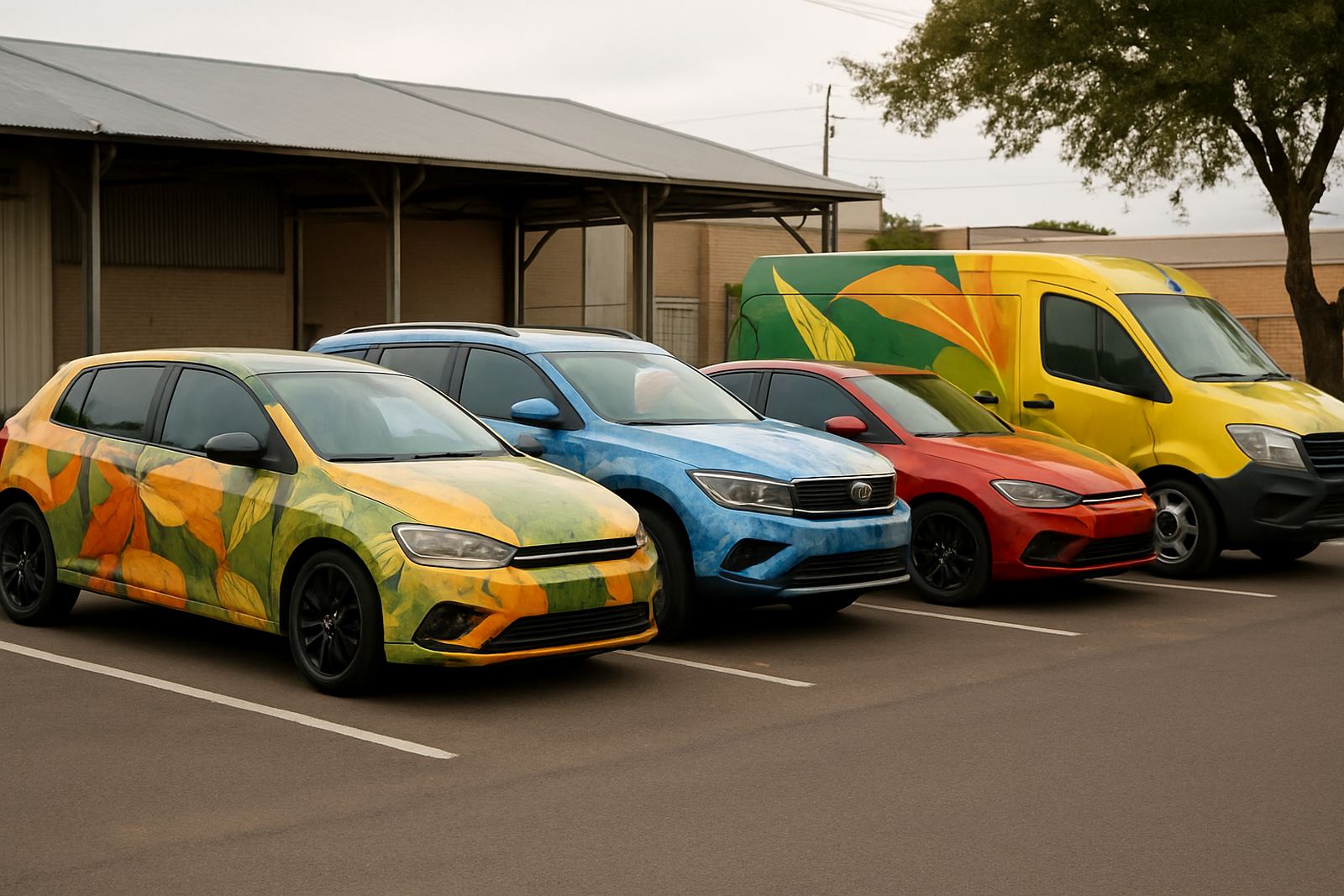
Our process is practical. We start with the brief, then move through artwork, fleet brand standard checks, surface prep, installation and aftercare support. If the campaign includes multiple vehicle types, we plan the fit-out sequence so vans, cars and support vehicles all match. For businesses that need extras, we can also coordinate tinting, interior restyling, PPF or wheel refurbishment alongside the wrap work when the campaign requires it.
- Short notice launch support for activations and trade promotions.
- Consistent colour and placement across mixed fleets.
- Clean removal when the campaign ends.
- Advice on care during the campaign period.
If your team is planning a seasonal drive and needs vehicles that work as part of the promotion, the wrap should be scheduled early. It is one of those tasks that looks simple from the outside but needs proper handling to avoid delays and costly rework. Done well, it gives you a moving message that supports the trading period from first day to last.