Start With The Job The Bakkie Actually Does
Before you choose a graphic, decide what the bakkie must say in 3 seconds. A plumber’s double cab, a builder’s single cab and a service unit carrying stock all need different layouts because the body panels are not the same and neither is the viewing distance on the road.
On a moving vehicle, people usually catch the side first, then the tailgate, then the bonnet if they are parked behind you at traffic lights. That means the clearest contact details should sit where the eye naturally lands, not buried over a wheel arch or split across a door handle.
For bakkies used on site, keep the message direct. Business name, what you do, a phone number, maybe a website or message if it is checked often. If the bakkie also carries staff, tools or stock, leave space for safety markings and registration numbers so the branding does not fight the legal stuff.
Use Panels, Not Every Inch
Curved panels and broken body lines can make a full design look busy fast. A good approach is to treat each door, canopy side and tailgate as a separate panel and let the lines of the vehicle do some of the work for you.
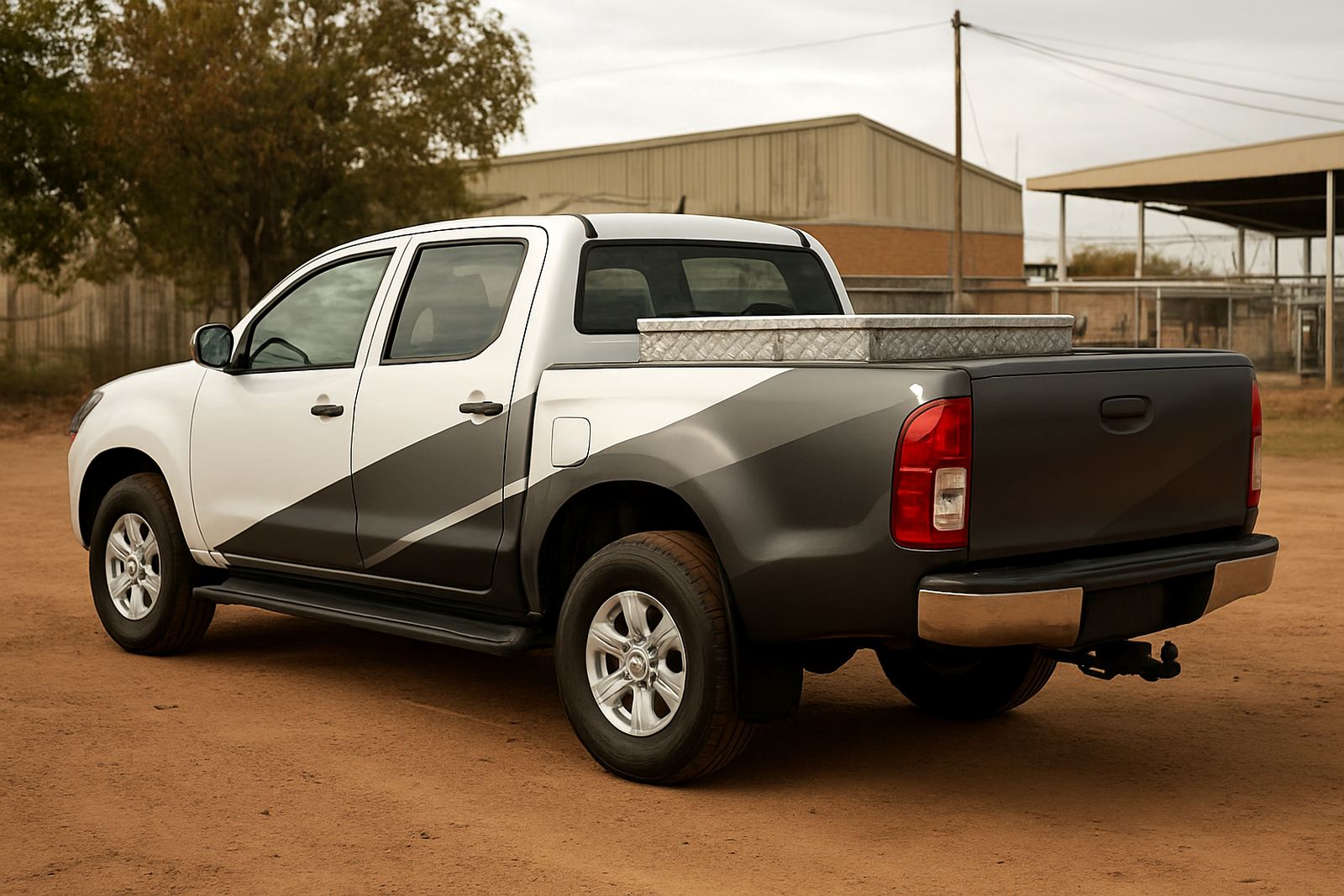
Solid colour blocks, simple diagonals and one strong logo often age better than a packed layout. When a panel bends around a wheel arch or fuel flap, fine text can distort and become hard to read so it is better to keep text away from those trouble spots.
- Put the logo on the largest flat side panel you have.
- Use one main message per side, not three.
- Keep thin fonts off curved sections and handle recesses.
- Leave breathing room around door gaps and trim pieces.
A well planned partial wrap can actually look sharper than wrapping everything. It also makes repairs easier if one section gets scratched by branches, ladders or a loading bay bollard.
Choose Colours That Work In Johannesburg Light
In Johannesburg sun, bright colours can look strong from a distance but may glare on glossy panels at midday. Darker corporate colours usually hold up better on a working bakkie, especially if the vehicle spends long hours outside in Kya Sand, Midrand or on job runs between customers.
If the fleet already has a standard colour, match the wrap to that tone and use contrast for the wording. Black on white, white on navy, and yellow on charcoal are common because they stay readable in traffic and still show well when the bakkie is dirty, which it will be.
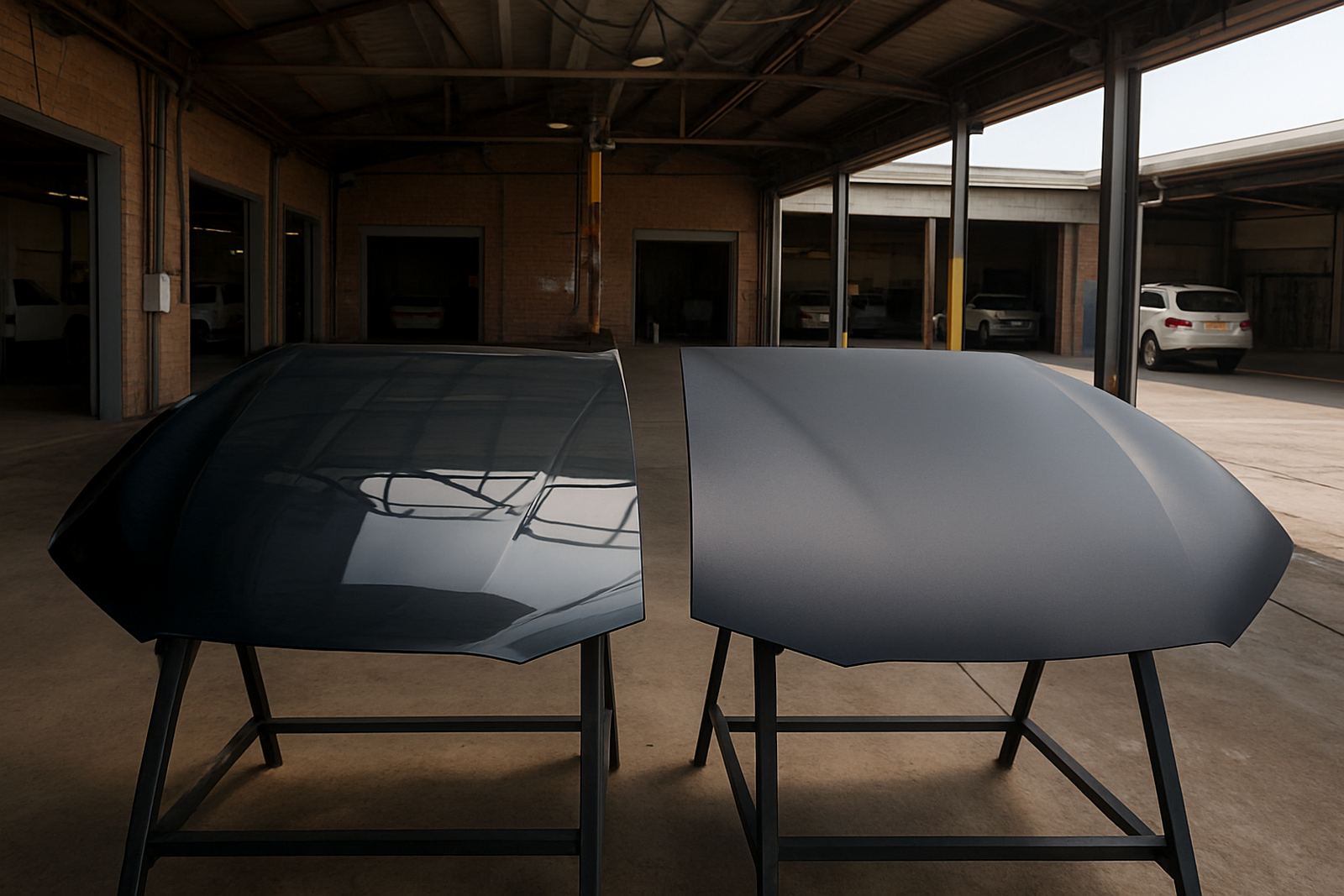
For coastal jobs or vehicles heading to Durban, ask for materials and finishes that cope better with heat, humidity and frequent washing. A matte or satin finish can also hide minor marks better than a highly reflective one, though it must still be cleaned properly.
Brand The Tailgate For Traffic And Job Sites
The tailgate is often the most useful space on a bakkie because people sit behind you in traffic and read it at close range. This is where you can place the clearest contact details, a service list, or a short line that tells people what you do without making them guess.
For example, a bakkie working in Sandton might carry a company name on the sides, while the tailgate shows a phone number, message and website. On site vehicles, it helps to include the branch area too, especially if the same business works across Pretoria, the East Rand and Johannesburg.
- Use the tailgate for the most important call to action.
- Keep font size generous so it is readable in stop-start traffic.
- Do not run key text across a handle, badge or number plate recess.
- If the tailgate opens daily, protect high-wear edges with proper edge finishing.
Simple tailgate branding is also easier to update when contact details change, and that matters for fleets that grow quickly or move between branches.
Use Interior Touchpoints For A More Complete Finish
Not every branding idea has to stay outside the bakkie. Interior wraps on trim pieces, glove compartments and console areas can tidy up a tired cabin and make a work vehicle feel more sorted. This is useful for client-facing staff who spend the day in the vehicle and need a clean impression when doors open.
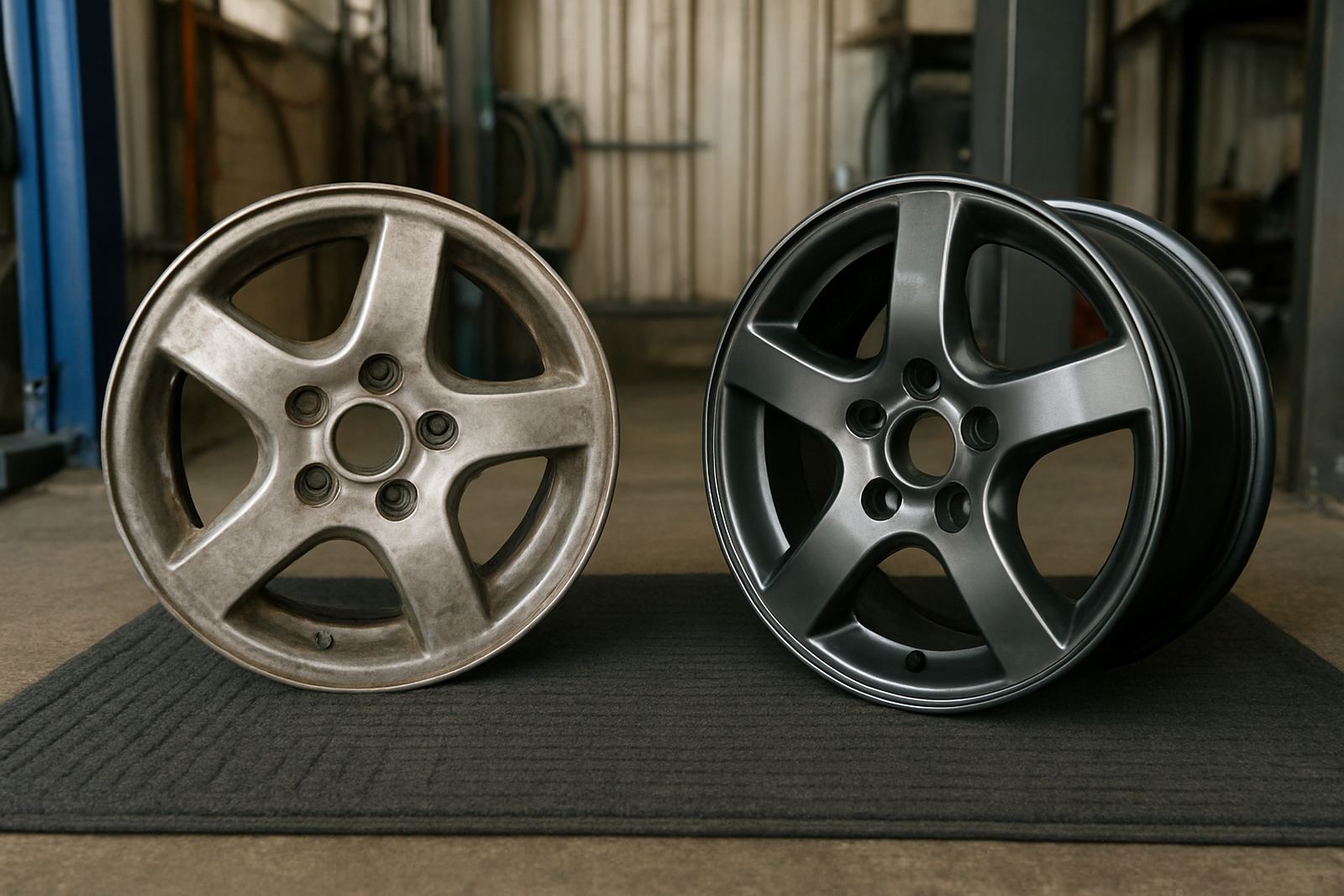
Wheel refurbishment can also tie the whole look together. If the exterior carries a clean black, grey or colour change wrap, fresh wheels stop the vehicle from looking half finished. It is a small detail but on a fleet of bakkies, the difference is noticeable.
Window tinting needs to stay within local rules and it should never block the driver’s view. Done properly, it helps with heat control and gives the cabin a neater look, which matters when the vehicle doubles as a mobile office or tool carrier.
A Local Example: A Sandton Service Bakkie Done Properly
One practical approach for a Sandton based service bakkie is a half wrap on the sides, a bold tailgate, and a clean bonnet strip that does not overrun the grille or headlights. The result is neat, visible and cheaper than chasing every curved panel with full coverage.
For a vehicle that goes from the Kya Sand base to client sites across Johannesburg, this setup also makes sense for maintenance. If the bakkie gets scratched while loading materials or reversing into a yard, only the lower section may need attention. That keeps downtime down and helps the vehicle stay on the road instead of sitting in a spray booth for days.
With fleet work, the same pattern can be repeated across multiple bakkies so the brand stays consistent even when the fleet includes different cab sizes and body styles. That consistency makes it easier for customers to spot your vehicles and trust that the crew belongs together.
Keep Maintenance In The Plan From Day One
Good bakkie branding is not only about day one shine. It needs a plan for washing, minor repairs, wrap removal and aftercare support so the finish stays tidy through winter dust, summer heat and the odd load-shedding scramble when vehicles are collected after hours.
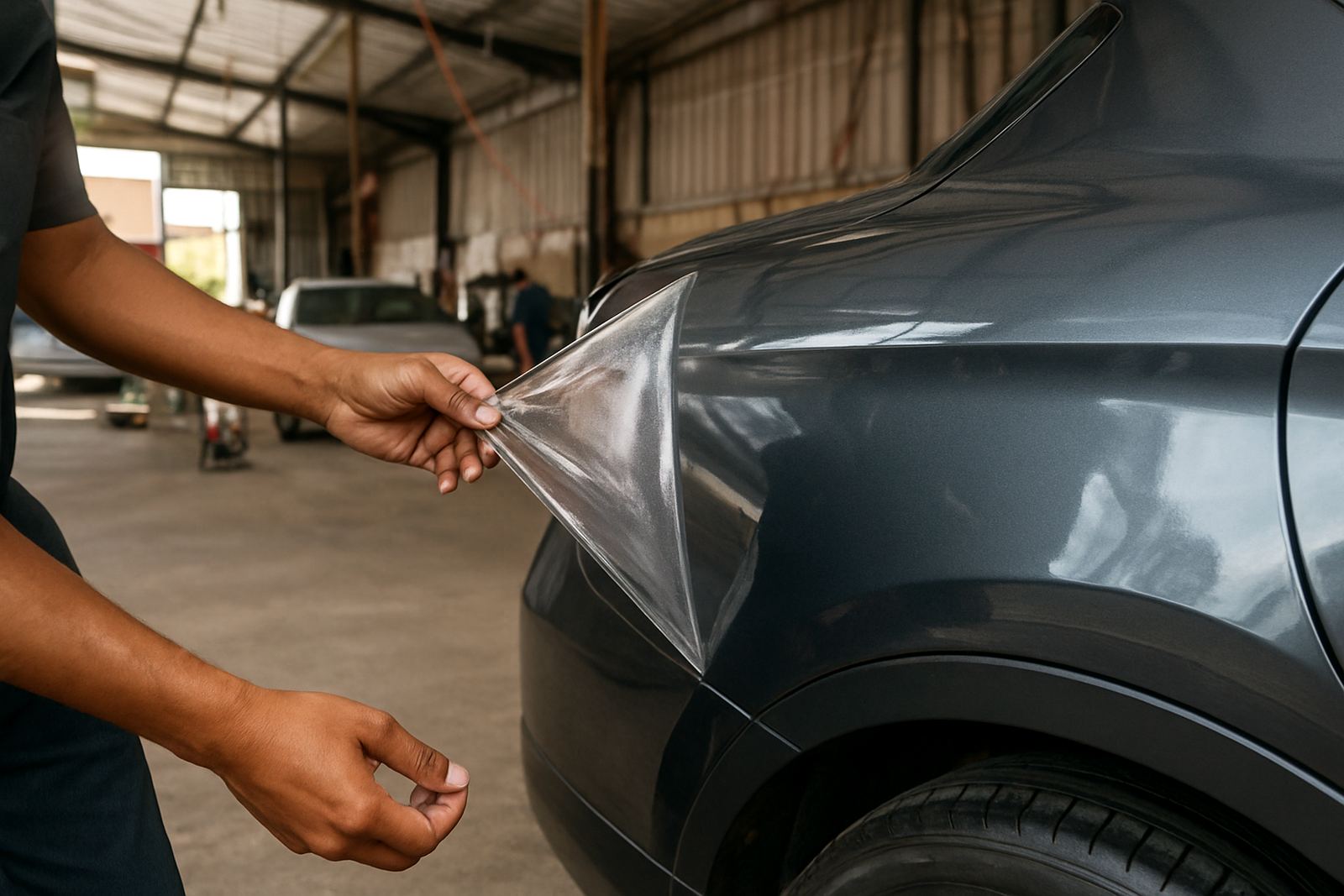
Ask how the vehicle will be prepared before installation, because surface prep makes a real difference on work bakkies that have seen tar, wax, stickers or older paint. A clean base, careful fitting and proper curing time help the graphics last longer and peel less at edges.
If your fleet is growing, it is worth setting a brand standard early. That makes future bakkies easier to sign off and avoids one vehicle looking different from the next. On a busy Johannesburg road, that kind of consistency is worth plenty.