
Why the first photos matter more than you think
A freshly wrapped vehicle photographs better than one that has spent a week on the road through dust, rain and site visits. The colours are sharper, the panels are still free of scuffs, and the finish shows the wrap at its best for clients who may never see the vehicle in person.
For South African operators, that matters because a fleet photo is often used in tender submissions, capability decks and even insurance records. If your vehicles work in Johannesburg traffic one day and on coastal routes the next, those early images create a clean reference point before grime, sticker build-up and minor wear start to show.
Many businesses book the wrap first and only think about photos afterwards. That can mean re-washing vehicles, chasing drivers, and losing the clean look that makes the investment easy to market. A proper fleet photo day is simply part of the rollout, not an afterthought.
What to capture before the fleet goes back on the road
Good fleet photography is not only about standing a bakkie in front of a wall and snapping one side. You want a set of images that proves the work, shows consistency across vehicles, and gives your marketing team useful material for months.
- Front three-quarter view on level ground
- Driver side and passenger side profile shots
- Rear view with registration visible if needed
- Close-up of logos, contact details and any service markings
- Interior shots if you have done cabin branding or protective film
- Wheel and trim details where refurbishment or colour change has been completed
Keep the vehicle closed, windows clean and tyres dressed lightly. If the fleet includes delivery vans, panel vans or service vehicles, photograph them with any ladders, racks or fittings in place so the final image matches what the customer sees on the road.
The best time of day for fleet photos in Gauteng
In Kya Sand and across Johannesburg, the best photos usually happen early morning before the sun gets harsh. Midday light creates strong reflections on gloss vinyl and makes window tint look darker than it really is. Early light gives a more even result and helps the wrap colours read properly.
If you are photographing in an industrial area, choose a clean wall, a paved yard or a quiet section of the premises where the background does not fight with the vehicle. Avoid overhead cables, bins, parked trailers and anything that distracts from the branding. On larger fleets, set up one fixed mark on the ground so each vehicle can park in the same place. That makes the gallery look tidy and consistent.
For operations running through load-shedding schedules, plan the photo slot before the day gets disrupted. A short window of 30 to 45 minutes can cover a full fleet if the vehicles are staged properly.
How to prepare vehicles so the wrap reads properly on camera
A camera will show dirt, finger marks and bad panel alignment faster than the eye. That is why the prep matters. A clean vehicle is not only for presentation, it helps check that the wrap has settled correctly and that no lifting is visible at the edges.
- Wash and dry the fleet the evening before or early on the day
- Remove temporary stickers, toll slips and loose paperwork from the windscreen
- Check that number plates are clean and straight
- Fold mirrors out and align steering wheels straight
- Make sure toolboxes, roof racks and loading gear are fitted correctly
- Ask drivers to clear the cabin of personal items if the interior will be photographed
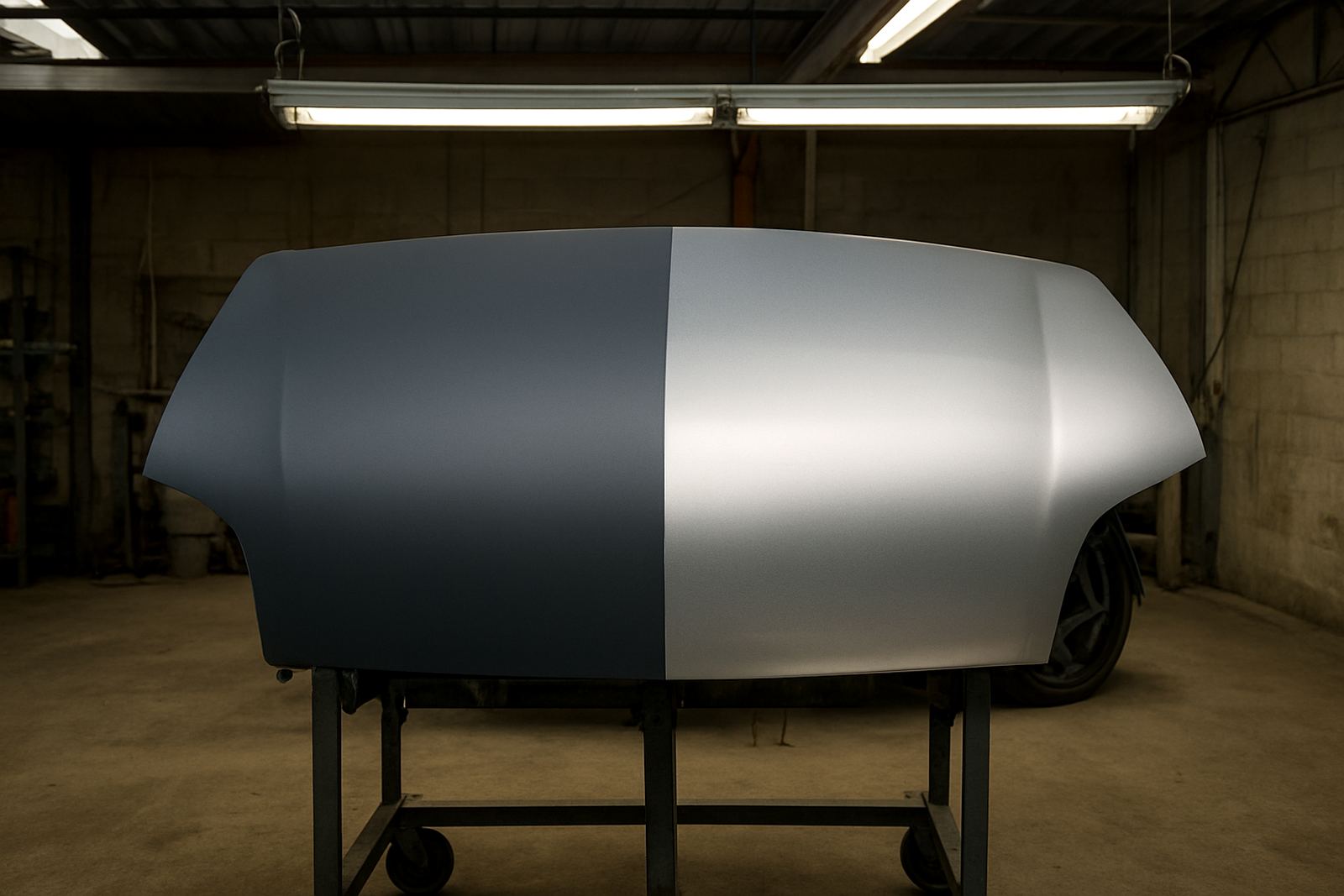
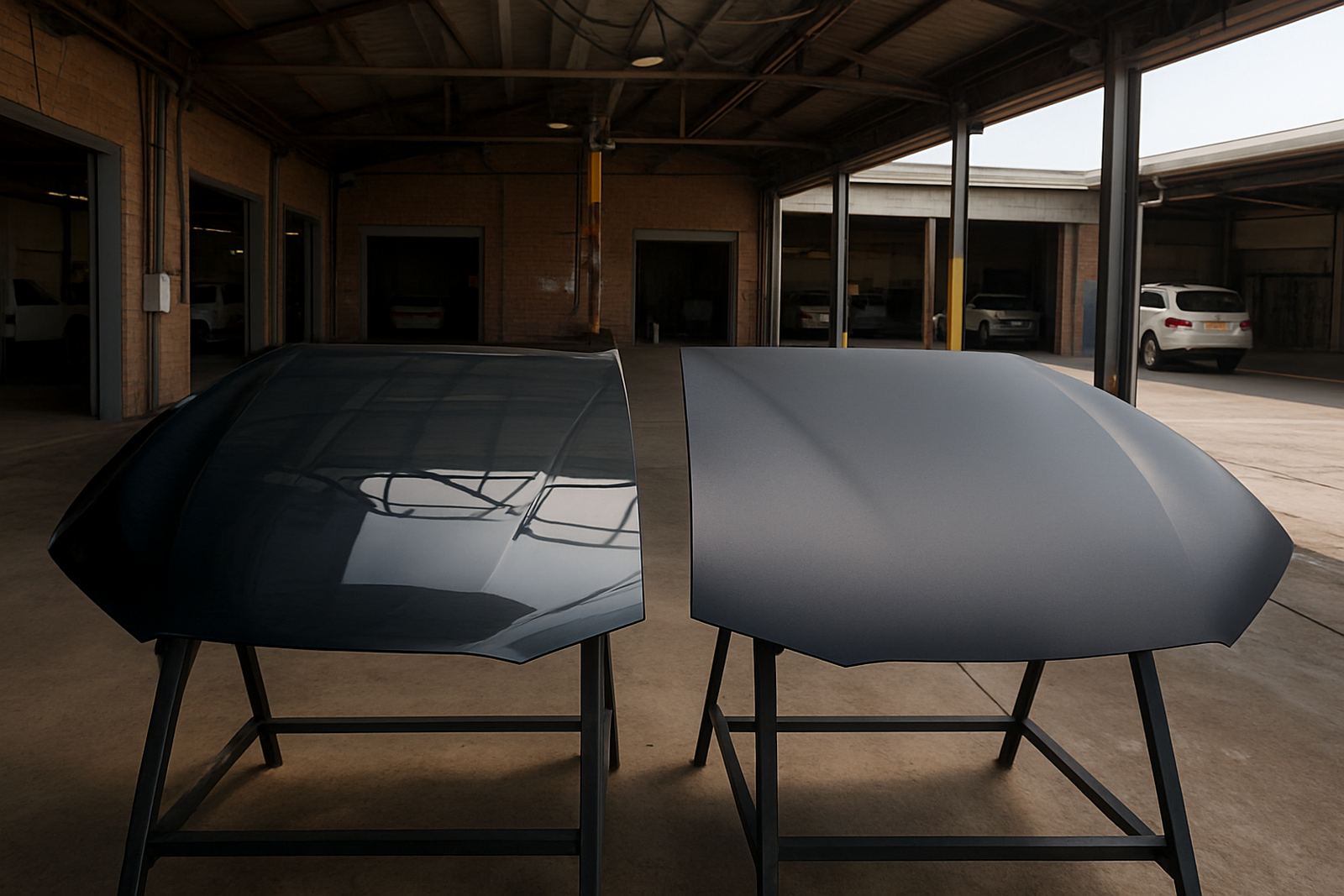
For white vehicles especially, strong sunlight can expose dust and adhesive edges, so a quick wipe-down just before the shoot helps. If the wrap includes matt or satin finishes, check them in the shade and in open light because those finishes behave differently on camera. A small scratch may be invisible from two metres away but obvious in a close-up.
Using fresh wrap images for tenders and sales
Many operators underestimate how useful a fresh fleet gallery can be when pitching for work. A strong image set gives a buyer proof that your vehicles are branded properly, your team takes presentation seriously and your operation is organised enough to manage uniform standards across the fleet.
For tenders, include a short caption with each image: vehicle type, service area and the branding treatment completed. For example, a Pretoria service van, a Sandton courier bakkie, or a Durban support vehicle. That kind of detail helps procurement teams understand your reach without needing a long explanation.
Fresh photos also work for social media, brochures and message signatures. One shoot can feed multiple channels if the files are labelled correctly from the start. We always suggest saving both full-resolution images and lighter versions for quick use by sales teams.
A Johannesburg example from a mixed fleet rollout
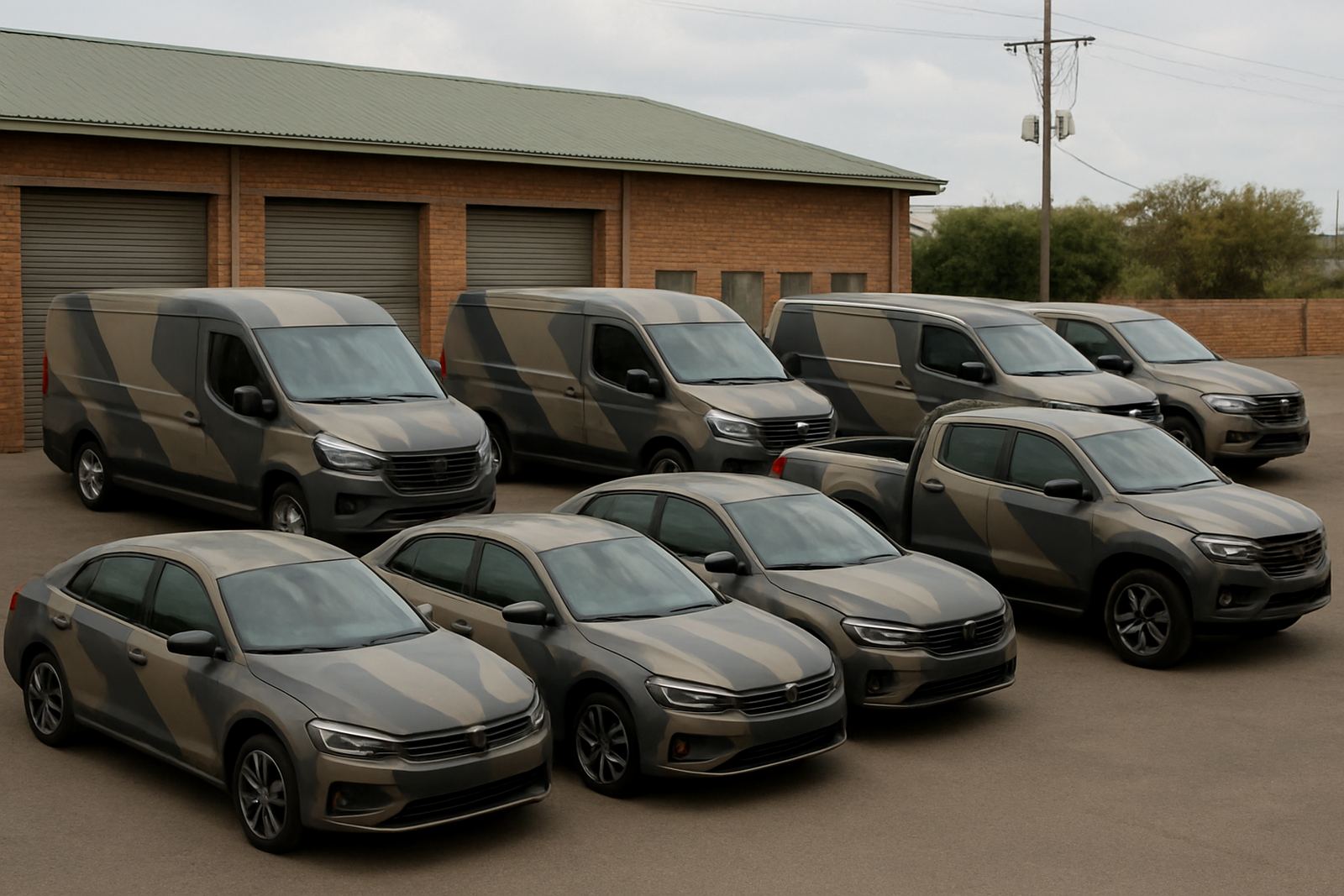
A Kya Sand-based services company recently rolled out new branding across a mixed fleet of bakkies, panel vans and small cars used across Gauteng. The owner wanted the vehicles photographed before they left for site work the next morning, because the images would be used in a tender for a facilities contract.
We staged the vehicles on the yard, washed the panels, checked the final wrap edges, and shot the fleet in one morning before the sun got too high. The result was a clean set of images showing the same colour system across every vehicle, even though the fleet sizes differed. Those photos were later used in the tender pack and on internal staff materials. It saved the client from re-doing the shoot later when the vehicles were dusty and one van had already picked up a small scuff on the rear quarter panel.
That is the point of fleet photo day: get the images while everything still looks new and before daily operations start to blur the details.
What to ask your wrap team for on the day
Good photo day support is practical. It should help your vehicles look right, your branding read clearly and your files land in a format that is easy to use. Ask for a clean handover of the vehicle details, wrap treatment and any special instructions for the photographer or marketing team.
- Confirmed vehicle list and registration references
- Brand colours and approved logo placement notes
- Any areas that must be shown for tender compliance
- Aftercare guidance for washing and touch-ups
- Contact person for any future re-shoots or additional vehicles
We finish the wrap properly, photograph it while it is still fresh, and give the client images they can use straight away. That small step can make a big difference when a tender closes fast or a sales lead needs proof of capability the same day.