What a wrap does better than paint
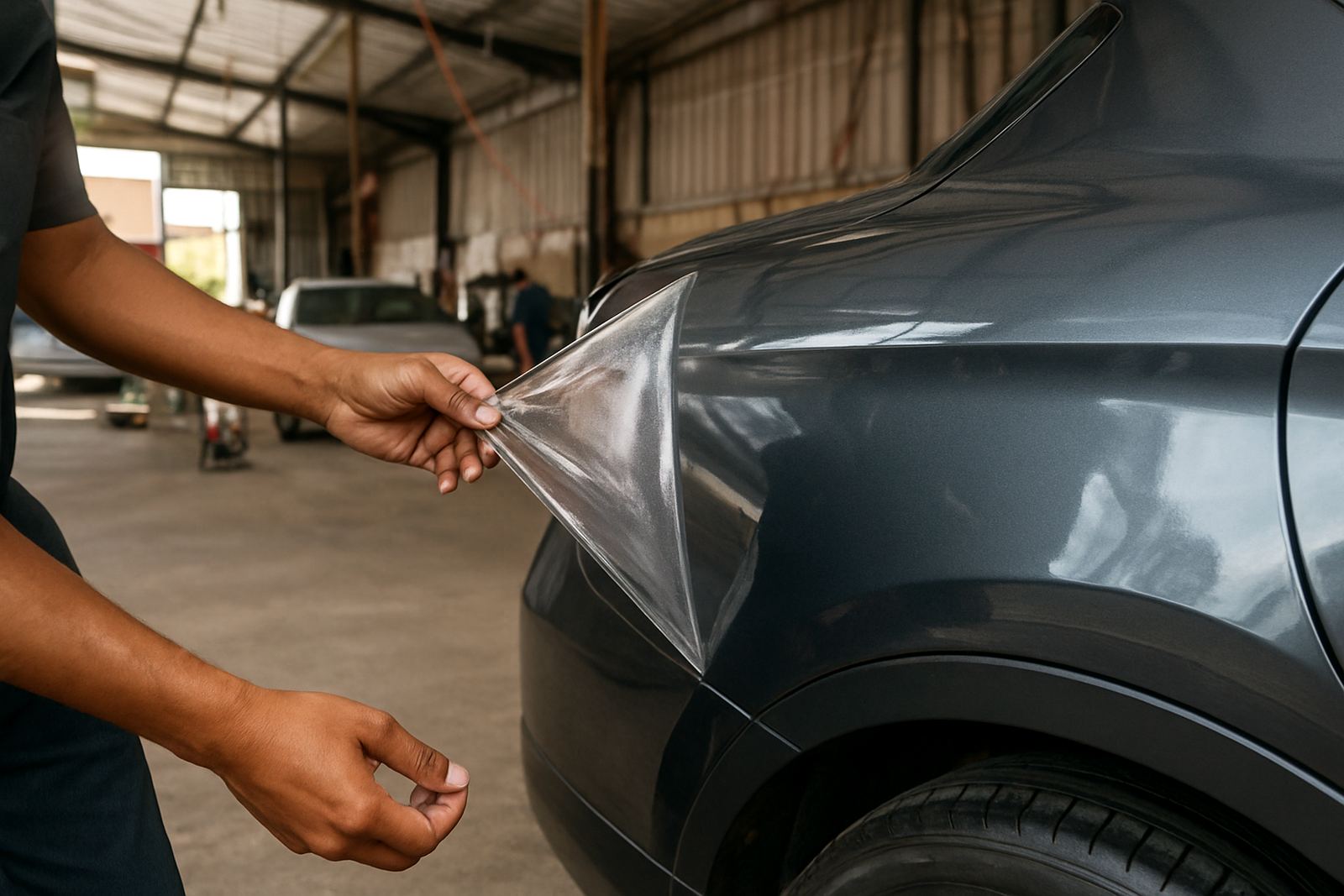
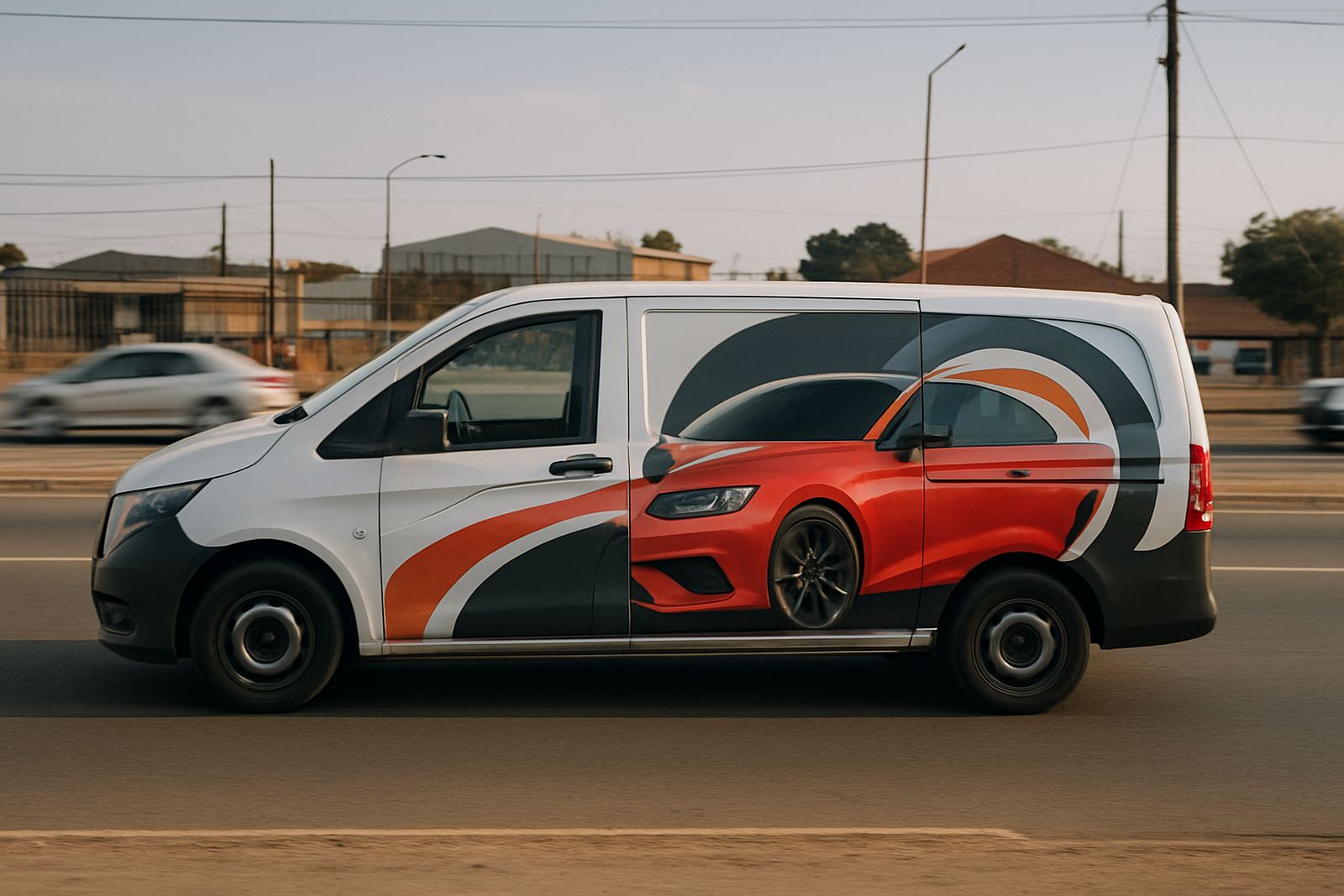
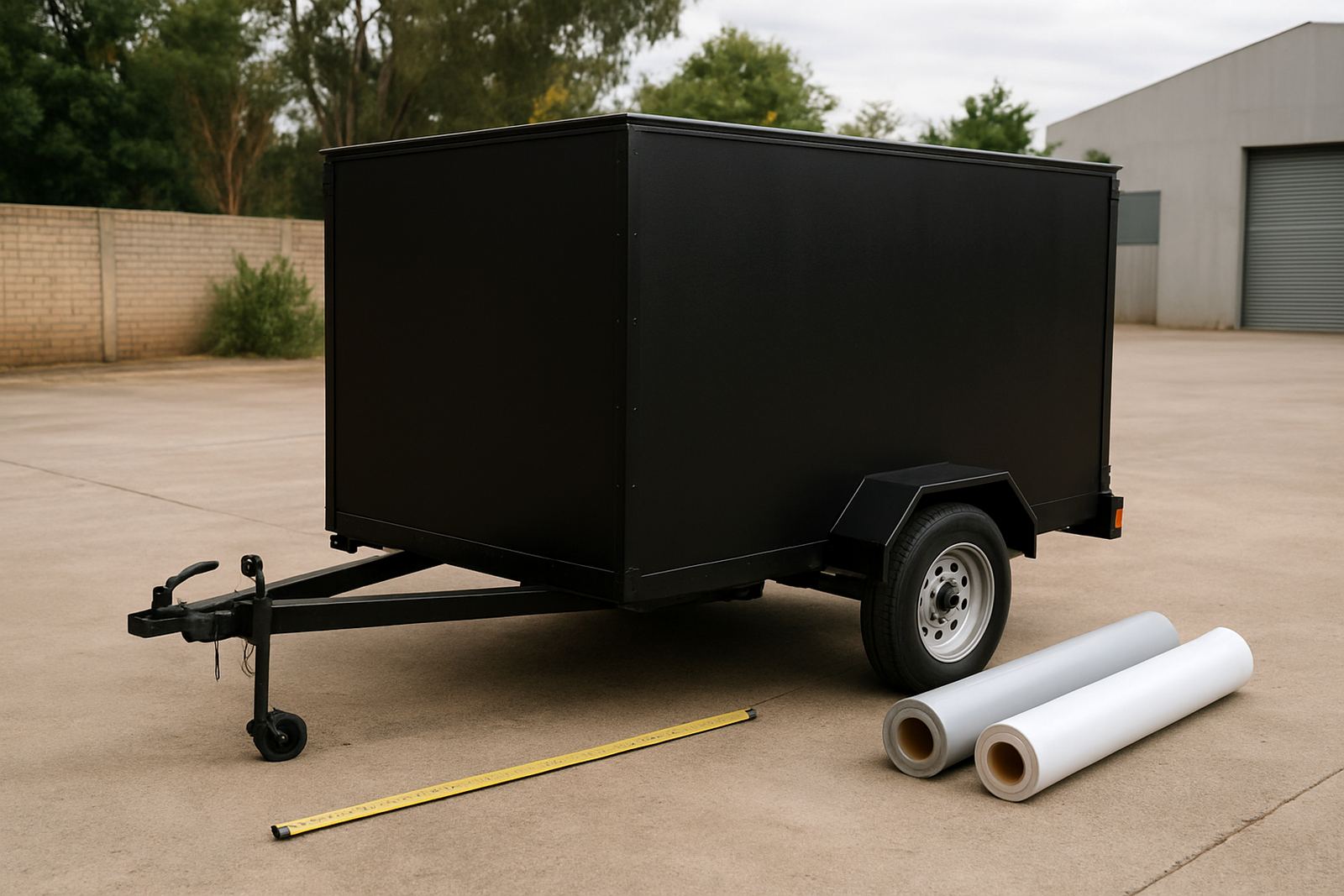
A vehicle wrap changes the look of the body panels with printed or colour-change vinyl, fitted over properly cleaned paintwork. For business owners, that means a truck, panel van or company car can be rebranded without stripping the original finish. A wrap also lets you change colour later without sanding back layers of paint.
For fleets, this matters because vehicles often need to stay earning. A full repaint can take longer and usually means more time in the workshop. A wrap is often quicker, provided the panels are in good condition and the paint underneath is sound.
- Useful for branding on cars, bakkies, vans and trucks
- Easier to update when phone numbers, logos or services change
- Helps protect the factory paint from light stone chips and UV exposure
- Can be removed later if the vehicle is sold or re-assigned
Where repainting still makes sense
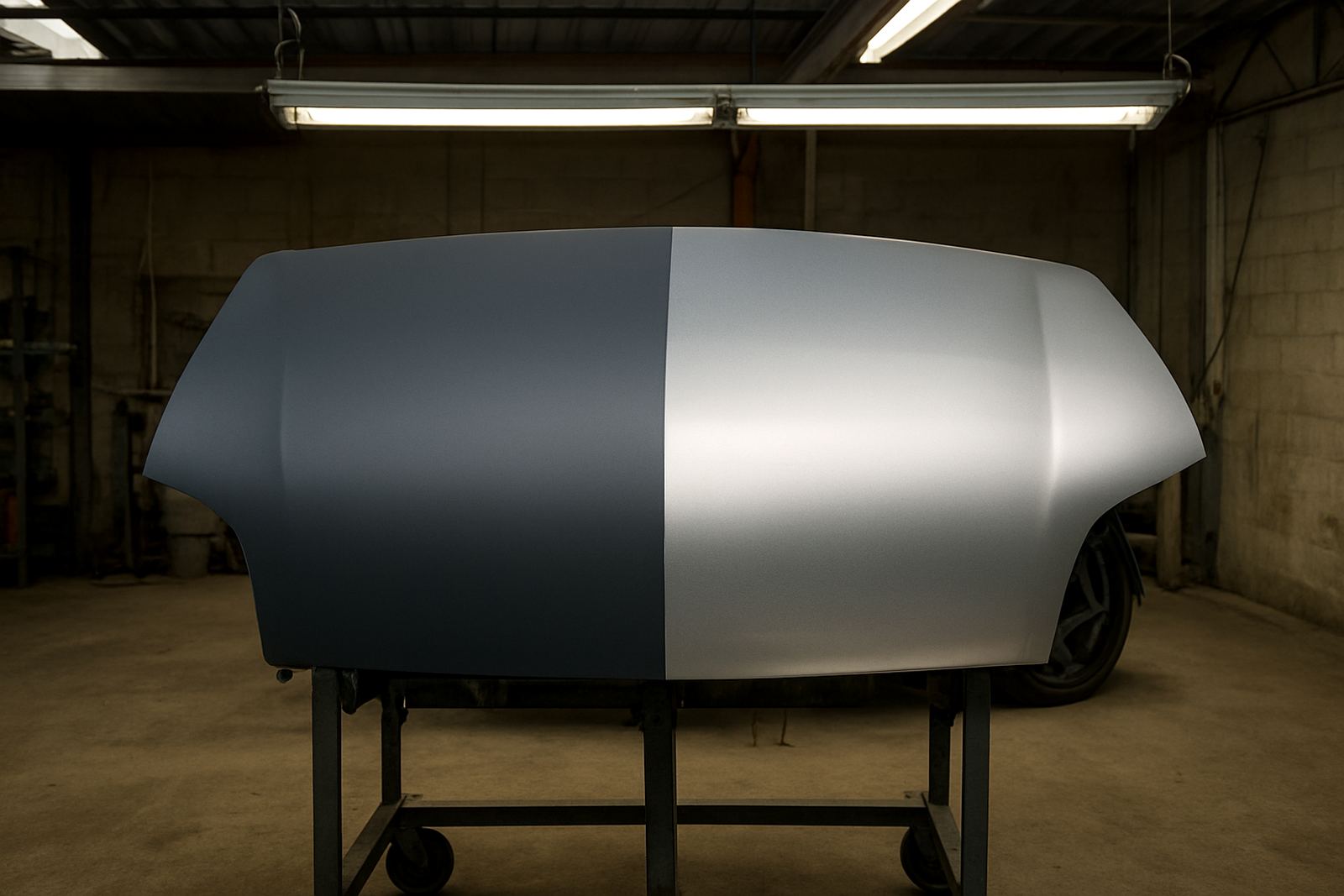
Repainting is still the better route when the body has rust, filler cracks, poor previous repairs or panel damage that must be corrected first. If the surface is rough or the paint is failing, a wrap will only show those faults through the vinyl. In those cases, paint comes first, then wrap if needed.
It is also worth considering repainting if you want to match a rare factory colour or you are restoring an older vehicle for keeps. Paint gives you a permanent finish, while a wrap is a surface solution. That is not a bad thing, it just serves a different purpose.
- Best when panels need bodywork or corrosion repair
- Suitable for permanent colour changes on older vehicles
- Can be easier to blend repaired sections on damaged bodywork
- May be preferred for classic vehicles with historical value
Cost, downtime and the hidden maths
People often compare only the sticker price, but the real cost includes time off the road, lost work and future changes. A repaint can look cheaper at first, then grow once dents, prep, primer and multiple coats are added. A wrap may cost more than a quick respray but usually gives clearer budgeting because the process is more defined.
Downtime is where many businesses feel the difference. If a delivery van or sales bakkie is parked for too long, the vehicle is not earning. For that reason, fleet managers often choose wrapping when they need a controlled turnaround and can not afford a long pause.
- Wraps are often easier to budget for on fleet rollouts
- Repainting can increase in cost if body repairs are needed
- Shorter downtime helps keep vehicles active and invoiced
- For leased vehicles, wraps can reduce end-of-term rework
Johannesburg conditions and how they affect the finish
Johannesburg sun, dust from site work, daily commuting and pressure washing all affect the life of a vehicle finish. In Kya Sand and surrounding areas, many work vehicles see strong UV on the roof and bonnet, plus dirty roads that can mark soft paint. A well-fitted wrap helps with day-to-day protection, but it still needs aftercare.
Coastal humidity down in Durban brings its own concerns, while inland vehicles face heat cycling and dry dust. Either way, the surface prep matters. If the paint is chalking, peeling or poorly repaired, neither vinyl nor fresh paint will last as expected. That is why a proper inspection comes before any job starts, not after.
For fleet work, we often see owners ask for a colour change and branding at the same time. That is practical because the vinyl can do both jobs in one go, and the vehicle gets back on the road quicker. It also helps when a company wants to refresh an image across several units without replacing the whole fleet.
A local fleet example from Kya Sand to Midrand
Think of a business running six panel vans between Kya Sand, Midrand and Sandton. The team needs the vehicles branded clearly, but the vans also need to be swapped between routes and departments as work changes. In that case, a wrap gives the owner a faster way to standardise the fleet, protect the original paint and keep the option to de-brand later if the vehicles are sold.
If the same business instead had a few older vans with patchy bodywork and surface rust, repainting those units first would be the smarter move. The point is not that one method is always best. It is about choosing the right finish for the vehicle's actual condition and job. Many owners end up using both, just on different units.
- Use wraps for newer, cleaner fleet vehicles
- Use paint on damaged or corroded body panels
- Mix methods across a fleet where needed
- Plan around route schedules so the business keeps moving
How to choose the right route for your vehicle
If the body is sound and you want flexibility, a wrap is usually the practical choice. If the vehicle needs repair work or you want a permanent finish on a long-term project, repainting is more suitable. For many owners the answer comes down to usage, not preference alone.
Before deciding, check the current paint condition, how long the vehicle can be off the road and whether the finish may need to change again later. A clean factory surface with good prep will give better results than any shortcut. That saves money in the long run and avoids rework later.
Auto Wrap SA works with private vehicles, trades, courier fleets and corporate units from the Kya Sand studio and wrap bays nationwide. For advice on wraps, paint-protection film, tinting or fleet branding, use our contact form.