
Why van side panels work so well on the road
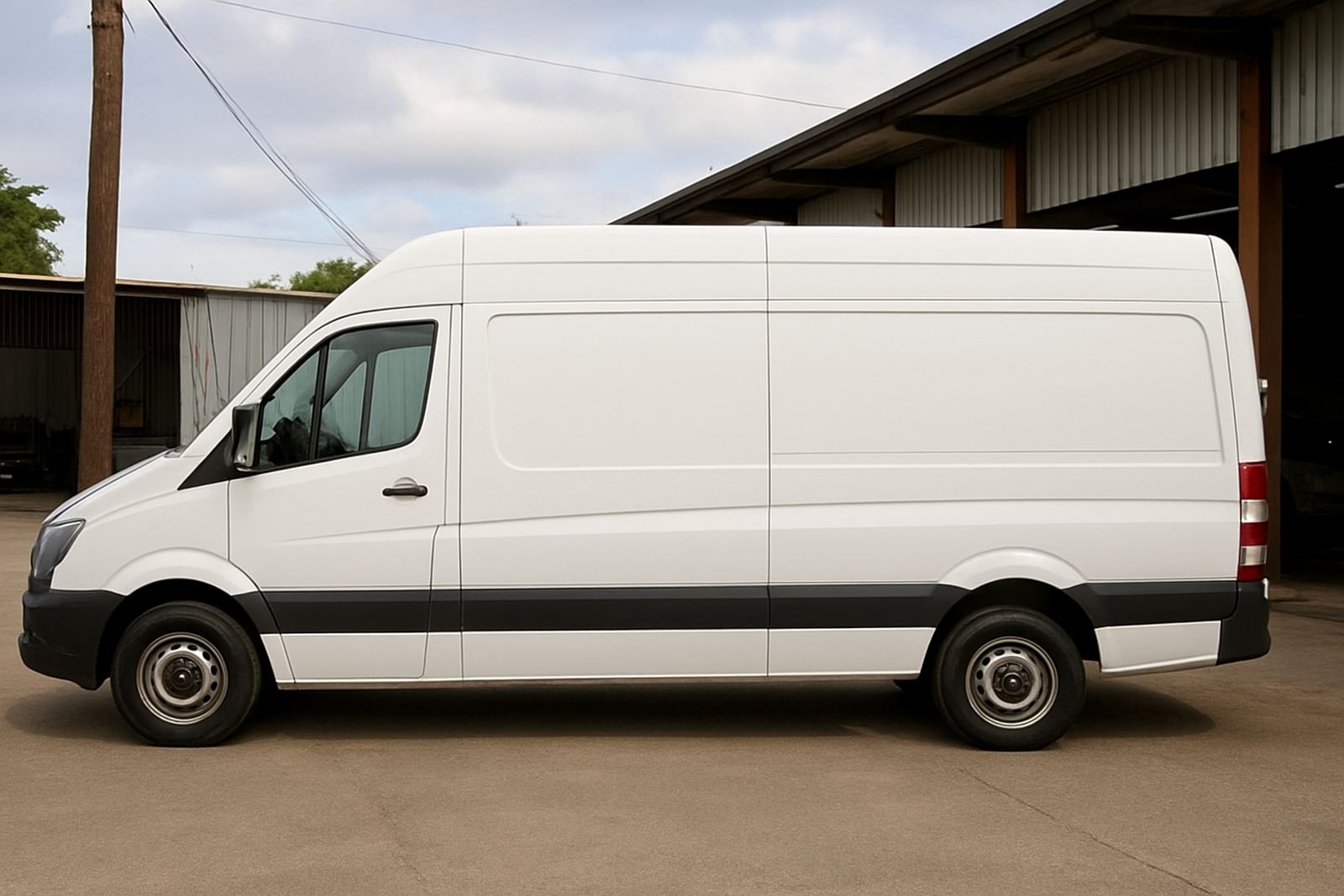
Van wrap panels make use of long, flat body sides that are easy to read in traffic, on site and at robots. Unlike small stickers on a rear window, side panels give you enough space to show who you are, what you do and where to call, without crowding the design.
For plumbers, electricians, pest control teams, courier outfits and mobile service companies, that side space can do real work. A driver waiting at a client gate in Sandton or parked outside a retail centre in Midrand becomes a moving noticeboard. The aim is simple, keep the message short, legible and visible from a few car lengths back.
Practical layout comes first at our Kya Sand workshop. That means checking the van shape, door lines, handles, rivets and panel breaks before any print or film is cut. A clean panel install makes the vehicle look proper, not patched together.
What to put on a van wrap panel
A good panel should not try to say everything. It should say enough for a person to remember you and contact you later. On a busy road, drivers usually have only a few seconds to read the side of a van, especially in Johannesburg traffic.
- Business name or trading name
- Core service, such as plumbing, deliveries or maintenance
- Phone number or WhatsApp number
- Website or email address
- Service area, such as Johannesburg, Pretoria or Durban
- One short trust point, like emergency call-outs or fleet service
Too much text becomes a blur. If the van is used across Gauteng, keep the wording general enough to work in multiple areas, but specific enough to tell people what you do. A panel on a white panel van in Kya Sand can look busy if the copy is squeezed into every gap, so less is usually better.
Designing for readable panels, not just pretty graphics
The best panel wraps are designed around movement. The van may be seen at a standstill in a parking bay, but it is often read while moving. That means strong contrast, large lettering and a layout that follows the shape of the vehicle.
Dark text on a light body, or light text on a darker side panel, usually works best. Fine script fonts and tiny lines of copy are a poor choice for fleet work. In bright Highveld sun, glare can flatten weak colour combinations. In coastal areas like Durban, humidity and salt air also put extra pressure on materials and edges, so the finish and preparation matter just as much as the artwork.
Design and Artwork, along with careful Surface Preparation, are where a panel wrap either succeeds or falls short. If the van has dents, old adhesive residue or faded paint, those issues show through quickly. A neat base makes the finished panel read properly and last longer.
When van panels are better than full wraps
Not every van needs a full body wrap. Side panels can be the better option when a business wants clear branding, but needs to manage budget or keep part of the original paint visible. For many trade vehicles, panels on both sides and the rear doors are enough to make the van easy to recognise.
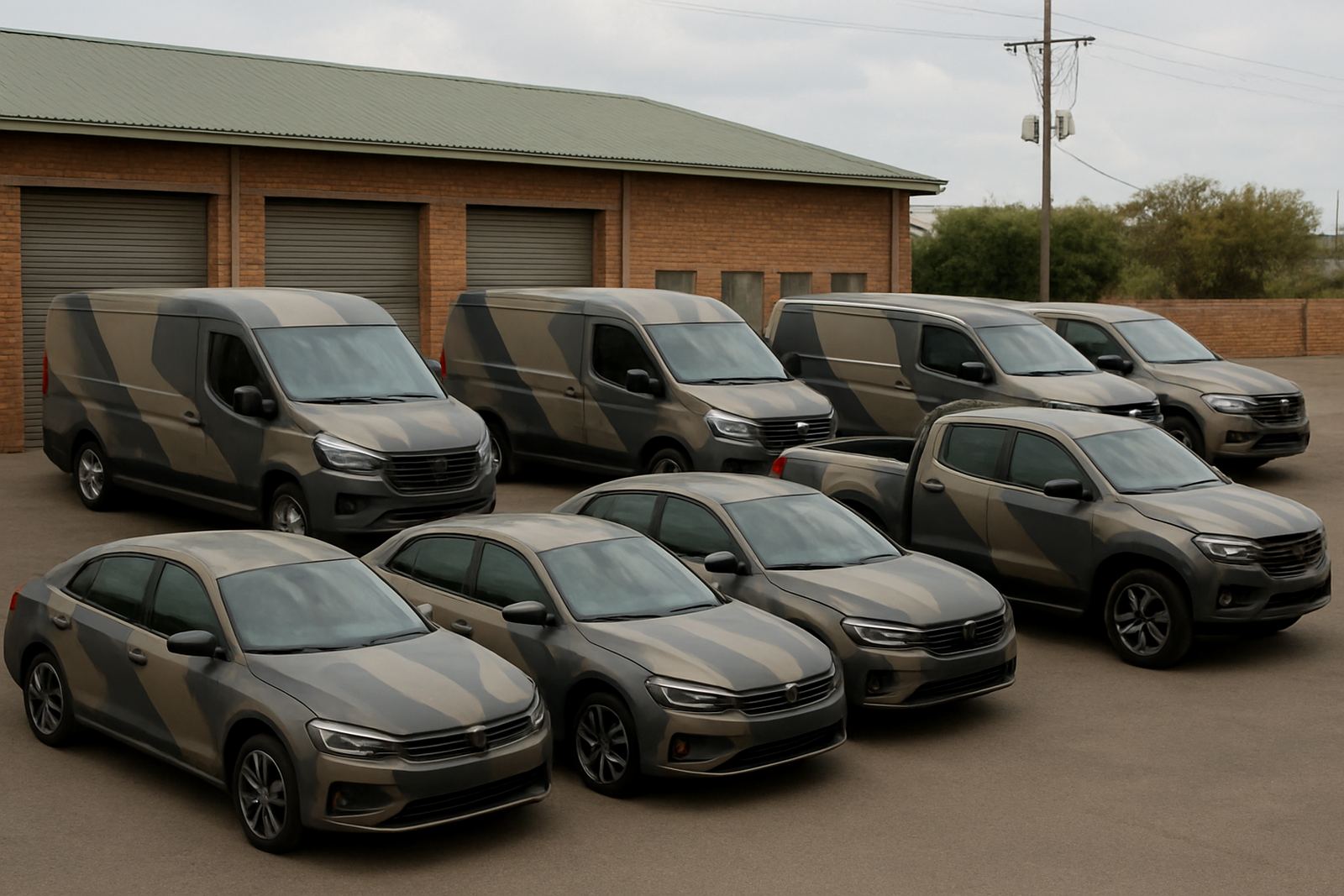
This works well for businesses running more than one vehicle too. A fleet can stay visually consistent without every van needing the same coverage. That helps when vehicles are used for different jobs, from urban call-outs to longer highway runs between Johannesburg and Pretoria.
- Lower material use than a full wrap
- Faster turnaround time for busy operators
- Simple to update when phone numbers change
- Good for leased vans that need careful branding
- Easy to combine with tinting or rear-door graphics
If a van spends most of its time in service yards, shopping centres or client premises, side panels can still do plenty of work. The message stays visible without overcommitting the whole body.
Local conditions that affect van wrap panels in South Africa
South African conditions are not gentle on vehicles. Load shedding means many workshops and businesses work in stops and starts, which can affect scheduling and vehicle downtime. That makes planning important, especially for fleet managers who cannot afford to have all vehicles off the road at once.
On the road, there are other things to consider. Frequent parking under trees leaves sap and dirt. Coastal moisture can affect edge bonding if prep is poor. In busy municipal areas, businesses also need to keep number plates, lights and safety markings clear. Wrap panels should never block legal markings or reduce visibility from the back or sides.
For fleets based in Kya Sand, Randburg, Sandton or Midrand, the daily mix of short trips, highway runs and site visits means the wrap has to cope with stop-start traffic and lots of attention. A panel that is properly sealed and trimmed can handle that better than a quick rush job.
What a proper van panel job should include
Good installation is as important as the print itself. At Auto Wrap SA, the panel process usually starts with a proper check of the van surface, followed by cleaning, measuring and alignment. The wrap should sit straight on the body lines and around access points so doors still open cleanly and handles remain usable.
For business owners, these are the practical basics to look for:
- Clean surface prep before any film goes on
- Panel alignment that follows the van shape
- Wrapped edges that are neatly tucked and trimmed
- Clear visibility of lights, plates and safety items
- Aftercare advice for washing and maintenance
Vehicle signwriting is meant to earn its keep. If the side panel starts lifting at an edge or the lettering is hard to read from 10 metres away, the job has not done its work properly. A tidy install saves money later and keeps the van looking in order for longer.
A practical example for a Kya Sand service van
Picture a local service van leaving Kya Sand early on a Monday, heading towards Sandton for a maintenance call and then on to Midrand for a second site visit. That van may pass dozens of cars, taxis and delivery vehicles before lunch. If the side panels are clear, the business name, service line and contact number are seen many times in one day.
For a small company, that kind of repeated exposure can be worth more than a single advert. For a larger fleet, it creates consistency across every vehicle on the road. A customer who sees one van in the East Rand should be able to recognise the same company on a different job in Pretoria or Durban.
That is the real value of van wrap panels. They turn plain side surfaces into useful space, without making the vehicle look overdone. When the design is practical and the install is done properly, the van becomes a dependable part of the business instead of just transport.