
Why Summer Heat Changes the Job
On a hot day, vinyl softens quicker, adhesive grabs faster and installers have less working time to position panels neatly. That is fine if the team is ready for it, but it can become a problem when films are left in a warm bakkie, stored near a sunny window, or fitted on panels that are still hot from midday parking. In Kya Sand and the wider Rand, a bonnet can be too warm to touch by 11am, and that surface heat affects how the film settles.
Summer also brings strong UV, dusty wind and sudden afternoon showers. A wrap fitted in those conditions needs proper surface prep and a planned curing period. If a vehicle arrives from a long drive, or from a yard with no shade, let it cool first. Rushing straight into fitment can leave lifted edges, stretched corners or trapped moisture.
Storage Before Fitment Matters More Than Most People Think
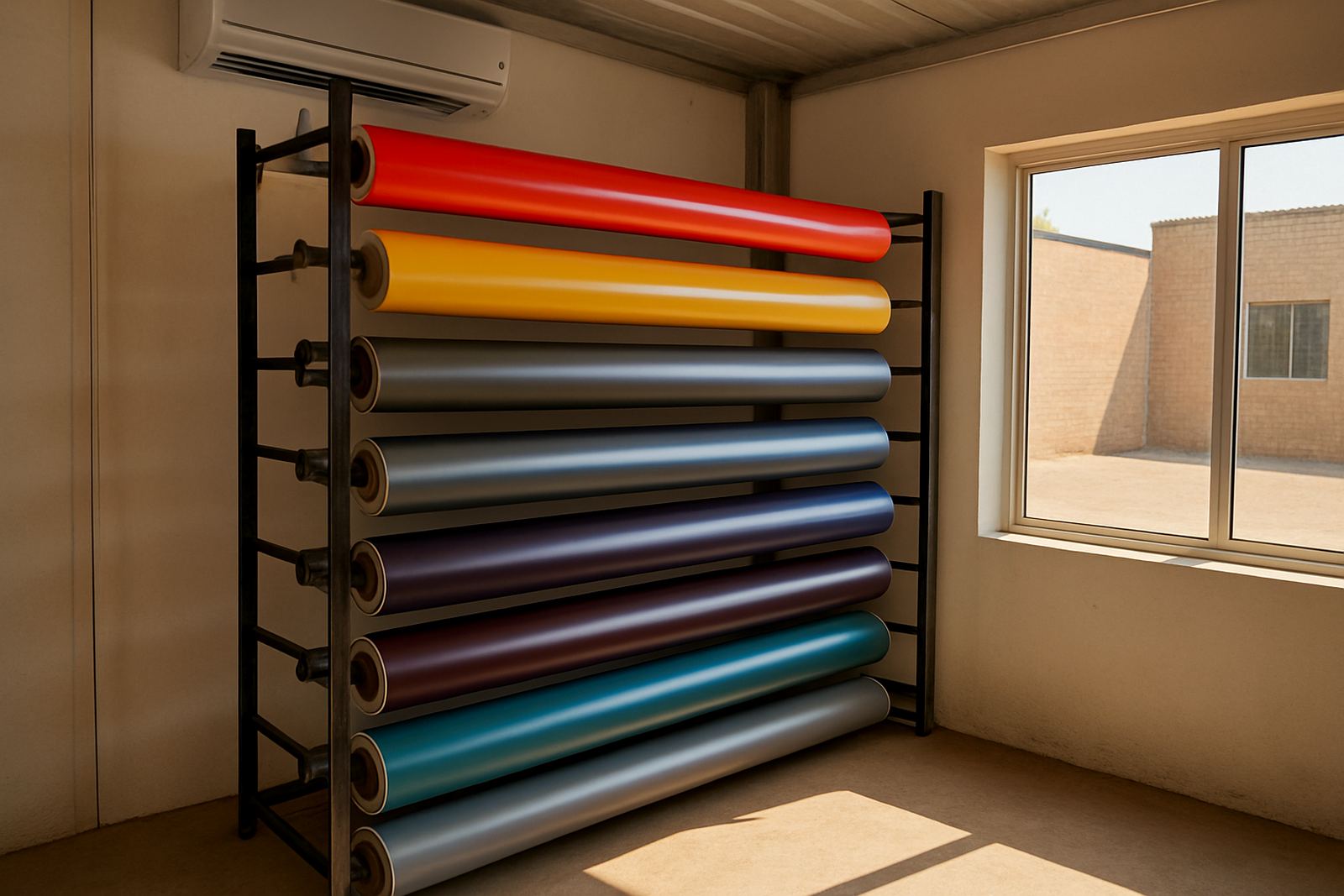
Film rolls and cut pieces should be kept cool, dry and out of direct sun. Heat can make the material tacky before it is even applied, while humidity can affect cartons, liners and masking materials. If a fleet unit is being staged for multiple installs, keep the panels and tools indoors where possible. A hot store room in summer is not the place for precision work.
- Keep unused film in a shaded, airier room away from windows.
- Do not leave partial rolls in a vehicle overnight.
- Store cleaned panels, magnets and applicators off the floor and away from dust.
- Check that prep cloths and surface cleaners are sealed so they do not evaporate too fast.
For larger fleet jobs, it helps to book vehicles in batches. That way panels can be prepped and fitted before the heat peaks, and each unit gets the same standard. It also lowers the chance of a late afternoon rush when the temperature drops a little but the pressure goes up.
Surface Prep in Heat and Humidity
Summer prep is not just about a quick wash. Road film, tar, silicone residue and polishing oils all matter more when the weather is hot because the adhesive will bond around contamination faster. That means any missed patch becomes harder to correct later. On coastal routes and in humid cities like Durban, moisture in the air can also slow the final bond if the surface is not fully dried.
Before fitment, the vehicle should be washed properly, dried fully and degreased where needed. Door shuts, mirror backs, handles and lower sills deserve the same attention as big flat panels. A clean panel gives the installer time to align properly, especially on large commercial vehicles with lettering, stripes or full colour changes.
- Remove wax, polish and road grime before the vehicle enters the bay.
- Check rubber trims, badges and seams for dust build-up.
- Dry the vehicle completely, including behind handles and around fuel flaps.
- Allow painted parts to cool after washing before film goes on.
Fitting Windows, Bumpers and Curved Panels in the Heat
Summer makes curved panels easier in one way and harder in another. Vinyl becomes more flexible, which helps around bumpers, arches and mirrors, but it also means over-stretching becomes a real risk. Once a panel has been pulled too far, it may look fine on the day and fail at the edges later. That is why experienced fitters work with measured heat, not guesswork.
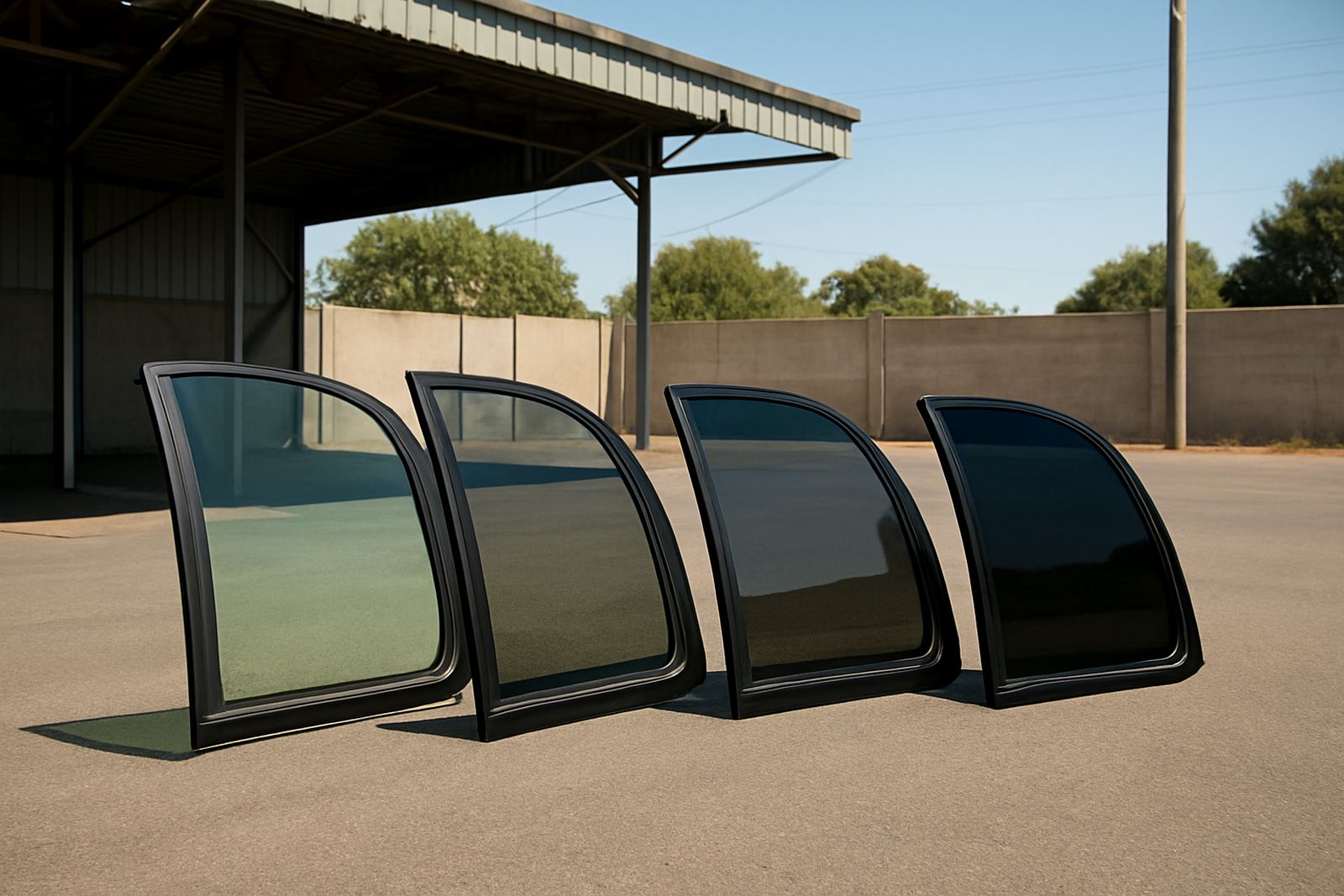
Window tinting also needs a steady hand in summer. Glass heats quickly, and a hot rear window can affect slip solution and drying time. With interior wraps, cabins can trap heat even after the vehicle is switched off, so it is better to work with the doors open and the air moving. In Pretoria, where summer sun can be sharp by mid morning, we often see the best finish on vehicles that are booked early and left to cure in shade afterwards.
Wheel refurbishment is another job that benefits from timing. Wheels picked up from a hot tar road may still carry heat in the metal, and that can affect cooling after coating or film work. Let them settle first, then finish the detail work properly.
Aftercare in the First 72 Hours
The first three days after fitment are where summer care really pays off. Owners sometimes want to wash the vehicle immediately or park it in full sun outside a shop. That is not ideal. Freshly fitted film needs time to settle, and trapped moisture or excess heat can create lifting at edges and corners. If a vehicle has just been wrapped in Sandton or Midrand and must go straight back into service, keep the first route short and avoid unnecessary pressure washing.
For the first 72 hours, the safest approach is simple: keep the vehicle dry where possible, avoid high-pressure washing, and do not pick at small pockets or bubbles. Tiny moisture marks can disappear on their own as the film cures. If something looks wrong after a couple of days, call the installer before trying to press it down with a card or cloth. That is how people turn a small issue into a bigger one.
A Local Fleet Example From Kya Sand to the East Rand
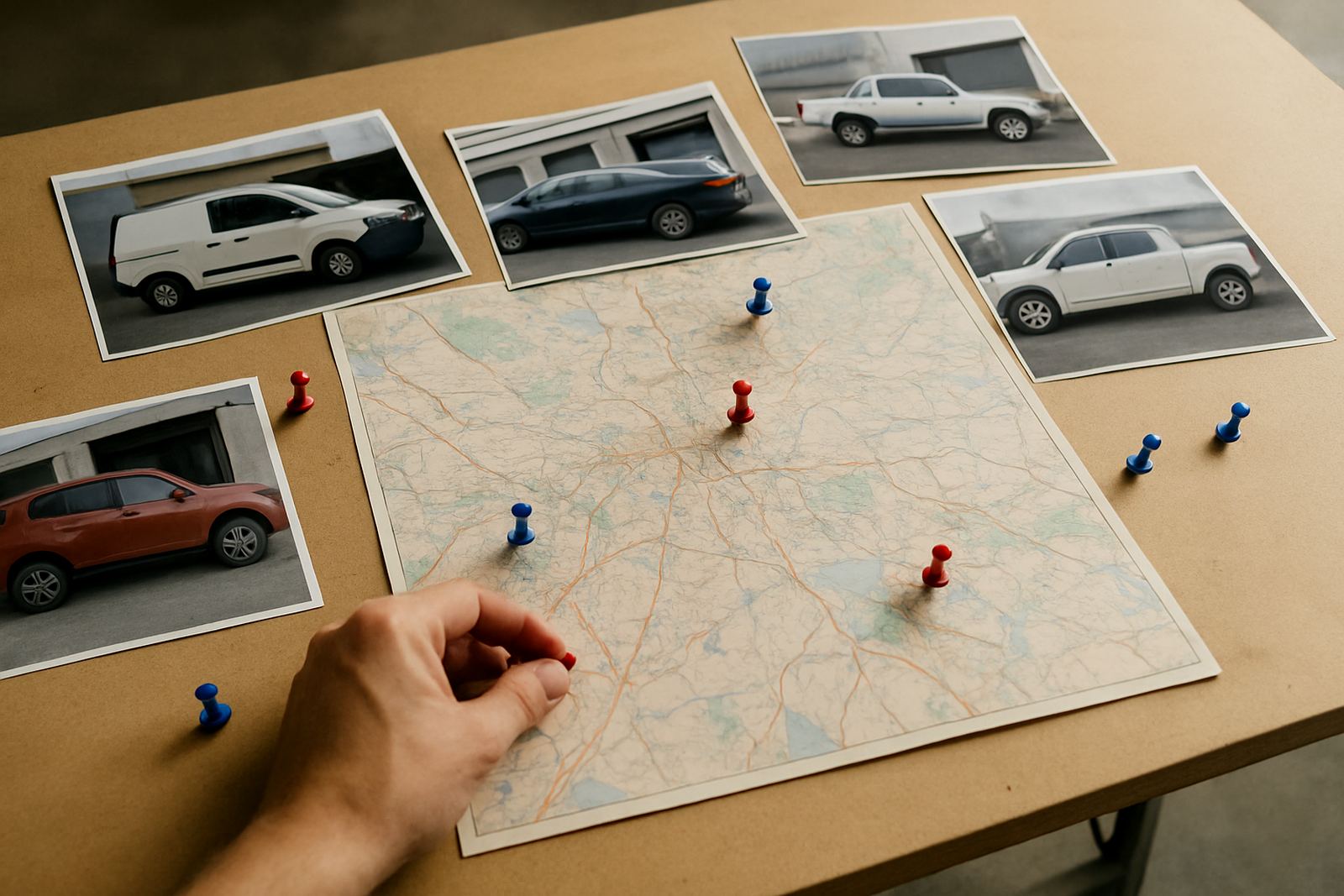
One of the clearer summer lessons comes from a mixed commercial fleet that moved between Kya Sand, the East Rand and Pretoria daily. The vehicles were arriving at different times, often after sitting in the sun at client sites. Instead of bringing them in all at once, the team staggered bookings, cooled each unit in the bay and checked panel temperatures before prep. The result was fewer lift points on the hot sections around bonnet edges and mirror housings.
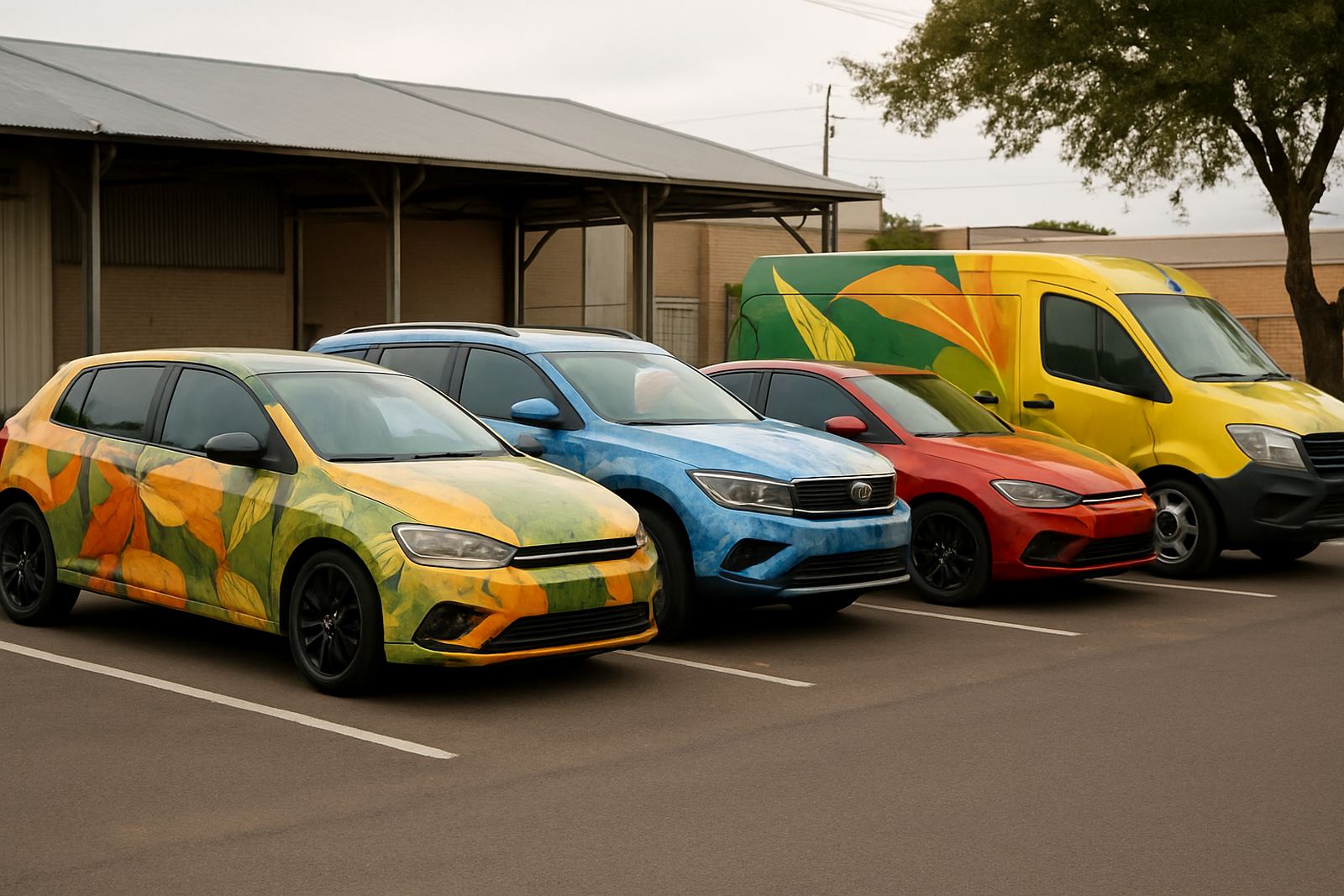
That kind of planning also helped the client keep vehicles on the road. By separating design, surface prep and fitment windows, the fleet stayed productive and the finish stayed consistent across vans, bakkies and passenger units. For businesses that rely on branded vehicles, summer does not have to mean downtime, but it does mean tighter scheduling and more care in how each unit is handled.
- Book early morning where possible for large panels.
- Allow hot vehicles time to cool before they enter the bay.
- Stagger fleet arrivals instead of dropping all units at once.
- Plan for shade at collection and at the first post fitment stop.