
What the law is trying to achieve
Window tint rules are not there to make life difficult. They are there because a driver still needs a clear view of the road, pedestrians, cyclists and other vehicles, especially at night or in heavy rain. If a film is too dark, or fitted where it should not be, the car can become harder to control and more likely to attract attention at a roadblock.
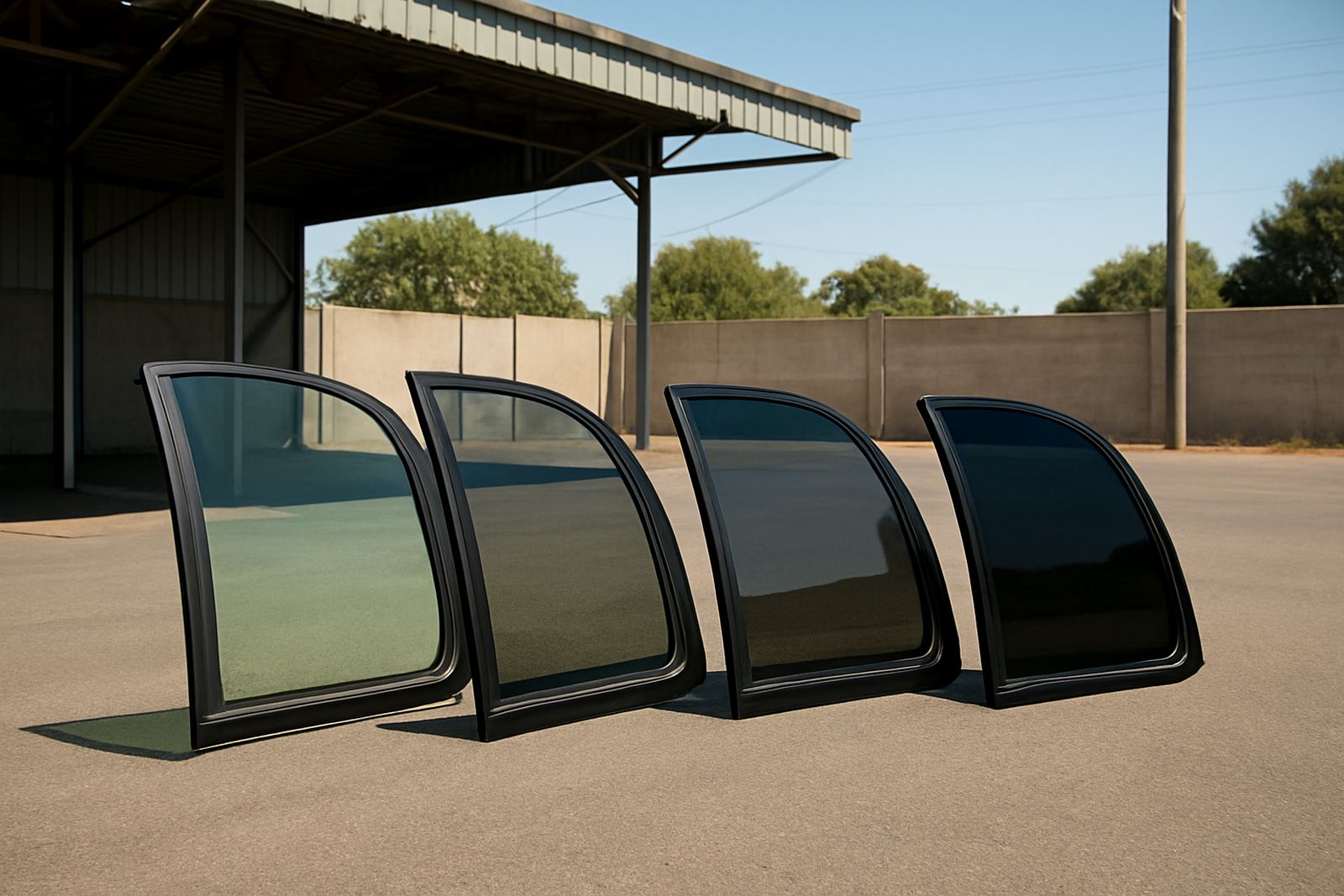
As a simple rule, the front side windows and windscreen are treated much more strictly than the rear side windows and back glass. That is where visibility matters most for the person behind the wheel. A light tint can help with glare and cabin heat, but once you go too dark, you start losing practical use. On a hot Gauteng afternoon in Sandton or Midrand, that difference is easy to feel.
Where drivers usually get caught out
Most tint problems come from choosing film by looks alone. A dark film might look neat on a bakkie or SUV, but if it makes night driving harder, the car is no longer a good daily runner. This is common on vehicles used for school runs, deliveries and site visits because they spend long hours on the road.
- Front windows that are too dark for safe visibility
- Films fitted to the windscreen where they should not be used
- Cheap film that bubbles, peels or distorts the view
- Uneven fitting that leaves gaps, dirt or lifted edges
- Dark rear tint that hides cargo but also makes reversing harder
For fleet managers, these issues can become a maintenance headache. One vehicle out of line can lead to repeat stops, and if the tint is failing after a year or two the replacement cost is a waste. It is better to fit the right grade once than to keep reworking the same windows.
Choosing tint for South African conditions
South African conditions are mixed. In Johannesburg you may deal with bright sun, dust and stop-start traffic. In Durban the bigger issue is humidity and coastal moisture, which can affect how film cures if the installation is rushed. In Pretoria and the East Rand, heat build-up can be strong on vehicles parked outdoors all day. Each of these conditions changes how a driver experiences the cabin.
That is why tint should be chosen for the vehicle's use, not just its colour. A sales car used to visit clients might need a clean, lighter finish that reduces glare without making the interior feel closed in. A work bakkie can often use a different setup on the rear windows to protect tools or equipment. The point is to match the film to the job.
- Lighter films suit daily driving and busy urban routes
- Rear windows can often carry more privacy than the front
- UV reduction helps protect trim, seats and dashboards
- Good film should not interfere with clear rearward visibility
Why fitting quality matters as much as darkness
Even a legal tint can be a bad fit if the surface prep is poor. Glass must be cleaned properly, edges must be cut accurately and the film must be installed without contamination. If dust gets trapped under the film, the result will look untidy and can lift early at the corners.
For Johannesburg vehicles, this matters because dust and frequent road use can shorten the life of a poor installation. On coastal vehicles the issue can be worse due to moisture. Quality fitting also helps with demisting and reduces the chance of the film interfering with rear window heaters. The job should look neat from the outside and remain practical from the inside.
Fleet rules should be decided before the first vehicle is fitted
For businesses, the smartest approach is to set a tint standard before the fleet grows. If one branch uses a dark film and another uses a lighter film, the vehicles start to look inconsistent. That can affect branding and can also create admin problems when vehicles are swapped between branches or drivers.
Auto Wrap SA often sees this with fleets operating between Kya Sand, Sandton, Midrand and the East Rand. A clear standard makes it easier to keep vehicles uniform and easier to replace damaged glass later. It also helps with aftercare because drivers know what to expect and what not to clean with harsh chemicals.
- Set one approved film level per vehicle class
- Record the tint spec in your fleet file
- Keep a list of vehicles with factory privacy glass
- Train drivers on cleaning, scrubbing and window use after fitting
A practical Johannesburg example
A Kya Sand courier operator with 12 vehicles may want rear tint for parcel security and cooler cabins. That makes sense, but if the front side windows are overdone the drivers can struggle after dark, especially in winter when traffic on the highway is patchy and roads are badly lit. The better option is to keep the front lighter and use the rear for privacy and heat control.
That approach protects the people using the vehicles every day and keeps the fleet neat for clients seeing them at delivery points. It also makes it easier if the vehicles move between branches or are sent for resale later. A sensible tint spec is part of the vehicle's operating cost, not just a styling choice.
How to stay on the safe side
If you are not sure where the line is, start with the vehicle's purpose. A family SUV used at night needs different treatment from a service vehicle that returns before sunset. If the film makes parking, lane changes or reversing more difficult, it is too dark for practical use.
It is worth asking for a proper recommendation before any film is cut. The right answer should take into account the vehicle type, the use pattern, the local climate and whether the job needs privacy or just heat reduction. In South Africa, tint should solve a problem, not create one.