

Why winter changes the way wrap work is handled
In winter, the first thing that changes is not the material, it is the surface. A vehicle that sits outside overnight in Kya Sand, Sandton or Midrand can be very cold by 7am, and that affects tack, stretch and final bonding. On a chilly morning the film may feel less pliable, adhesive grab takes longer, and corners need more time under heat before they are fully set.
That does not mean wrap work should stop, but it does mean the workshop must work with the weather instead of against it. Panels need to be clean, dry and at a workable temperature, and the bay should be kept as stable as possible through the day. If a job starts too early, the team may spend more time bringing the vehicle up to spec than actually installing.
What happens to vinyl, PPF and tint in colder weather
Different products react in slightly different ways. Colour change vinyl usually needs more patience around recesses, mirror caps and door handles. Paint protection film can feel stiffer when it is cold, which makes it important to control slip solution and positioning. Window tint also needs careful handling because cold glass can affect laydown and edge sealing.
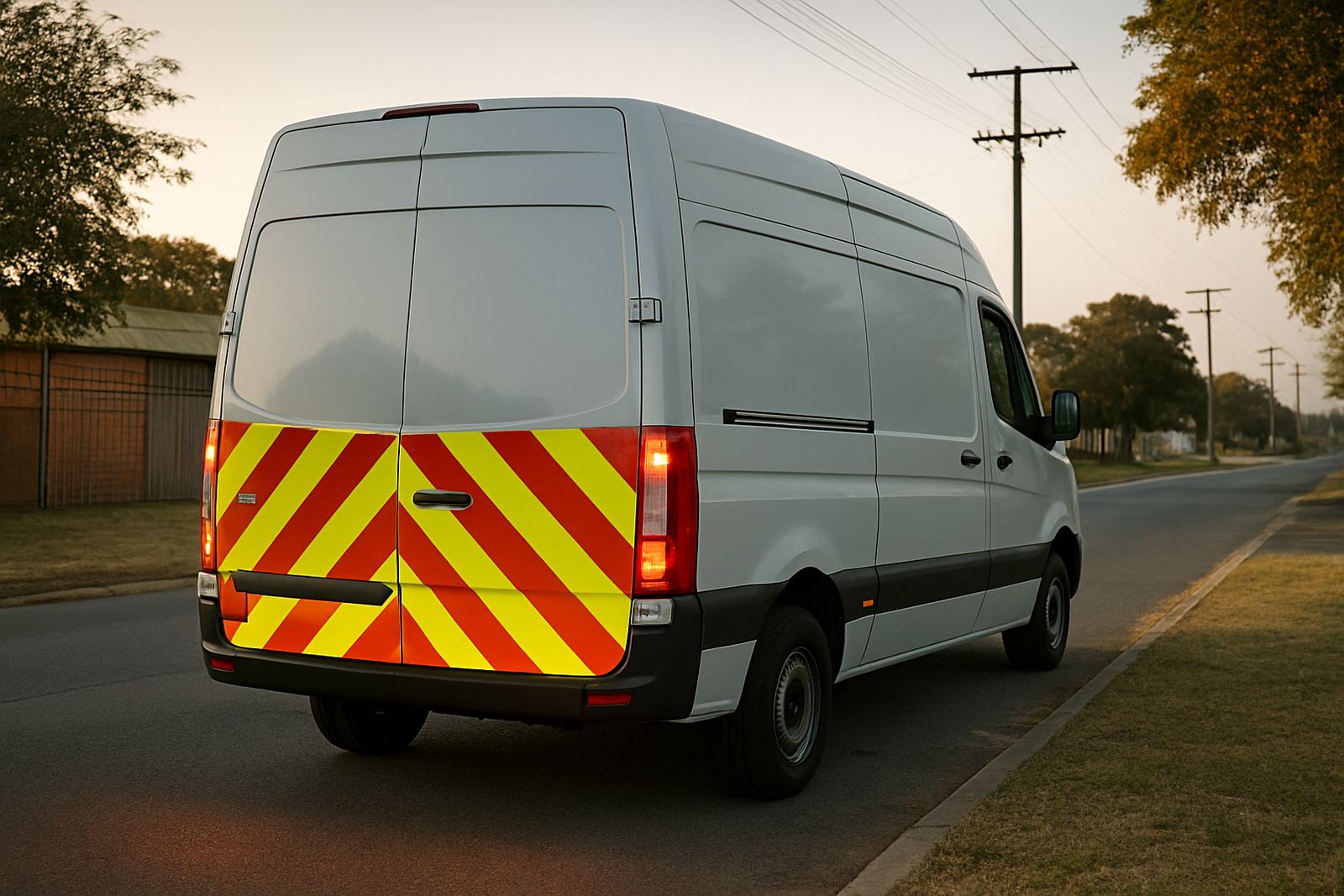
For fleet work, the timing matters even more because vehicles often need to be back on the road quickly. A bakkie or panel van that leaves the bay too soon may look fine at collection, then lift at the edges a day or two later if it was rushed. In winter, curing is slower, so the handover instructions must be clear and practical.
- Allow longer curing time after installation, especially on cold panels.
- Keep the vehicle indoors or under cover for the first 24 to 48 hours where possible.
- Avoid high pressure washing for at least 7 days unless your installer gives different instructions.
- Do not park immediately under sprinkler systems or in heavy dew overnight.
Workshop handling that helps in a South African winter
A proper winter setup is about the small things. The bay should be dry, free from dust and not exposed to direct wind. If the workshop opens early, the team should check panel temperature before starting. On some mornings in Gauteng, that one step can make the difference between a clean install and a long day of rework.
Auto Wrap SA’s Kya Sand base and nationwide wrap bays are set up for this kind of controlled handling. That matters when a fleet truck arrives from a run through the N1 corridor or a sales car comes in from the East Rand after sitting outside. The goal is simple: give every vehicle the right conditions before the first panel is laid.
- Use indoor parking before and after fitment where possible.
- Warm panels evenly, not in one hot spot only.
- Check that trims, badges and edges are fully dry after cleaning.
- Keep tools and materials indoors so they are not chilled overnight.
A local example from Johannesburg winter work
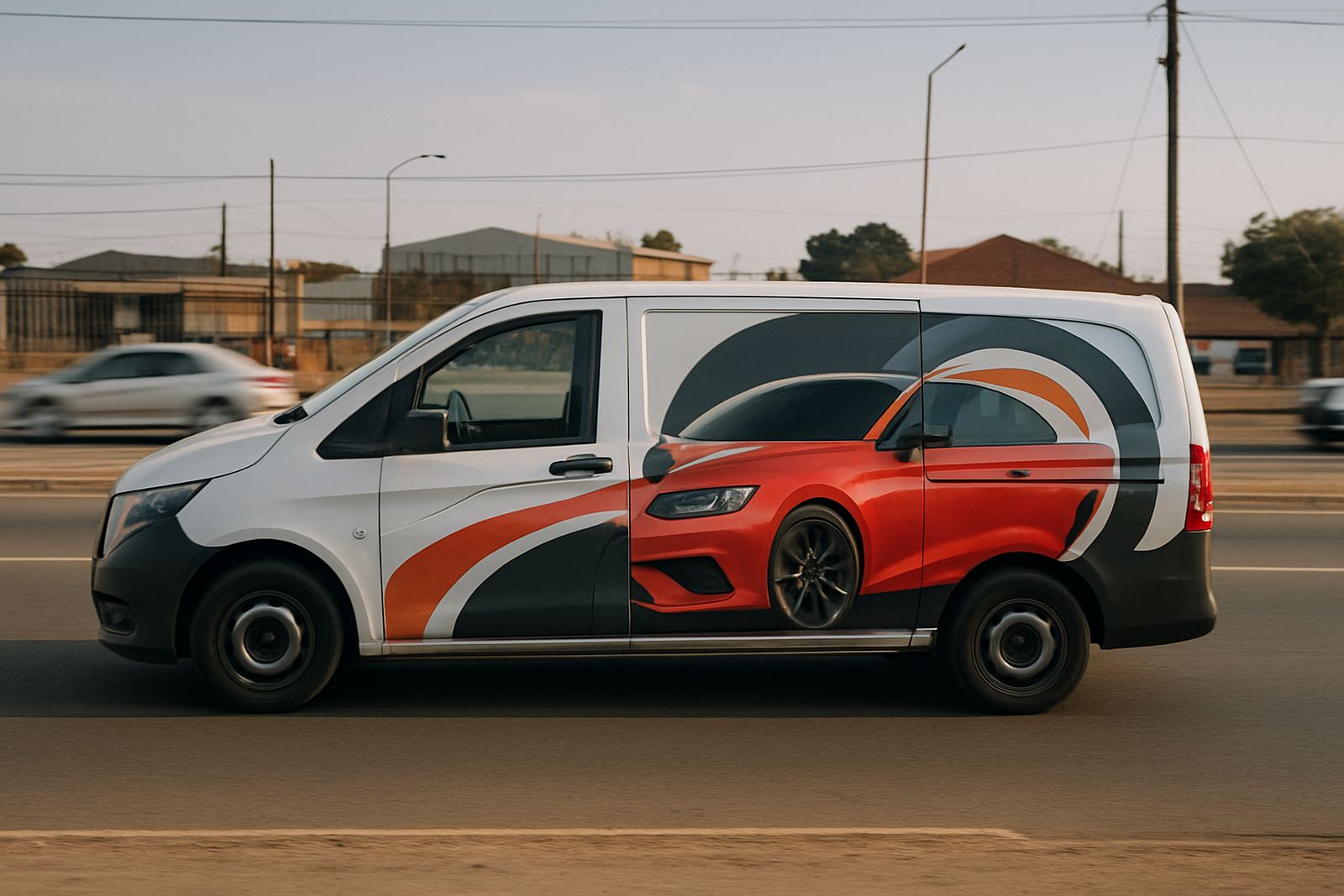
A practical example is a small delivery fleet based near Kya Sand that needs branding done in June. The vehicles arrive before sunrise, still cold from overnight parking. If the team begins immediately, the film may resist around the bumper corners and side mirrors. Instead, the installer can bring the units into a heated bay, let the body temperature stabilise, then proceed with surface prep, panel alignment and final finishing.
That same approach helps with PPF on high-use front ends. A Cape coastal vehicle may face humidity, but a Johannesburg vehicle faces dry cold mornings, dust and sharp temperature swings between sunrise and mid-afternoon. In both cases the material wants clean conditions and steady handling, not a rushed start. It sounds simple, but it saves comebacks and keeps the finish looking right for longer.
Winter aftercare for drivers and fleet managers
Once the vehicle leaves the bay, aftercare becomes part of the job. Winter brings more dew, more grime from wet roads and more temptation to wash a vehicle too soon because it looks dusty. That can undo careful work, so drivers need plain instructions they can follow without guesswork.
For fleet managers, it helps to issue one short care note with every release. That note should cover washing, parking and what to do if an edge lifts or a corner lifts after a cold night. Good aftercare is not complicated, but it must be consistent across the fleet otherwise one driver will wash with a pressure gun and another will avoid water for a week.
- Wash with mild soap and soft microfibre cloths.
- Keep the first wash gentle, especially around fresh edges.
- Park in shade or under cover when possible to reduce frost and morning dew.
- Report any lifting, bubbles or tint edge issues early so they can be corrected.
Planning winter jobs across branches and wrap bays
Winter planning is easier when the work is scheduled properly across the service areas. Kya Sand, Sandton, Midrand, East Rand, Pretoria and Durban all have their own weather patterns, so the same job may need a different timing window depending on the location. Coastal humidity in Durban can slow some parts of the process, while inland cold can make morning fitment less forgiving.
That is why fleet projects, interior restyling, wheel refurbishment and wrap removal should all be booked with realistic timeframes in mind. If the job needs design and artwork, surface preparation, vinyl installation, tinting or aftercare support, the whole sequence should be mapped before the vehicle arrives. A winter fitment done properly will last, but only if the schedule gives the team room to do the work carefully.