
Why South African sun shortens wrap life
In Johannesburg, Pretoria and the coastal towns, a vehicle can see strong UV, hot bonnet temperatures and dust in the same week. That combination ages vinyl faster than many owners expect. The film does not fail all at once. It usually starts with slight dulling, then edge lift, then a colour shift that shows most clearly on reds, blues and black finishes.
Heat matters as much as sun. A dark van standing in the open at Kya Sand in December can get far hotter on the panels than the air temperature suggests. If that vehicle is washed with strong chemicals or left with bird droppings on the roof and bonnet, the wrap can mark more quickly. Small things add up.
For fleets, the biggest issue is not only appearance but brand consistency. One panel fading faster than another makes a vehicle look older than it is and that affects how your business is seen on the road.
Colour choices that hold up better in the sun
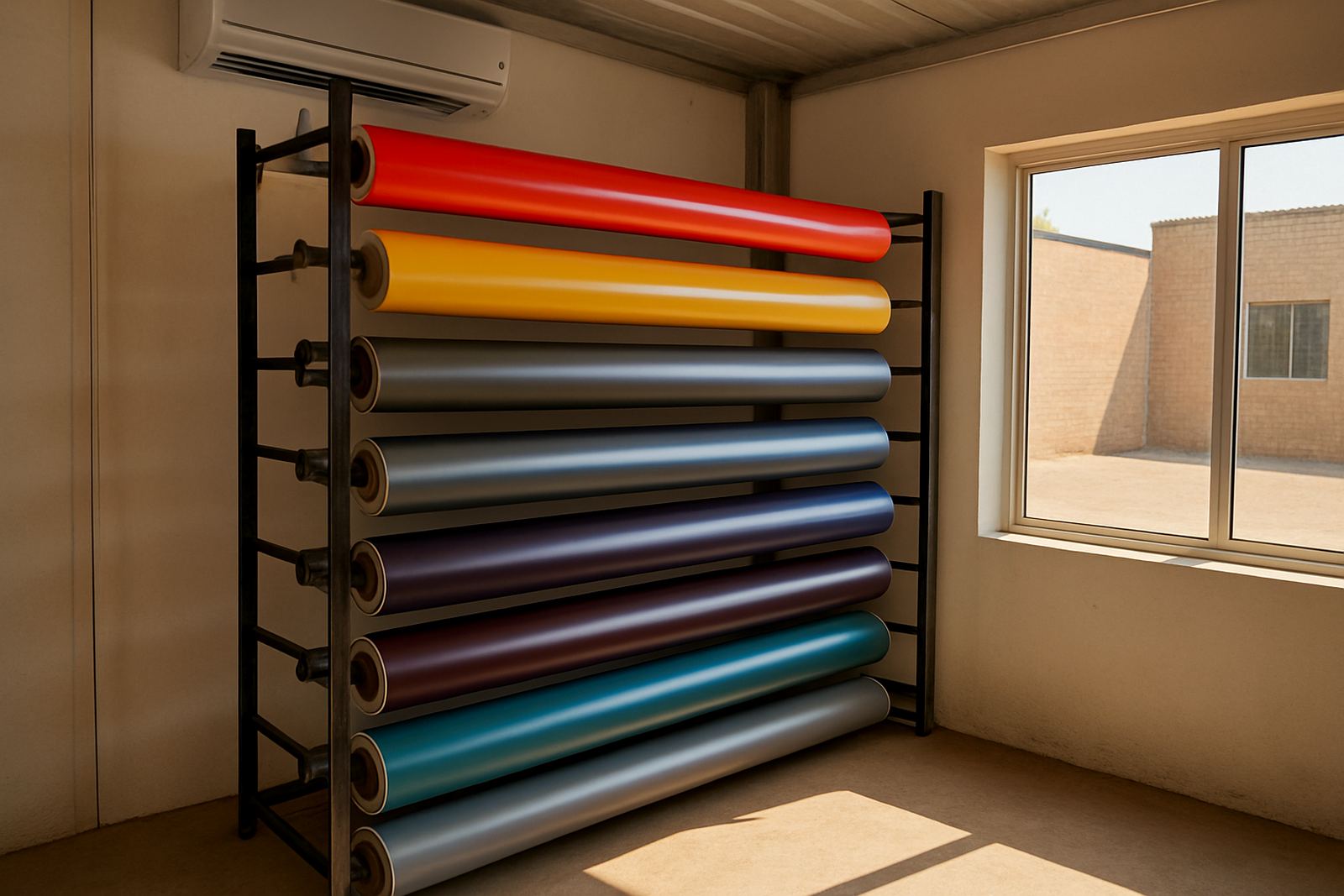
Some colours are more forgiving under South African conditions. Light greys, whites, silvers and satin finishes usually show less visible fading than deep gloss black or bright primary colours. That does not mean darker wraps should be avoided, but they need better care and parking discipline.
- Light colours reflect more heat and usually show less dust between washes.
- Satin and matte finishes can hide minor ageing better than very high gloss.
- Metallic films often keep a cleaner look for longer on busy fleet vehicles.
- Complex printed graphics should be planned with UV exposure in mind, especially on roofs and bonnets.
Where possible, match the film choice to the route. A delivery bakkie in Sandton that spends hours outside a client site needs different planning to a vehicle that lives in a covered yard. That is basic but often overlooked.
What happens to wraps on hot panels and open parking
Heat softens vinyl. When panels expand and contract every day, the film has to move with them. On a bonnet, roof, or rear quarter that faces the sun for long periods, the stress shows first at edges, badges, handles and seams. If the surface prep was poor, the risk is higher.
Open parking also affects the adhesive over time. Vehicles left under trees may look shaded, but sap and fine dirt can be worse than direct sun. Coastal humidity adds another layer. In Durban, for example, moisture in the air can work on lifted edges and trapped dirt. That is why cleaning and inspection matter just as much as the original installation.
If you run a fleet, build wrap checks into service routines. A quick walk-around once a week can catch a lifted corner before it becomes a larger repair.
Preparation is what gives a wrap its real lifespan
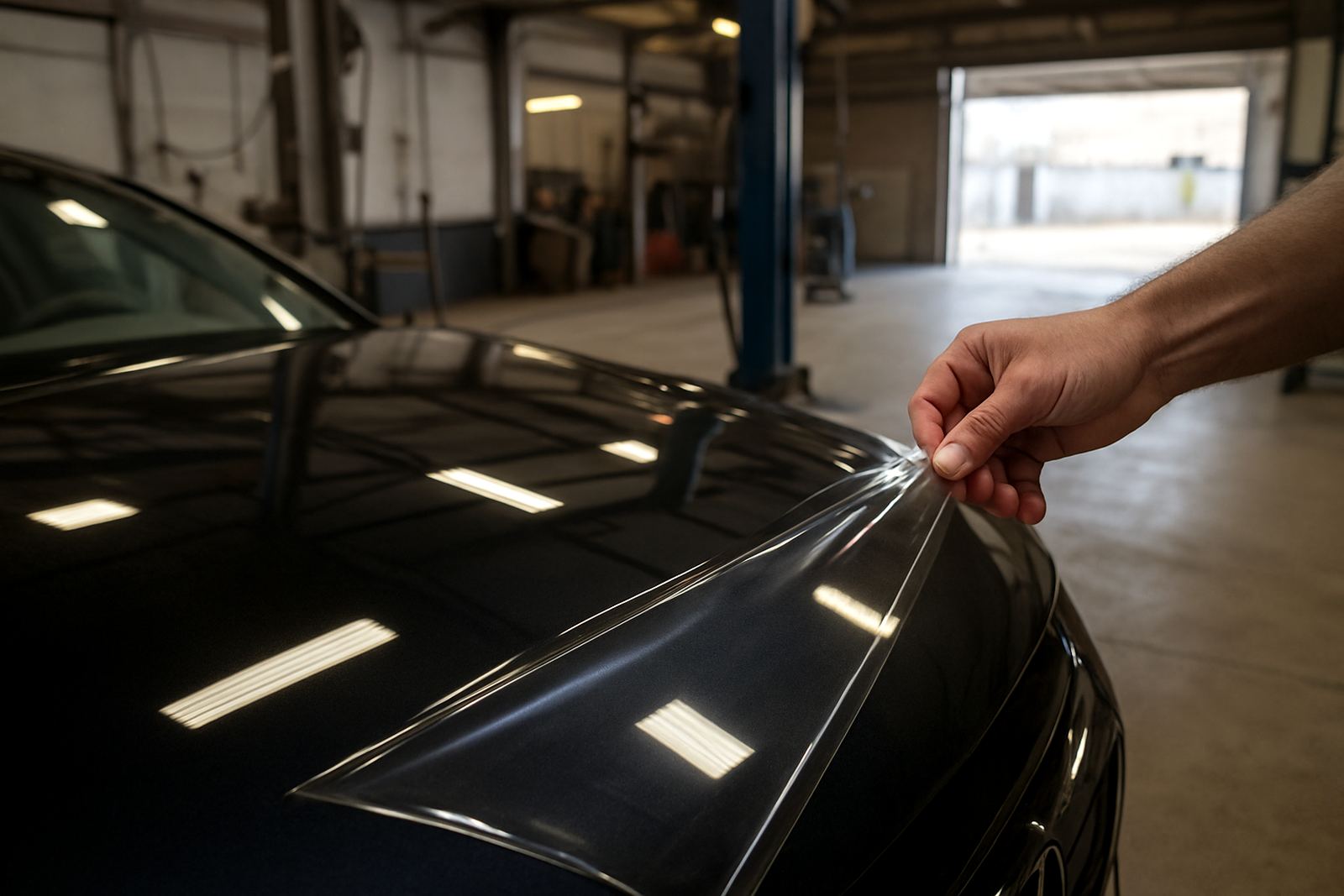
Before any vinyl goes on, the vehicle must be cleaned properly and checked for old wax, tar, stone-chip damage and panel contamination. In a warm workshop, panels must be dry and stable before installation. If power cuts interrupt the process and a panel is rushed, the finish can suffer. Good planning around load-shedding is part of good wrapping work in South Africa.
- Remove polish residue and road film from all panels.
- Fix stone chips, rust spots and flaking paint before wrapping.
- Make sure rubber trims and badges are handled carefully.
- Use the right film and fitting method for curved surfaces.
- Allow proper cooling and curing time after installation.
Each vehicle is treated as a working asset at Auto Wrap SA, not just a paint surface. That includes surface preparation, film choice and the order in which the panels are wrapped.
Aftercare that keeps colour stronger for longer
Aftercare is simple, but it has to be done regularly. A wrap does not need babying, but it does need the right wash method. Use clean water, mild soap and soft cloths or mitts. Avoid hard brushes and strong solvent cleaners. Letting grime sit for weeks on a bonnet or roof is how small marks become permanent.
Parking habits also make a difference. Even partial shade helps. If a vehicle can stand under cover during office hours, the wrap will age more evenly. Where possible, rotate fleet parking so one side is not always taking the sun. That small change can stretch the useful life of the film.
For businesses with branded fleets, aftercare support should include inspection points and quick repairs. A small edge repair now is cheaper than a full panel rewrap later.
A Johannesburg fleet example in practical terms
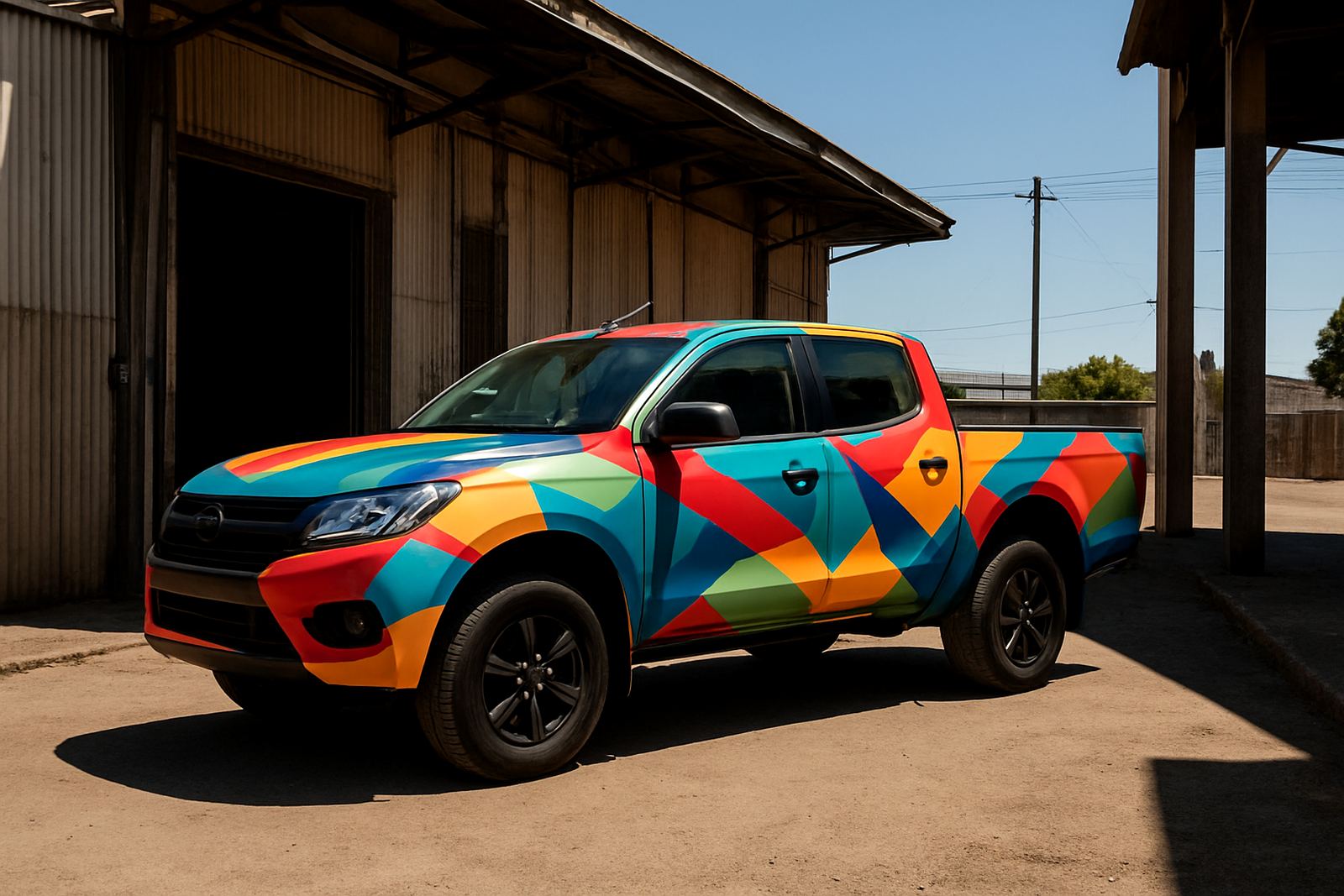
A courier company based near Kya Sand had a mixed fleet of panel vans and bakkies with full colour-change wraps and branded side graphics. The vehicles worked between Johannesburg, Midrand and the East Rand, then sat outside overnight. After the first summer, the company noticed that the roof sections were ageing faster than the doors. The answer was not a new design. It was better film selection for the roof areas, more frequent washing and a parking change at the depot.
By adjusting the workflow and repairing two lifted edges before they spread, the fleet kept a cleaner appearance for longer. The lesson was clear: sun damage is often a management issue as much as a material issue.
That is the kind of detail that keeps a wrap looking right in real South African conditions, not just on installation day.