Signs the Wrap Has Reached the End of Its Service Life
Most vinyl wraps do not fail all at once. They start with small changes, usually around edges, panel joins and high-wear areas such as handles, mirrors and door sills. In Johannesburg, strong sun on parked vehicles and daily temperature swings can speed up that ageing process, especially on fleet vehicles that sit outside most of the day.
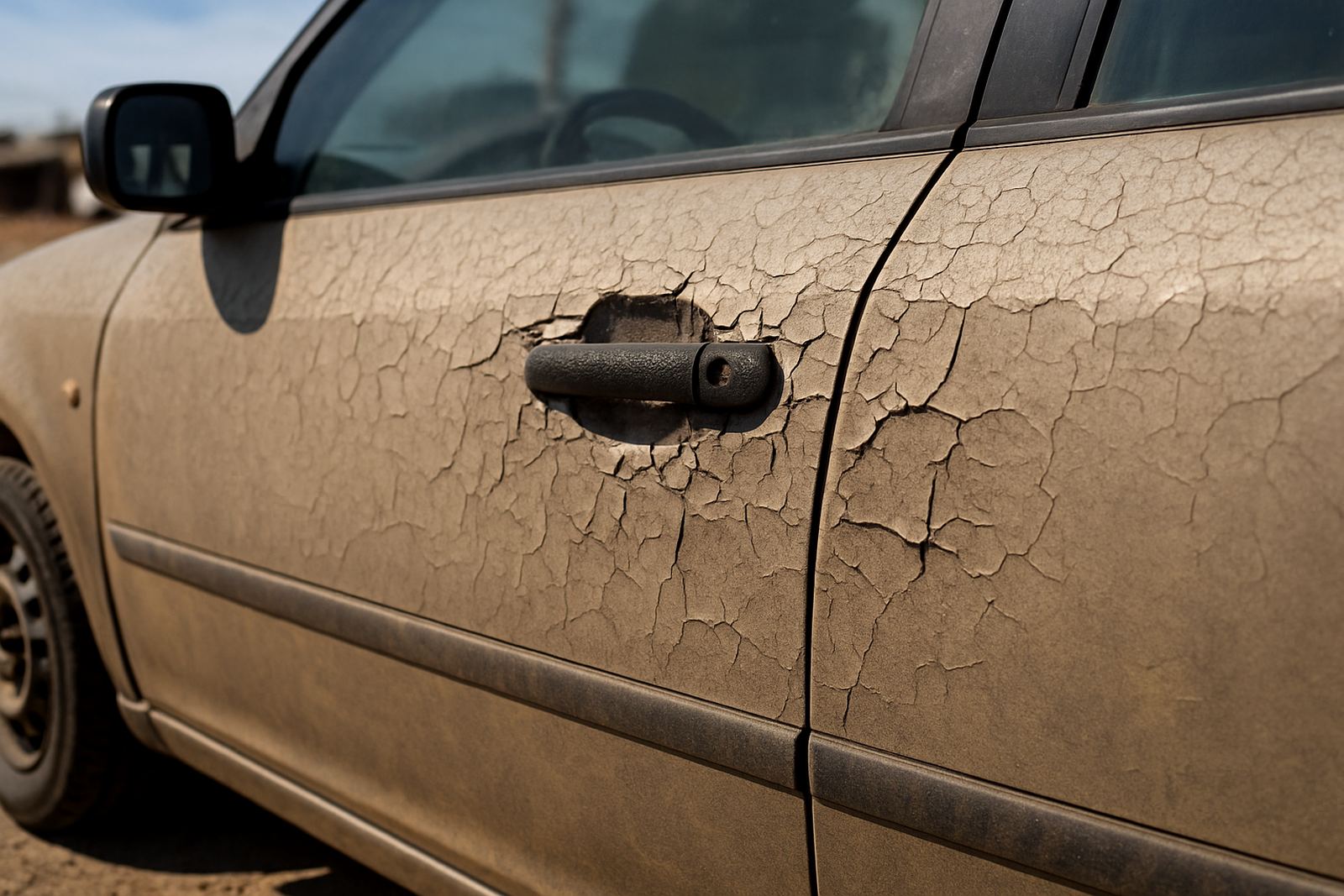
If a wrap is older, have a proper look at it in bright daylight. You may see fading, a chalky finish, lifting corners or a surface that feels brittle rather than smooth. Once the film starts cracking, it becomes harder to remove cleanly and there is a greater chance of adhesive staying behind on the paint.
- Edges lifting on bonnets, roofs or bumpers
- Colour fading unevenly between panels
- Cracking when the vinyl is bent or touched
- Air pockets, bubbling or moisture under the film
- Sticky residue showing where the wrap has worn through
Why Waiting Too Long Can Cost More
It is tempting to leave an old wrap in place if the vehicle still looks fine from a distance. The problem is that aged vinyl can bond more firmly to the paint and tear during stripping. That means more labour, more time, and sometimes extra products to remove glue that has baked on over a hot season. A late removal can also expose paint that has been hidden under the film, and if the paint below was already poor then the condition may be worse than expected.
On commercial fleets, delays can affect branding too. A tired wrap makes a company look less careful, even if the service on the road is excellent. If your livery no longer matches current contact details, your new colour standard or a changed service area, it is worth planning removal before the old branding becomes a problem.
- More time needed for adhesive cleanup
- Higher chance of vinyl tearing during removal
- Risk of paint mismatch after removal on repainted panels
- Branding that no longer reflects current business details
South African Conditions That Age Wraps Faster
Local conditions matter. In Gauteng, vehicles face strong UV exposure, dust and long parking hours in full sun. In coastal areas such as Durban, humidity and salt air can work into the edges over time, which can make lifting and residue worse. Load-shedding can also lead to more vehicles sitting outside in heat because indoor parking and workshop timing become harder to manage.
If a vehicle is washed with harsh chemicals or pressure sprayed too close to the film, the wrap can lose its finish sooner. The same goes for parking under trees where sap and bird droppings are left on the surface for long periods. It is not only age that matters, it is the condition the vehicle has lived in.
- Constant direct sun on roofs, bonnets and tailgates
- Coastal humidity and salt exposure
- Frequent pressure washing too close to panel edges
- Tree sap, dust and bird droppings left on the film
A Practical Removal Check Before Damage Starts
A quick inspection can tell you a lot before the wrap gets to the point of obvious failure. Check the vehicle in clean light and pay attention to corners, fuel flap areas and any section that gets handled often. If the film still flexes cleanly and the surface remains even, you may be able to keep it a bit longer. If the material feels dry or the edges are pulling back, removal should move up the list.
For fleet managers, it helps to build wrap checks into routine vehicle inspections. That way you do not wait until the old branding starts hanging loose on a door or bonnet. Here is a simple rule of thumb: once the wrap starts looking older than the vehicle, it is usually time to plan its removal.
- Inspect every 3 to 6 months on outdoor vehicles
- Check more often for cars parked in full sun
- Look closely after hail, body repair or repainting
- Remove sooner if the wrap no longer matches your branding
When a Wrap Must Come Off Before New Work Can Begin
Some upgrades simply should not happen over an old film. If a panel is due for paint protection film, tint work after glass replacement, or a new colour change, the old wrap should be removed first. Trying to layer new material over unstable vinyl can trap dust and give you a poor finish. On commercial vehicles, it is also wise to remove dated graphics before fitting new fleet markings so the final look stays consistent across all units.
This is common with delivery vehicles, service vans and bakkies that have had multiple uses over the years. If the old wrap is lifting, patching it is usually only a short term fix. Full removal gives a cleaner base for the next stage and makes it easier to spot any paint issues before new film goes on.
For example, a Kya Sand-based contractor with six bakkies might keep them on the road through winter, then schedule removal and rewrap before year-end contracts start. That avoids last-minute downtime and keeps every vehicle looking like part of the same fleet.
Plan Removal Properly to Protect Paint and Downtime
Wrap removal should be timed around weather, working hours and how much the vehicle is needed on the road. Cooler mornings are often better than hot afternoons because the film can behave more predictably during stripping. If a vehicle is essential for deliveries or sales calls, plan removal in stages so the business is not left short.
Once the wrap is off, the surface should be cleaned properly and checked for glue marks, oxidation or old paint repairs. In some cases you may need aftercare before the vehicle is ready for the next film or for normal use. A careful removal is usually cheaper than trying to save a failing wrap for a few more months.
A lot of the wraps we inspect at Auto Wrap SA have simply been left on too long. The fix is not complicated, but timing matters. If the vinyl is starting to lift, fade or crack, it is better to remove it before the adhesive turns into a bigger job.
- Book removal before peak heat where possible
- Keep the vehicle available for enough workshop time
- Ask for a surface check after removal
- Line up the next branding or protection stage early