Why bonnet and roof accents work for everyday vehicles
If you want a change that feels intentional rather than overdone, bonnet and roof accents are a good middle ground. They can break up body colour, add contrast to commercial vehicles, and help a plain vehicle look better cared for without changing the whole finish. For fleets, that matters because the car still needs to look professional after a full week of site visits, deliveries and parking under the sun.
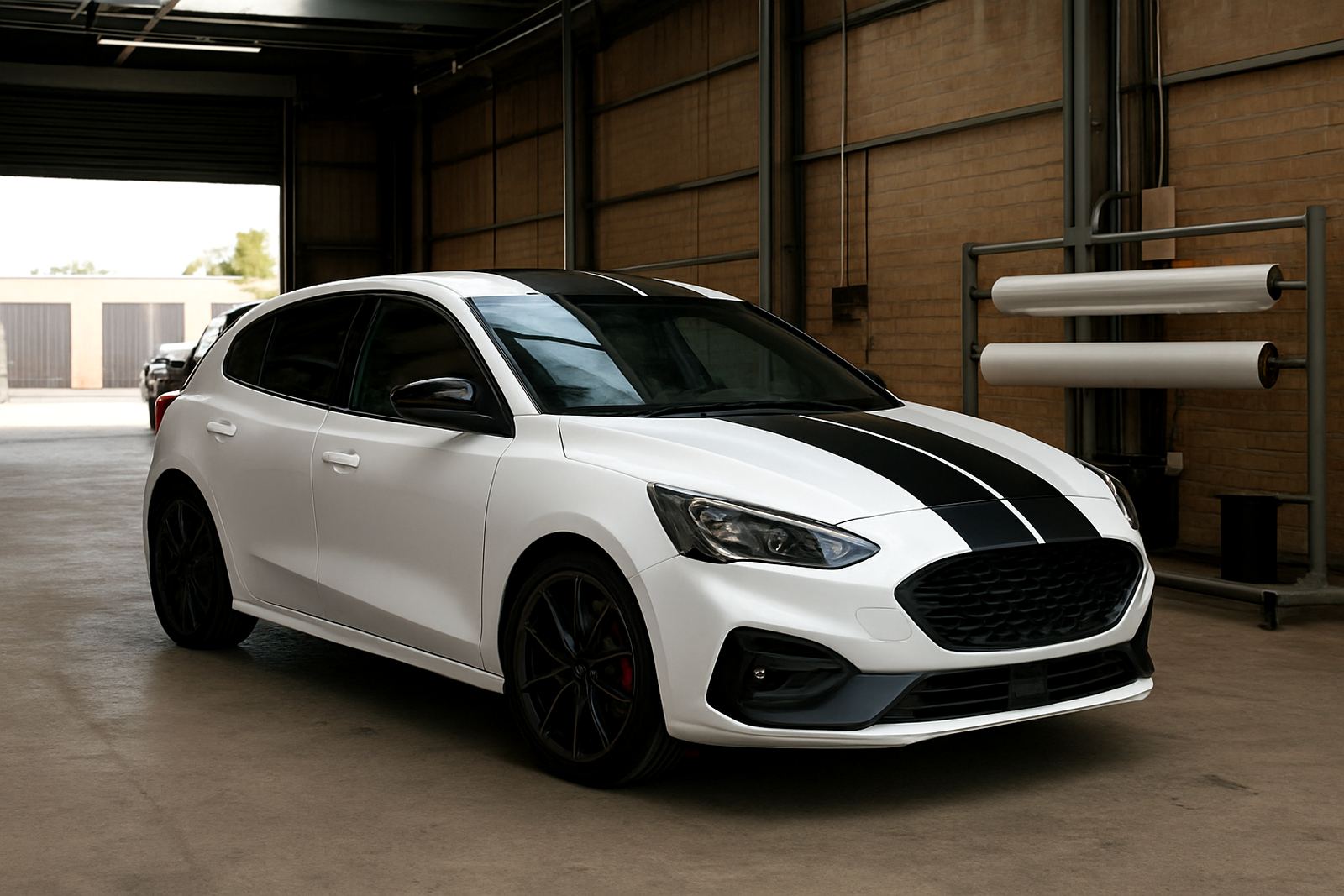
These accents are also practical. A roof accent can hide light ageing on an older vehicle better than a full respray, while a bonnet strip or centre section can add a motorsport look without affecting the rest of the paint. On darker vehicles, a satin or matt finish can reduce harsh reflections, which is useful in Gauteng where strong sun and dust show every mark. A clean accent job can last well if the surface prep is done properly and the vehicle is washed with care, even with load-shedding forcing some owners to park outdoors more often.
Popular bonnet accent options and where they suit best
Bonnet accents are usually chosen for front-end impact. The aim is not to cover every panel, but to change what people notice first when the vehicle pulls up. A strong design can suit a single private car, a sales rep’s hatchback, or a fleet of service bakkies that need a clearer identity on the road.
- Centre bonnet stripe for a sporty look on sedans, hatchbacks and coupés
- Bonnet edge or outline accent for a more subtle, factory-style finish
- Full bonnet colour change where the current paint needs visual correction
- Logo or pattern insert for branded vehicles that still need a restrained appearance
For many clients, the best result comes from keeping the bonnet accent simple. A very busy pattern can age quickly, but a neat centre section or matte contrast often stays relevant longer. If the vehicle is used in the city every day, a lighter vinyl can also show dust less quickly than people expect, though black and dark grey still remain popular because they tie in well with most factory colours.
Roof accents that suit SA heat, rain and parking conditions
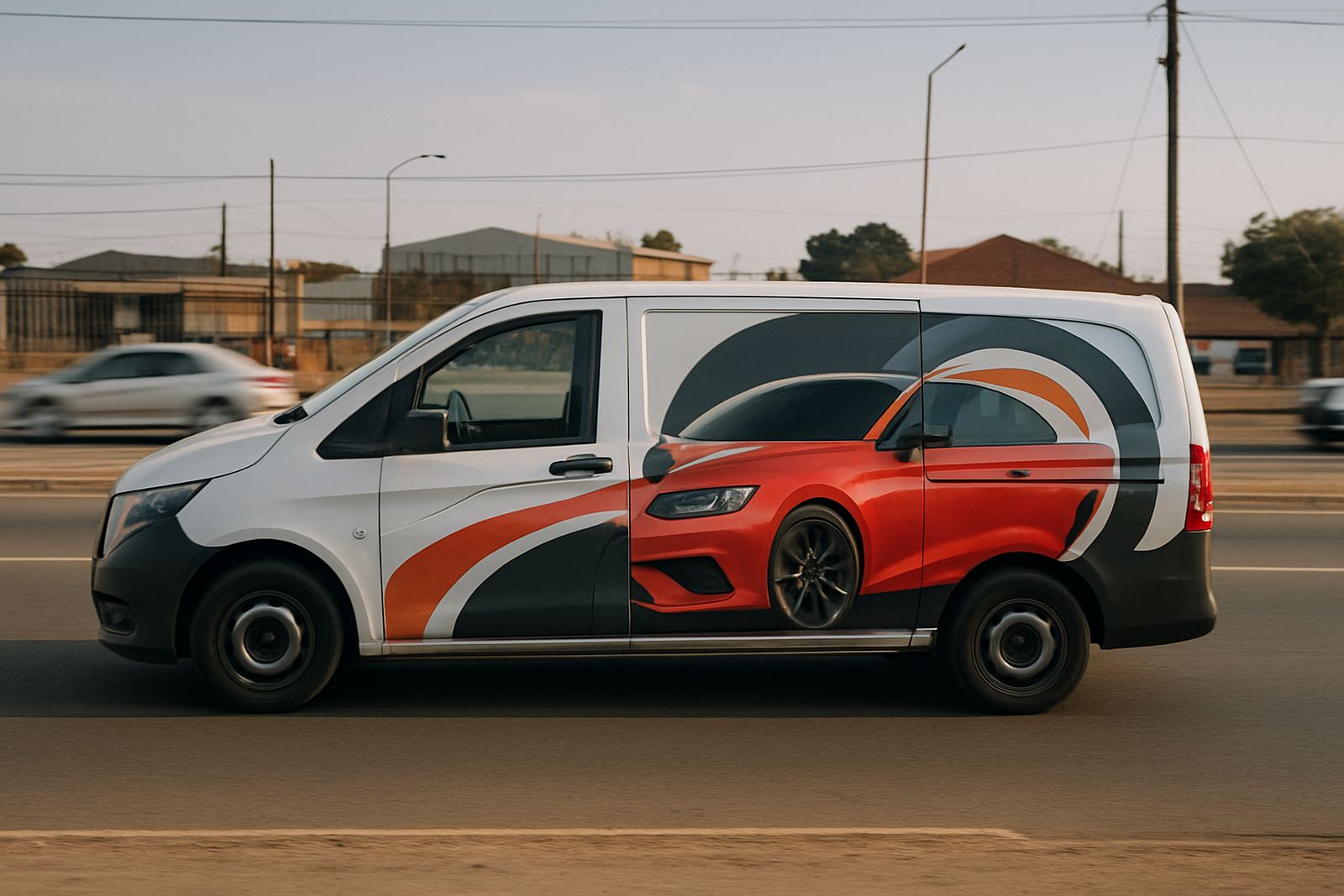
Roof accents are popular because they can transform the whole profile of a vehicle from the side. A roof wrap or partial roof accent can create a two-tone look that feels current, especially on SUVs and compact crossovers. It also works well on fleet vehicles that need a bit of personality without losing their corporate identity.
In South Africa, roof work needs more than good styling judgement. Cars park in direct sun, get caught in summer storms, and spend hours next to trees, building dust and coastal moisture in some regions. That means the vinyl choice and edge finishing matter. On vehicles used near the coast, the roof area should be checked carefully for hidden corrosion or old repair work before any film goes down. In Johannesburg or Pretoria, where heat and UV are the main concern, a quality roof accent can still hold its shape provided the installer prepares the surface properly and the owner avoids harsh wash chemicals.
- Gloss black roof accents suit white, silver and light blue vehicles
- Matt charcoal works well on business fleets that want a quieter finish
- Contrasting roof panels can make taller SUVs look lower and neater
- Partial roof strips are ideal when you want change without a full coverage job
How to choose the right finish for your vehicle use
The best bonnet or roof accent depends on how the vehicle is used, not just how it looks on the day. Private cars usually allow a little more personality, while fleet vehicles need something that photographs well, cleans easily and still looks tidy after many kilometres. If the car carries branding, the accent should support the logo, not compete with it. That balance is often what separates a good fitment from a cluttered one.
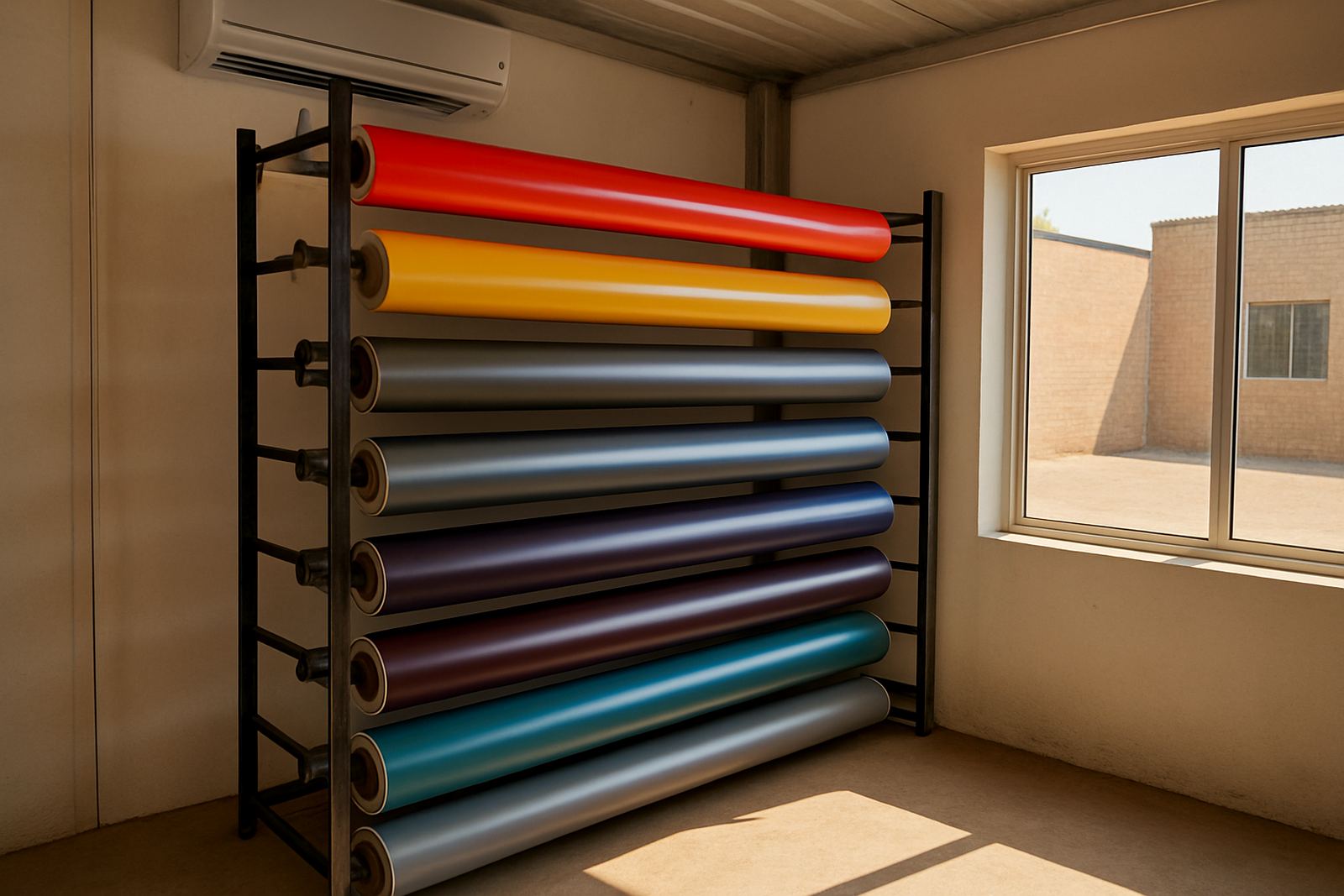
Gloss, matt and satin all have their place. Gloss gives a factory-type shine and suits clients who want something neat and familiar. Matt is more muted and can hide minor surface marks, but it does show handling marks if the vehicle is not washed properly. Satin sits in the middle and is a common choice for clients who want a refined look. The installer should also consider whether the vehicle is likely to face repeated towing, road grime, or frequent hand washing at the workshop. In those cases, a finish that is easy to maintain may be worth more than a trendier option.
Preparation, fitting and the small details that matter
Accent wraps only look right when the prep is done properly. That means cleaning the panel fully, checking for chips, old polish residue, silicone and loose trim, then applying the film with proper heat and pressure. Bonnet and roof panels are broad enough to show every mistake, so even a small speck of dust or an uneven edge can be obvious once the sun hits it.
Good fitment also comes down to knowing where to stop the film. On a bonnet, the edges need to follow the panel line cleanly, not sit over a gap or lift near the badge. On a roof, the wrap should work with the aerial, roof rails and any antenna base without looking forced. If the vehicle has already had bodywork repairs, the installer should check paint cure time first. Rushing onto fresh paint can cause trouble later, and it is usually cheaper to wait a few extra days than to redo the whole job.
- Wash and decontaminate the surface before fitting
- Check for stone chips, repairs and edge damage
- Use the correct heat levels for curves and returns
- Allow proper curing time before heavy washing
A practical Johannesburg example for a small fleet
A Kya Sand contractor with four double cabs may not need full branding on every panel. In a case like that, bonnet and roof accents can be a sensible way to give the fleet a stronger road presence while keeping the vehicles easy to resell later. A matte roof accent paired with a front bonnet strip can make the bakkies look coordinated, and there is still enough space left for door logos, contact details and compliance markings.
This kind of work also helps when vehicles move between sites in Sandton, Midrand and the East Rand. Staff can spot the vehicles quickly in busy parking areas, and the fleet still looks orderly in front of clients. For businesses that rotate vehicles often, accents are easier to refresh than a full wrap. They can be removed or updated with less downtime, which is useful when a vehicle needs to go back on the road by Monday morning. That small bit of planning keeps the brand consistent without tying up the unit for too long.
When bonnet and roof accents are the better choice
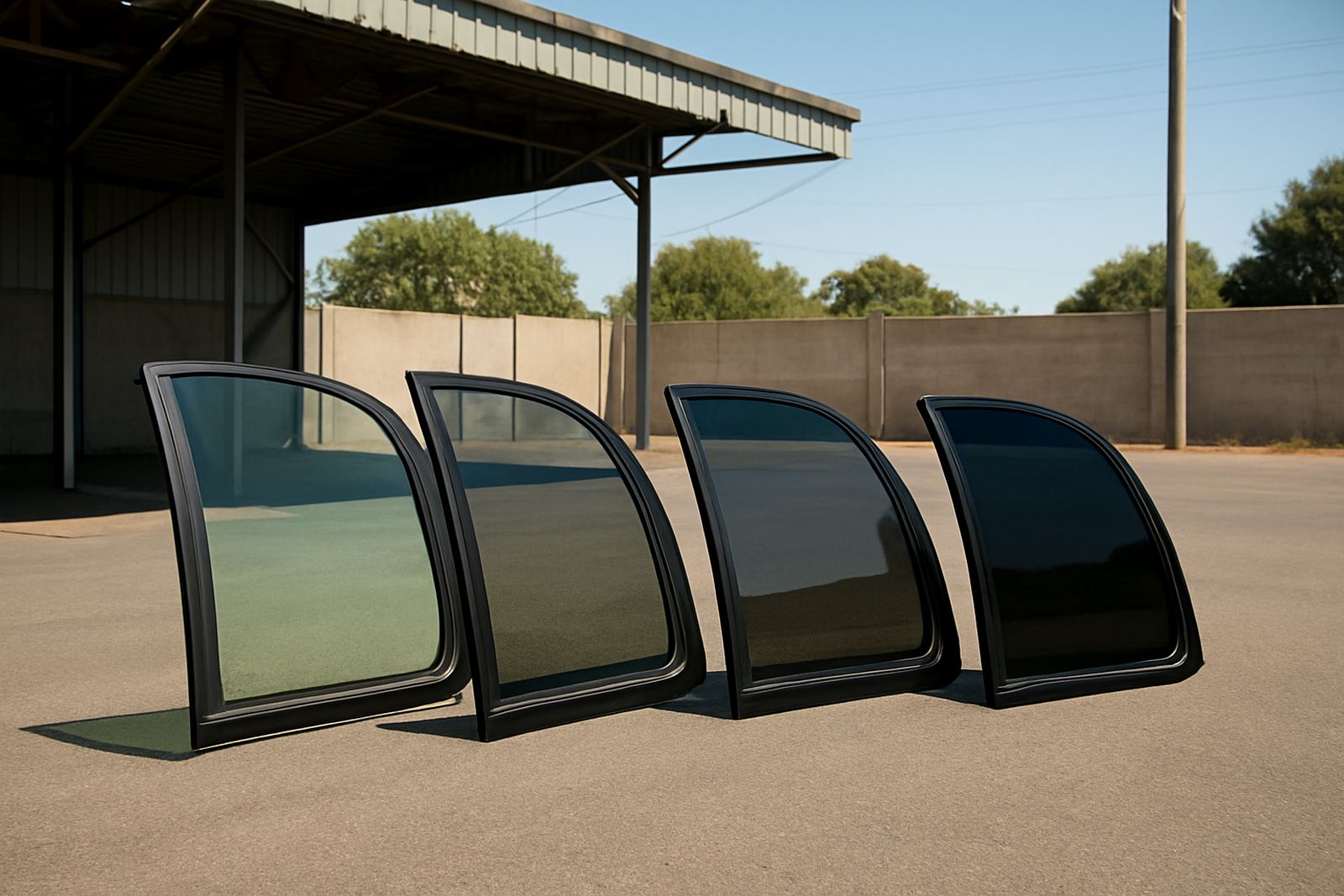
Not every vehicle needs a full wrap. Sometimes the best result is a smaller treatment that improves the shape of the vehicle and keeps the budget under control. Bonnet and roof accents are a good option if you want something subtle, if the current paint is still presentable, or if the vehicle will be sold again in a year or two. They can also be paired with tinting, wheel refurbishment or interior trims for a more complete change without going overboard.
For South African drivers, that mix of visual value and practicality is often the point. You get a cleaner look for business or personal use, you protect key panels from day-to-day wear, and you keep future flexibility. When the design is chosen well, the result feels like it belongs on the vehicle from the start, not like a quick add-on. That is usually what clients are after, even if they only say they want a little change.