What a bonnet wrap actually does
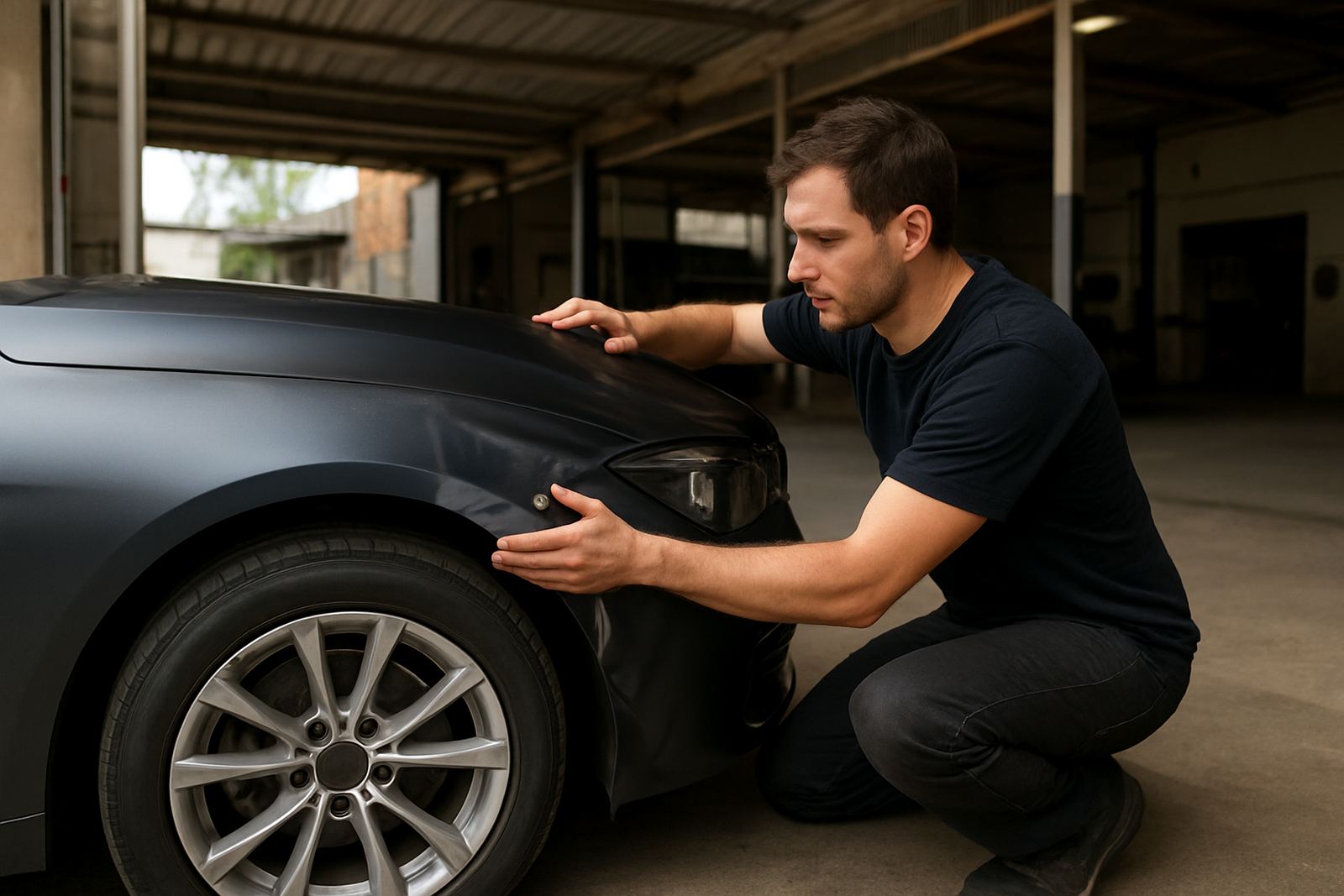
A bonnet wrap is a fitted vinyl film applied to the painted bonnet panel, usually as a colour change, printed branding panel or a protective layer over the paint. It can be used on its own or as part of a full vehicle wrap plan, especially when a client wants a specific front-end look without changing the whole vehicle. On darker colours, a matte or satin finish can reduce reflections from sun and streetlights, which helps in daily driving and at work sites.
For business use, the bonnet is one of the first areas people see in traffic, at loading bays and on the road. That makes it a strong space for logos, fleet identification or short campaign messages. For private vehicles, it is often about style and paint protection, especially where stone chips, tree sap and strong UV exposure are part of normal use in Gauteng and coastal areas alike.
- Suitable for plain colour changes, printed graphics or protective overlays
- Works on cars, SUVs, bakkies and selected fleet vehicles
- Can be removed later without sanding or repainting when fitted and removed correctly
Finish options and sizing for different bonnet shapes
Bonnet wraps are not one size fits all. We measure the bonnet length, width, edge return and curve depth before cutting material. A compact hatchback may need only 1.5 to 2 metres of film for the bonnet panel, while a bakkie or large SUV can need closer to 2.5 metres or more depending on the shape and whether the wrap carries printed copy across the full panel. Complex contours around vents, washers and badge recesses add to labour time and material waste.
The usual finish choices include gloss, satin, matte, textured carbon look and printed graphics with a laminated top layer. We also do partial bonnet coverage for a banded look, though full-panel coverage is often neater for company branding. For fleets, we match the bonnet finish to the rest of the vehicle so the front stays consistent with the brand standard across different models.
- Gloss for factory-style colour match and easy washing
- Matte or satin for lower reflection and a more restrained look
- Printed branding for campaign vehicles, demo units and promotions
- Protective film options where paint preservation is the main goal
Where bonnet wraps suit best in South Africa
Bonnet wraps work well for companies that do site visits, field sales, deliveries and service work because the bonnet is visible even when the vehicle is parked nose-out. They are also common on personal cars and bakkies where the owner wants a change without a full respray. In Johannesburg, Sandton, Midrand and the East Rand, a bonnet wrap is a practical way to keep a vehicle looking current without taking it off the road for long. In Durban and other humid coastal areas, the film selection and edge sealing matter more because heat and moisture can affect the lifespan if the prep is poor.
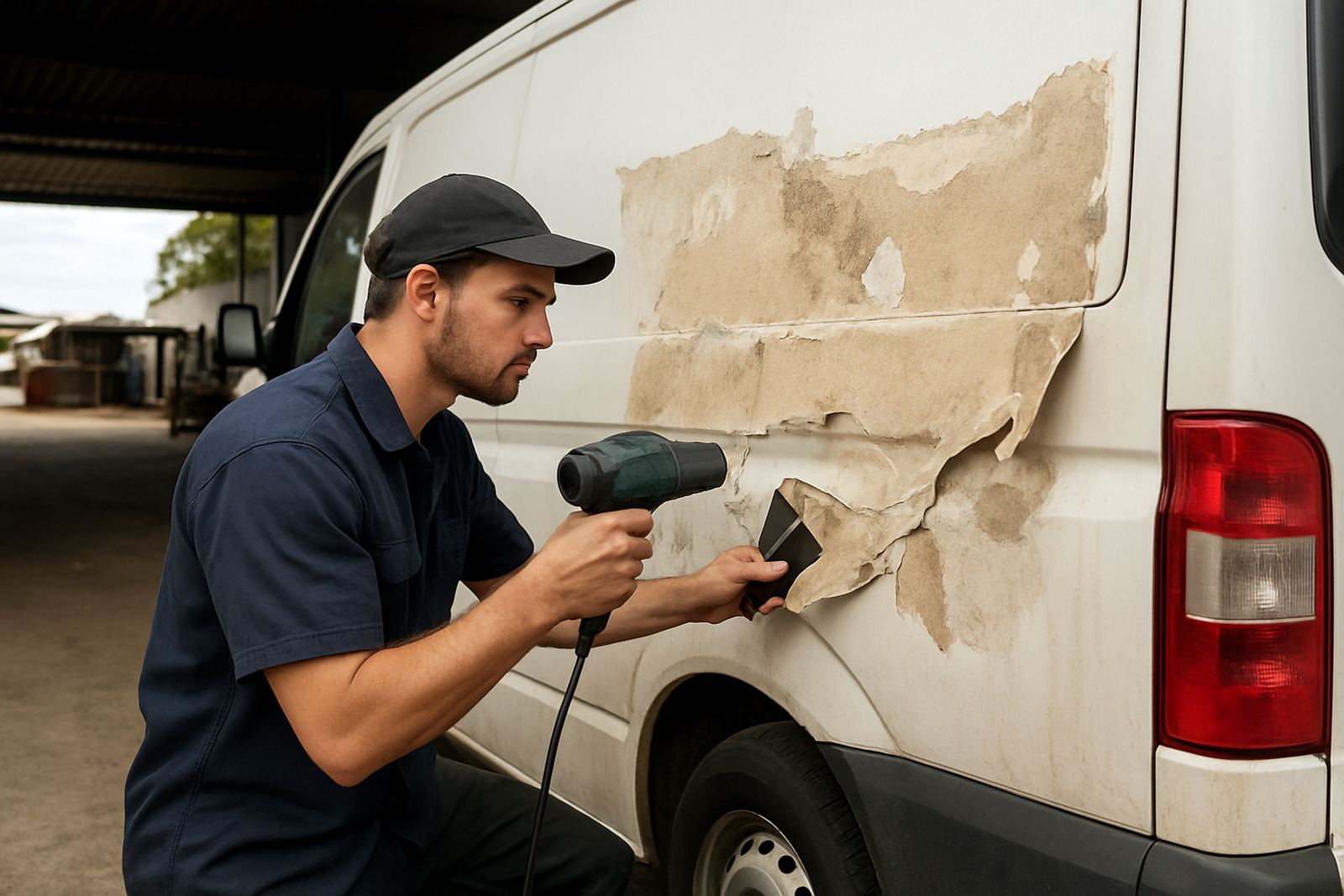
They suit vehicles that are washed regularly and that spend time outdoors. If the bonnet has existing chips, faded clear coat or previous repair work, we assess the surface first. A wrap can cover minor marks but it is not a filler for damaged paint. Where the bonnet already has flaking clear coat, we will normally advise on repair before fitting, otherwise the film may lift or pull weak paint on removal.
- Business cars used for client visits and parking lot visibility
- Company bakkies working in construction, security and service fleets
- Private vehicles needing a visual change or some added protection
- Campaign vehicles that need strong front facing branding
Installation process and site requirements
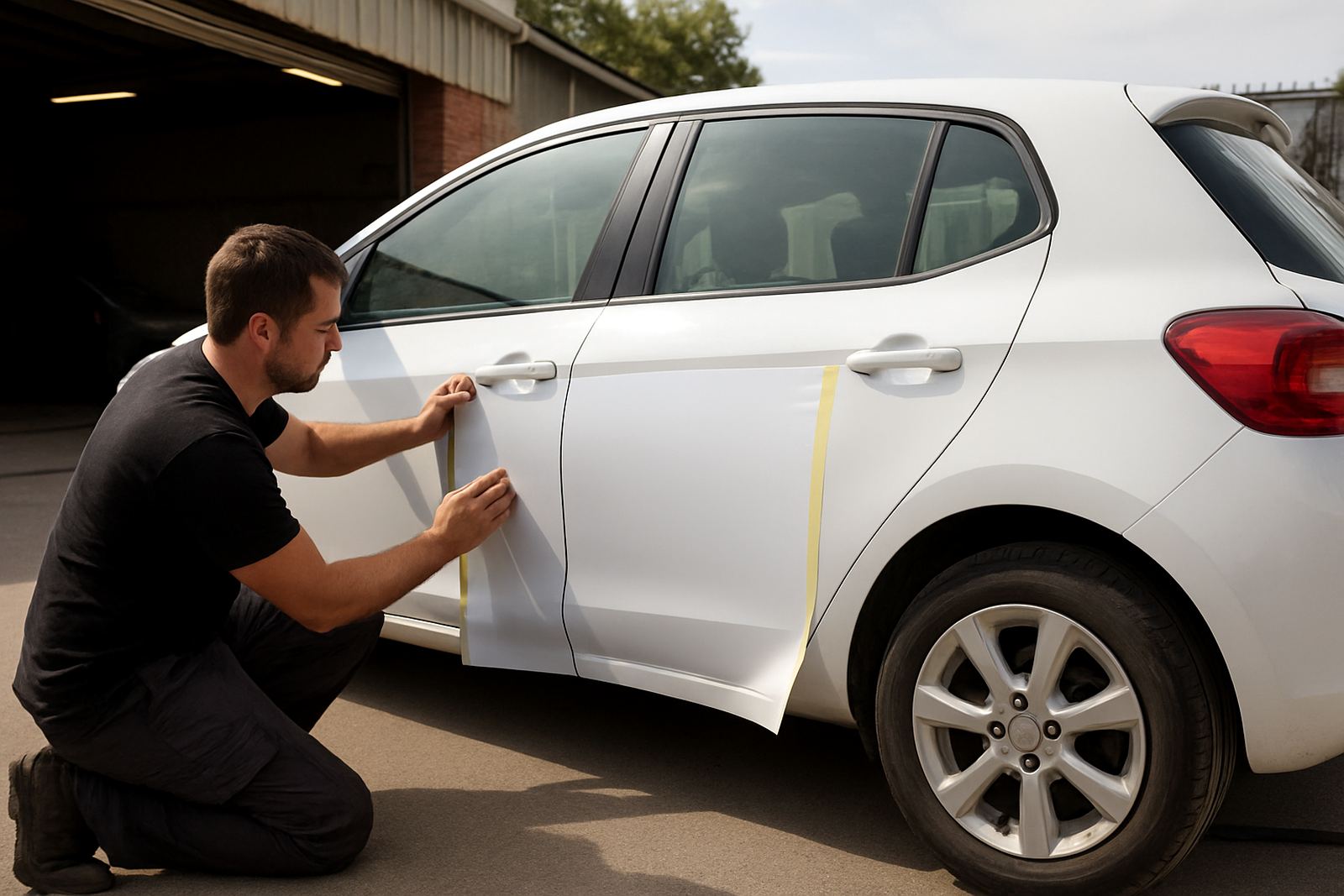
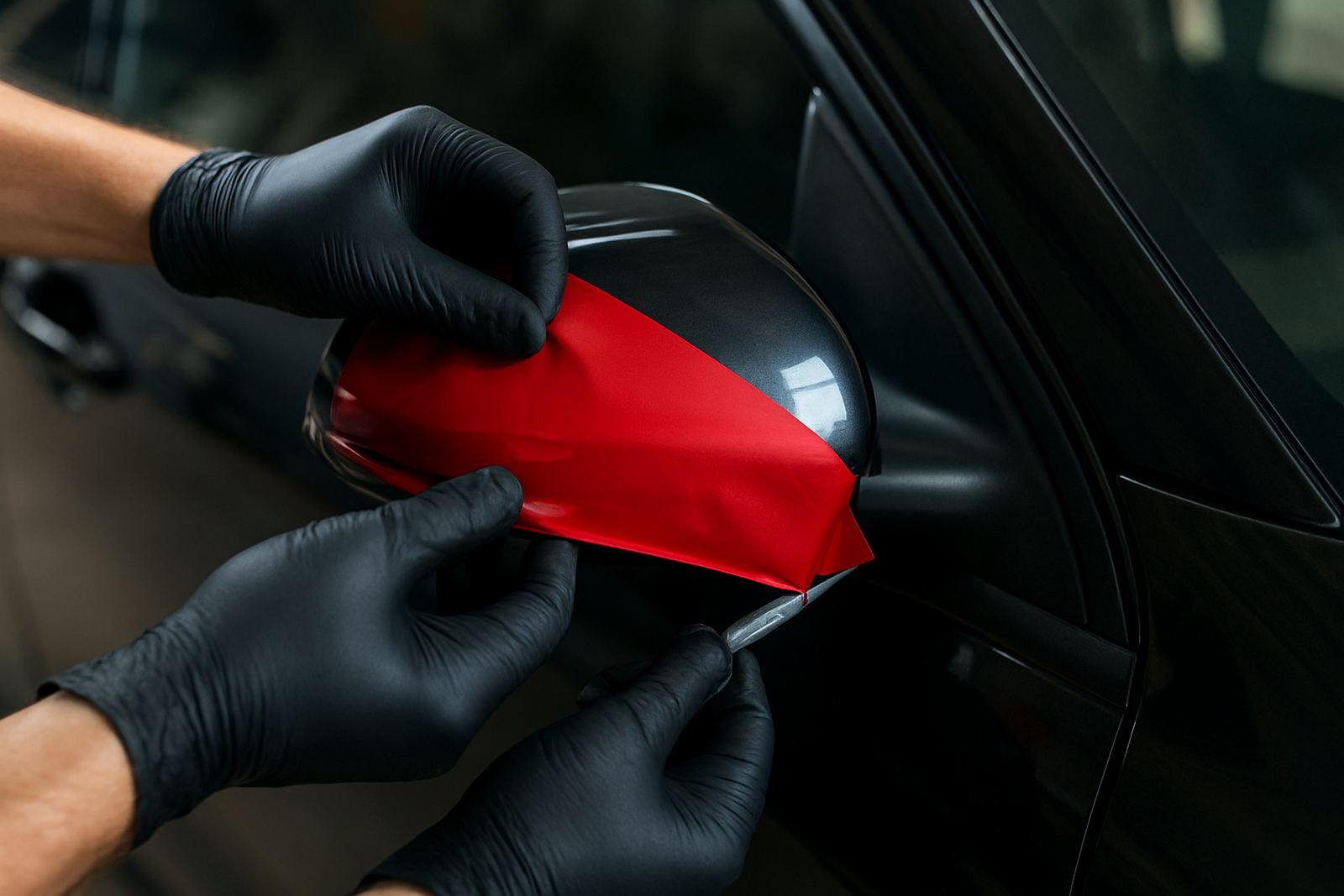
Installation starts with a full clean, decontamination and surface preparation. We remove tar, polish residue and heavy grime before any film is laid. The bonnet is then dried fully and checked for chips, scratches and panel repairs. Depending on the vehicle, we may work the film dry or with controlled application fluid on specific sections, then trim to the bonnet edges and tuck where the panel design allows. Heat is used to form the film around curves and to settle tension points.
Most bonnet wraps do not need mains power, but we do need a clean, dust controlled bay and enough space around the vehicle to open the bonnet fully. For fleet work, good lighting and a level floor make a big difference. Some jobs can be done on site for a small group of vehicles, though larger or more detailed bonnet graphics are better handled in our wrap bays in Kya Sand or one of our other service areas. We do not need gas for the fitting itself, but stable electricity helps with lighting, heat guns and cutting tools, especially during load-shedding when a proper backup plan is in place.
- Clean bay or sheltered indoor area required for best results
- Vehicle should arrive washed and free of loose dirt if possible
- Bonnet must cool down before fitting on very hot days
- Allow curing time before pressure washing or high-speed travel
Care, servicing and lifespan
A bonnet wrap will last longer if it is washed by hand with pH neutral soap and soft microfibre cloths. Avoid harsh solvents, strong degreasers and abrasive brushes at the forecourt wash. In hot weather, insect residue should be removed quickly because it can stain if left too long on the film. On high-mileage vehicles, especially those that travel between Johannesburg and coastal routes, it is wise to inspect the front edge after the first few weeks and then at routine service intervals.
If the bonnet is wrapped as part of a fleet branding plan, we can inspect the edges during other work such as side branding or wrap removal. Minor lifting at an edge can often be corrected before it becomes a bigger issue. Most bonnet wraps perform well for several years if the paint underneath is sound and the vehicle is washed sensibly. Sun exposure, poor prep and repeated abrasive washing will shorten that period.
What to check before you order
Before confirming a bonnet wrap, check the vehicle model, year and bonnet shape, because even small changes between trims can alter fitment. Decide whether the goal is style, glare reduction, paint protection or branding, then choose a finish that suits the use. For printed work, send the logo artwork in a usable format and confirm the exact wording, colours and placement. If the bonnet has chips or bodywork repairs, say so upfront so we can advise whether prep is needed first.
Also think about how the vehicle is used. A delivery bakkie that lives outdoors needs a different material approach from a private car kept in a garage. For commercial orders, ask for fleet standard matching so every bonnet in the run looks the same. If you are ordering more than one vehicle, give us the model list, quantities and preferred timing. That keeps the job moving and avoids delays on rework or reprints.
- Vehicle make, model, year and bonnet shape
- Finish choice, plain colour or printed branding
- Condition of the bonnet paint and any previous repairs
- Usage pattern, including outdoor parking and wash method
Key facts
| Service | Bonnet wrap fitting for styling, protection and branding |
|---|---|
| Suitable vehicles | Cars, SUVs, bakkies and selected fleet vehicles |
| Typical film use | About 1.5 to 2.5 metres depending on bonnet size and shape |
| Finish options | Gloss, satin, matte, textured and printed graphics |
| Fitting locations | Kya Sand, Sandton, Midrand, East Rand, Pretoria and Durban service areas |
| Support | Design, artwork, surface preparation, installation and aftercare |