What the Wrap Removal Package Covers
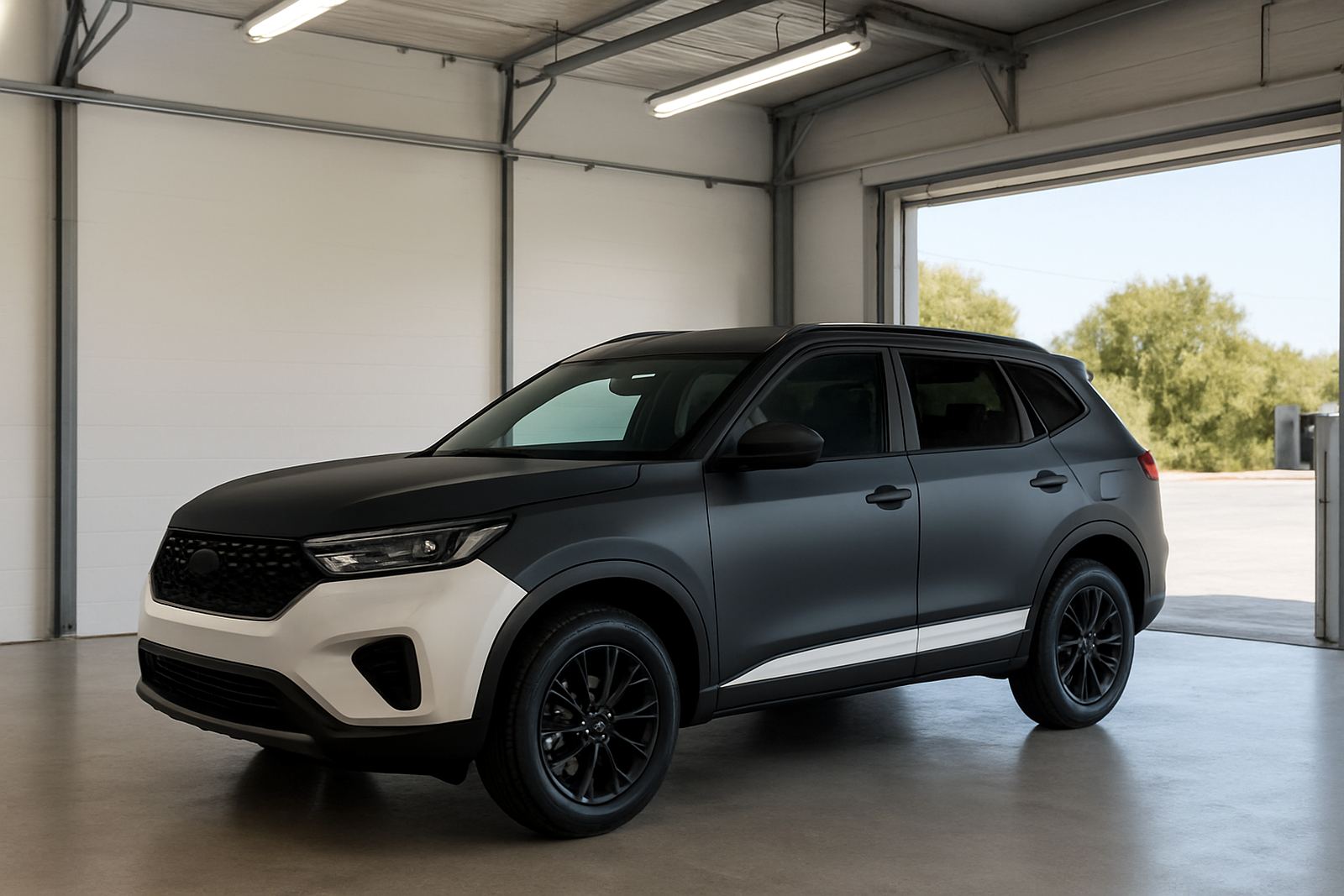
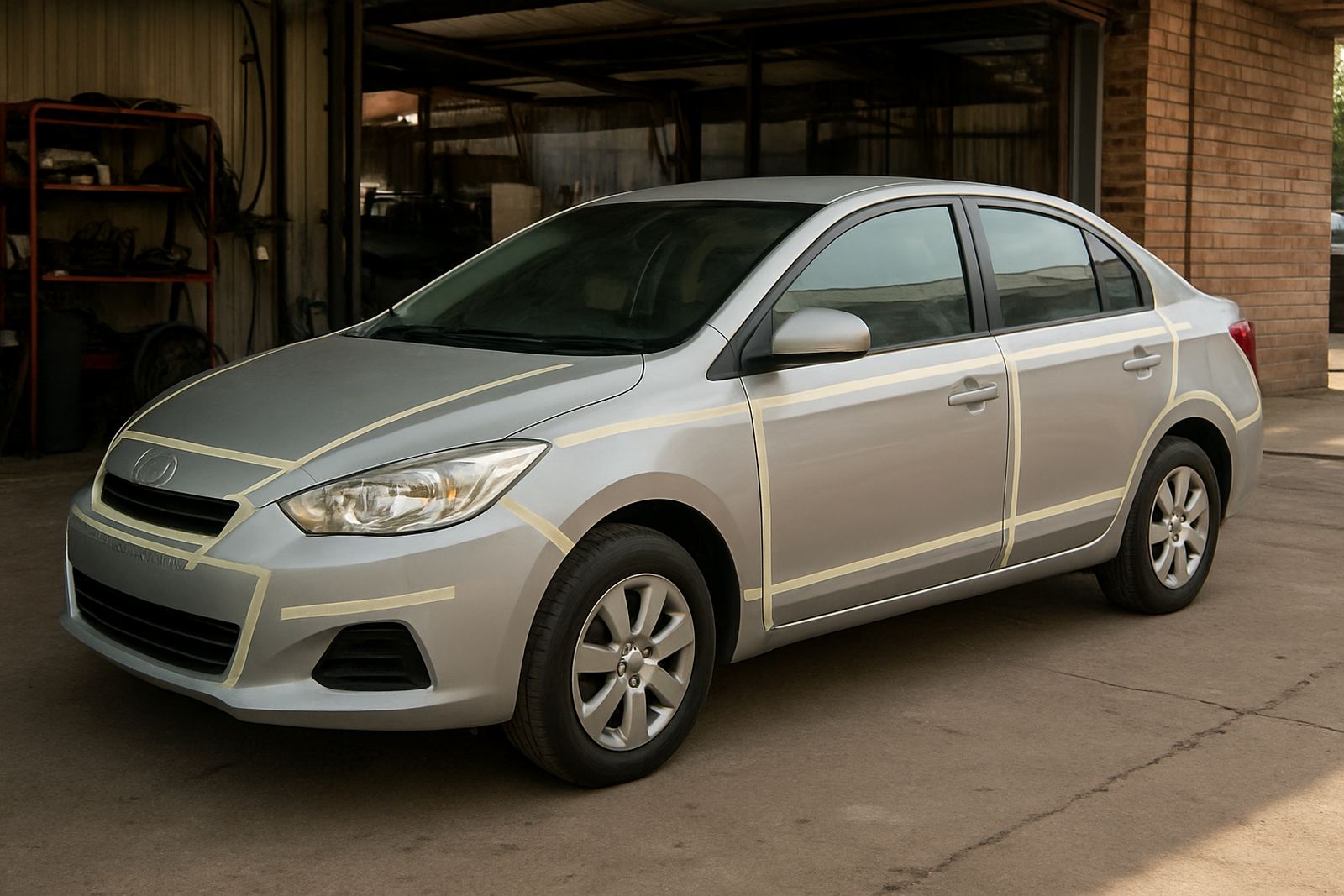
This package is for vehicles that still carry old vinyl colour changes, printed fleet graphics, partial wraps, cut decals or signage that has reached the end of its service life. We remove the vinyl in a controlled way, then deal with the adhesive residue so the panel is left clean enough for inspection or rebranding. It suits single vehicles, mixed fleets and company vehicles coming out of lease or sale prep.
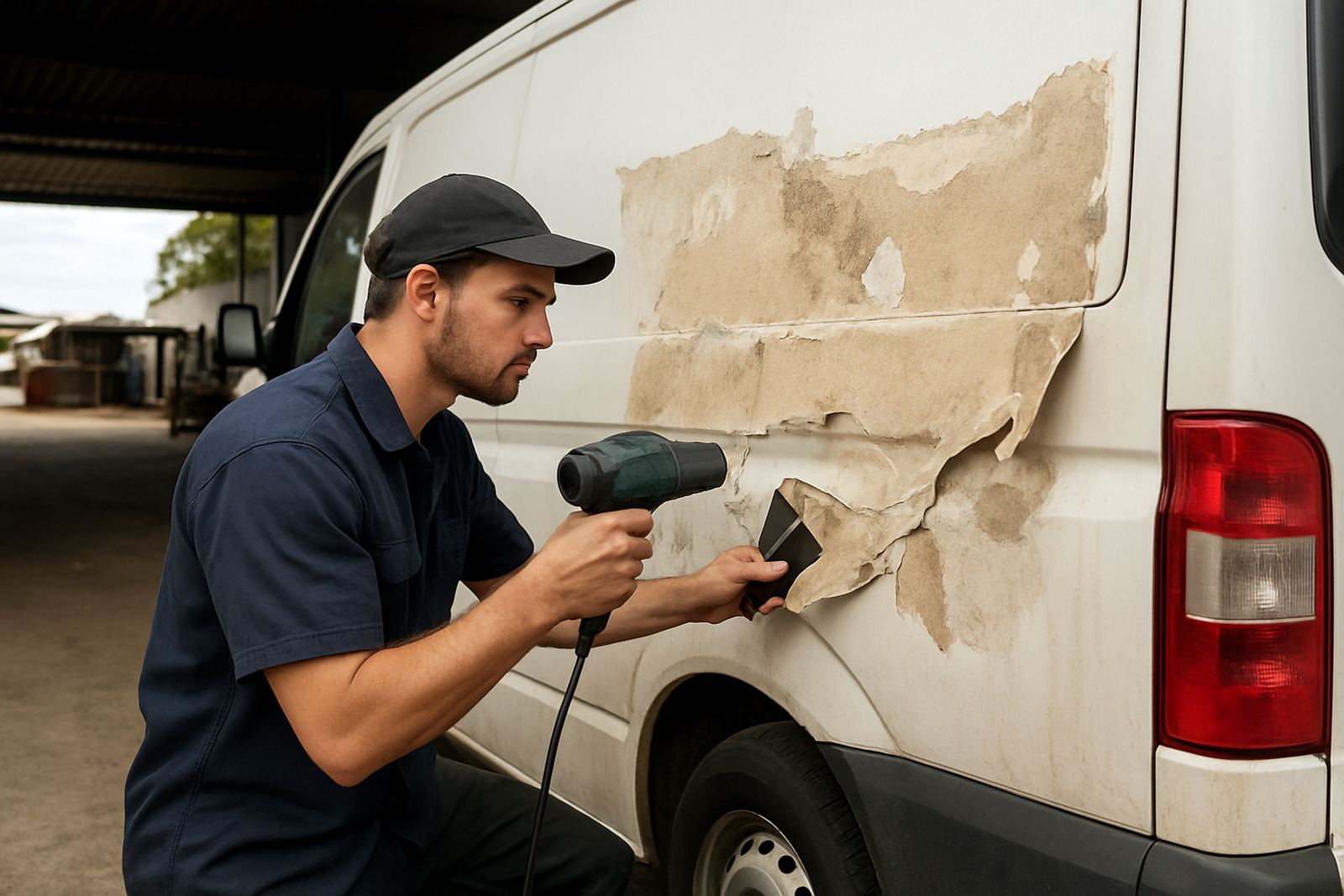
Removal is not just a matter of peeling. Age, sun exposure, coastal humidity and previous paint repairs all affect how the film comes away. On older wraps the vinyl can become brittle and the glue can bind harder to the clear coat. That is why the method matters, especially on bonnet edges, door handles, mirrors and around badges.
- Full vinyl wrap removal
- Partial wrap and decal removal
- Fleet logo and livery removal
- Adhesive cleanup after lift-off
- Final panel wipe for rewrapping or handover
Where It Suits Best
The package is a good fit for vehicles that are being sold, returned to a lessor, rebranded or prepared for a fresh wrap. It is also useful if a vinyl finish has faded unevenly, lifted at the edges or started cracking after years in the sun. On bakkies and panel vans, removal is often needed before new branding goes on so the artwork reads properly and the surface is sound.
For fleet managers in Johannesburg, Sandton, Midrand, the East Rand and Pretoria, this is the practical way to reset a vehicle without rushing the job. We also support Durban and other coastal work where wrap ageing can be faster because of heat and moisture. If the paint underneath is original and in good condition, removal is usually straightforward. If there has been a repair, respray or sanding work, we check that area first before continuing.
- Lease returns and fleet refreshes
- Trade-in or resale preparation
- Brand changeovers after a takeover
- Replacing an outdated colour change
- Removing damaged or lifting sections after sun exposure
Removal Method and Workshop Setup
Removal is done in a workshop setting with controlled heat and the right hand tools, so the vinyl softens without scorching trim or marking paint. We work section by section and adjust the approach to suit the film age, the adhesive type and the panel shape. Heat guns and safe solvent cleaning products are used as needed, but only where the surface allows it. No open flame is used on vehicle panels.
Power needs are standard single phase workshop power for heat tools, lights and extraction. No gas supply is required. If a vehicle has parked up with battery issues, we can still carry out the removal as long as the vehicle can be moved safely in the bay and the doors, bonnet or tailgate can be opened as needed. For larger fleets, we plan bay time and vehicle staging so turnaround stays organised.
- Controlled heat application, not aggressive stripping
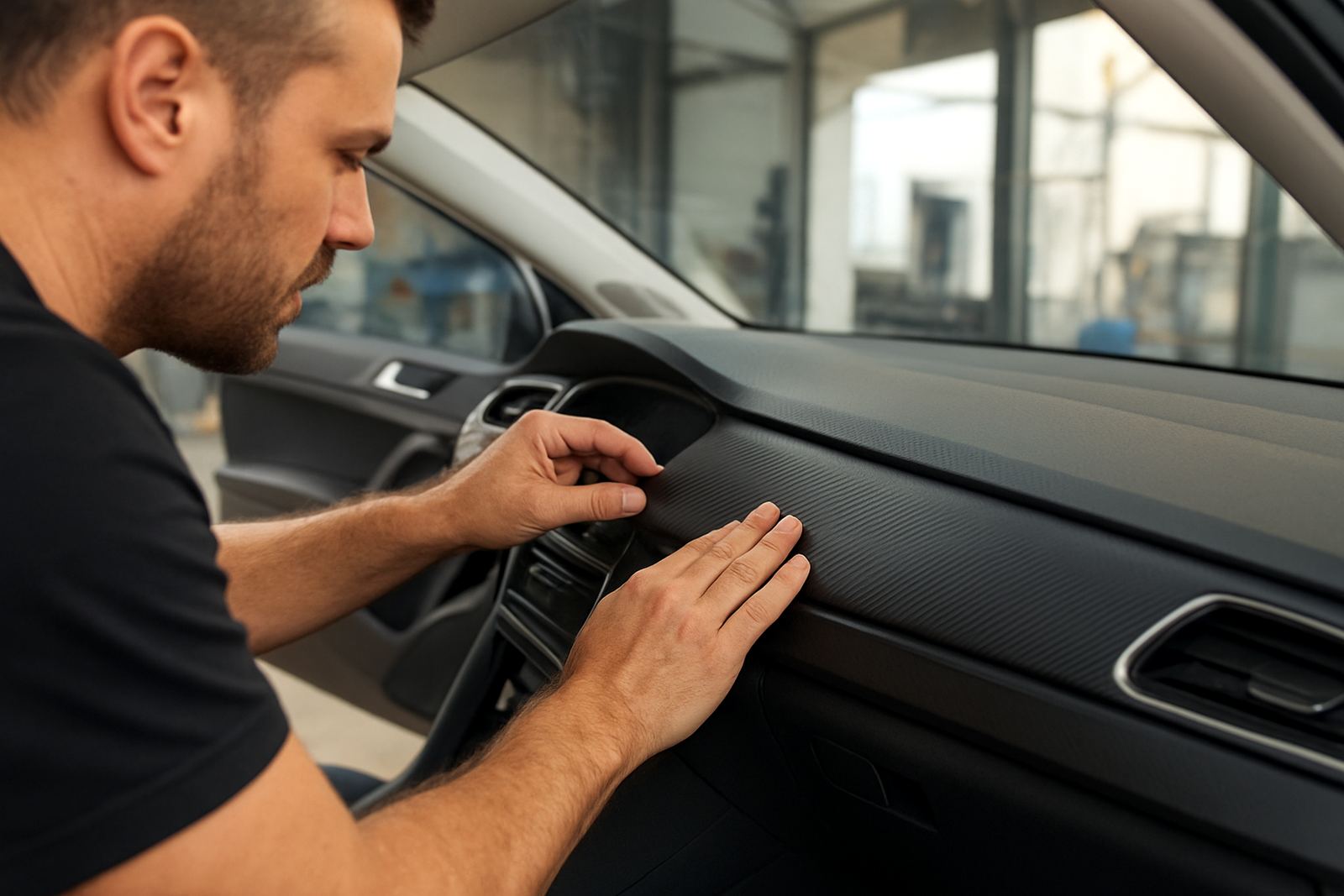
- Care around sensors, trims and window rubbers
- Adhesive removal with panel-safe cleaners
- Final surface check before release or rewrap
Sizes, Vehicle Types and Options
There is no one size for wrap removal because every vehicle and film type behaves differently. A compact hatchback with simple door graphics is much quicker than a long-wheelbase van or a fully wrapped SUV. We quote according to coverage area, film age and the amount of adhesive cleanup needed. Fleet removals are often booked by unit count, while single vehicles are usually priced per vehicle.
Typical options include full body removal, roof only, bonnet and bumper sections, door livery only, and mixed wraps where one panel has to be taken off for repairs. We can also remove interior vinyl accents, wheel striping and commercial decals from windows. If the wrap is several years old, expect more labour on exposed horizontal surfaces than on shaded side panels.
- Passenger cars and SUVs
- Bakkies and single cab workhorses
- Panel vans, delivery vehicles and taxis
- Fleet vehicles with repeat graphics
- Interior trim vinyl and smaller accessories
What to Check Before You Order
Before booking, check how long the wrap has been on the vehicle, whether any panels were repainted after fitting, and if the paint was ever damaged under the film. These points affect labour time and the cleaning stage. It also helps to know whether you want the surface ready for a new wrap straight away, or simply clear for sale photos and inspection.
Please tell us if there are parking sensors, parking cameras, plastic trims or aftermarket accessories fitted close to the wrap edges. If there are any known paint issues, say so upfront. A quick note on colour change films versus printed graphics helps too, because printed material and cast colour films may come off differently. A little detail at booking saves time in the bay and keeps the result neater.
- Vehicle make, model and year
- Approximate wrap age in months or years
- Full wrap, partial wrap or decals only
- Any respray or body repair history
- Whether a rewrap is planned after removal
Aftercare, Cleanup and Handover
Once the vinyl is off, we clean remaining adhesive and do a final wipe so the panels are ready for the next step. If the vehicle is going straight into rebranding, we keep the surface free of dust, polish residue and tape marks. If the vehicle is being sold or handed back, we aim for a tidy finish that photographs well and passes an inspection without the usual sticky patches left behind.
We also advise on aftercare if the vehicle has spent years under strong sun. Freshly cleaned paint should not be exposed to heavy polishing or compound work straight after removal unless the panel condition has been assessed. If the wrap left a shadow line, that is normal on older work and often fades after a proper wash cycle and a few days of exposure. Regular servicing is not needed for the removal itself, but the surface should be kept clean and dry before any new film is installed.
- Wash gently with pH-balanced shampoo after removal
- Avoid harsh solvents on cleaned panels
- Do not machine polish until the paint has been checked
- Book rewraps soon after if the vehicle is staying in service
Key facts
| Service type | Wrap and graphic removal with adhesive cleanup |
|---|---|
| Coverage | Full vehicles, partial sections, decals and fleet branding |
| Typical vehicle range | Cars, SUVs, bakkies, panel vans and light commercial vehicles |
| Power needs | Standard single phase workshop power for heat tools and lighting |
| Gas requirements | No gas supply required |
| Primary locations | Kya Sand, Sandton, Midrand, East Rand, Pretoria and Durban service areas |