What a partial colour wrap covers
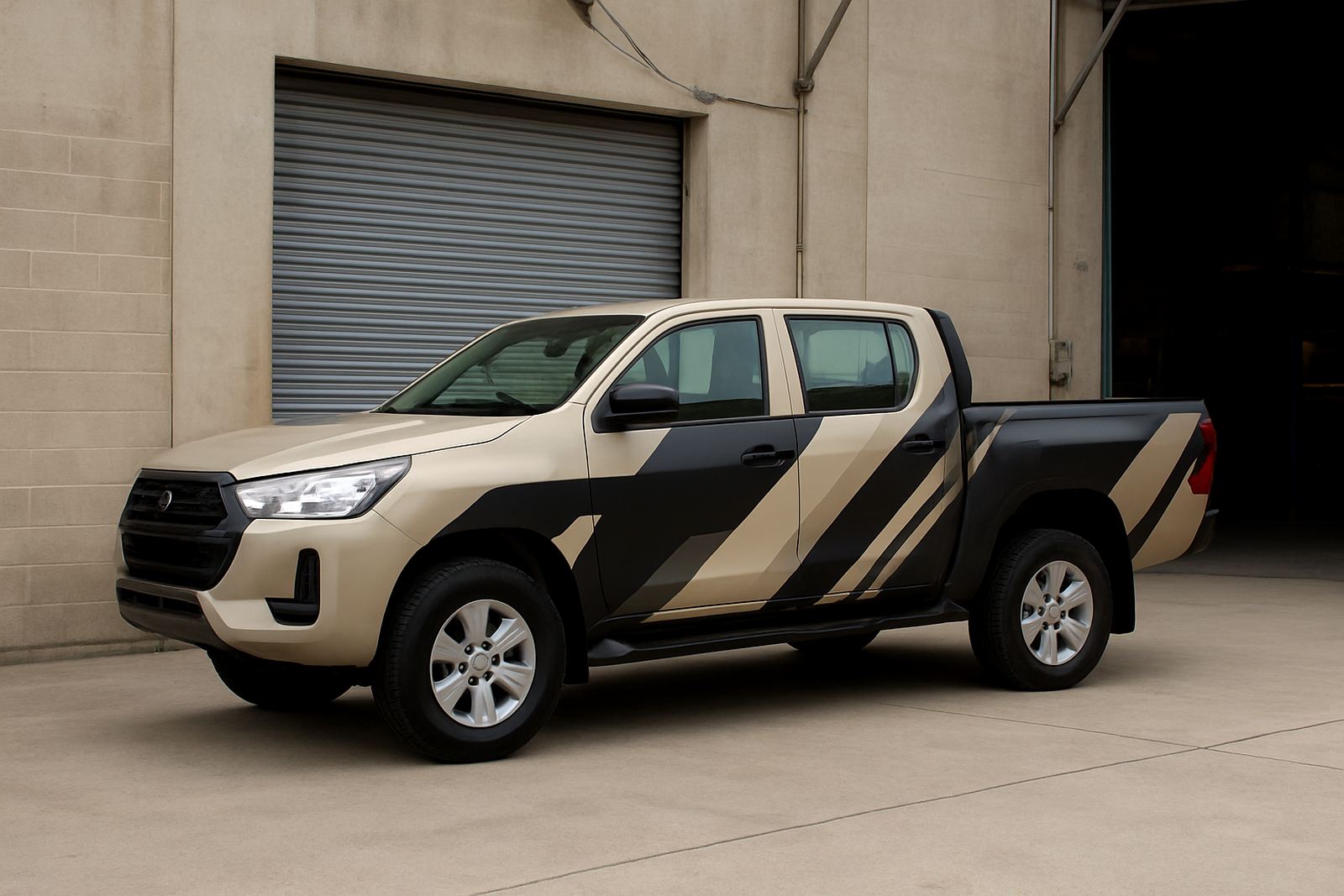
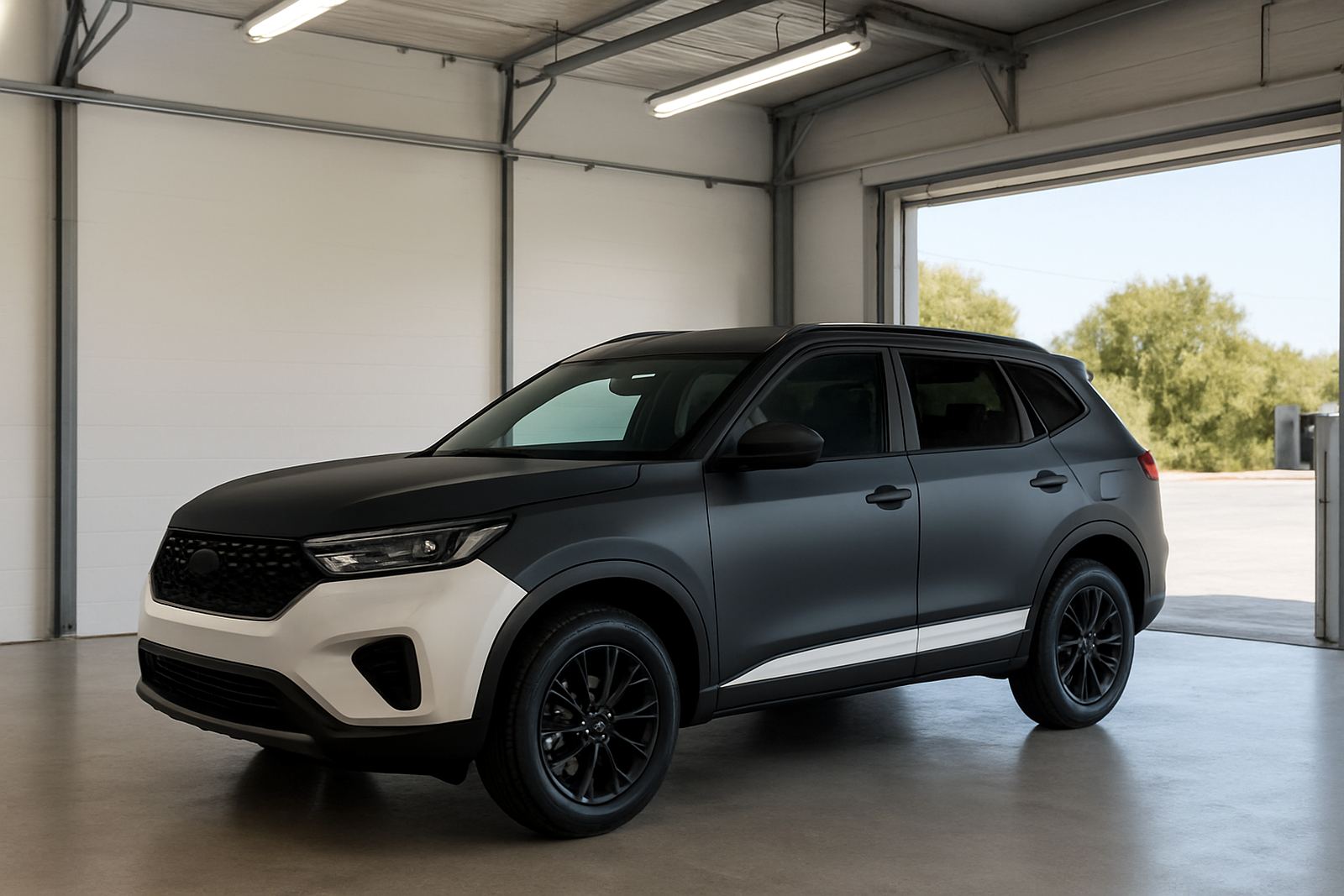
A partial colour wrap is a selective vinyl change for specific panels such as roofs, bonnets, mirrors, spoilers, roof strips, bumpers, canopies or accent sections. It can be used to create a two-tone look, match a fleet colour, hide repair mismatch, or add branding detail without committing to a full respray. On many vehicles it is also the quickest way to make a standard model look sharper without losing the original paint underneath.
At our Kya Sand base in Johannesburg, partial wraps are planned around the vehicle shape, the original paint condition and how the vehicle is used day to day. That means we look at sun exposure, stone chips, wash frequency and whether the vehicle spends time in coastal humidity, under trees or in heavy stop-start traffic. The aim is a finish that looks right from close up and from across the street.
- Roof wraps for contrast or heat reduction
- Bonnets for styling or paint protection
- Side mirrors, pillars and roof rails for accents
- Tailgate inserts, bumpers and diffuser sections
- Fleet colour blocks for consistent brand presentation
Typical sizes, panel choices and finish options
Partial wraps are sized to the panel, not by a fixed square metre rule alone, because each vehicle has different curves, trim and cut lines. A small mirror-cap wrap may use less than 1 m2, while a bonnet and roof combination on a bakkie or SUV can use 4 m2 to 7 m2. Large fleet accent sets may run higher where doors, tailgates and load-bin panels are included. We usually measure the vehicle before quoting so there are no surprises.
Finish options generally include gloss, satin, matte and textured appearances, with some films suited to colour matching and others better for contrast. In South Africa, gloss finishes are often chosen for company vehicles because they are easy to keep clean, while satin and matte are useful where a more restrained look is wanted. For vehicles parked outside all day, we normally recommend a film with good UV resistance and a dependable adhesive that can handle summer heat and winter mornings.
- Small accent areas: mirrors, roof strips, trims
- Medium areas: bonnets, roofs, tailgates
- Combined sets: roof plus mirrors, bonnet plus grille surround
- Fleet sets: repeated panel layouts across multiple vehicles
Where a partial wrap suits best
This product suits private vehicles, sales cars, service vehicles and commercial fleets that need a controlled change rather than a full colour conversion. It works well on vehicles that already have good paint and only need a visual update or extra protection on the panels that take the most abuse. Roofs and bonnets are common because they catch the strongest sun and the most stone chips, while mirrors and door handles are often added to tie the look together.
It is also useful where a business wants brand consistency across mixed vehicle types. A partial wrap can repeat the same colour block, stripe, or accent on hatchbacks, SUVs, bakkies and panel vans so the fleet still looks uniform. For municipal or commercial users, we can also work around vehicle numbers, reflectivity rules and operational needs so the vehicle stays practical and legal on the road. That planning saves a lot of back and forth later.
- Private cars that need styling with less cost than a full wrap
- Bakkies and SUVs with chipped bonnets or faded roof paint
- Fleet vehicles that need repeatable branding detail
- Vehicles returning from panel repair and needing colour consistency
Installation, workspace needs and turnaround
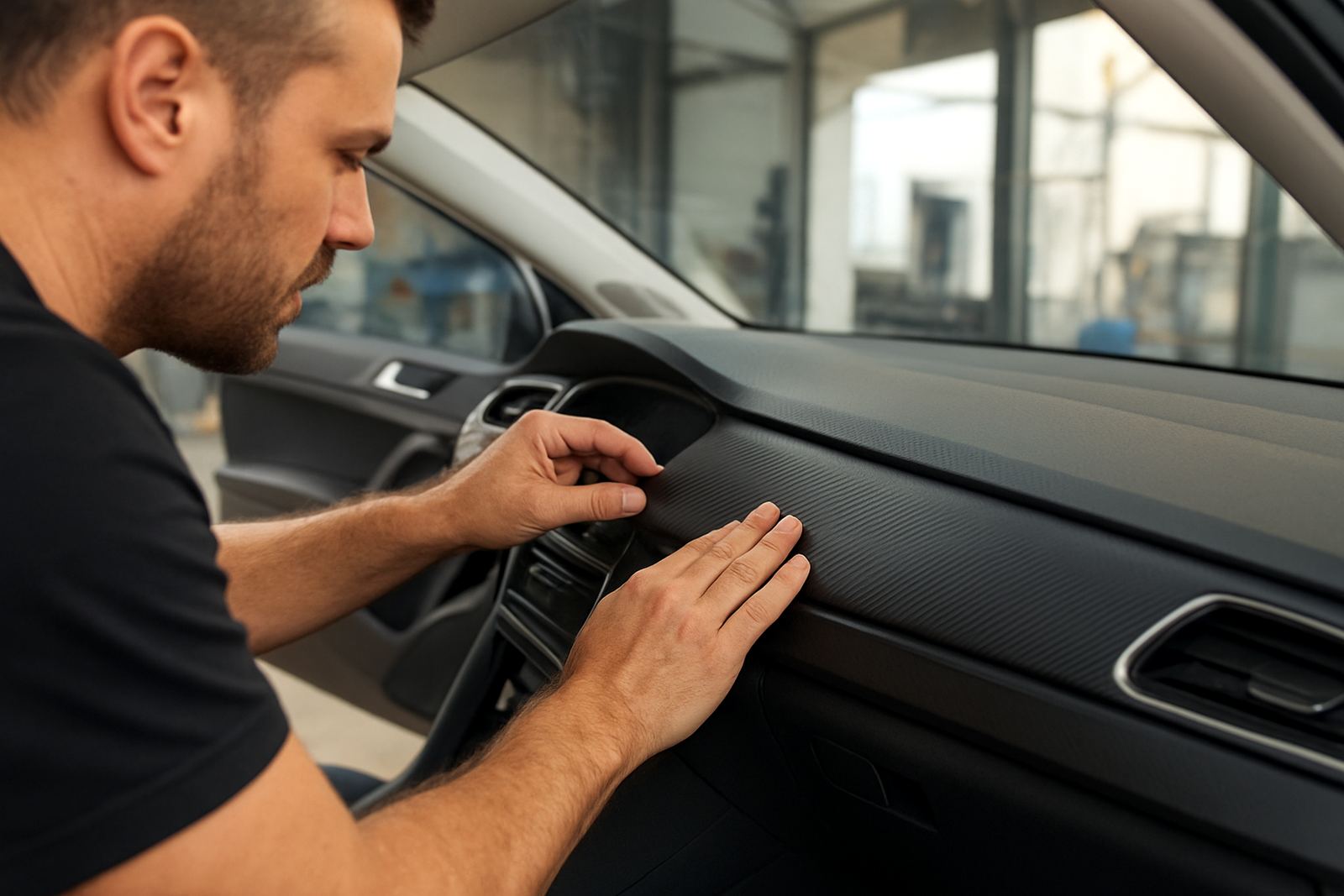
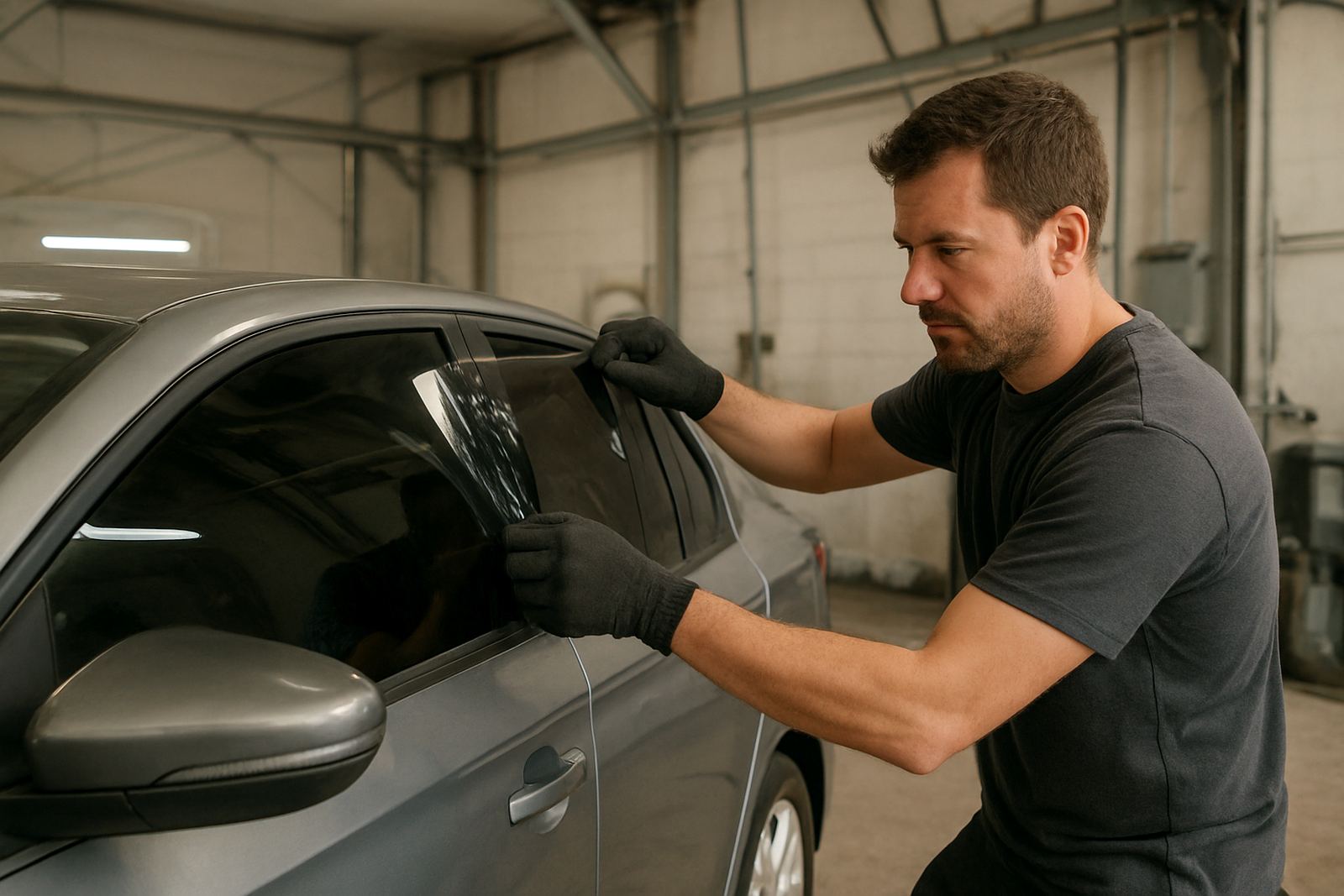
Partial colour wrap installation is done in a clean indoor bay with controlled dust levels, steady lighting and space to open doors and work around mirrors and trim. The vehicle must be washed, degreased and inspected before application. On some jobs, badges, handles or exterior trims are removed to get a neater edge. That extra step makes a big difference on bonnets and roofs especially.
These jobs do not need gas or special power supply from the client side. Normal workshop power is used for lighting, heating and cutting tools, and the bay should be dry and sheltered from wind. In Johannesburg and Durban we pay attention to temperature and humidity because both affect how the film settles. Smaller partial wraps can often be completed in a day, while more detailed combinations or fleet repeat work may take longer, depending on prep and curing time.
- Clean bay or sheltered area only, no direct dust or rain
- Vehicle washed and dried before booking in
- Battery in good condition for vehicles with removable trims and sensors
- Allow curing time before high pressure washing
Care, cleaning and servicing after fitment
After fitment, the wrap should be left to settle before washing, especially around edges and curved areas. In most cases, 48 hours is a sensible wait before the first gentle wash, and longer is better in cool or humid weather. Avoid strong solvent cleaners, rough brushes and high-pressure water aimed directly at lifted edges. If the vehicle lives outdoors, regular rinsing helps remove dust, brake residue and coastal salt before it marks the film.
With proper care, partial wraps can stay neat for years, but the exposed panel edges should still be checked now and then. If a film edge starts to lift, catches dirt or shows damage from a scrape, it is better to sort it early rather than leave it. We also advise clients to keep an eye on stone-chip areas and parking damage because a partial wrap cannot protect the whole car and people forget that sometimes. We can inspect and replace damaged sections if needed.
- Wash with pH neutral soap and soft mitts
- Dry with clean microfibre cloths, not abrasive cloths
- Avoid petrol station brushes and harsh degreasers
- Inspect edges after road trips, storms or car washes
What to check before ordering your partial wrap
Before ordering, check the exact panels you want covered, the vehicle make and model year, and whether there are dents, stone chips or faded paint on the area. Film will not hide body damage, and old resprays can behave differently during removal later. If the panel has a poor finish underneath, we will normally recommend repair or a different plan before going ahead.
You should also confirm the colour, finish, and whether you need matching on more than one vehicle. For fleets, it helps to provide the registration list, side photos, and any brand rules for placement, line thickness or logo position. If you want the wrap to match existing paint, bring a sample or approve the colour under daylight. That avoids a situation where a roof looks right in the bay but wrong in the sun outside. Small details matter a lot here, more than people expect.
- Exact panels required, with photos if possible
- Vehicle year, model and any aftermarket trims
- Preferred finish: gloss, satin, matte or textured
- Any branding rules, fleet numbers or colour targets
- Condition of paint and any recent panel repairs
Practical use for South African roads and weather
Partial colour wrap is especially useful in South African conditions because it lets you protect the panels that take the most punishment. Roofs and bonnets take a beating from strong sun, while mirrors, front edges and bumper corners see daily wear in tight parking and traffic. On the coast, salt air and humidity can shorten the life of poor-quality film, so the material choice and surface prep matter just as much as the colour.
For Gauteng, partial wraps are often booked to refresh vehicles after long highway use, fleet mileage or minor cosmetic wear. For Durban and other humid areas, we allow for extra curing and careful edge finishing. The result is a neater vehicle that still works hard, and that is usually the point. A good partial wrap should look like it belongs on the vehicle, not like an add-on.
Key facts
| Product type | Selective vinyl colour change for chosen panels |
|---|---|
| Common coverage | Roof, bonnet, mirrors, spoilers, trims and accent panels |
| Typical film use | About 1 m2 to 7 m2 depending on panel set |
| Finish options | Gloss, satin, matte and textured appearance |
| Installation area | Indoor bay with clean, dry conditions |
| Aftercare | 48 hour curing window before gentle washing |