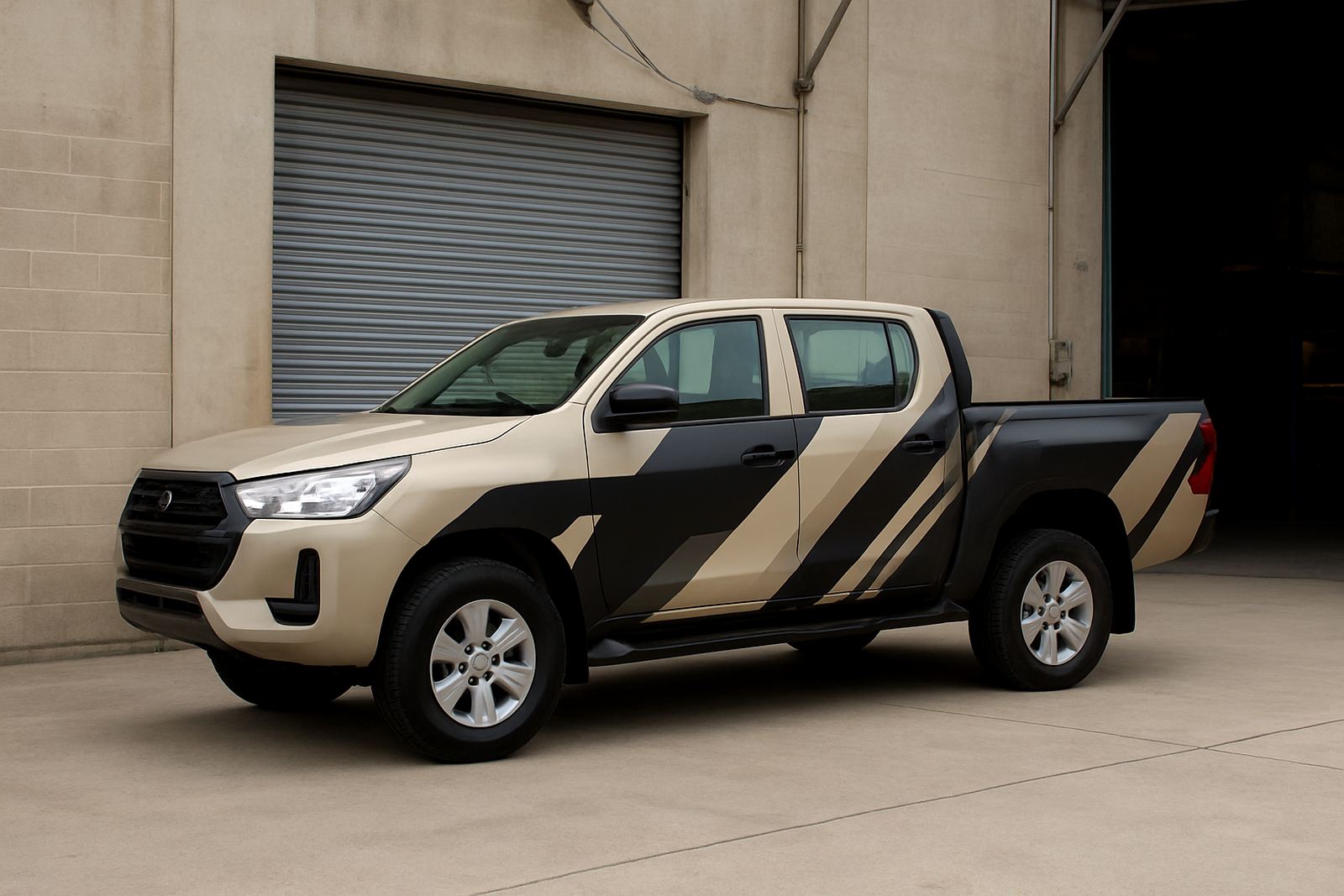
What a bakkie wrap does on the road
A bakkie wrap covers part or all of the vehicle with printed or solid vinyl, then finishes it to suit the way you use it. It can carry company branding, contact details, vehicle numbers or a plain colour change, while also helping protect the original paint from stone chips, light scratches and daily handling.
For many businesses, a bakkie is the first thing customers see at a site or at the roadside. A clear wrap turns that vehicle into working signage that moves through suburbs, industrial areas and rural routes without needing constant repainting. It is also useful for private owners who want a neater finish or a fresh colour without a full respray.
We work on single cab, extended cab and double cab bakkies, including fleet vehicles that need the same look across several units. The finish can be full coverage, partial side branding, bonnet and tailgate graphics, or a more subtle change with mirrors, roof sections and handle details left standard where needed.
Sizes, coverage options and common fitments
Every bakkie is a bit different, so we match the wrap to the body shape, canopy, nudge bar, roof rack and load bin accessories already fitted. A standard single cab uses less material than a double cab, while a canopy or canopy window treatment adds more surface area and more time on the job.
Typical coverage options include:
- Full colour change on body panels, doors and tailgate
- Partial wrap for doors, rear quarter panels and load bin sides
- Tailgate branding with phone number, web address and service list
- Canopy wrap for fleet and service vehicles
- Matt, satin or gloss finish options depending on the look required
Most bakkie wraps are planned around panel lengths rather than a fixed one-size package. That allows for cleaner joins, fewer seams and a neater finish around handles, flares and body lines. If you are running a mixed fleet, we can keep the layout standard from one bakkie to the next so the branding reads the same on the road.
Where a bakkie wrap suits best
Bakkie wraps suit businesses that spend time on the move and need their vehicles to work harder than a simple logo on a door. They are commonly used by builders, plumbers, solar teams, electricians, security companies, agriculture suppliers, plant hire operators and delivery crews.
They also make sense for owners who drive in coastal humidity, dusty industrial areas or on tar that takes a beating from heat and traffic. In Gauteng, wraps handle heavy sun and stop-start driving well when fitted properly. On the coast, the vinyl needs careful prep and post-install checks so moisture and salt air do not lift edges later on.
Typical uses include:
- Fleet identification for company vehicles
- Branding for mobile service teams
- Colour changes for private bakkies
- Protection on work vehicles that load tools and materials daily
- Refreshes for used vehicles bought into a business fleet
If your bakkie carries ladders, toolboxes, a canopy or a trailer hitch, we plan the wrap around those fittings so access remains practical. The wrap must look good, but it still has to work on a job site and under pressure.
Installation, curing time and power needs
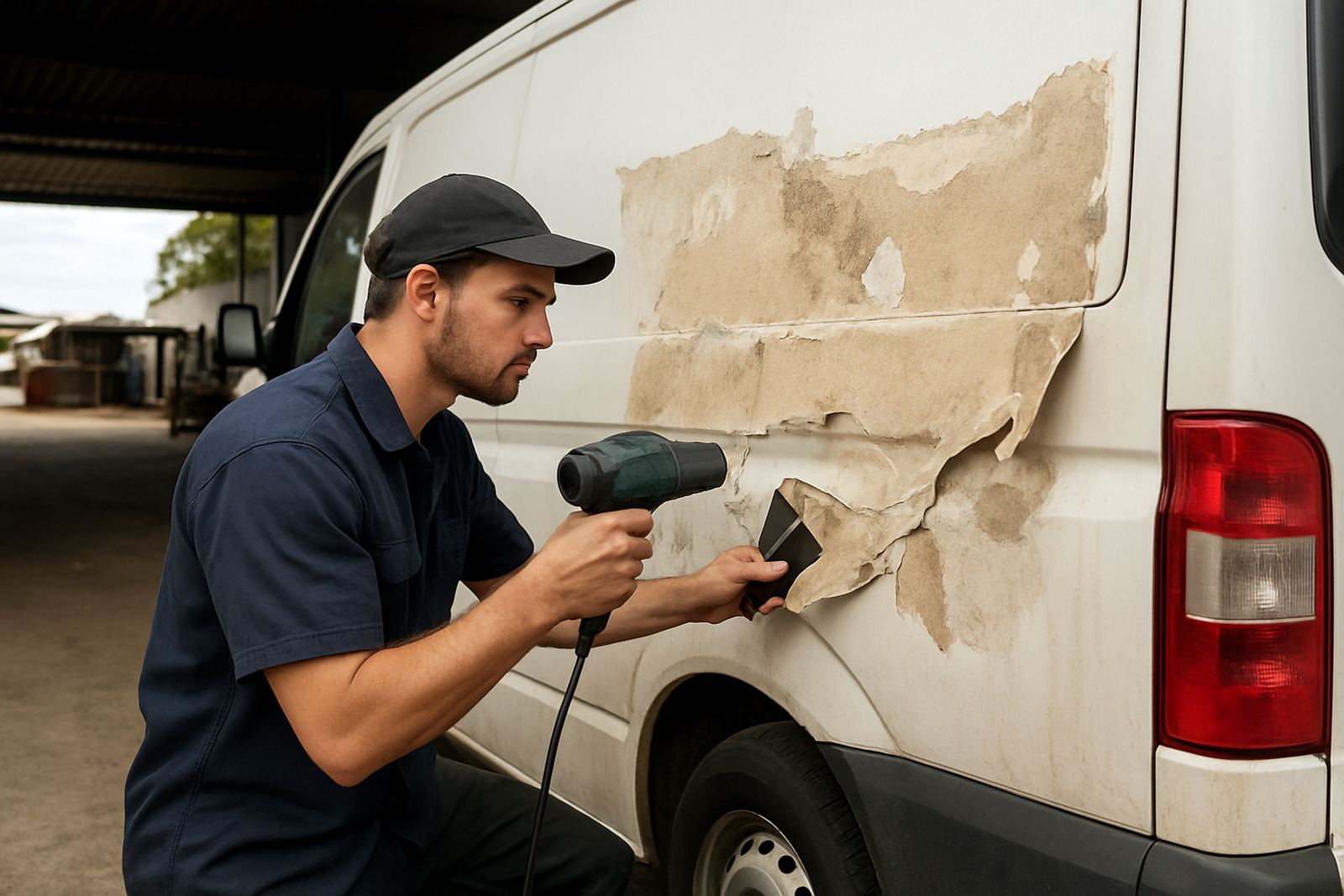
Installation starts with cleaning, degreasing and surface preparation. We remove loose dirt, tar marks, light wax residue and any contamination around handles, fuel caps and seams. If the vehicle has existing graphics, those are removed first and the panels inspected for damage before new film is applied.
A typical bakkie wrap is installed in a controlled bay with clean lighting and stable conditions. No gas is needed for the wrap itself. Power is required for lighting, heating where needed, and for the cutting and preparation equipment used during the process. Most fitments do not need a generator, though site conditions may call for backup power if load-shedding affects the booking. We will tell you what is needed before the vehicle arrives.
Curing time depends on the weather, film type and amount of coverage. In most cases, the vehicle can be collected the same day or after an agreed fitment period, but we recommend allowing a short settling time before harsh washing or long highway trips. Keep pressure washers away from edges in the first few days, and do not leave the vehicle standing under extreme heat straight after installation if it can be avoided.
Care, washing and long term servicing
A bakkie wrap lasts longer with simple care. Wash it by hand or with a gentle foam wash, using clean water and a soft mitt. Avoid aggressive solvents, hard brushes and automatic car washes with stiff spinning rollers, as they can lift edges and mark printed film. It is a small thing, but it saves money over time.
If the vehicle works on construction sites or in dusty yards, rinse the lower panels often so grit does not grind into the vinyl. For coastal vehicles, wash more regularly to remove salt build-up. If you carry chemicals, fertiliser or wet equipment, wipe spills quickly because some residues can stain or attack the film.
Servicing should include a quick visual check at intervals for:
- Lifting edges around handles and wheel arches
- Stone chip damage on the front panels and bonnet
- Scratches from loading or unloading equipment
- Heat stress near exhaust areas or dark roof sections
- Fading on panels with constant direct sun
When a wrap starts showing wear, sections can often be repaired or replaced without redoing the whole vehicle. That is useful for fleets and hard-working bakkies that cannot stay off the road for long.
What to check before you order
Before you confirm a bakkie wrap, check the vehicle model, cab size, year, colour, and any extras such as canopies, roof racks, toolboxes, tonneau covers or rear spoilers. These details affect both the amount of material needed and where the graphics can sit without being cut off by fittings.
You should also decide what the wrap must do. If the aim is brand visibility, you may need large side panels, high contrast lettering and a clear contact number. If the goal is protection, a more discreet colour change or partial coverage may suit better. For fleet work, ask for a standard layout so every unit looks the same and numbering stays consistent.
Useful items to confirm when ordering:
- Single cab, extended cab or double cab
- Full wrap, partial wrap or branding only
- Gloss, satin or matt finish
- Any accessories fitted to the body or load bin
- Preferred turnaround time and collection point
It also helps to send current photos of the vehicle in daylight, not only showroom images. That shows us the trim, badges and existing marks, so we can plan properly and avoid surprises on install day.
Specs, turnaround and fleet support
Auto Wrap SA handles bakkie wraps from our Kya Sand base in Johannesburg, with wrap bays available nationwide for project work and fleet rollouts. We support single vehicles and larger runs, and can keep branding consistent across branches in Sandton, Midrand, the East Rand, Pretoria and Durban.
Specs at a glance are below. These are practical guide points, not one fixed box for every vehicle, because bakkies and fitments vary by make and use. For a quote, we look at the body shape, the amount of coverage and the condition of the paint. A clean, well kept panel always gives the best result.
Our process covers design and artwork, fleet brand standard checks, surface preparation, vinyl installation, wrap removal and aftercare support. If your vehicle needs a bit more than a wrap, we also handle related work such as tinting, interior restyling, PPF and wheel refurbishment on request.
If you need a bakkie wrap that works on the road and still looks tidy after hard use, send the vehicle details and we will advise on the best route. We keep things practical, we measure carefully and we try not to leave you waiting around for answers.
Key facts
| Vehicle types | Single cab, extended cab and double cab bakkies |
|---|---|
| Coverage options | Full wrap, partial wrap, canopy wrap, tailgate branding |
| Finish options | Gloss, satin and matt vinyl |
| Typical use | Branding, colour change and paint protection |
| Installation setup | Controlled bay fitment with lighting and power supply |
| Care | Hand wash recommended, avoid harsh brushes and strong solvents |