What road safety markings do on a working vehicle
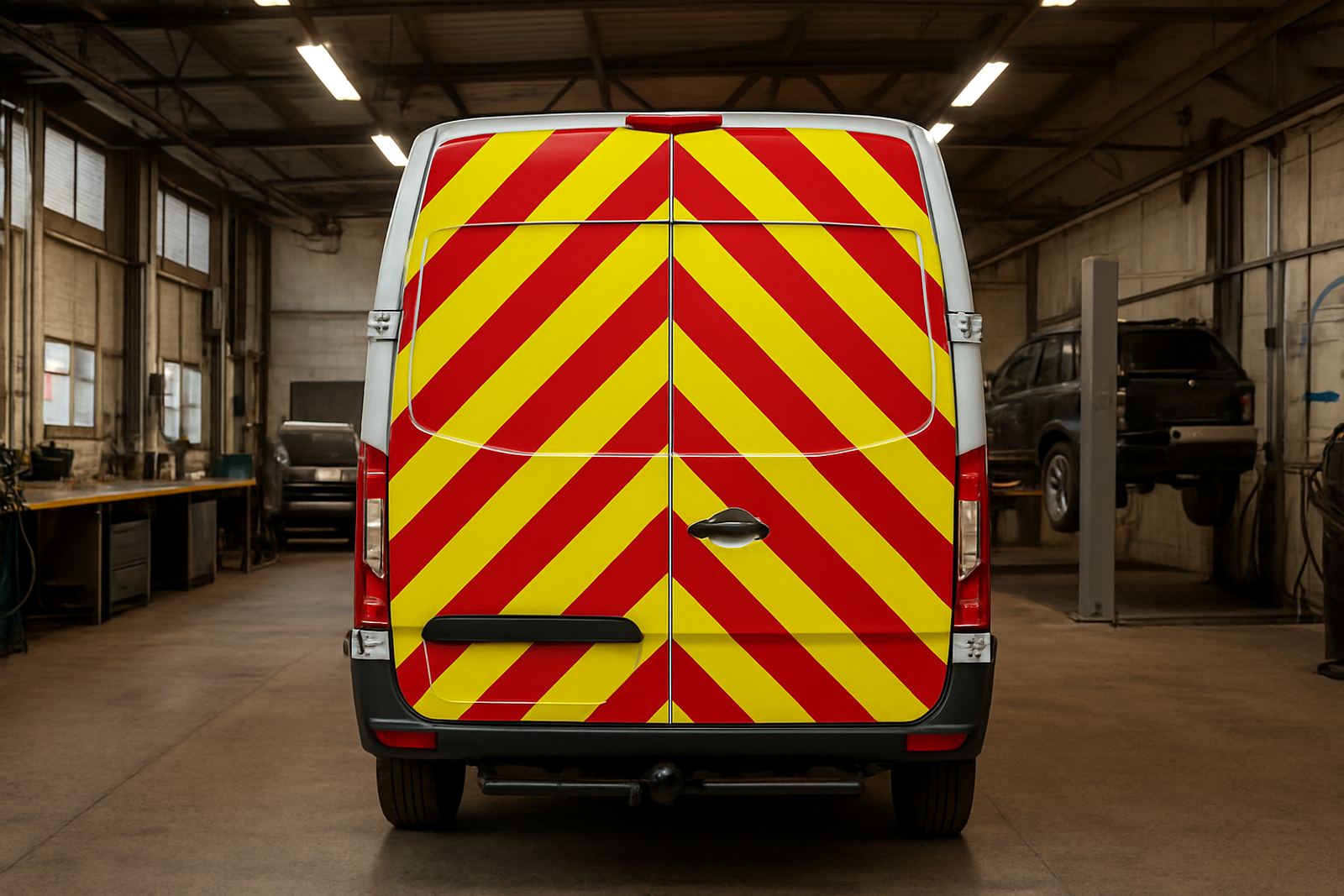
Road Safety Markings are the high visibility panels, chevrons and warning shapes fitted to the rear or sides of a vehicle so other road users can see it early. They are common on tow vehicles, service vans, utility trucks, maintenance fleets and escort units that stop in live traffic or pull off onto shoulders. The layout makes the vehicle easier to spot in rain, dust, early mornings and at night, which matters a lot on Gauteng roads and coastal routes where glare and spray can reduce sight lines.
These markings are usually built from reflective vinyl or printed warning film, cut and applied to follow the body lines of the vehicle. We can set out straight chevron blocks, side warning bands, rear door panels, cones and hazard text where needed. It is a practical option for firms that want visibility without changing the whole vehicle colour. A clean install also helps the fleet look orderly and job ready, not patched together.
Sizes and layout options for different fleets
There is no single size that suits every unit, so we size the layout to the make of vehicle and the job it does. A small support car may only need rear door chevrons and side strips, while a longer van or truck can carry full rear panels and wider side warning bands. For most vehicles, we work from measured body panels rather than guessing, which helps the finish sit square and stay visible.
- Rear chevron panels for vans, bakkies and service trucks
- Side warning bands for doors, canopies and box bodies
- High visibility corner marks for tailgates and load boxes
- Reflective text for fleet numbers, hazard wording or unit IDs
- Custom cut shapes for handles, hinges and access doors
Common widths range from 100 mm strip details up to full rear coverage across door sets or tailgates. On larger fleet units we often map the design around handles, sensors, seals and access points so the markings do not interfere with use. If you need a standard fleet look across several branches, we can repeat the same layout across different vehicle types and keep the placement consistent.
Where road safety markings suit best
These markings suit any vehicle that works near moving traffic, site entrances, depots or public roads. They are especially useful for breakdown crews, plumbers, electricians, telecom teams, municipal support units, courier support vehicles and roadside maintenance fleets. In mixed fleet groups, they also help supervisors and drivers identify the right vehicle quickly in a busy yard.
- Service vans and bakkies operating in urban traffic
- Municipal and utility fleets working after dark or before sunrise
- Tow trucks and roadside assist vehicles stopping in live lanes
- Construction support vehicles entering site gates and loading zones
- Depot vehicles used around forklifts, loading bays and yard traffic
For coastal areas, reflective markings also help in mist and sea spray, while inland fleets benefit from the extra contrast in dust and harsh sunlight. If the vehicle carries tools, gas bottles or service gear, a clear warning layout makes the unit easier to read from a distance. That small step can improve awareness in places where people are moving quickly and attention is split.
Installation, fitting time and power needs
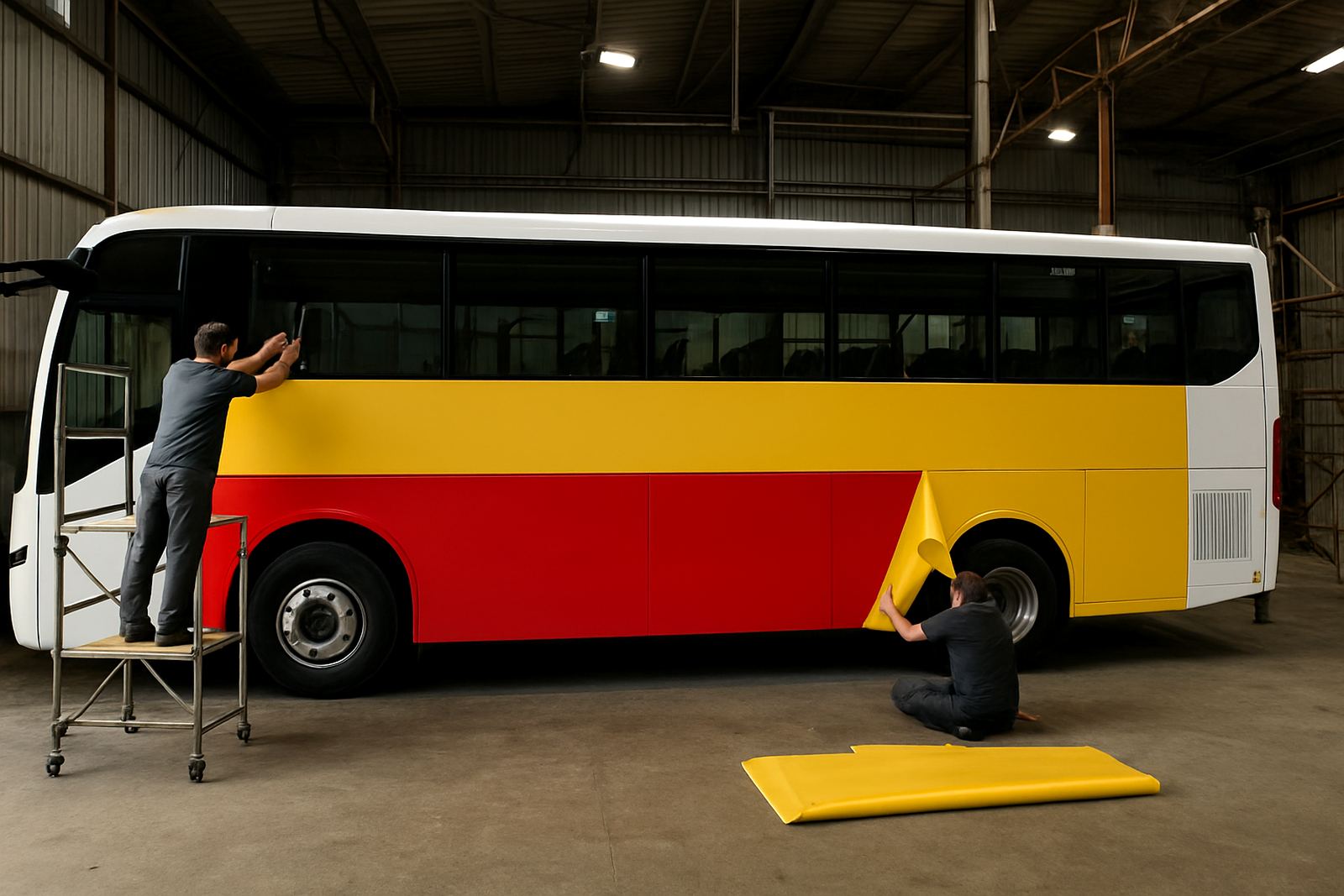
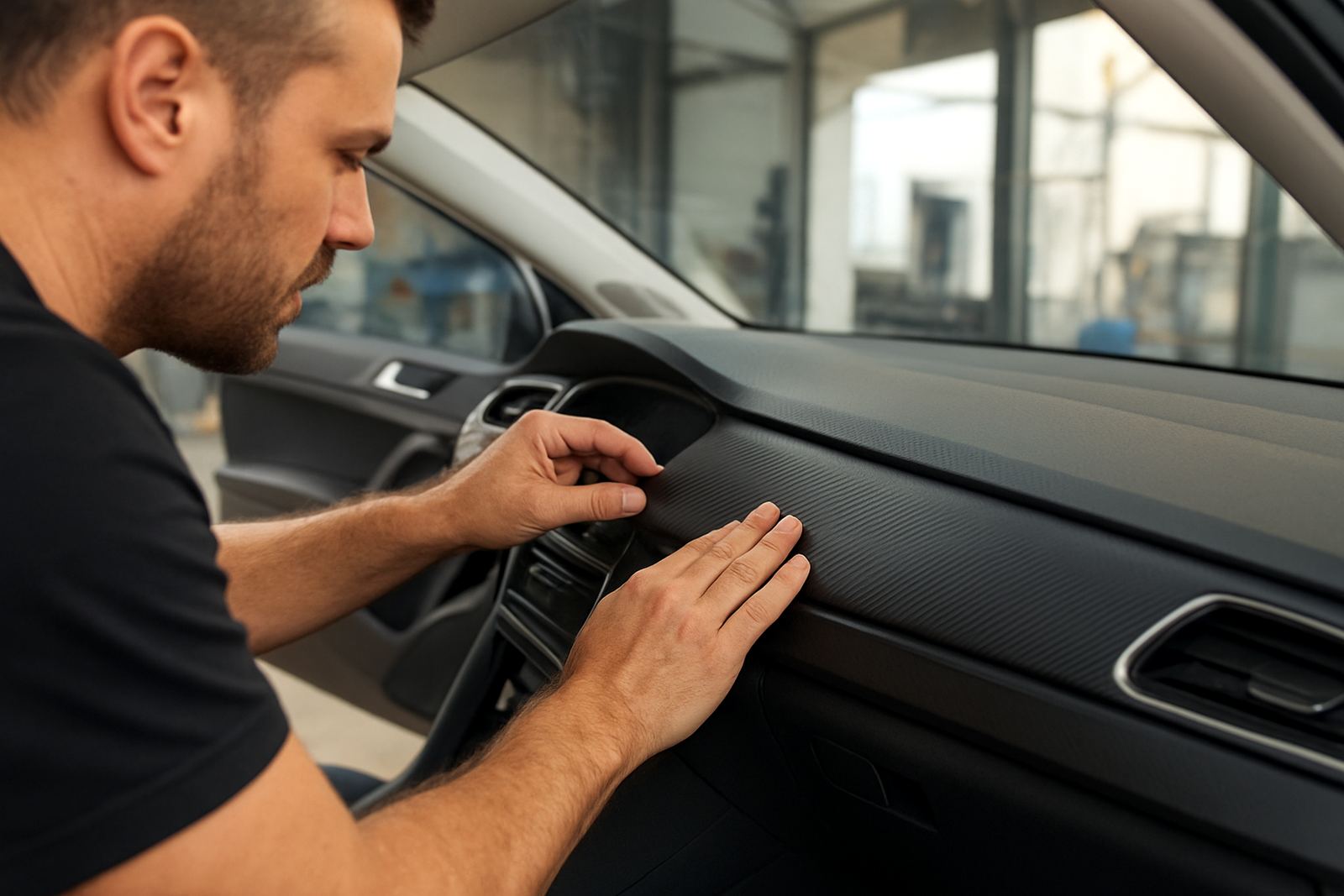
Road Safety Markings are fitted by preparing the panels first, then positioning each section so the pattern stays aligned and straight. We clean off road film, wax, oil and old adhesive, then apply the film under controlled pressure with proper edge sealing where needed. On most service vehicles the fitting can be done in a single booking, though larger fleet units may need more time if the body panels are heavily curved or if existing graphics must be removed first.
There is no electrical or gas requirement for the installed marking itself. The work does not need a power feed, inverter or vehicle gas supply once fitted. If the vehicle already has beacons, cameras, sensors or ladder racks, we plan the layout around them so access stays clear. In workshop conditions, load-shedding does not affect the finished marking, but we do schedule installation windows around lighting and drying conditions for best handling.
- No power connection is needed after installation
- No gas supply is required for the marking product
- Fitting space should allow doors, tailgates and roller shutters to open fully
- Vehicles should be clean and dry before handover
Care, washing and service life in South African conditions
With normal care, road safety markings can last well in daily fleet use. Gentle washing with mild soap and low pressure water is best. Avoid hard brushes on the reflective areas and do not hold a pressure washer too close to the edges. On vehicles that work in construction dust or coastal humidity, regular washing helps prevent grime from dulling the finish. A quick check after long trips also helps spot lifting at corners before it spreads.
If a panel gets scuffed, stained or lifted, we can replace that section without redoing the whole vehicle in many cases. That saves time and keeps the fleet on the road. Some units will need a recheck after about 12 to 24 months depending on mileage, wash frequency and where they park. Sun, salt air and repeated fuel station washes can shorten life, so it is worth building a simple inspection into your service routine.
What to check when ordering your markings
Before you place an order, it helps to have the vehicle type, year, panel photos and the exact use of the unit. A courier support van has different needs from a municipal response truck, and a single bakkie may not take the same warning coverage as a long wheelbase van. If your fleet already has a colour standard, we match the warning layout to that system so all vehicles stay easy to recognise.
- Vehicle make, model and body type
- Rear door, side panel and tailgate measurements
- Any sensors, cameras, handles or decals already fitted
- Whether the unit works at night, roadside or in yard areas
- Any company rules on colours, reflectivity or wording
It also helps to confirm if the vehicle is leased, because some agreements limit full coverage or permanent changes. We can advise on removable or partial layouts where needed. If the markings are for a larger fleet, send a list of the units in one go so we can keep the artwork and placement consistent across all vehicles. That makes future replacements simpler too.
Fleet fitting for Johannesburg and nationwide support
Our base in Kya Sand, Johannesburg supports vehicle owners across Sandton, Midrand, the East Rand, Pretoria and Durban, with wrap bays available nationwide for fleet work. That helps when a business needs several units fitted in different towns but wants the same road safety layout on every vehicle. We also handle surface preparation, artwork setup and aftercare support so the markings are ready for real working conditions, not just showroom viewing.
For fleet managers, the main benefit is consistency. The same chevron angle, the same reflective bands and the same warning spacing can be repeated across service vehicles, support trucks and response units. It keeps the fleet tidy and makes the vehicles easier to recognise in traffic. If a unit is being retired later, we can remove the marking cleanly and prepare the panels for its next use.
Key facts
| Product type | Reflective road safety markings for service and support vehicles |
|---|---|
| Common layouts | Rear chevrons, side warning bands, hazard text, unit IDs |
| Typical material | Reflective vinyl and printed warning film |
| Fitment range | Bakkies, vans, trucks, trailers and fleet units |
| Installation time | Single vehicle bookings or multi-unit fleet scheduling |
| Power and gas needs | No power or gas supply required after installation |