
What Smash Guard Film Does on the Glass
Smash Guard Film is a safety oriented window film fitted to the inside face of vehicle glass. Its main purpose is to help keep broken glass together after impact, so the shards are less likely to scatter into the cabin. It also adds a darker, cleaner look if you choose a tinted version, while still working as a practical layer for daily driving, parking, and roadside security concerns.
This type of film is often chosen by owners who need a bit more than standard tint. That can include company vehicles parked at depots, family SUVs used in busy school runs, and bakkies carrying tools or stock. It is not a substitute for proper vehicle security, but it can make breakage more difficult to exploit and gives occupants extra protection against loose glass. The film must be cut and fitted properly, with attention to glass curves, rubber trims and heated rear screens.
- Installed on the inside of side windows and rear glass
- Helps hold fractured glass together after impact
- Available in clear or tinted finishes depending on the application
- Suitable for private vehicles, fleets and work vehicles
Sizes, Thicknesses and Finish Options
Smash Guard Film is supplied in roll form and cut to the panel sizes needed for each vehicle. For most passenger vehicles, common widths and lengths are selected to cover side windows, quarter glass and rear screens with limited joins. Heavier duty film is usually chosen where more holding strength is required, while lighter grades can be used where a less noticeable finish is preferred. The right choice depends on the vehicle type, the level of tint already on the vehicle and what the owner expects from the film.
Typical options are selected by thickness, clarity and shade. Clear film is preferred by some commercial users where the goal is protection without changing the outside appearance too much. Darker tints are often requested for privacy, sun control and a neater appearance on SUVs and panel vans. On some models, rear glass with defroster lines needs careful trimming so the heating elements remain usable. Sizes are checked against each vehicle before fitting, because not every window takes the same pattern or stretch. A clean fit matters more than forcing a bigger sheet into place.
- Clear or tinted finish available
- Selected by thickness for light or heavier duty use
- Cut to match each vehicle’s side and rear glass
- Best results come from precise patterning and edge trimming
Best Uses for Johannesburg, Coastal and Fleet Driving
In Johannesburg, Smash Guard Film suits vehicles that spend time in office parks, shopping centres, industrial areas and busy residential streets. It is also a useful addition for delivery vehicles, shuttle fleets and service units that stop often and carry visible stock or tools. In coastal conditions, where humidity can affect adhesives and trim care, the film still performs well if the glass is prepared properly and the windows are kept dry during the curing period.
It is a practical option where a business wants a cleaner fleet appearance and fewer worries about broken glass turning into a second problem after a knock or attempted break in. It also helps with everyday wear, because the film adds a layer that can reduce minor scuffs during normal use. For vehicles with frequent passenger loading, such as crew transport or ride work, the extra holding performance is useful without making the vehicle difficult to manage. On some fleet units, a uniform film finish helps the whole group of vehicles look consistent across branches.
- Suitable for urban parking, depot use and delivery routes
- Useful on SUVs, bakkies, minibuses and light commercial vehicles
- Works well for businesses wanting a neat, matching fleet finish
- Can be paired with standard tint on windows that need shade and privacy
How Installation Is Done at Our Kya Sand Studio and On Site
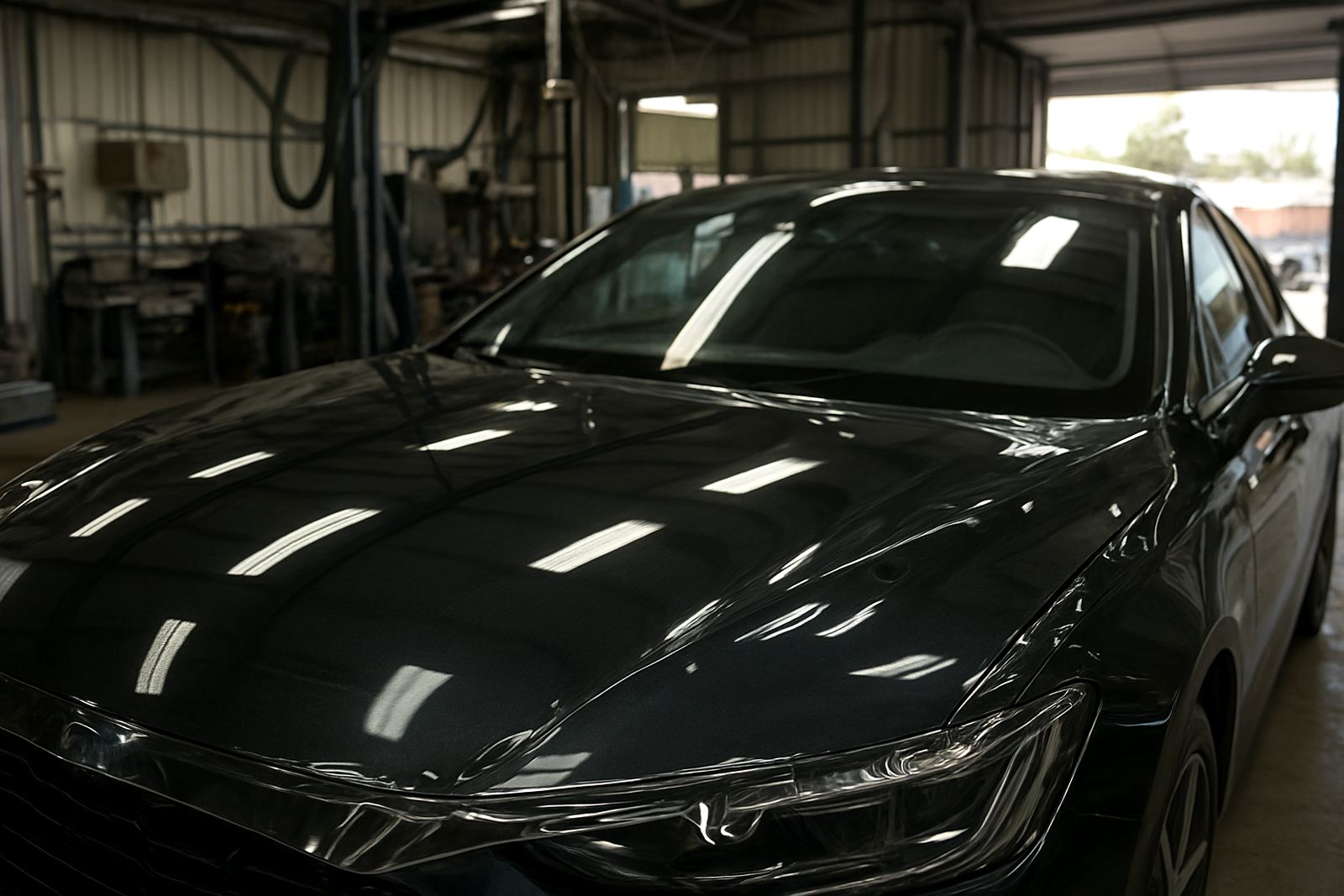
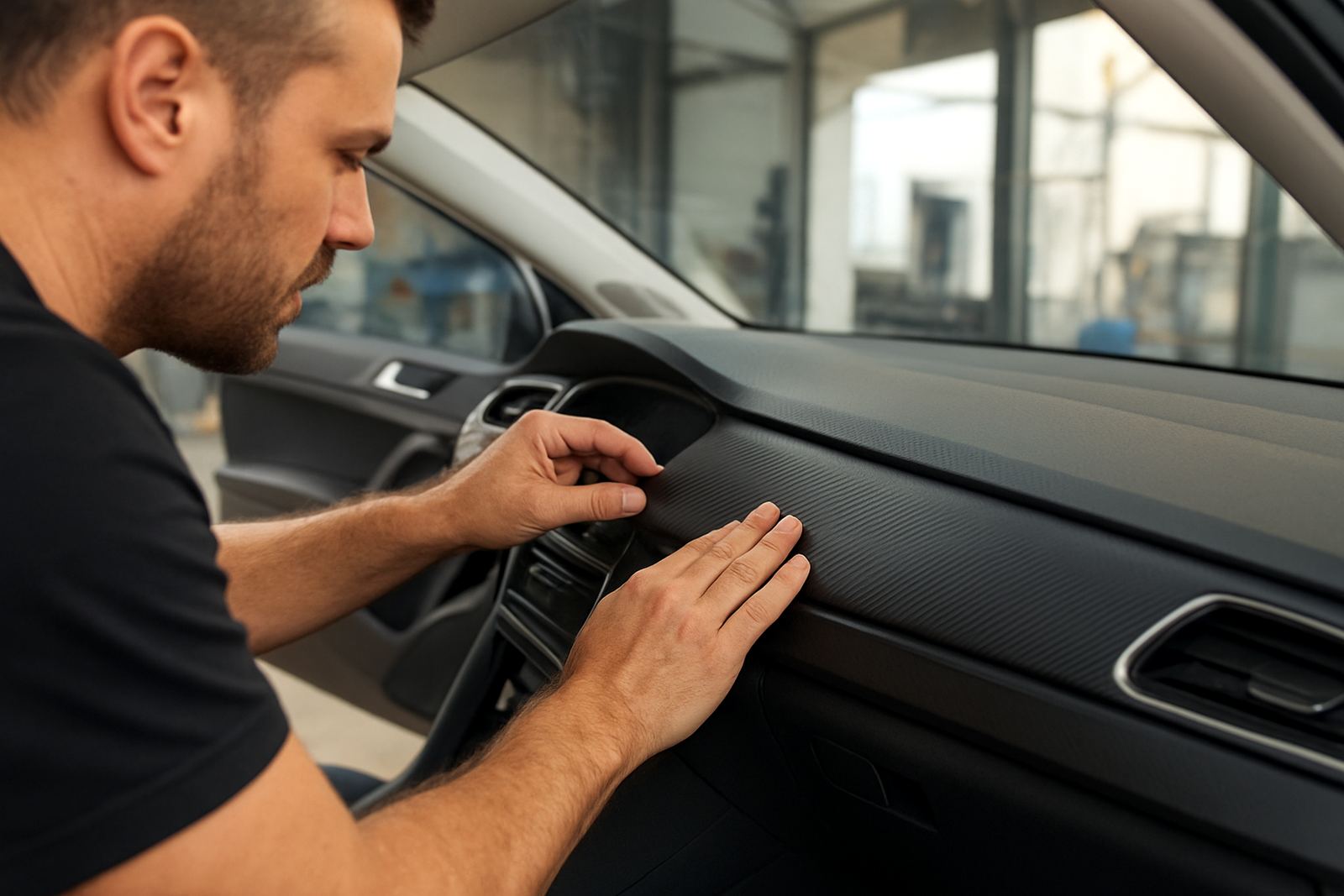
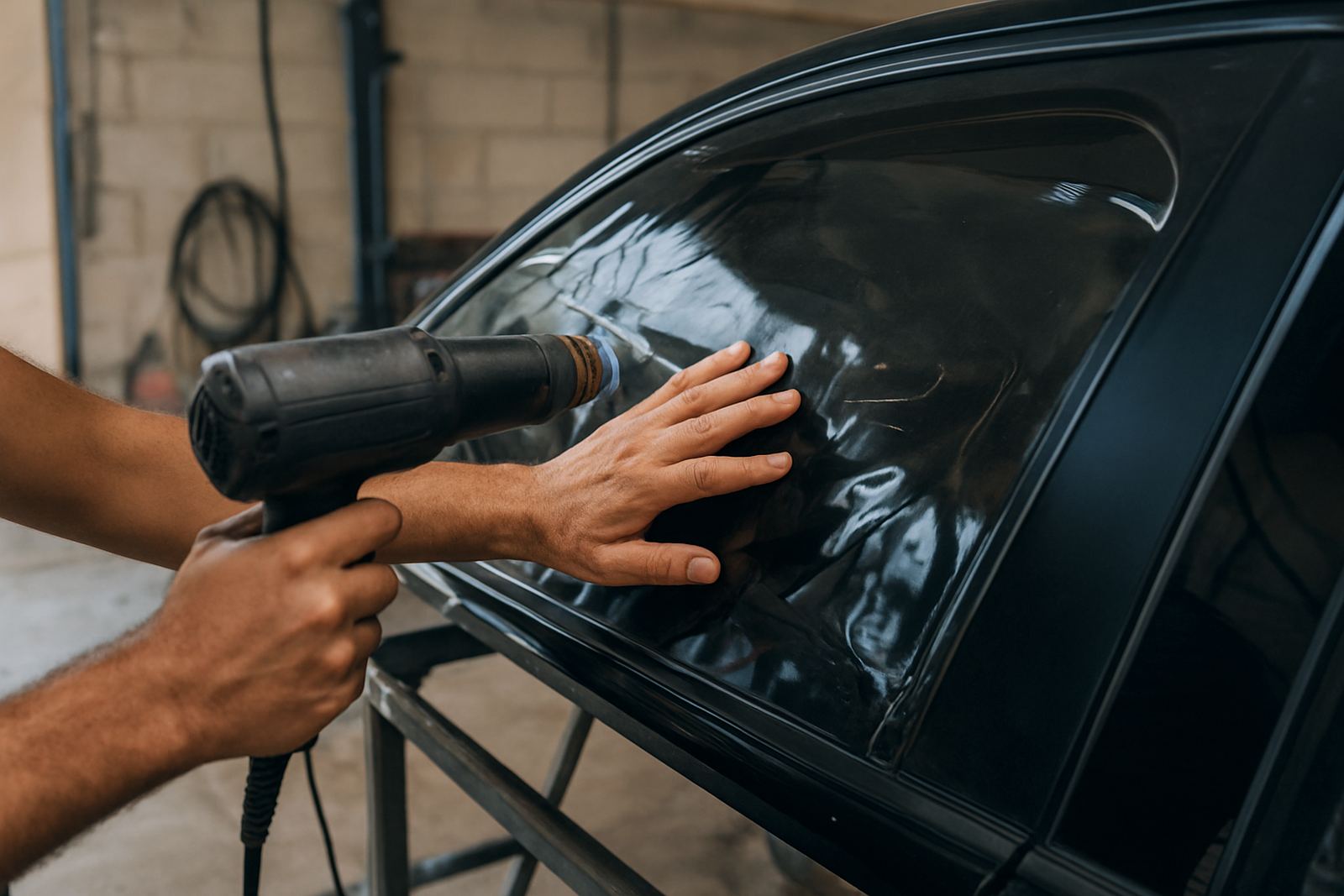
Smash Guard Film is installed after the glass is cleaned, decontaminated and measured. Surface preparation matters, because dust, silicone residue and old adhesive can all affect adhesion. The film is then cut, positioned and squeegeed down so air and moisture are removed from beneath the surface. On curved windows, heat may be used to help shape the film so it settles properly. The work must be done in a clean bay, with enough space to move around the vehicle and protect the edges while the film sets.
At our Kya Sand studio, installation is supported by a steady power supply and proper workshop layout for controlled fitment. For selected fleet work and mobile jobs, power needs can be managed through site supply or generator support when allowed by the property. Gas is not required for the film itself, but heat tools and drying equipment may be used during fitment and curing. That means the installer still needs access to good lighting, clean water for preparation, and enough time for the film to settle before the vehicle is released. In some cases, the vehicle can be handed over same day, though larger fleet units may be booked in for staged work.
- Glass cleaned and prepped before application
- Heat shaping used where curves or edges need assistance
- Needs a dust free bay, lighting and time for curing
- Fleet fitment can be planned around depot or workshop access
Care, Curing and Service Checks After Fitment
After fitment, Smash Guard Film should be left to cure before the windows are wound down. The curing time depends on weather, glass type and vehicle storage conditions, but it is best to avoid opening treated windows too early. In hot weather the film can settle faster, while colder nights or high humidity may slow the process a bit. Small haze spots or moisture lines can appear at first and usually clear as the film dries. If they do not clear, the film should be checked.
Cleaning must be gentle. Use a soft microfibre cloth and a mild, ammonia free cleaner. Do not scrape the surface with blades or hard pads. Fleet managers should also include the film in regular vehicle inspections, especially on work bakkies and service vehicles that see rough loading. Check the edges, any chipped glass, and signs of lifting near the corners. If a window has been repaired or replaced, the film on that panel may need to be replaced too. A little care goes a long way here, and it avoids early failure or costly rework.
- Do not wind windows down during the curing period
- Clean with soft cloths and suitable non abrasive products
- Check edges after wash days and long trips
- Replace film if the glass underneath has been damaged or changed
What to Confirm Before You Order
Before ordering Smash Guard Film, confirm the vehicle model, year and body type, because glass sizes can vary even between similar looking vehicles. Check whether the glass already has tint, factory shading or a heated screen. Ask which windows you want covered, since some owners prefer only side glass while others want the rear screen included as well. It also helps to know whether the vehicle is private, fleet or commercial, because that affects the finish and how much privacy is needed.
For fleet orders, it is worth confirming the number of units, branch locations and whether you need one standard across all vehicles. That keeps the look consistent and makes servicing easier later. If the vehicle works near the coast or carries valuable tools, say so at quoting stage so the right film grade can be recommended. And if you need the car back quickly, mention that too, because curing time and workshop scheduling must be planned properly. The best orders are the ones where the small details are sorted before the glass is touched.
- Vehicle model, year and glass layout
- Clear or tinted finish preference
- Windows to be covered and any heated rear glass
- Fleet quantity, branch spread and turnaround timing
Key facts
| Product type | Safety oriented window film for vehicle glass |
|---|---|
| Common finishes | Clear or tinted |
| Typical application | Inside face of side windows and rear glass |
| Use cases | Private cars, bakkies, SUVs, fleet vehicles and service units |
| Install environment | Clean fitment bay with controlled dust, lighting and curing time |
| Maintenance | Soft cloth cleaning, ammonia free products, no early window operation |