
What a Truck Cab Wrap Covers
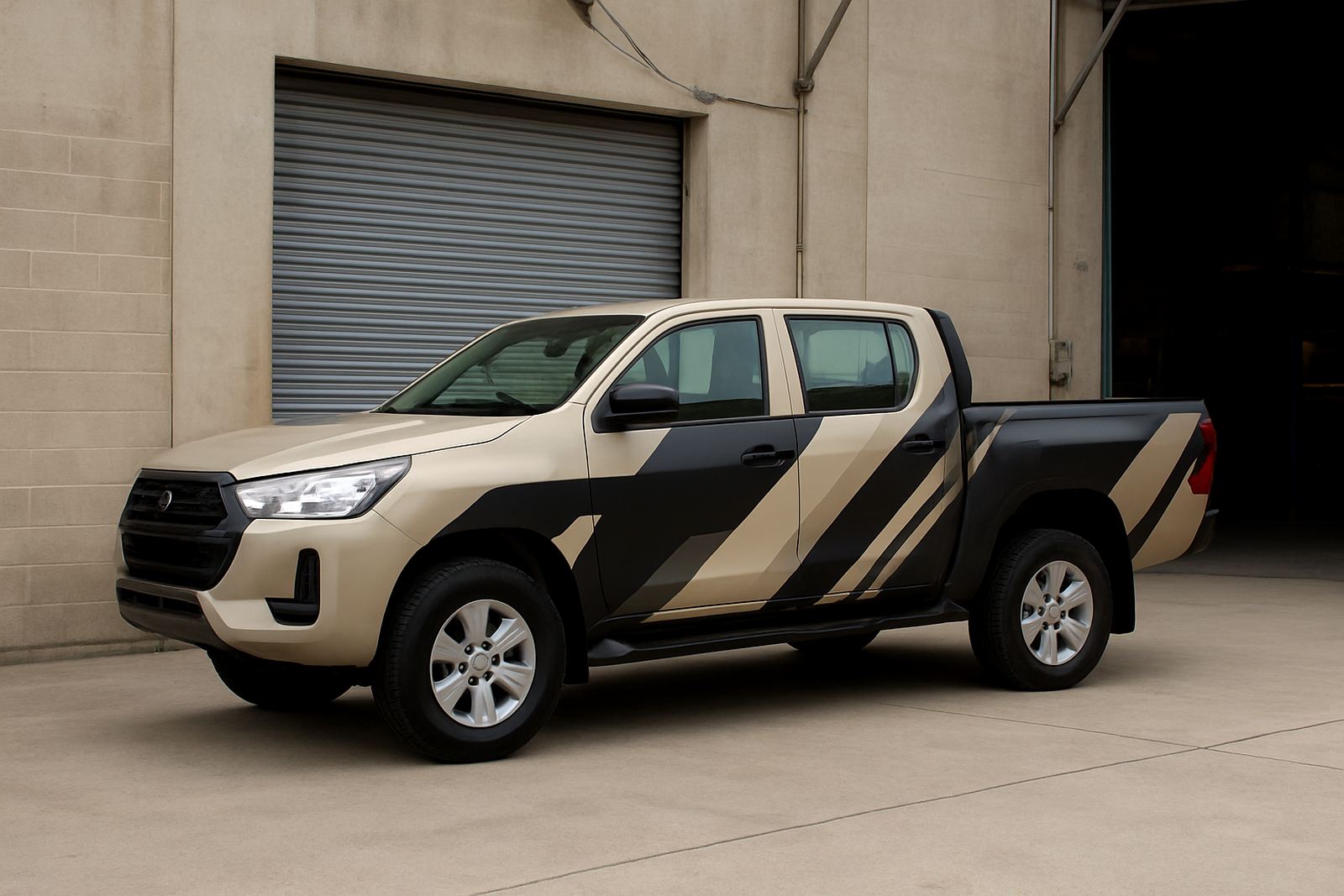
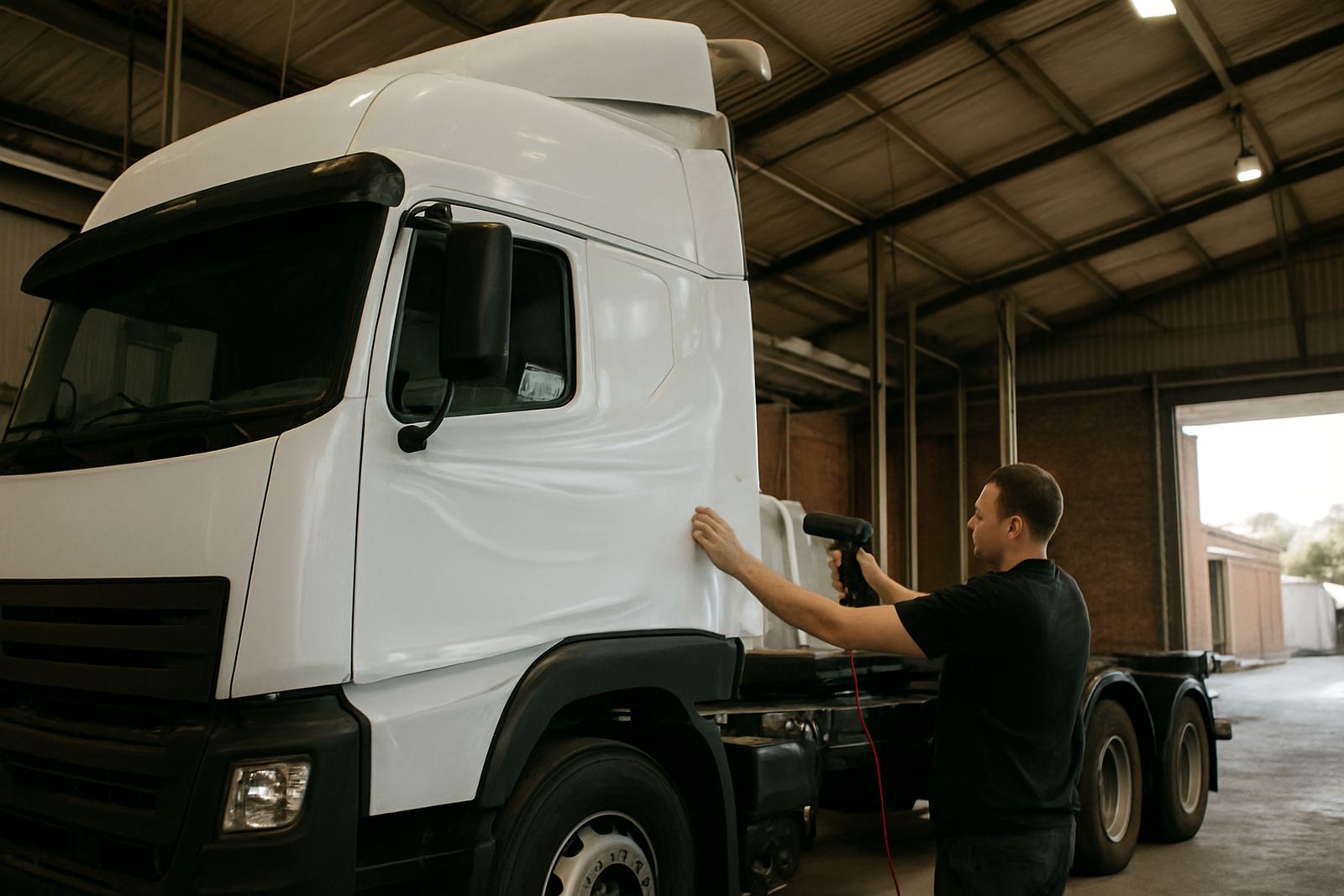
A truck cab wrap is a vinyl application fitted to the visible body panels of the cab, usually the doors, bonnet, roof section, sleeper sides and front fascia where the vehicle design allows it. It can be a full colour change, a branded graphic wrap or a partial wrap that works around mirrors, handles, badges and access panels. For transport operators, it is a practical way to turn a plain cab into a recognisable vehicle on the road without repainting the truck.
The most common reason customers ask for cab wraps is fleet identification. When a truck is one of several vehicles moving through depots, loading zones and customer sites, clear cab branding makes it easier for staff and clients to spot the right unit. It also gives a cleaner, more professional look than mixed paint finishes or faded decals, and it can be removed later if the vehicle is sold or reassigned.
Sizes, Coverage Options and Material Choices
Truck cabs vary a lot in shape and panel size, so the wrap is normally quoted per vehicle after measuring the cab and checking the condition of the paint. We work on light commercial cabs, rigid truck cabs and larger fleet units, with coverage chosen according to budget, branding needs and how much of the original paint should remain visible. The right option also depends on panel access, trim detail and whether the cab has existing fleet markings that must stay in place.
Common coverage options include full cab wraps, partial side branding, bonnet and bumper accents, roof colour changes and single-panel replacement work after damage or respray. Material choice depends on use and exposure. For coastal routes and high sun exposure, we often recommend cast vinyl for better conformability and durability. For temporary campaign branding, a shorter-term film may be used instead. If the cab needs extra surface protection, paint-protection film can be added on leading edges, door cups or high-wear zones.
- Full cab wrap for maximum brand visibility
- Partial wrap for cost control and fast turnaround
- Colour change wrap for a cleaner uniform fleet look
- Protective film for high-impact areas and road debris
Where Truck Cab Wraps Work Best
Truck cab wraps suit transport and logistics operators, delivery fleets, construction vehicles, service contractors and owner-drivers who want a stronger presence at depots, sites and customer gates. They also work well for businesses that run through Johannesburg, Pretoria, the East Rand, Midrand and Durban where vehicles spend long hours in traffic and branding gets seen repeatedly. For companies with mixed body types, a standard cab wrap helps keep the fleet looking aligned even when the trailers or load bodies differ.
They are also useful for vehicles that must be easy to identify from a distance. This matters for site control, customer collections and municipal or contract work where the right vehicle needs to be checked in quickly. In busy industrial areas like Kya Sand, those seconds matter and a clear cab finish can make a fleet look neater without overdoing the graphics.
- Long-distance transport and line-haul trucks
- Courier and distribution fleets
- Site service and contractor vehicles
- Owner-drivers wanting better road presence
Installation, Downtime and Power Needs
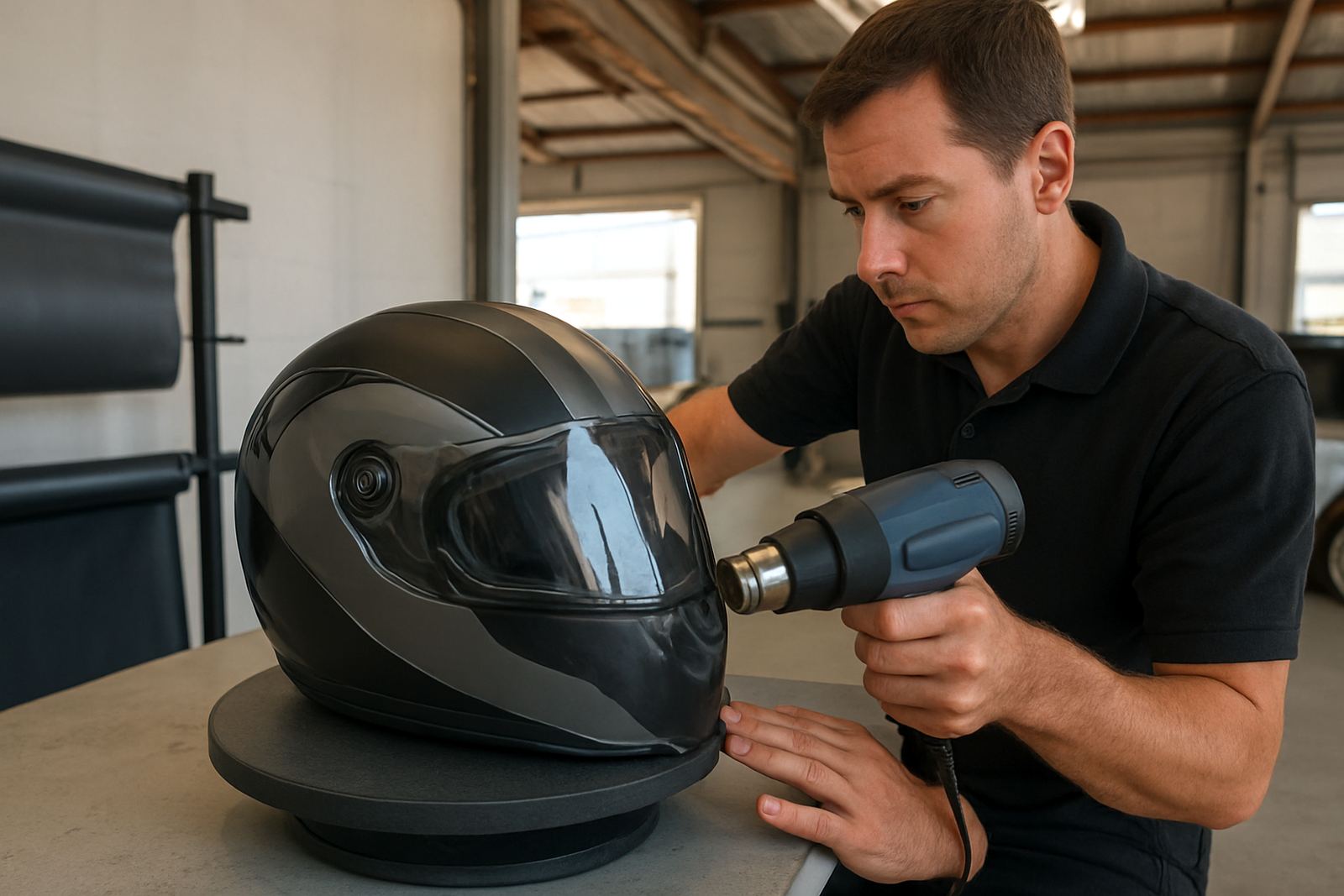
Wrap installation starts with a proper wash, degrease and surface inspection. We check for stone chips, rust, bad repaints, silicone contamination and loose trims before any film is cut. On cab work, panel edges and access points must be clean because dust or trapped moisture can lift a wrap early. Where the cab has existing decals or ageing adhesive, removal is done first so the new film bonds properly.
Most truck cab wraps are installed in a controlled bay with moderate temperatures and enough space for the cab doors to open fully. No gas is needed and power use is limited to lighting, heat tools and cutting equipment. If the vehicle has to be turned around quickly, the fitment plan is arranged around route schedules and loading times. Smaller partial jobs can often be completed in a day, while larger full cab wraps may need longer depending on prep and detailing.
For fleet operators with unit rotation, we can stage work by vehicle so that one truck stays active while another is off the road. That keeps disruption lower, especially when deliveries run on tight schedules or cross-provincial movements are planned.
Care, Cleaning and Aftercare Support
Wrapped cabs need regular cleaning to keep the film looking sharp and to stop dirt from sitting on seams and edges. Wash with clean water, a mild detergent and a soft cloth or sponge. Avoid harsh solvents, strong alkaline cleaners and rough brushes, especially on printed graphics and edge details. On trucks that run through coastal humidity or heavy dust, a more frequent rinse helps prevent contamination build-up.
After installation, it is best to leave the wrap to settle before heavy washing or high-pressure cleaning. Keep pressure washer nozzles at a safe distance from panel edges and avoid directing water under lifted seals. If a section is scuffed, lifted or damaged by a branch, washing bay edge or loading dock, it should be checked early. Small repairs are usually easier than waiting until the film starts to peel further. Auto Wrap SA also offers aftercare support and guidance for fleet managers who need a repeatable cleaning standard across several vehicles.
- Wash with mild soap and soft cloths
- Avoid harsh chemicals and abrasive pads
- Check edges after high-pressure washing
- Book repairs early if a corner lifts or tears
What to Check Before You Order
Before ordering a truck cab wrap, it helps to confirm the exact cab model, the number of units required and whether you want full coverage or partial branding. Send clear photos of both sides, the front and the roof if possible, because mirrors, sensors, steps and trim can change the final layout. If your fleet must follow a brand standard, bring the approved colours, logo files and any placement rules so the finish stays consistent across all units.
You should also check the condition of the paint. Fresh paint needs proper curing time before film is applied, and damaged surfaces may need prep work first. If the vehicle does long coastal trips or works in harsh sun, ask about material choice and expected service life. It also helps to confirm whether you need window tinting, interior touch-ups or wheel refurbishment at the same time so the truck can be completed in one plan instead of multiple visits.
Typical Cab Wrap Specs for Fleet Planning
Truck cab wraps are normally specified by cab size, coverage area and finish. For transport operators, this makes it easier to plan budgets, downtime and repeat orders across a fleet. A clear spec sheet also helps when several branches or depots need the same vehicle style rolled out at different times.
Our base in Kya Sand, Johannesburg supports local work and nationwide wrap bays for multi-site rollout. That means one transport manager can standardise the cab finish across different regions without changing the look from truck to truck. Whether the job is for a single unit or a full fleet, we measure first, confirm the artwork and then schedule fitment around your operating hours.
Key facts
| Coverage options | Full cab, partial sides, bonnet, roof, bumper accents |
|---|---|
| Material types | Cast vinyl, calendared vinyl, printed wrap film, paint-protection film |
| Typical fitment time | 1 to 3 working days per cab depending on prep and coverage |
| Power needs | Single-phase electrical supply for lights, heat tools and cutters |
| Gas needs | No gas required |
| Care interval | Hand wash weekly or as needed, inspect edges after heavy use |