
Why medical transport fleets need a cleaner image
Medical transport work is judged quickly. A patient transport van, specimen runner or support vehicle may spend most of the day outside hospitals, labs, clinics and homes, so the wrap needs to look organised, hygienic and easy to read from a distance. In Johannesburg traffic or on the N3 to Durban, the vehicle is often the first contact point with a patient, family member or medical receptionist.
For this use case, the goal is not loud graphics. It is clear identification, tidy panel lines and a finish that holds up to daily washing, coastal humidity and tight parking spaces. We regularly plan wraps for single vehicles and multi-unit fleets where consistency matters across sedans, SUVs, people carriers and light commercial vans.
- Patient transport vehicles need calm, clean branding
- Sample couriers need quick identification at labs and facilities
- Support vehicles need a professional look for supplier visits and field work
- Fleet units must still look neat after frequent washes and long shifts
Common vehicle types and equipment layouts
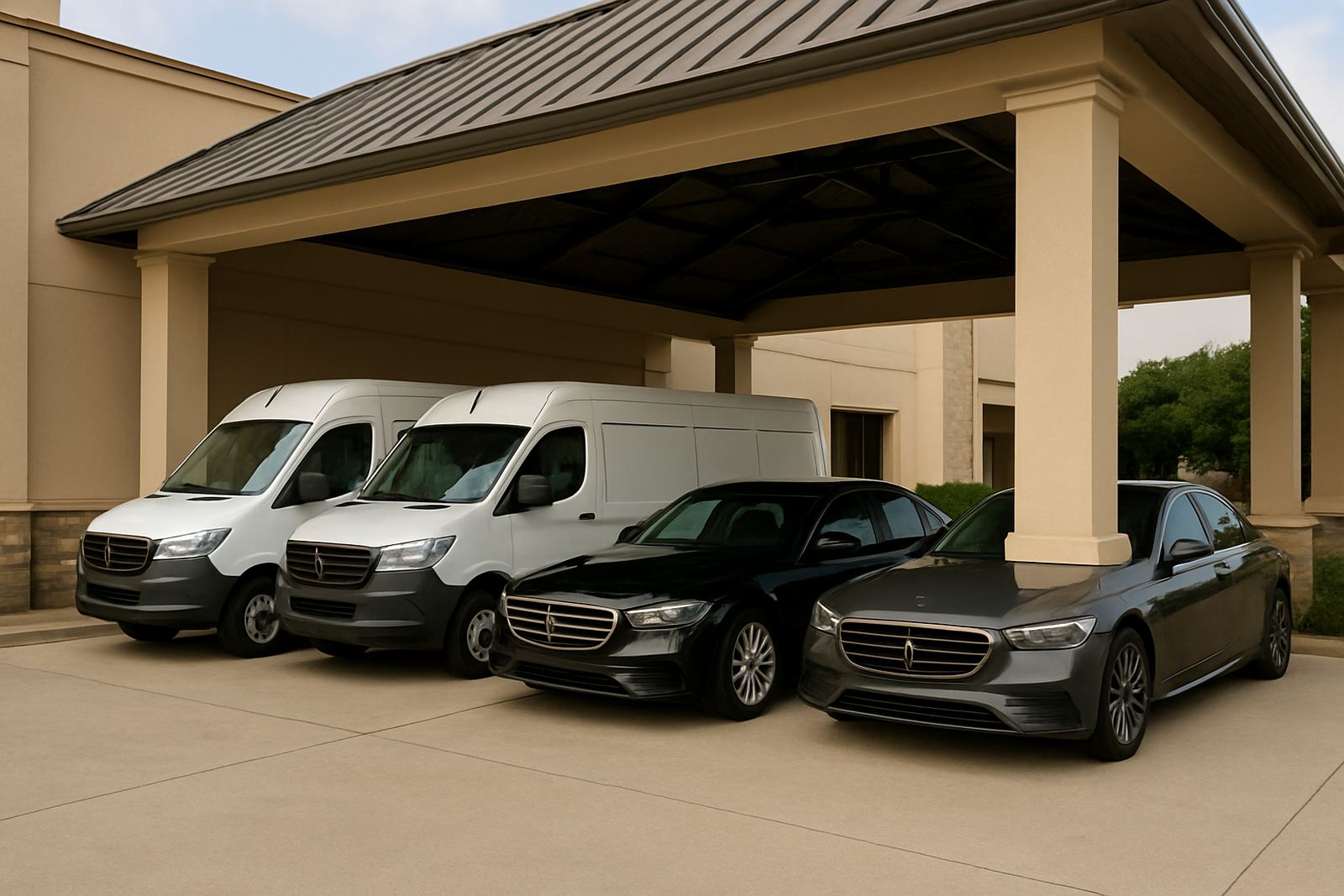
Medical transport fleets come in many forms. Some operators use panel vans with rear loading space, others use compact SUVs for phlebotomy runs, and some use minibuses with seating converted for patient transport. The wrap approach changes with the body shape, door gaps, roof height and how much of the vehicle is visible when parked at a kerb or loading bay.
Typical equipment and operating details we work around include sliding doors, rear windows, roof beacons, internal cages, spare-wheel carriers, side steps and loading handles. On sample transport vehicles there may also be cool boxes, fitted shelving or tracking units that affect film placement. Before production, we plan around those fittings so the graphics do not lift at edges or get cut off when a door opens.
- Vehicle size and panel count
- Visible equipment such as beacons, ladders or roof racks
- Whether the unit carries patients, samples or both
- Number of doors and sliding sections
- Window coverage and privacy requirements
Planning the layout for clear identification
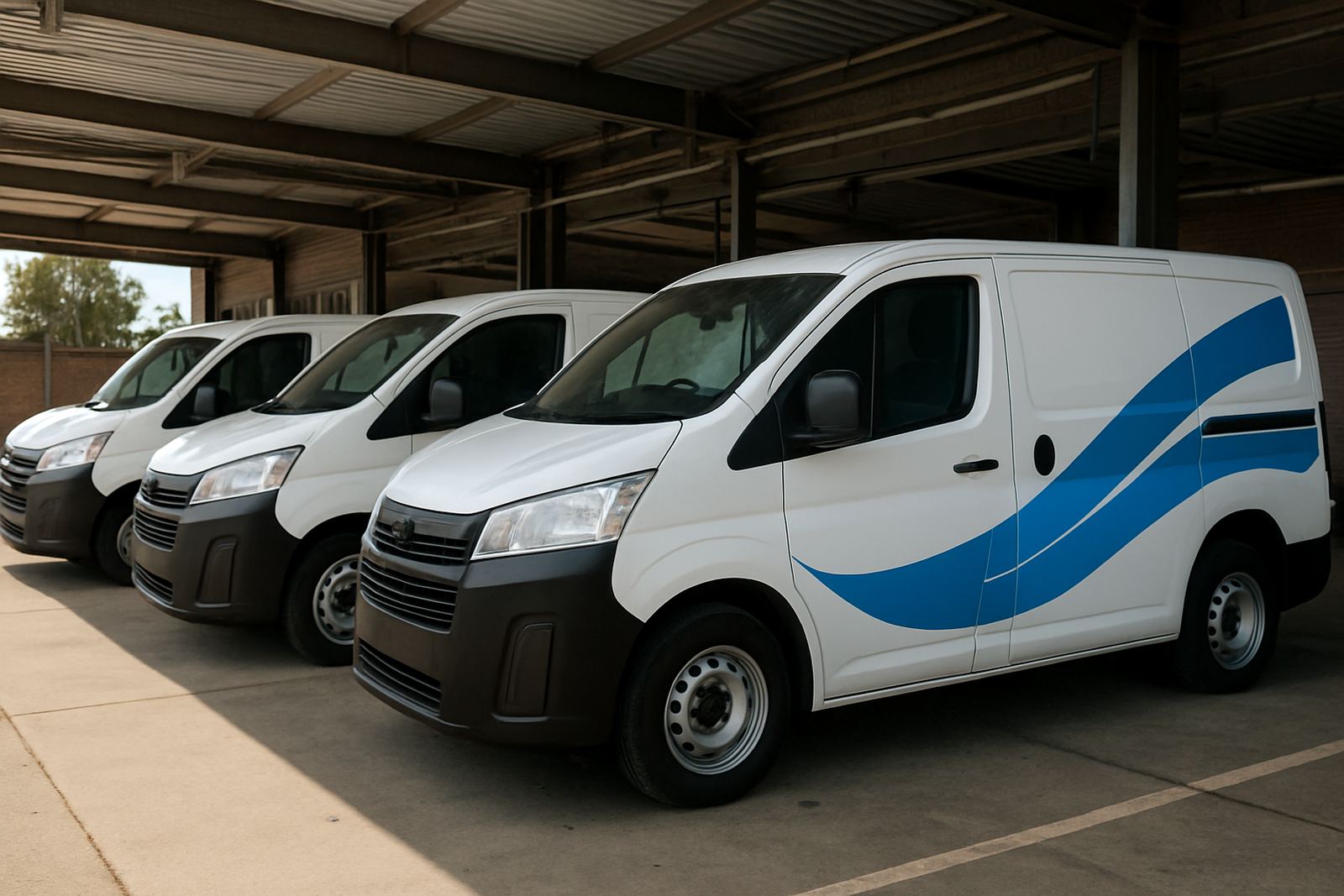
Medical transport branding should be readable at a glance. We normally place the strongest branding on both sides, the rear and the bonnet or upper front section, depending on the vehicle shape. On long-wheelbase vans, the rear doors are important because that is what people see in traffic queues, at hospital ramps and when a driver is reversing into a loading area.
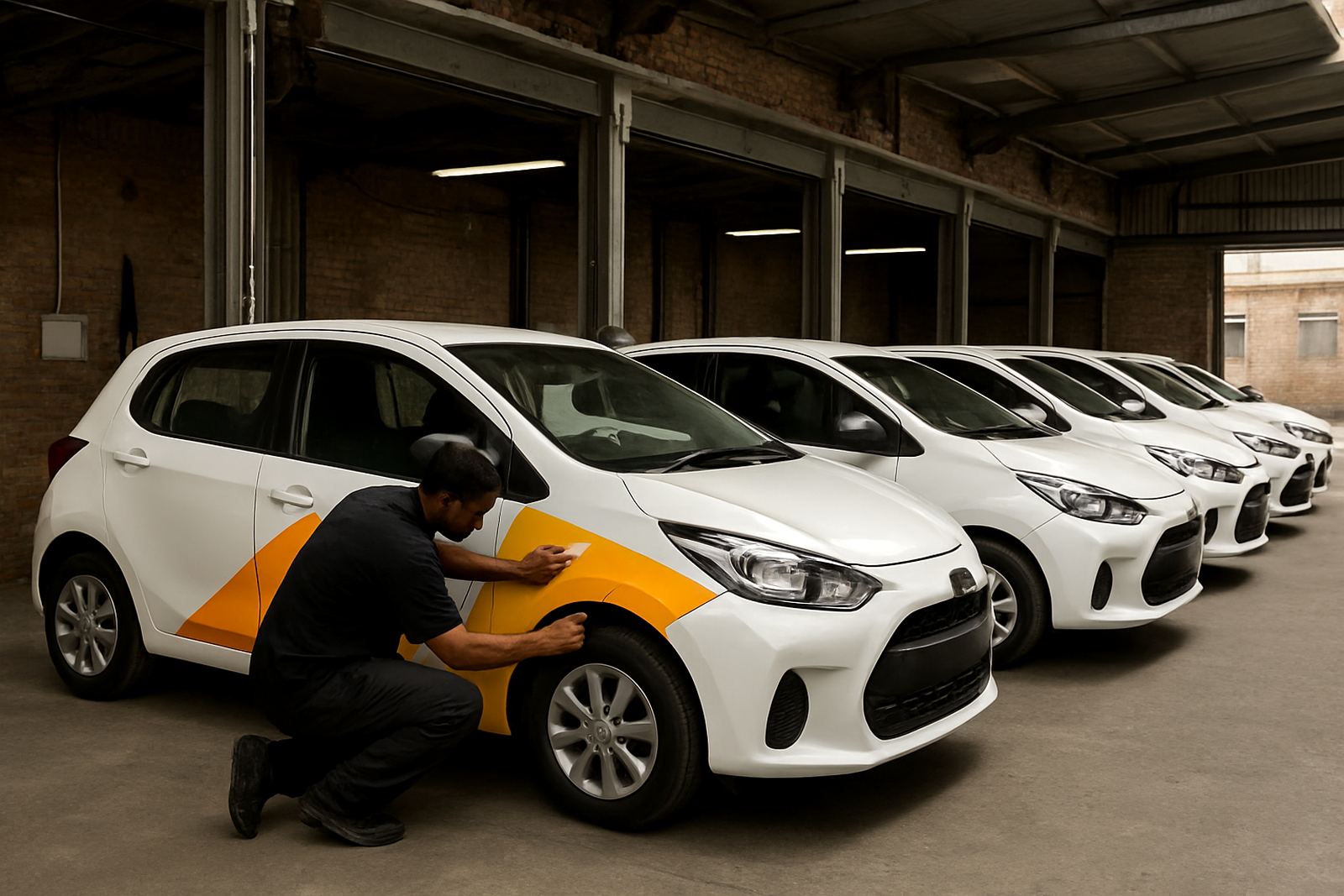
For fleets, we recommend a simple layout system from the start: fixed logo position, standard font sizes, one contact line and a consistent colour band. This helps when more vehicles are added later. It also makes re-wrapping or panel repair easier after a scrape or bumper touch-up. If you are using multiple vehicle types, we can keep the artwork family consistent while adjusting it for each body style.
For medical work, less is usually better. Too many icons, too much text or mixed colours can make the vehicle look busy and less trustworthy. A tidy layout with space around the key message is easier for patients, staff and dispatch teams to recognise.
Protection choices that suit daily medical use
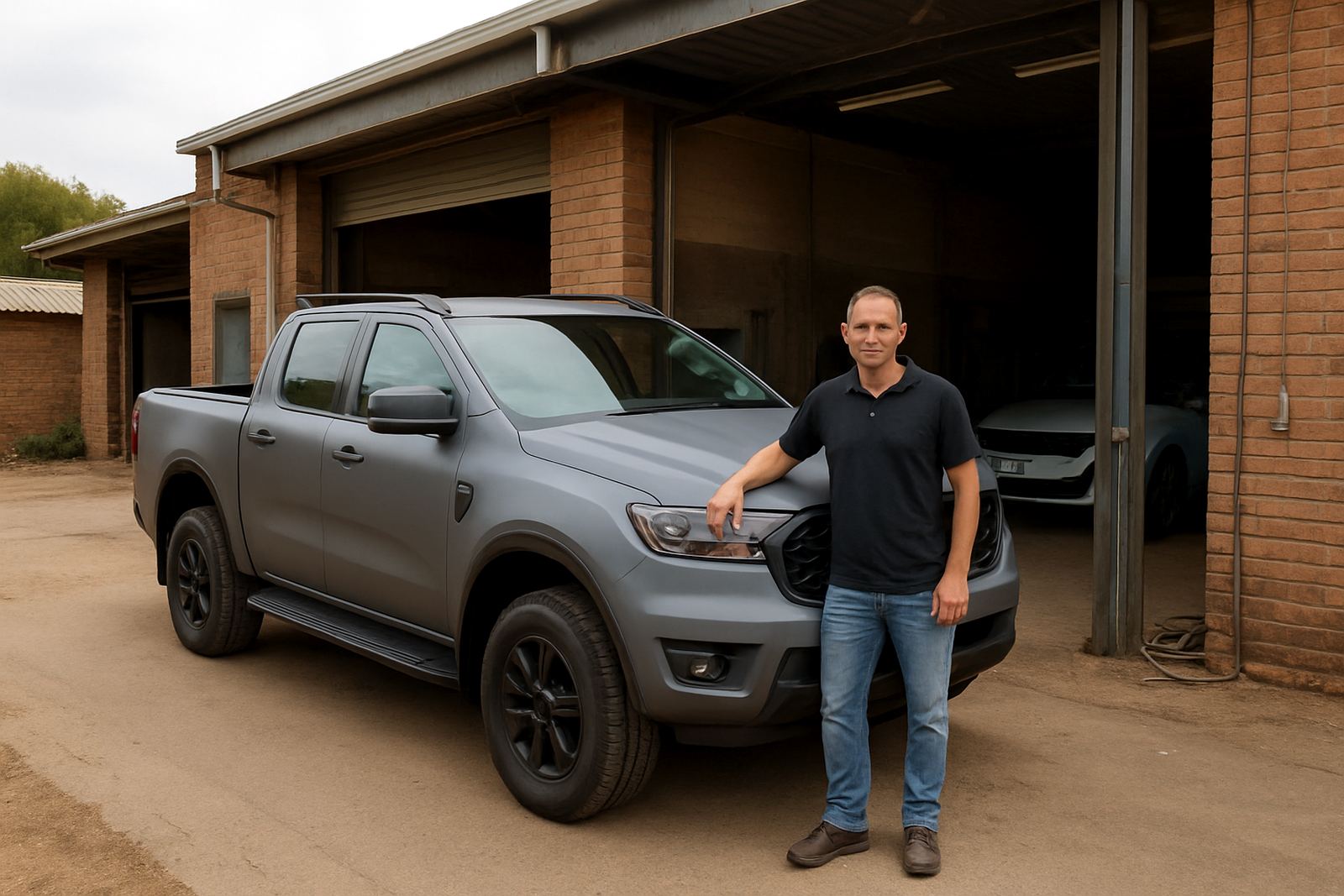
Medical transport fleets often do high mileage and spend time in sun, shade, parking garages and loading zones. That means the right protection matters as much as the branding. Vinyl colour change wraps are useful when a fleet needs a single colour across mixed vehicles. Paint-protection film works well on front bumpers, mirrors, bonnet edges and door cups where chips and scuffs happen most.
Window tinting can improve privacy for patients and reduce heat buildup in vehicles that spend time parked at clinics or homes. Interior wraps can help protect high-touch trim, while wheel refurbishment is useful when kerb damage starts making a vehicle look tired. For operators in Durban or coastal areas, we pay close attention to moisture, edge sealing and aftercare so the finish stays presentable.
- Vinyl colour change for full fleet consistency
- PPF for high impact panels and leading edges
- Window tinting for privacy and heat control
- Interior wraps for clean, wipeable trim surfaces
- Wheel refurbishment for a neat outer finish
Surface preparation and hygiene-minded fitting
A medical transport vehicle cannot look half done. Before installation, the surface must be cleaned properly and checked for old adhesive, wax, polish residue and damage around trims. On vehicles used for patient or sample transport, we also look at door seals and regular wash areas because those are the spots that collect dirt faster than most owners expect.
Our surface preparation process is careful and practical. Panels are cleaned, dried and checked before film goes on. If there are stone chips, paint lifting or previous repairs, we point them out first because wrapping over a problem panel can make the finish fail early. This is important on vehicles that are washed often or parked outdoors between shifts.
We also plan around downtime. Some vehicles can be done in a day or two, while a larger fleet or mixed package with tint, PPF and interior work may need staged booking. That helps transport teams keep vehicles on the road without disrupting patient collections or lab runs.
Common mistakes on medical transport wraps
The most common mistake is trying to fit too much onto the vehicle. Long service lists, tiny phone numbers and crowded logos can make a clean medical fleet look untidy. Another issue is poor material choice on high-use panels, especially around sliding doors, loading edges and rear bumpers where constant movement wears the film faster.
We also see vehicles that were wrapped without enough planning for washing, medical decals or future rebranding. If the fleet later changes colour coding, branch contact details or service areas, a poorly planned wrap can be expensive to update. It is better to map that out at the start and leave room for small changes.
- Overloading the panels with too much text
- Using the same layout on every vehicle without checking body shape
- Ignoring door movement and handle wear points
- Skipping proper cleaning before installation
- Forgetting how the vehicle will be cleaned and used day to day
Budget ranges for patient and support fleets
Wrap budgets depend on vehicle size, the amount of coverage and whether you want branding only or a full protection package. A compact support car with partial branding and basic tinting will cost less than a large van with colour change wrap, PPF on the front end and full rear-door graphics. Fleet work is usually priced per unit with volume considered across multiple vehicles.
As a working guide, partial branding for a small vehicle can start from about R4 500 to R9 500. A full vehicle wrap on a sedan, SUV or light support vehicle may fall between R12 000 and R24 000. Larger vans, ambulances or passenger units with more panel coverage can range from R18 000 to R35 000 or more depending on finish and artwork complexity. Add-ons such as PPF, tinting, wheel refurbishment and interior restyling are quoted separately.
If you manage a fleet, it helps to phase the work. Start with the highest mileage vehicles or the ones most visible to clients, then complete the rest in batches. That keeps cash flow manageable and gives you a standard to match on later units.