
First impressions at the kerb side count
In hospitality, the vehicle is part of the welcome. A transfer sedan that arrives with faded paint, peeling vinyl or uneven tint can undo the impression a front office team has worked hard to build. For hotels, guest houses, shuttle operators and event transport companies, the vehicle should look clean, calm and consistent every day, whether it is collecting a corporate guest in Sandton or moving a wedding group in Midrand.
We usually see hospitality operators when they need one of three things. They want a full brand refresh across a mixed fleet, a neat logo package for guest shuttles, or protection for vehicles that clock up long hours on the road and in hotel driveways. Paint chips, scuffed boot lips and stone damage show quickly on white, silver and black vehicles. Add coastal humidity in Durban or constant sun in Gauteng and the finish can age fast if it is not planned properly.
The right wrap or film setup keeps the fleet looking sorted without forcing a full repaint. It also helps with resale later, which matters when a hotel cycles vehicles every few years.
Typical fleet setup for hotels and guest transport
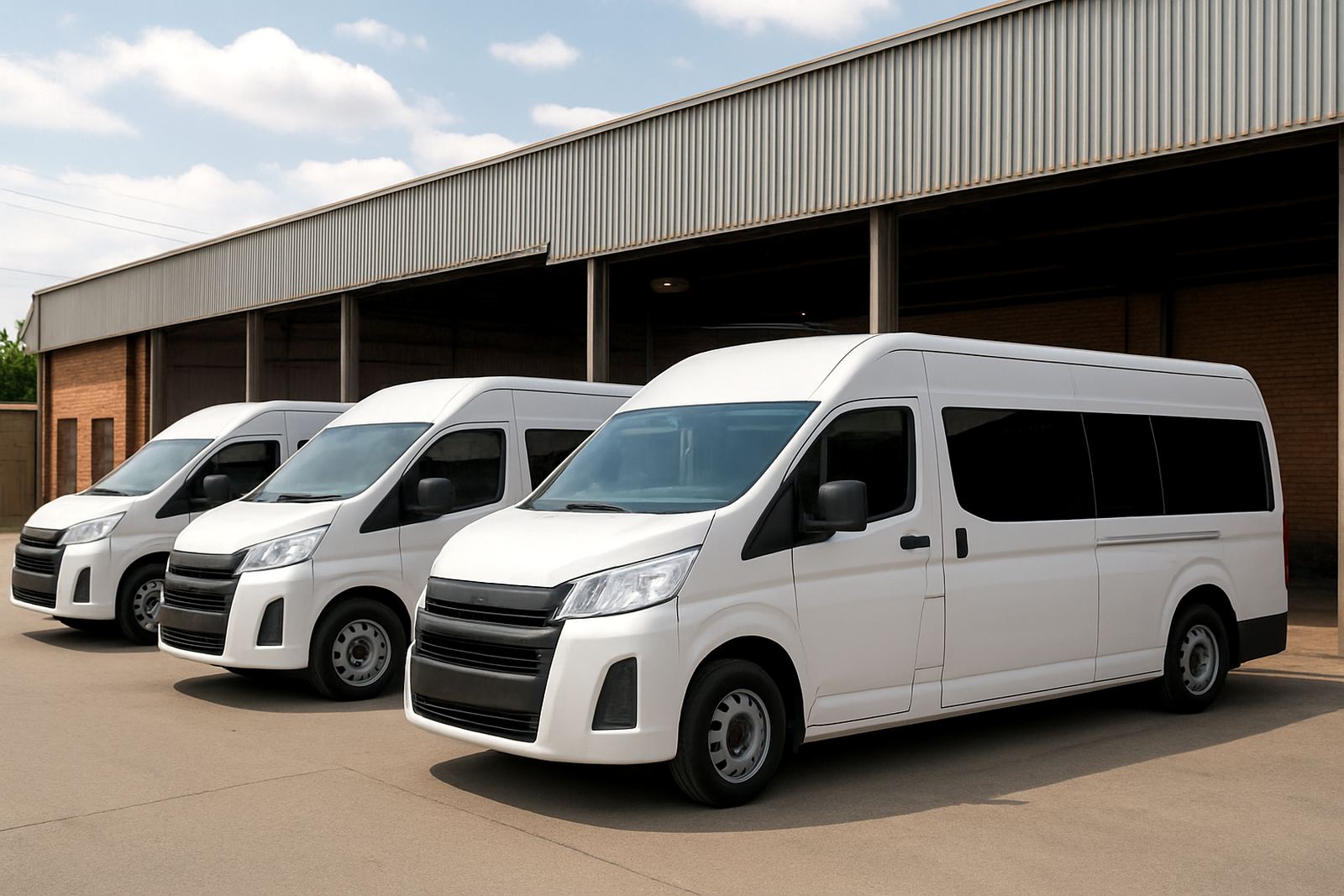
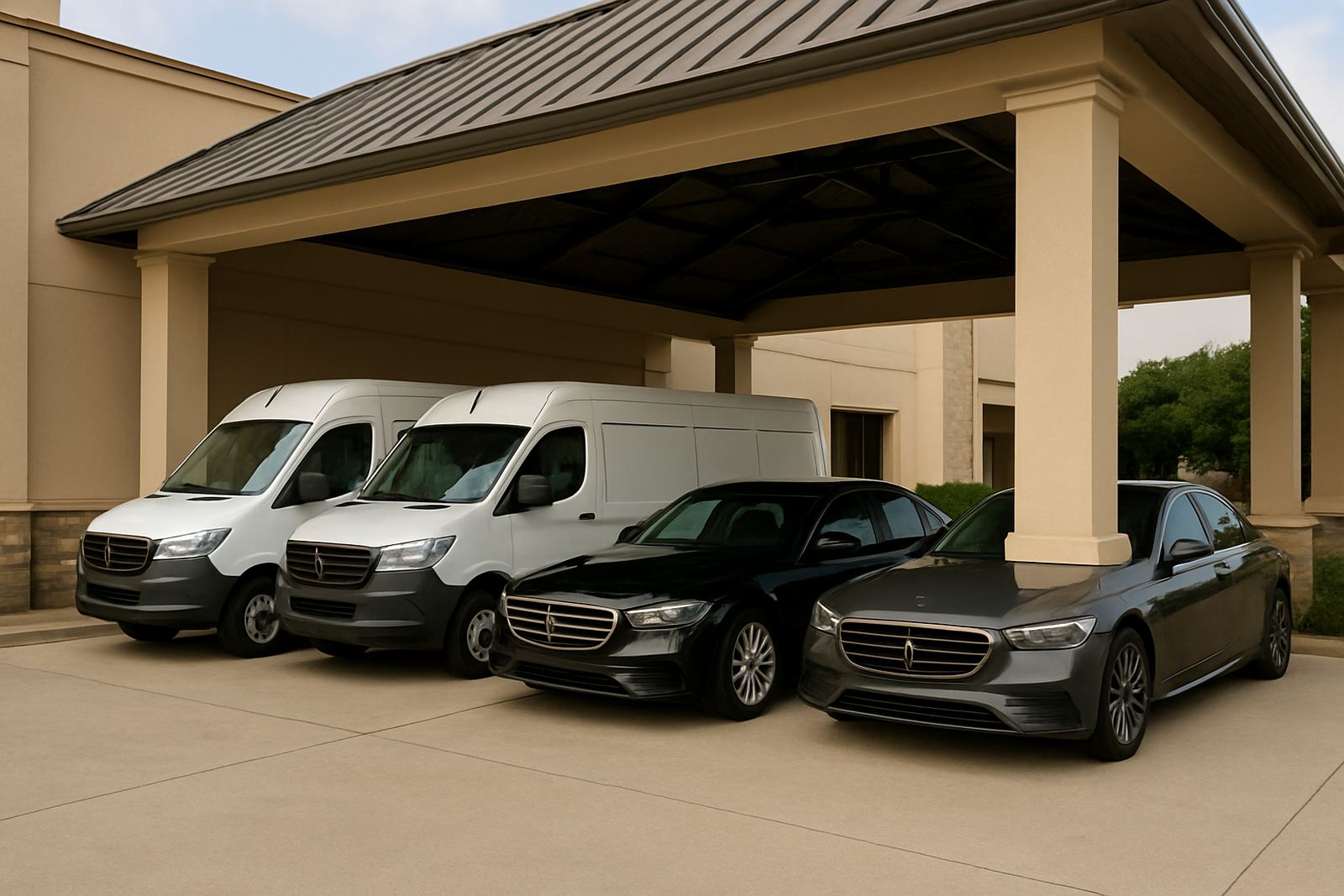
A hospitality fleet is often a mix of saloons, MPVs, minibuses, SUVs and sometimes a branded courtesy vehicle for managers or VIP transfers. That means one solution rarely fits every unit. Some vehicles need full colour changes for a uniform look, while others only need door logos, rear panel graphics and discreet contact details so they stay professional without looking loud.
For a working hospitality fleet, the common equipment set usually includes:
- Vinyl colour change wrap for visible units that need brand consistency
- Spot graphics for doors, tailgates and quarter panels
- Paint protection film on high-impact areas such as bumpers, mirrors and load lips
- Window tinting for passenger comfort and UV control
- Interior wrap or trim refresh on scuffed high-touch panels
- Wheel refurbishment where curbs and parking bays have marked the rims
We often recommend a layered approach. A guest transfer vehicle may only need branding and tint, while a daily shuttle in and out of airport traffic may need PPF on the leading edge and rear bumper corners as well. That way the fleet still looks polished, but the spend stays tied to how each vehicle is used.
Planning the layout so the fleet looks consistent
Good fleet presentation starts with layout planning before any film is cut. Hospitality vehicles are seen at different angles, in low light at hotel entrances and in bright sun at airports or event venues, so the design has to read clearly in all conditions. We plan around door handles, fuel flaps, sliding doors, roof lines and licence plates so the branding feels built in, not stuck on.
For larger operators, consistency matters more than fancy design. The same logo position, the same colour values and the same spacing between vehicles make the fleet easier to recognise. A guest should be able to spot the transfer vehicle instantly, even if it is parked 20 metres away under a porte cochère. That means checking the size of the logo on every vehicle type, not just one sample unit.
A few practical planning points help:
- Keep the main logo high enough to be seen above parked cars and pavement clutter
- Leave room around door seams so film does not lift early
- Use colour contrasts that still show at night and in rain
- Match the brand across sedan, SUV and mini coach body shapes
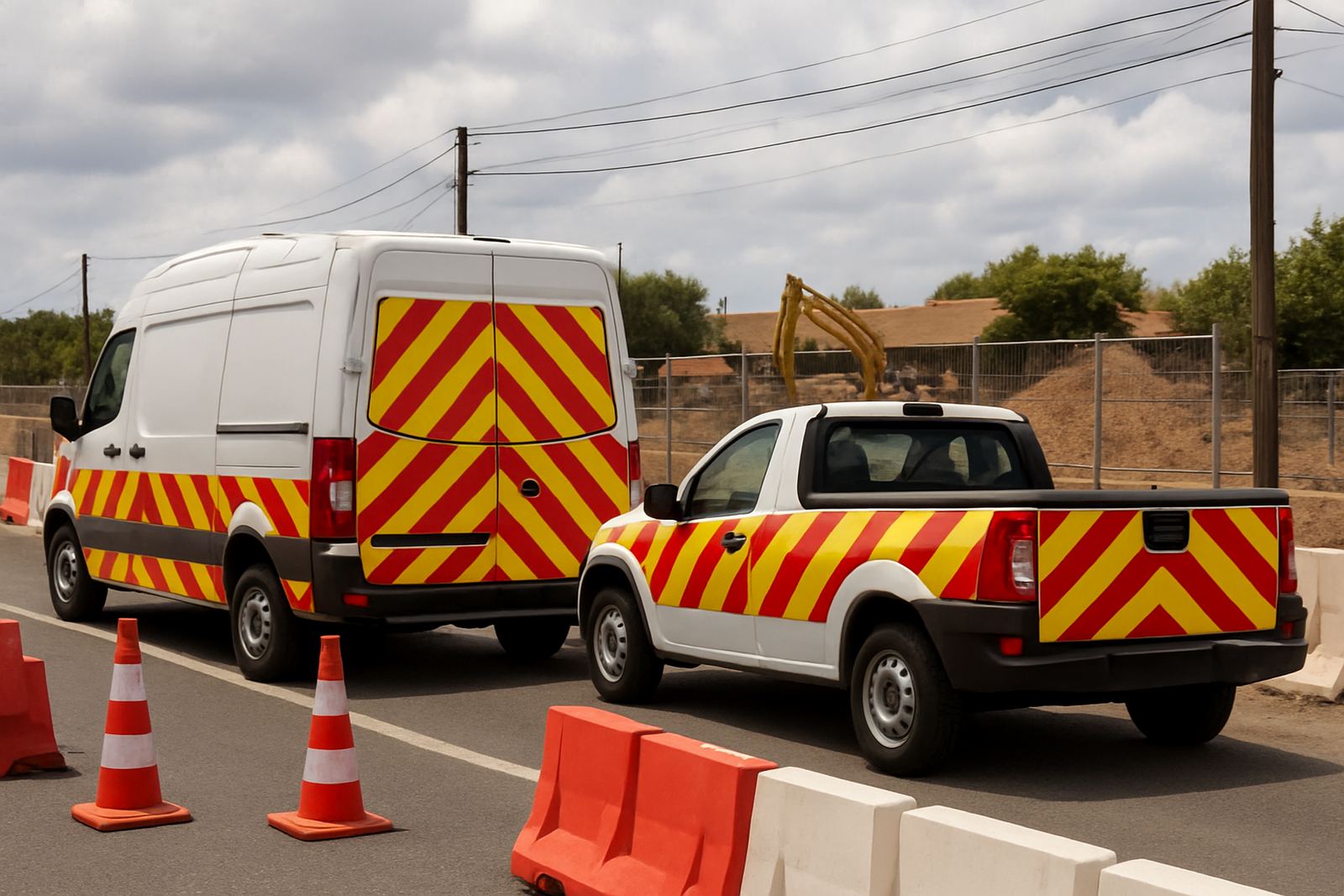
- Include fleet numbers or route markings if vehicles rotate between hotels or venues
For hospitality groups with more than one site, we also help standardise the artwork so a vehicle based in Sandton carries the same look as one working in Pretoria or Durban. That saves time when new vehicles arrive and when old ones are replaced.
Common mistakes that cost money later
One of the biggest mistakes is trying to do too much on the first pass. Heavy graphics on every panel can look busy on a shuttle that is used for calm, premium service. Another mistake is skipping surface preparation. Even the best film will struggle if the paint has polish residue, stone chips or old adhesive underneath. On vehicles that live outdoors or near the coast, this shows up early.
Another issue is underestimating use. A transfer vehicle that only carries airport guests may still spend hours idling, loading bags and parking in the sun. If the wrap spec ignores that, edges can lift sooner and the finish starts to look tired. We also see problems when operators mix too many shade variations across a fleet. One white is warm, the next is cool, and suddenly the whole line looks inconsistent.
It is worth avoiding these mistakes:
- Using a generic design that does not fit the vehicle sizes
- Choosing thin or unsuitable film for high-wash fleets
- Skipping paint correction and proper cleaning before fitting
- Placing graphics where hotel staff and passengers scuff them daily
- Ignoring tint rules and local regulations on visibility
On hospitality vehicles, neatness matters more than drama. A clean, well planned finish carries the brand better than an overdone one every time.
Budget ranges for hospitality fleets in Rand
Budget depends on the number of vehicles, the size of each vehicle and how much coverage is needed. For a single guest car, a simple branding package with door logos and basic text may start from about R3,500 to R7,500. A partial wrap with more coverage can move into the R8,000 to R18,000 range per vehicle, depending on artwork complexity and the body shape.
Full vinyl colour changes on larger hospitality vehicles usually sit much higher, often from around R18,000 to R40,000 plus per unit. Paint protection film is priced by area and vehicle size, so front bumper, bonnet edges and mirror protection may start around R6,000 and can go well beyond R20,000 on larger or more exposed vehicles. Window tinting, interior trim work and wheel refurbishment are usually quoted separately so operators can phase the spend.
For a small fleet, it is common to plan a first round budget of R25,000 to R60,000 for branding and protection across two to four vehicles. For larger hotel or event transport fleets, project budgets can run from R80,000 to well above R250,000 depending on the mix of services. The useful thing is that the work can be staged, so the highest visibility vehicles get done first and the rest follow as cash flow allows.
What hospitality teams get from a good wrap partner
Hospitality operators need a supplier who understands downtime, guest expectations and the pressure of keeping vehicles presentable every day. At Auto Wrap SA, we handle design and artwork, surface preparation, vinyl installation, PPF installation, window tinting, interior restyling, wheel refurbishment, wrap removal and aftercare support from our Kya Sand base, with wrap bays nationwide for fleet work.
That matters because hospitality fleets often need quick turnarounds around occupancy peaks, conferences and seasonal bookings. A hotel cannot afford a shuttle off the road for too long, and event transport often needs to be back in service before the next group lands. We plan around those timeframes and keep the work ordered so the busiest units return first.
For projects in Johannesburg, Sandton, Midrand, the East Rand, Pretoria or Durban, we can align the fleet look across sites and vehicle types. The result is simple: the transport matches the standard of the property, the guest sees a tidy service and the vehicles stay protected for longer.