Why contractor vehicles need clear identification
When a contractor is doing road repairs, drainage maintenance, electrical work or water services, the vehicle is often the first thing the public sees. Clear identification helps residents, site managers and municipal officials know who is on site, what work is being done, and which team is responsible if there is a query.
For outsourced maintenance teams, a neat branded vehicle also supports accountability. It reduces confusion at depots, improves trust at access gates, and makes it easier for supervisors to track mixed fleets with bakkies, panel vans, trailers and service trucks. In busy areas like Sandton, Midrand and the East Rand, that matters because vehicles are seen by many people in one day.
Typical vehicles and equipment we work with
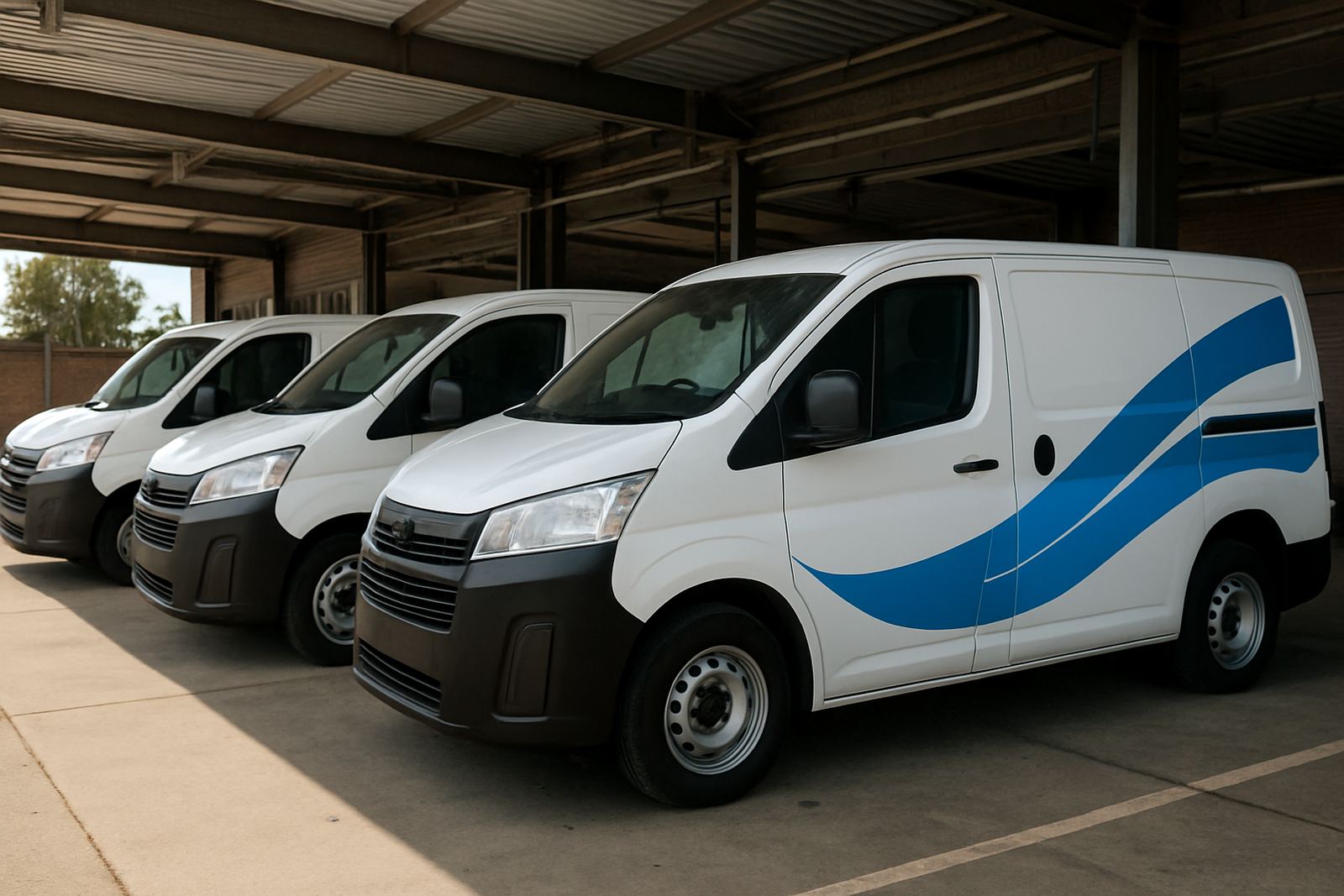
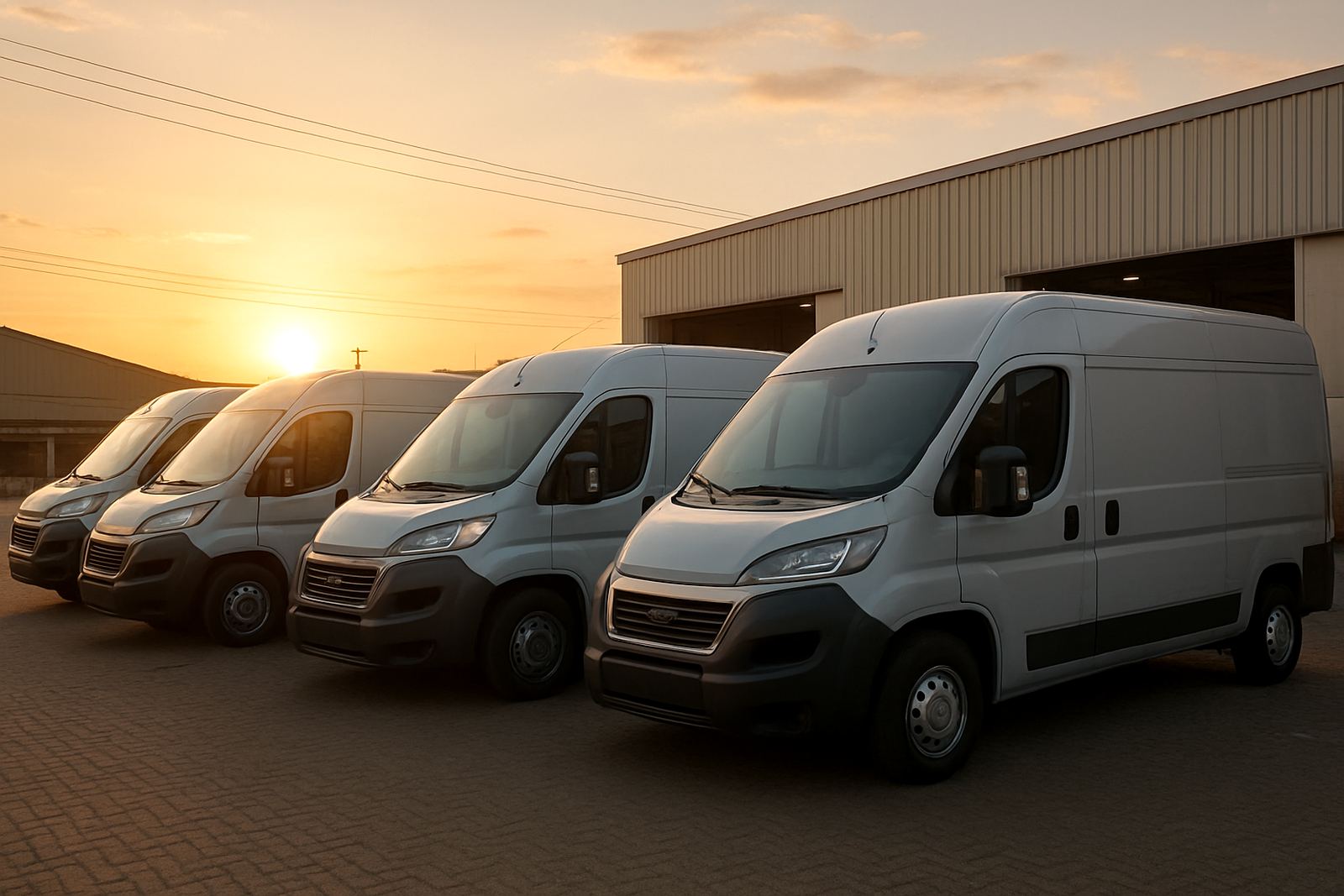
Municipal contractor fleets are usually a mix of practical working vehicles. That can include single and double cab bakkies, fitted vans, cherry pickers, tippers, compact trucks, traffic control vehicles and utility trailers. Some fleets also carry equipment boxes, ladder racks, beacons, tool compartments and service body bins, all of which affect the wrap layout.
We plan around the way the vehicle is actually used. If a bakkie carries pipes, cones, warning boards or generators, the branding must stay visible even when the load is on board. For heavy-use vehicles, we often recommend a partial wrap with high-impact panels, reflective markings where needed, and protection film on higher wear zones. In humid coastal conditions like Durban, and in dusty inland sites, film choice and edge sealing are important for long life.
- Bakkies and service vans for repairs and inspections
- Tipper trucks and utility trucks for civil works
- Trailers, compressors and site support units
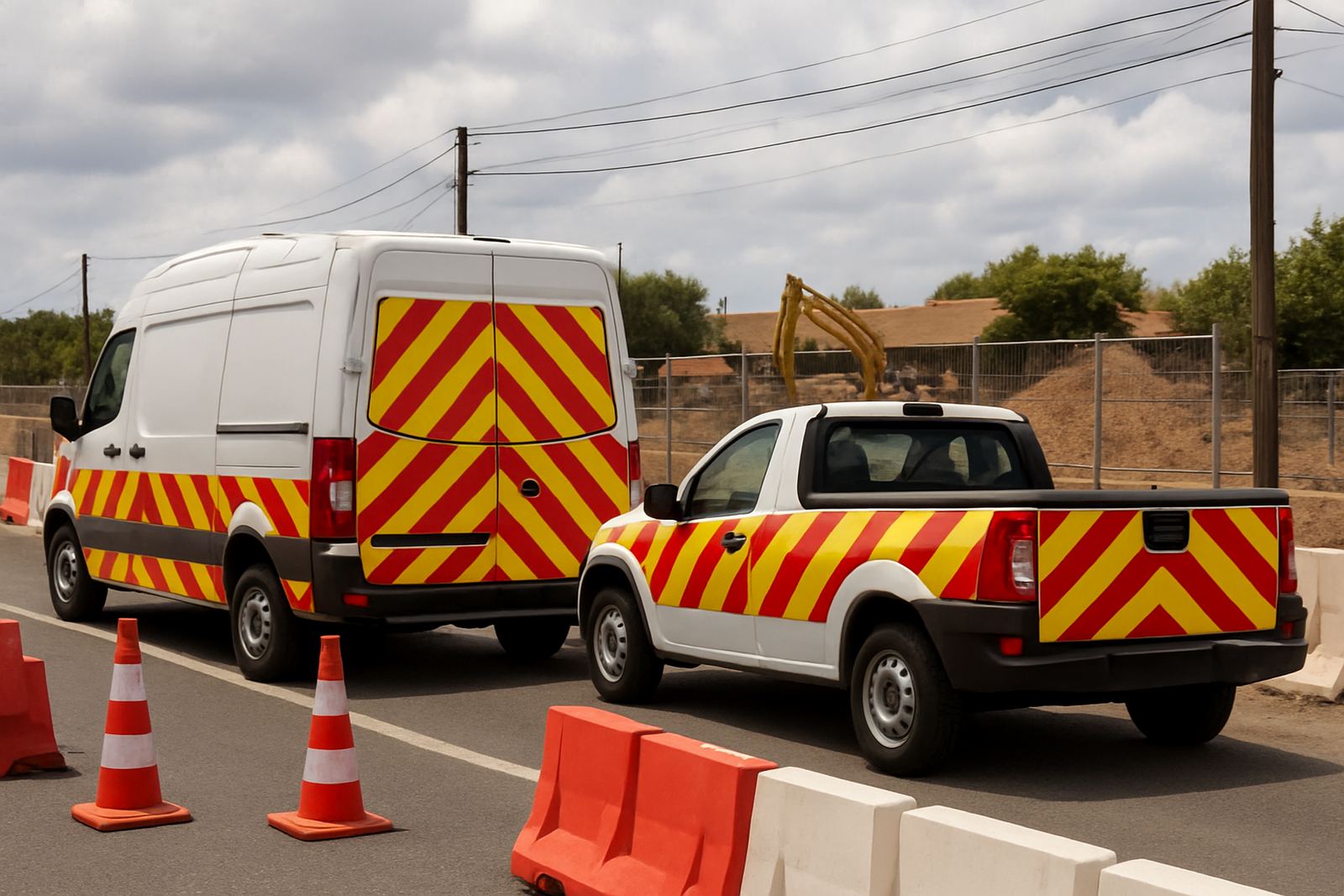
- Traffic management vehicles with safety markings
- Fleet cabs that need asset numbers and unit codes
Layout planning for municipal and contractor fleets
The best fleet graphics are planned before the first panel goes on. We start with the municipal or contractor brand standard, then map out where logos, unit numbers, contact details and service categories should sit on each vehicle type. A contractor with 12 vehicles needs a different approach from a fleet of 120, but the same rule applies: keep the core elements consistent.
For mixed fleets, we normally use a master layout system. That means the logo appears in the same position, the unit code sits in the same place, and colour blocks are repeated across the range. This makes vehicles easier to manage and simpler to replace after accident damage or panel repairs. If the fleet includes both new and older vehicles, we can balance the design so it still looks organised, not patched together.
- Keep the logo large enough to read from a distance of 10 to 15 metres
- Use one main contact number and one service line, not too much text
- Place vehicle unit codes on both sides and the rear
- Allow for door gaps, handles, beacons and roof racks
- Use matte or gloss finishes to match the fleet standard
Common mistakes on contractor fleets
One of the biggest mistakes is overloading the vehicle with too much information. A long list of services, email addresses, licence numbers and slogans becomes hard to read once the bakkie is moving. Another mistake is wrapping without checking the vehicle condition first. Chips, rust, dents and old vinyl must be dealt with before installation, otherwise the finish will fail early.
We also see fleets where each branch orders its own version of the same vehicle marking. That creates inconsistency across the fleet and makes the company look fragmented. For municipal work, neat and repeatable branding is usually the safer choice. Poor aftercare is another issue, especially when vehicles are pressure washed too soon or parked in hard sun straight after installation. South African summers are unforgiving, and on some sites the sun is only part of the problem, load-shedding can leave vehicles parked in uneven lighting and more difficult conditions for drying and curing.
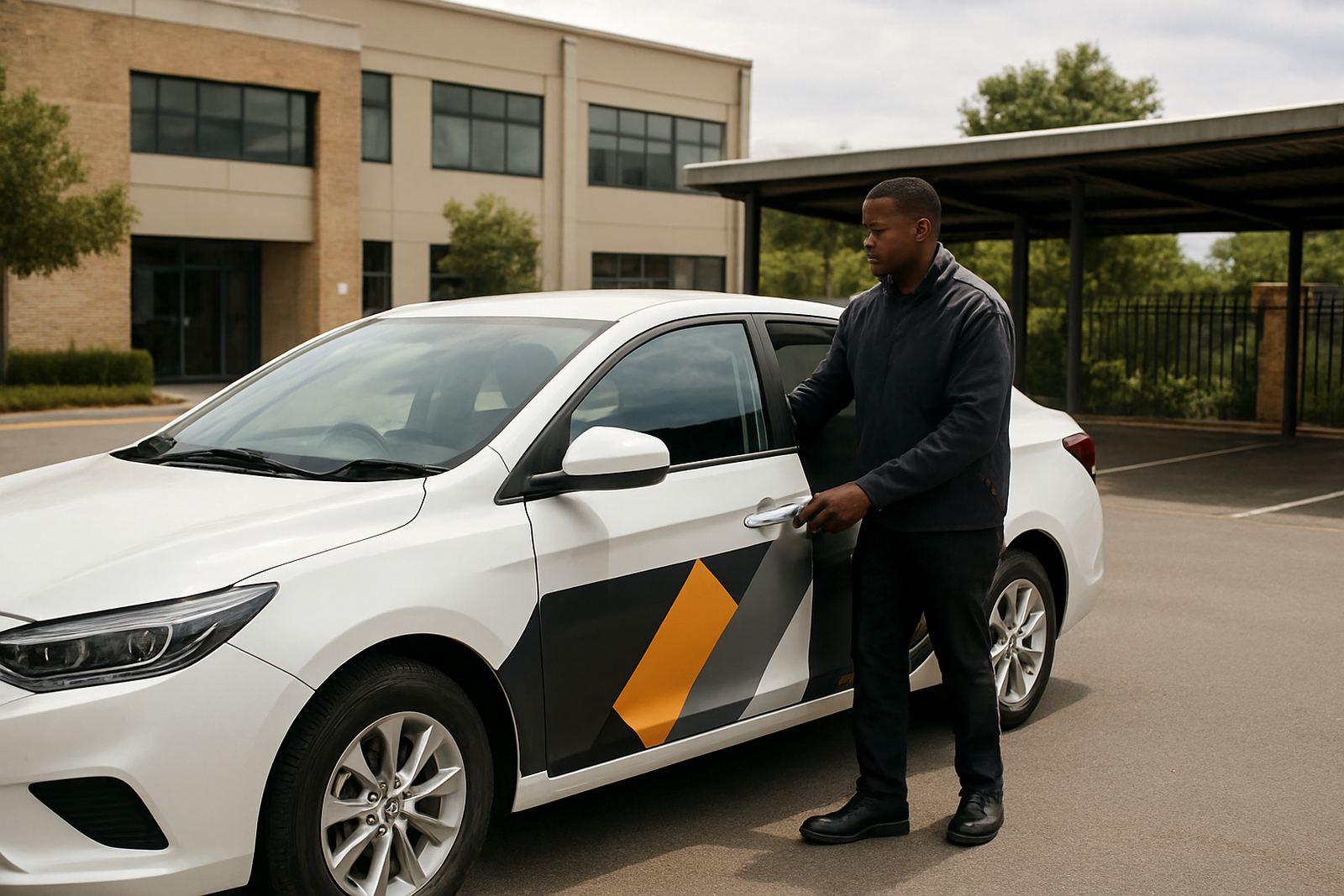
A smaller issue, but one that comes up often, is using colours that are too close to the vehicle paint. On white, silver or grey fleet vehicles the artwork needs enough contrast to stand out. If it does not, the wrap looks faint from a distance and the whole point of identification gets lost.
Budget ranges for identification, partial wraps and protection
Budget depends on vehicle size, artwork complexity, how many units are being done, and whether the job includes paint protection film or tinting. For municipal contractors in Johannesburg and nearby service areas, a straightforward identification package for a single bakkie may start from about R3 500 to R7 500. A partial wrap with stronger branding on doors, tailgate and rear quarter panels can range from about R8 000 to R18 000, depending on coverage.
Full wraps usually sit higher, often from R18 000 to R35 000 for bakkies and vans, with larger trucks costing more. Paint protection film on high wear zones, such as handles, loading edges and leading panels, adds extra but can save money over time by reducing stone chips and abrasion. For fleets, the unit price usually improves once the numbers move up. On 10 or more vehicles, planning the rollout properly can make a real difference to the final Rand per vehicle.
- Basic ID and numbering: R3 500 to R7 500
- Partial wrap and branding: R8 000 to R18 000
- Full wrap for bakkies and vans: R18 000 to R35 000
- Protection film and tinting: priced separately by coverage
How we handle fleet rollouts and aftercare
For contractor fleets, rollout timing is just as important as the graphics themselves. We can stage the work vehicle by vehicle so the team keeps operating while branding is applied. That helps with busy municipal contracts, where every unit needs to stay available for service calls, emergency repairs or scheduled maintenance.
We also give practical aftercare guidance for work vehicles that see daily use. That includes waiting before the first wash, avoiding harsh solvents, and checking edges after rough site work. If a vehicle needs wrap removal later, or a panel must be replaced after an accident, we can assist with section repairs and rebranding so the fleet stays consistent. Our Kya Sand base supports Johannesburg projects, and wrap bays are available nationwide for contractors with vehicles moving between depots.
For teams working on roads, sewer lines, lighting or landscaping, identification should not be an afterthought. It needs to fit the vehicle, the job, and the budget, with enough detail to work in the real world not just on paper.