
Built For Short Trips, Frequent Stops And Fast Recognition
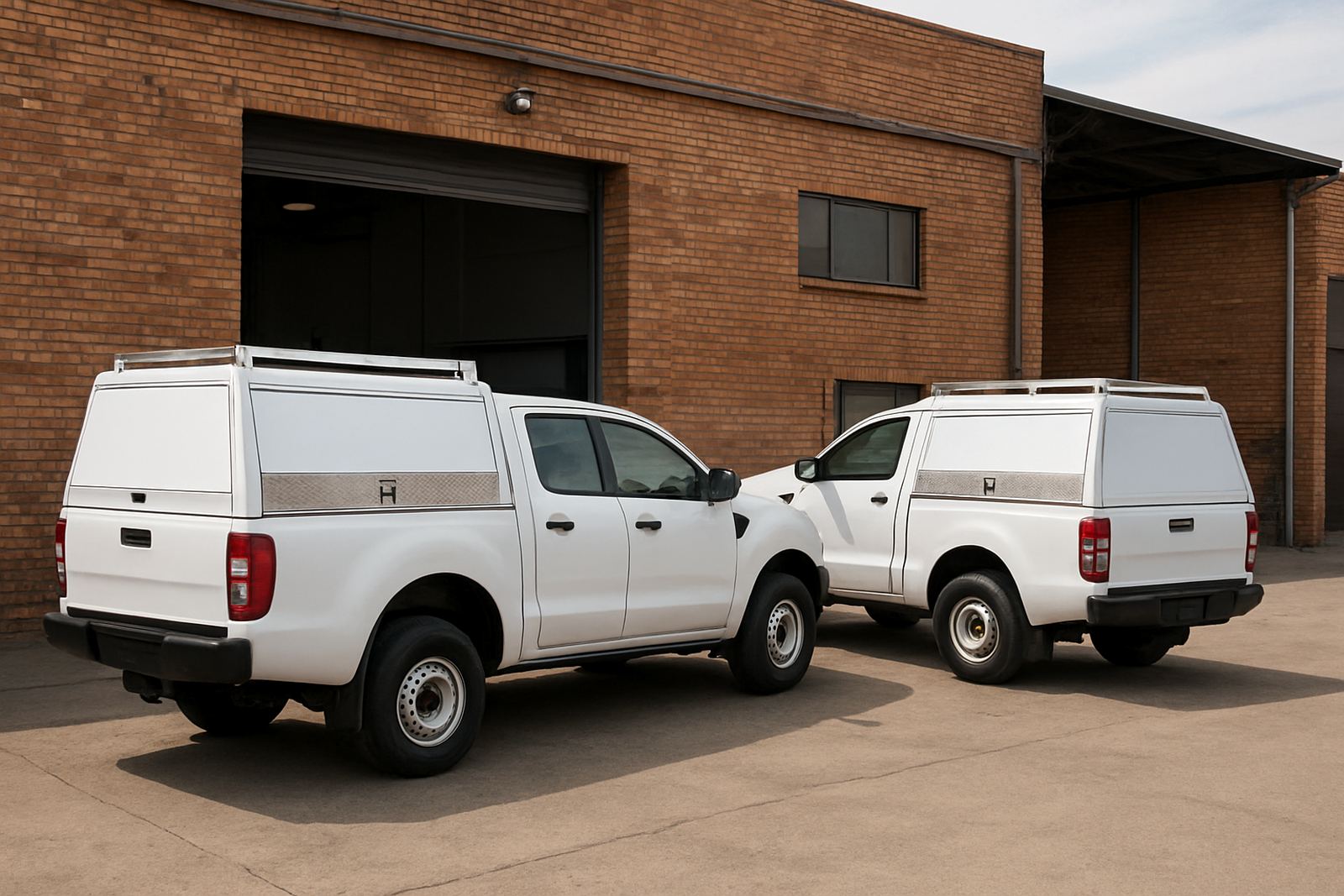
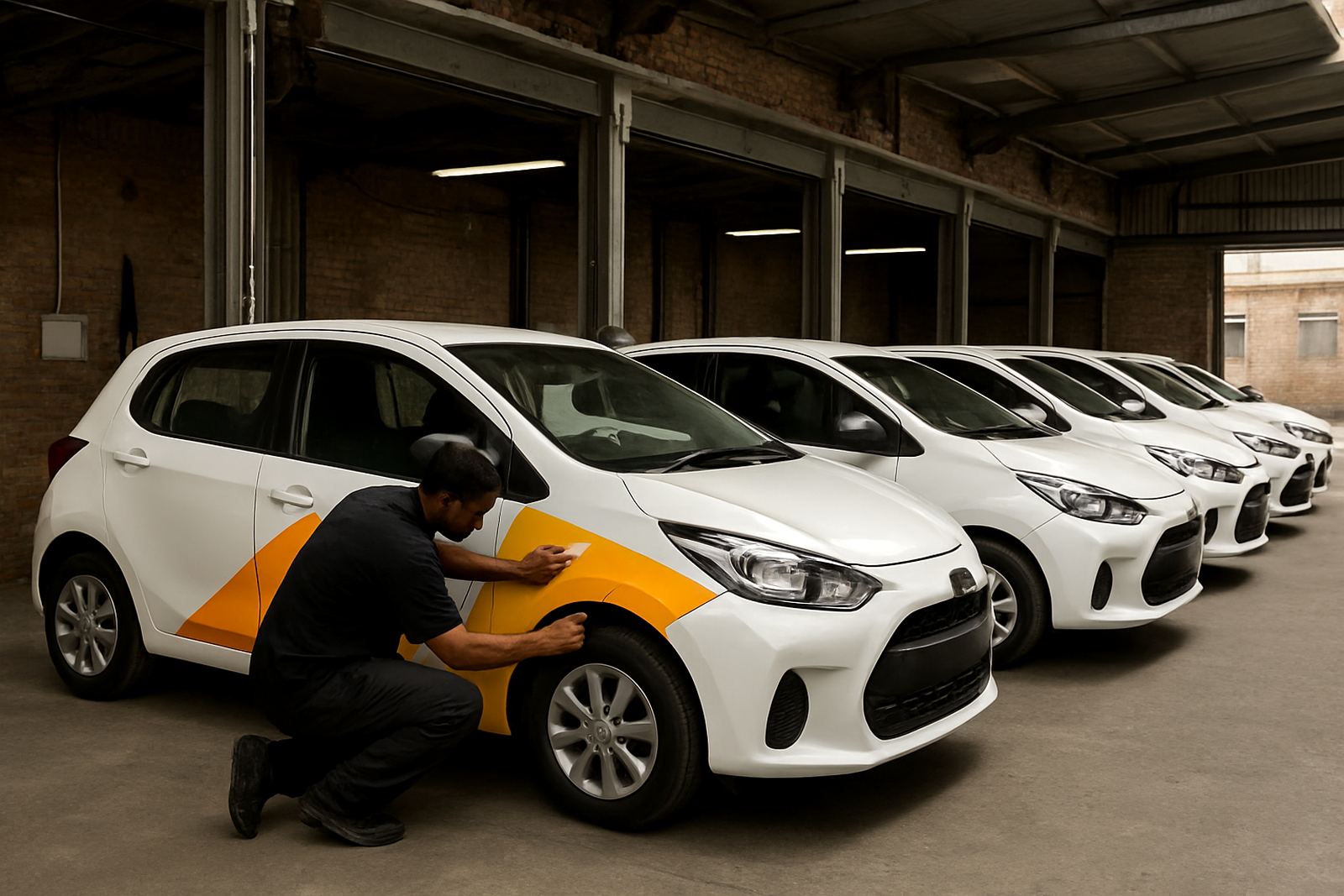
Food delivery vehicles spend their day in motion, then parked outside restaurants, flats, office parks and residential complexes. That means the wrap has to do two jobs at once: carry the brand clearly at a distance, and keep looking clean after constant use. On small delivery cars and scooters, we normally keep the layout simple so the business name, contact details and ordering cue are visible in traffic without crowding the panels.
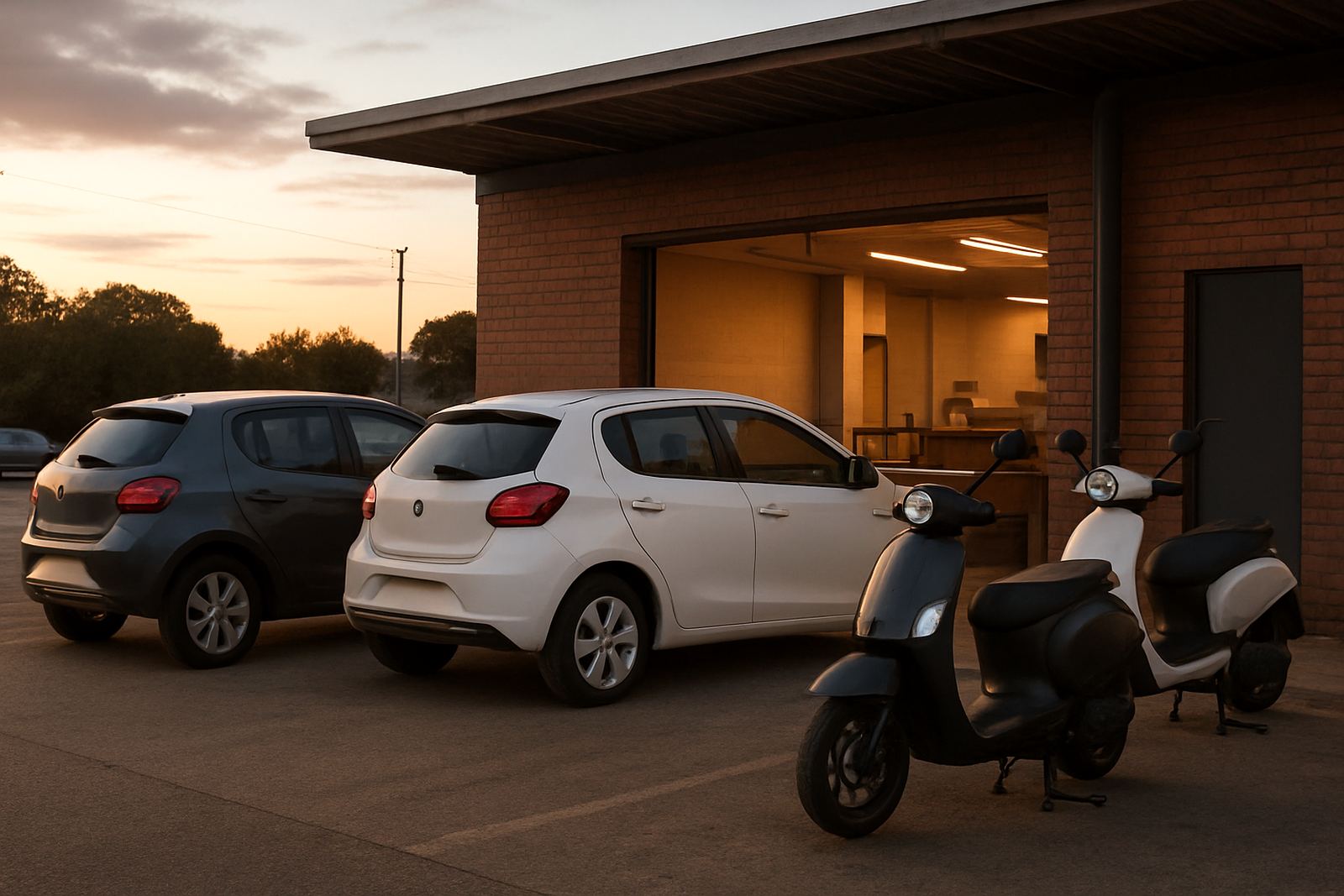
In Johannesburg, Sandton, Midrand, the East Rand and Pretoria, delivery traffic is dense and drivers get seen from the side more often than from the front. A good food delivery layout makes use of doors, rear panels, top boxes and fairings where needed, with high contrast colours that still read well under strong sun and at night. For scooter fleets, we keep the artwork tight around curves and moving parts, then protect high-touch sections with proper preparation so the vinyl holds on through heat, dust and regular washing.
Typical Package For Cars And Scooters
Most food delivery clients do not need a full commercial wrap on every vehicle. A targeted package is often better value, especially where the fleet includes hatchbacks, panel vans and scooters that do mixed city routes. The right kit depends on how much of the body you want to cover, how old the paint is and whether the vehicle will later be sold or reassigned.
- Door logos, rear branding and contact details for fast local identification
- Partial colour wrap on bonnets, roofs or tailgates for a stronger identity
- Reflective or high contrast elements for evening visibility
- Top box branding and scooter fairing graphics
- Optional paint protection film on high-wear areas such as sills and loading edges
- Window tinting where permitted and appropriate for heat control and privacy
For many clients, interior wraps are not the first choice on delivery vehicles, but they can work on dashboard trim, centre consoles or fleet units where the cabin needs a cleaner presentation. We also factor in wheel refurbishment when a car is being reset for fleet use and the rims are scuffed from kerbs and delivery bays.
Planning The Layout Around Fuel Stops, Kitchens And Shopping Centres
Food delivery vehicles are often photographed where they stand, not where they drive. That is why the layout has to work in tight spaces: outside a takeaway counter, under a security boom, next to loading bays or in a mall food court drop-off point. Keep the phone number readable, the service promise short and the vehicle number if you need dispatch control. Avoid cramming too much into one side panel, because people usually catch only a second or two of the message.
Our design and artwork process looks at viewing distance, panel size and body shape before anything is printed. On compact hatchbacks, a rear panel or tailgate often gives the best return. On scooters, the side panels and rear box are the main advert space, so the logo and order prompt have to be set at eye level. We also plan around door handles, fuel caps, hinges and load door seams so the finished wrap does not split awkwardly. That planning matters even more on fleet sets where cars are swapped between drivers.
- Use one clear brand name and one primary action, such as call, order or scan
- Keep dark artwork off highly curved panels where possible
- Leave service text larger than social media clutter
- Match the vehicle colour change to your brand colours only if the paint condition supports it
- Allow for fleet numbering or QR codes where dispatch needs trackng
Surface Preparation Is The Difference Between A Clean Job And A Short-Lived One
Delivery cars work hard, and many already have chips, faded paint or old stickers when they arrive. Before any vinyl goes on, we clean the panels properly, check adhesion points and remove grease, wax and road film. If there are previous graphics, wrap removal has to be done without tearing clear coat or lifting paint. On older fleet cars, this step is often where the quality of the final result is won or lost.
In coastal conditions such as Durban, humidity can affect cure times and edge grip, while inland dust and load-shedding interruptions can affect workshop flow and handover timing. That is why we schedule jobs carefully, especially for commercial vehicles that need to return to service quickly. A well prepared surface gives better hold on mirror caps, bumpers and scooter plastics, and reduces the risk of lifting around tight corners. It also makes aftercare simpler, since dirt does not sit under failed edges.
For vehicles that do long distances or park outside overnight, paint-protection film is worth considering on front ends, door cups and loading points. It is not always needed everywhere, but on high frequency delivery units it can save money over time. The same thinking applies to tinting and wheel refurbishment: small upgrades can help the fleet look fresher for longer.
Common Mistakes On Food Delivery Fleets
The most common mistake is trying to say too much. Delivery branding should be readable in a queue, not read like a flyer. Another issue is using too many colours on a small car, which can make the business look untidy and cost more than needed. Some operators also forget that scooters and compact cars bend differently, so artwork that looks fine on a computer can fail once it is wrapped over curves.
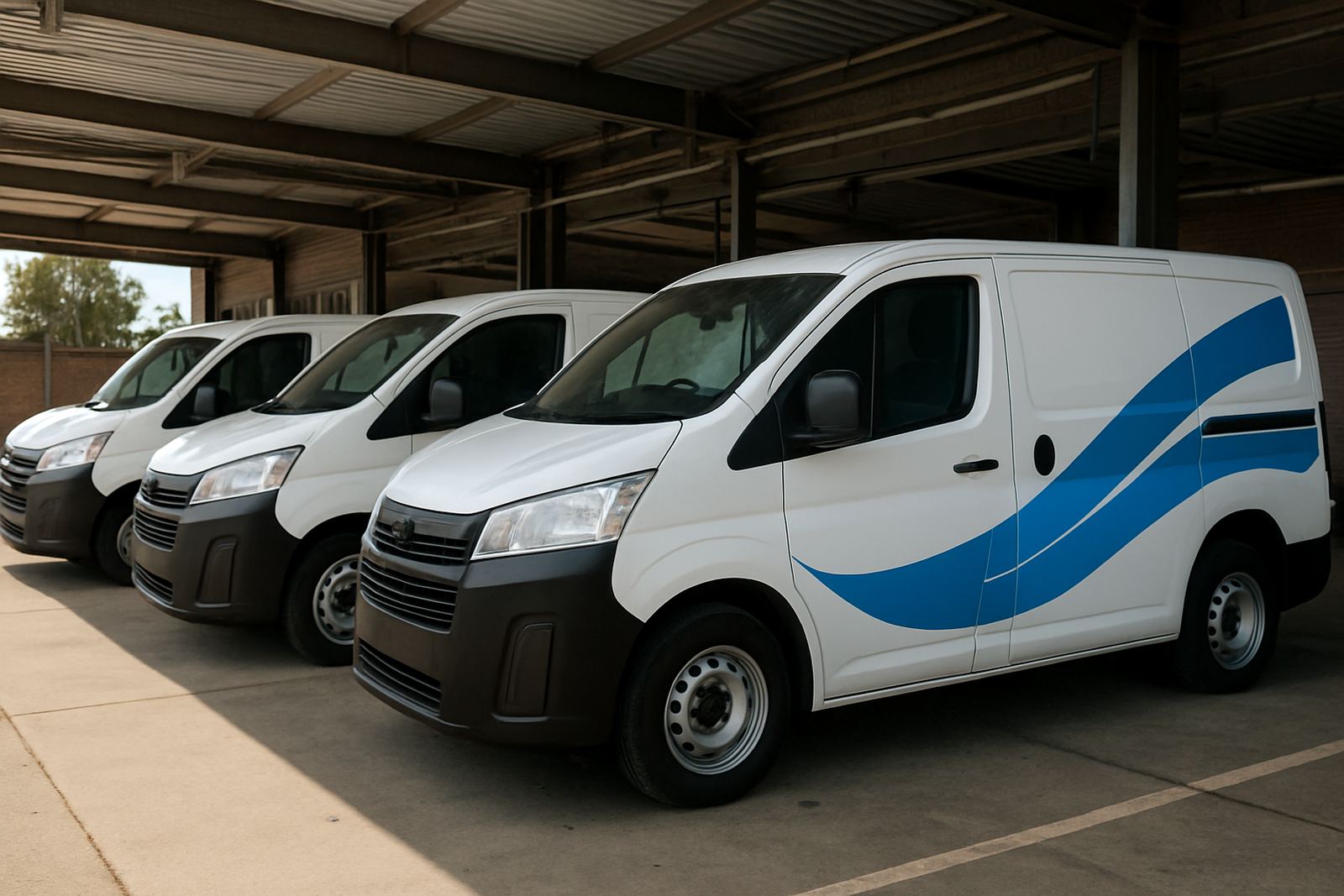
We also see fleets where the same design is applied to every vehicle without checking the vehicle type. A panel van, hatchback and scooter need different spacing, because the available real estate is not the same. If you are running several branches or subcontracted drivers, it helps to create a fleet brand standard first, then apply the same logo placement, colour use and contact hierarchy to each unit. That gives you consistency when vehicles are mixed across routes.
- Do not use tiny text for phone numbers or app prompts
- Do not place important wording across moving parts or deep panel cuts
- Do not wrap over poor paint without checking adhesion first
- Do not ignore the rear of the vehicle, it is often the best advert
- Do not choose finishes that are difficult to clean after daily food spills and road grime
Budget Ranges For Compact Delivery Branding In Rand
Budget depends on vehicle size, coverage and the level of finish you want. A basic branding package for one food delivery car, using door graphics and rear details, can start from about R4,500 to R8,500. A partial wrap with stronger brand coverage usually sits between R9,000 and R18,000 for a small car, while scooters with fairing graphics and a top box treatment are often priced from around R3,500 to R7,500 each.
If you want a full colour change or a more involved fleet standard across several units, budget higher. Paint protection film on key wear areas, extra tinting and wheel refurbishment will add to the total. For multi-vehicle food delivery fleets, the best value normally comes from repeating the same approved setup across the batch, because planning, print runs and installation time become more efficient. We can also stage the work so you do not lose the whole fleet at once, which matters when delivery cars are on the road every day.
For Johannesburg base clients in Kya Sand, as well as Sandton, Midrand, the East Rand, Pretoria and Durban service areas, the right plan is usually the one that keeps vehicles earning while they are being fitted. That means clear scope, practical artwork and a finish that can handle day-to-day use without constant touch-ups.