Why service bakkies need more than a logo
A service bakkie is often the first thing a client sees when a technician pulls into a driveway, body corporate site or factory yard. That vehicle has to say who you are, what you do and how to reach you in a few seconds. A plain bakkie can still do the job, but it leaves money on the table if it is not helping you look established and easy to contact.
For mobile electricians, plumbers, refrigeration techs, locksmiths, pest control teams, maintenance contractors and site supervisors, the vehicle is part of the job. It gets parked in tight spots, loaded with ladders and tools, and driven through heavy traffic, roadworks and low-light conditions. A good wrap protects the paint, keeps the bakkie cleaner between washes and gives your business a consistent look across one vehicle or thirty.
Typical setup on a working bakkie
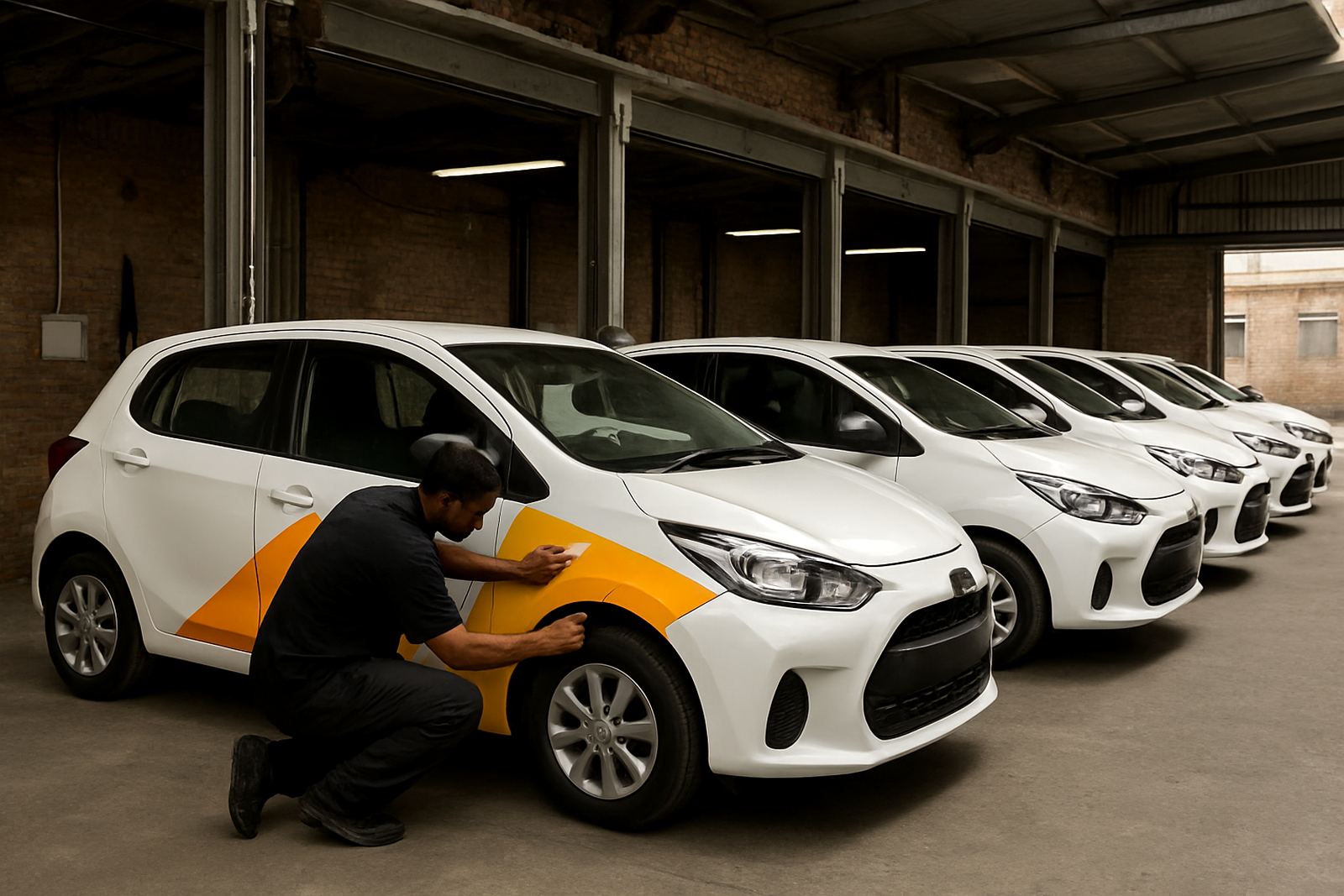
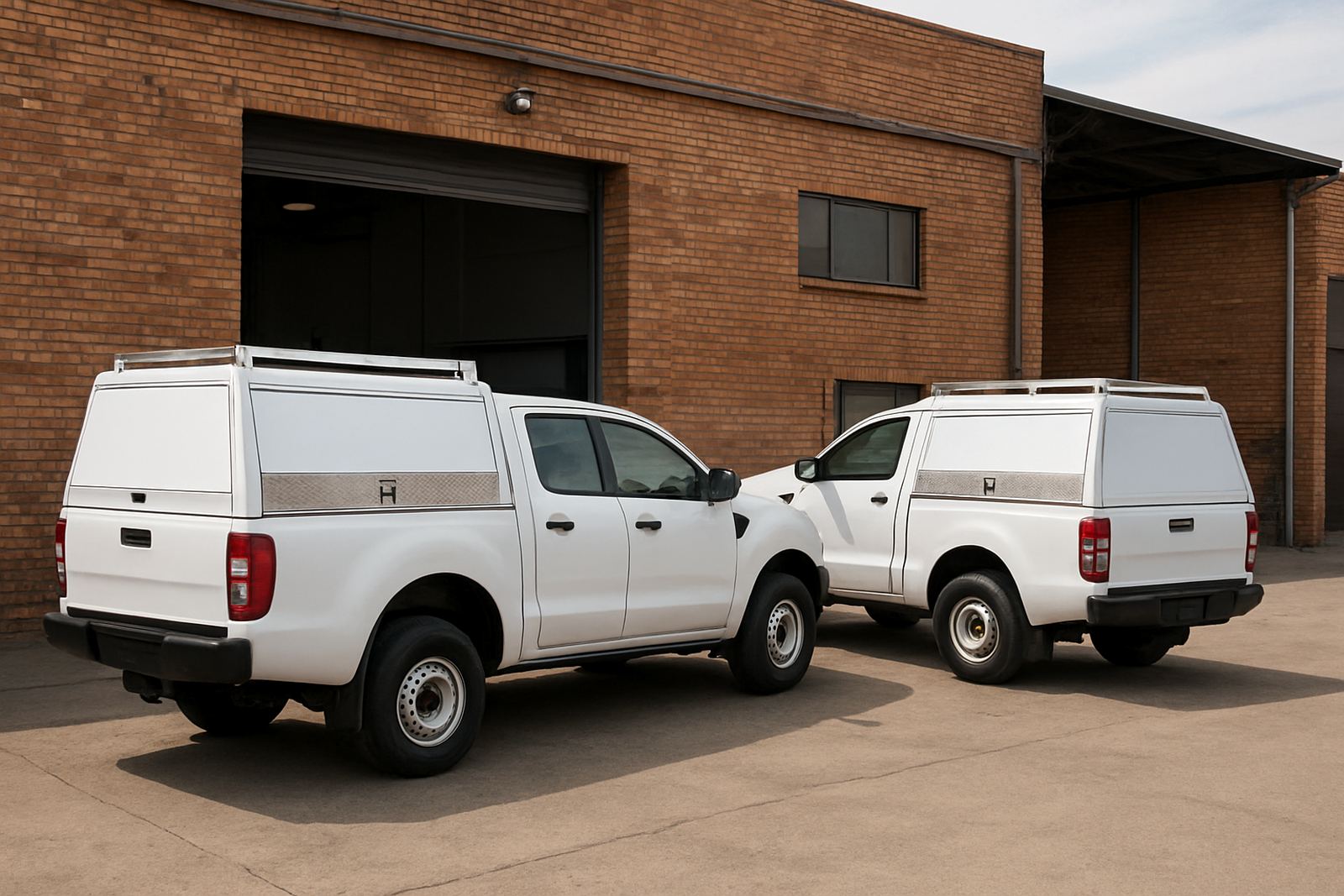
Most service bakkies carry a mix of visible branding and practical protection. The layout depends on whether the bakkie is used for call-outs, deliveries, installation work or fleet support. We usually plan around the canopy, load bin, doors, bonnet, mirrors and tailgate so the branding still reads clearly even when the vehicle is parked at an angle.
- Cab doors with business name, trade and contact number
- Load bin sides for bigger branding and service list
- Tailgate or rear doors with website, message and emergency contact
- Bonnet branding for high-traffic visibility in parking lots
- Lower panel protection where gravel, mud and boot scuffs hit most
For mixed-use vehicles, we often suggest a partial wrap rather than full coverage. That can keep costs down while still giving enough presence for roadside work, estate access and customer sites.
Planning the layout before the bakkie comes in
Good planning saves time and avoids a crowded design. Before production, we look at the bakkie make, cab shape, canopy type, existing paint condition and whether the vehicle has tool storage, ladder racks or decals already on it. If the vehicle is already running in the field, we also factor in how long it can stay off the road and whether a replacement unit is available.
Keep the message short. One phone number, one website, one clear trade description and a service area are usually enough. If the business covers Johannesburg, Pretoria, Midrand, the East Rand or Durban, that can be added without overloading the panels. It is better to have a readable name and strong contrast than a long list of services nobody can read from a moving car.
- Use large text on the doors and rear for quick recognition
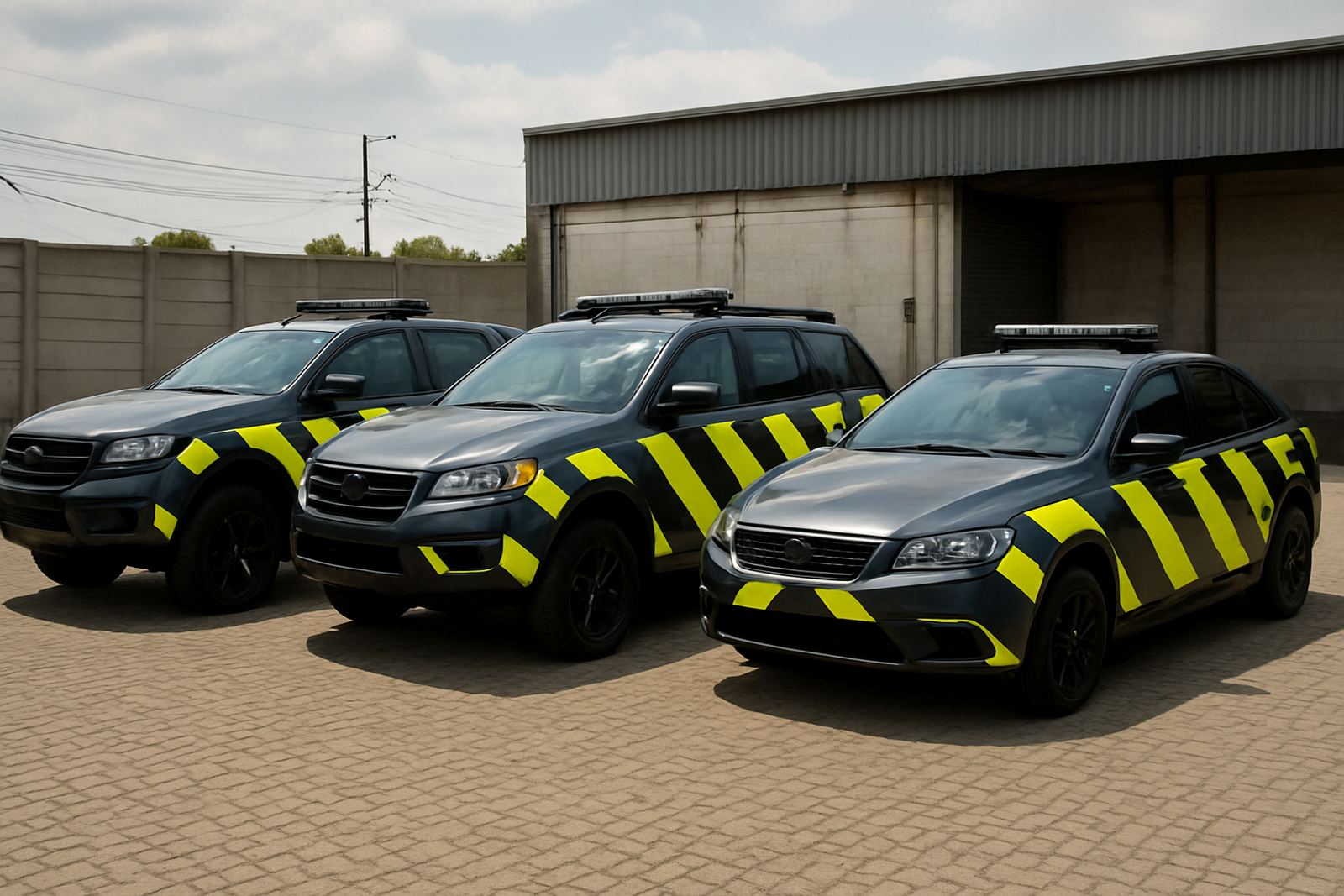
- Choose colours that stand out against the bakkie body colour
- Keep important contact details away from handles and fuel caps
- Match the wrap to uniforms, invoices and signage for consistency
Protection that makes sense for contractors
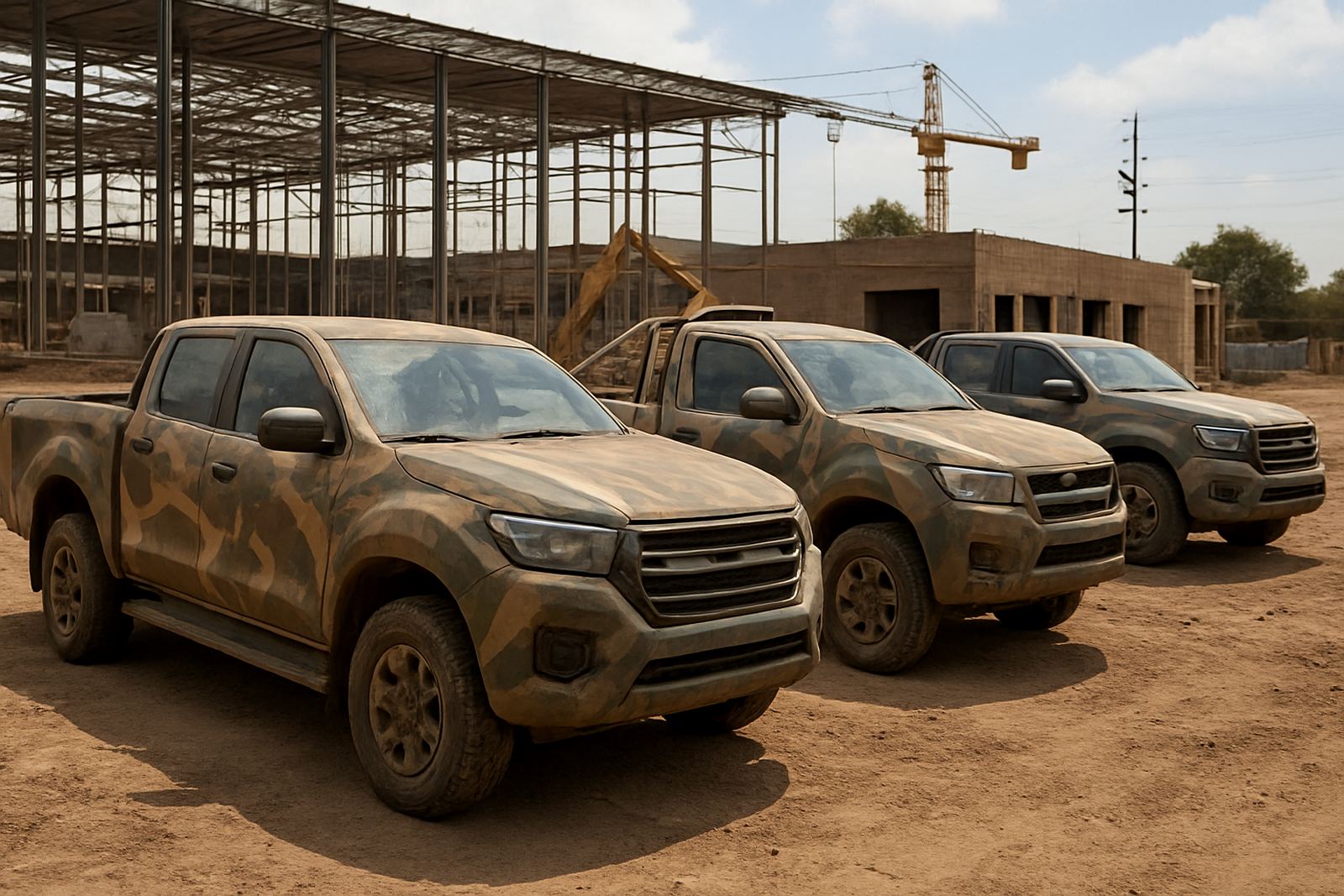
Many service bakkies work on dusty sites, coastal roads and in the sun all day. That is where paint-protection film and proper surface prep help. PPF is useful on high-wear areas like the bumper, door cups, sill edges and load area corners. It helps reduce stone chips and light scuffing from daily use, especially on bakkies that spend time on gravel or at construction sites.
Window tinting can also make sense for vehicles that carry tools, laptops or stock in the cab. It helps cut glare and improves privacy when the vehicle is parked on the street or outside client premises. Interior wraps are less common on service bakkies, but trim restyling can be useful where factory plastics scratch easily. Wheel refurbishment is worth considering if the bakkie is used for client-facing work and the rims have picked up curb damage.
Common mistakes we see on service vehicles
The biggest mistake is trying to put too much on the bakkie. Small text, too many colours and low contrast all make the vehicle harder to read. Another common problem is poor surface preparation, which leads to lifting edges, dust under the film or weak adhesion around curves and joins. On work bakkies this shows up quickly because they are washed often and exposed to heat, rain and vibration.
It is also a mistake to ignore the way the vehicle is actually used. If the load bin is opened all day, the rear layout should not depend on graphics that disappear when the tailgate is up. If the bakkie spends time on site, avoid placing vital details low down where mud and scratches will cover them. And if the company is growing, build the design so it can be copied across future vehicles with small changes only.
- Do not use small body text that vanishes from a distance
- Do not wrap over damaged paint without checking the panel first
- Do not leave rear contact details off the vehicle
- Do not mix too many fonts, icons and colours on one bakkie
Budget ranges for service bakkie wraps
Costs depend on the size of the bakkie, the amount of coverage and whether you want extra protection like PPF or tinting. A simple cut-graphic package for a single service bakkie can start from about R6 500 to R12 000. A partial wrap with stronger branding and more coverage usually falls between R14 000 and R28 000. Full wraps for larger bakkies, canopies or detailed fleet branding can range from about R30 000 to R55 000, depending on the finish and prep work needed.
Paint-protection film is priced by panel and by wear area. Window tinting is usually quoted per vehicle, while wheel refurbishment depends on rim size and condition. For fleet owners, it often makes sense to standardise one package and roll it out across the fleet in phases. That keeps the budget controlled and makes replacement panels easier later.
If the vehicle is already branded but needs a refresh, wrap removal and rebranding can be budgeted as a separate line item. We can also advise on whether a repair, partial replacement or full reskin is the better spend for the vehicle age and condition.
How Auto Wrap SA handles bakkie work
Our Kya Sand base in Johannesburg handles design, production and fitting, with wrap bays available nationwide for businesses that run vehicles across multiple cities. That matters when a contractor has units in Johannesburg, Pretoria, Durban, Midrand, Sandton or the East Rand and needs one look across all of them. The process starts with artwork and layout, then surface preparation, installation and final checks before the vehicle goes back into service.
Led by Sibusiso Nkosi, the team includes Onalenna Sekhukhune on operations, Johan van Wyk on fitting, Ayanda Mabena on fleet projects, Dhivana Bhana on sales, Tshepo Mabaso on PPF and tint, and Candice Petersen on artwork and production. The goal is simple: make the bakkie look right, protect the panels and keep the vehicle earning. If a unit needs aftercare support later, we can help with care advice, touch-ups and planned maintenance.