
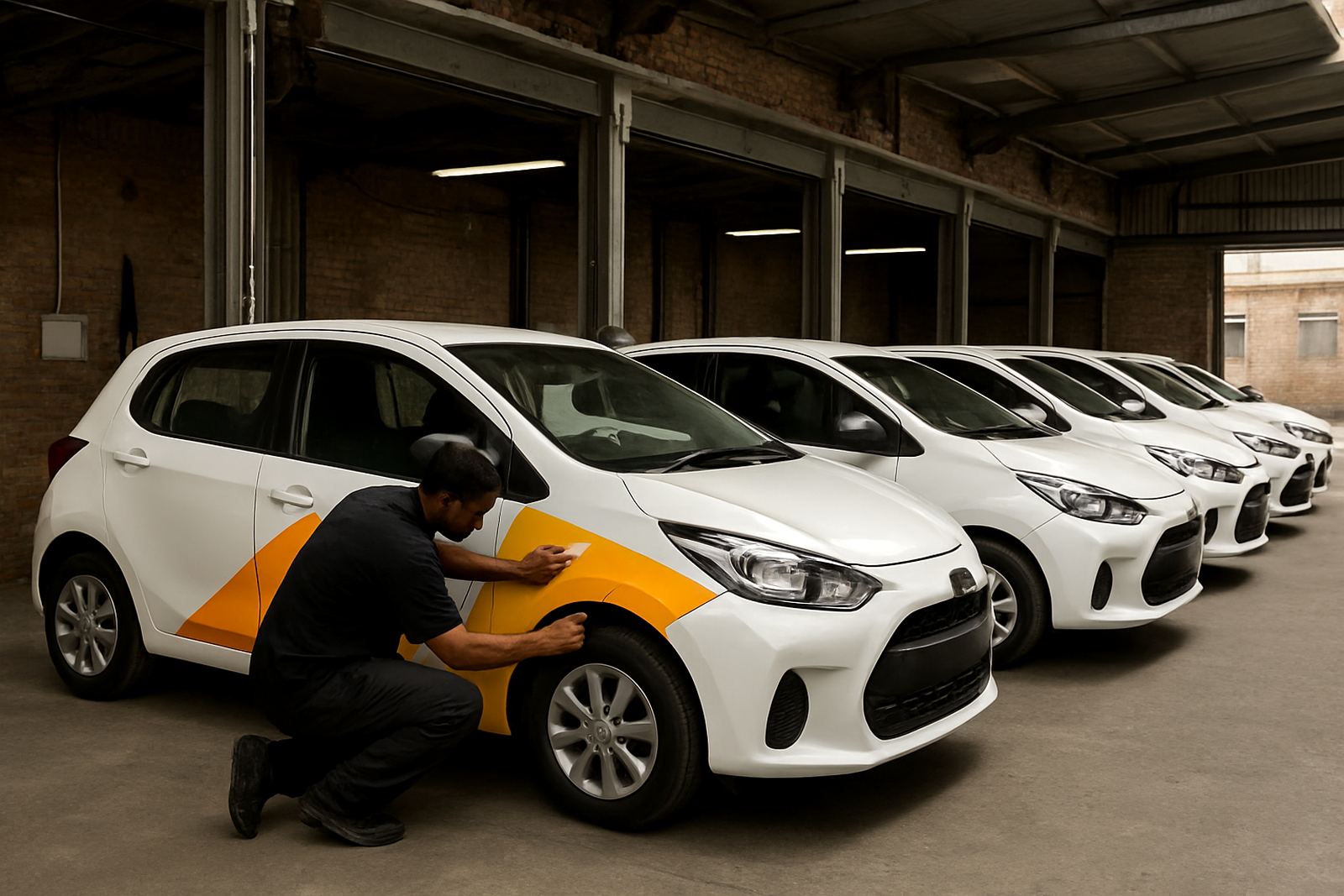
When a rental fleet needs a temporary setup
Rental operators usually need branding that works hard for a set period, then comes off without turning the vehicle into a workshop job. That is common for monthly promotions, airport and hotel partnerships, seasonal deals, dealer loan cars, and corporate mobility pools where the same vehicle may be reassigned after a few weeks. The aim is simple: keep the unit looking tidy, on brand and easy to de-identify when the contract ends.
For fleets in Johannesburg, Pretoria, the East Rand or Durban, the conditions can be rough on surface graphics. Sun, dust, coastal humidity and frequent wash cycles all affect how long a decal stays neat. We plan for that from the start by choosing the right film, adhesive strength and panel layout so the unit does not look half finished after a few weeks of use.
- Short term campaigns for 1 to 6 months
- Rental or fleet vehicles that change drivers often
- Loan cars, courtesy cars and replacement units
- Promotional vehicles used at events, launches or roadshows
Typical equipment and vehicle types we prep
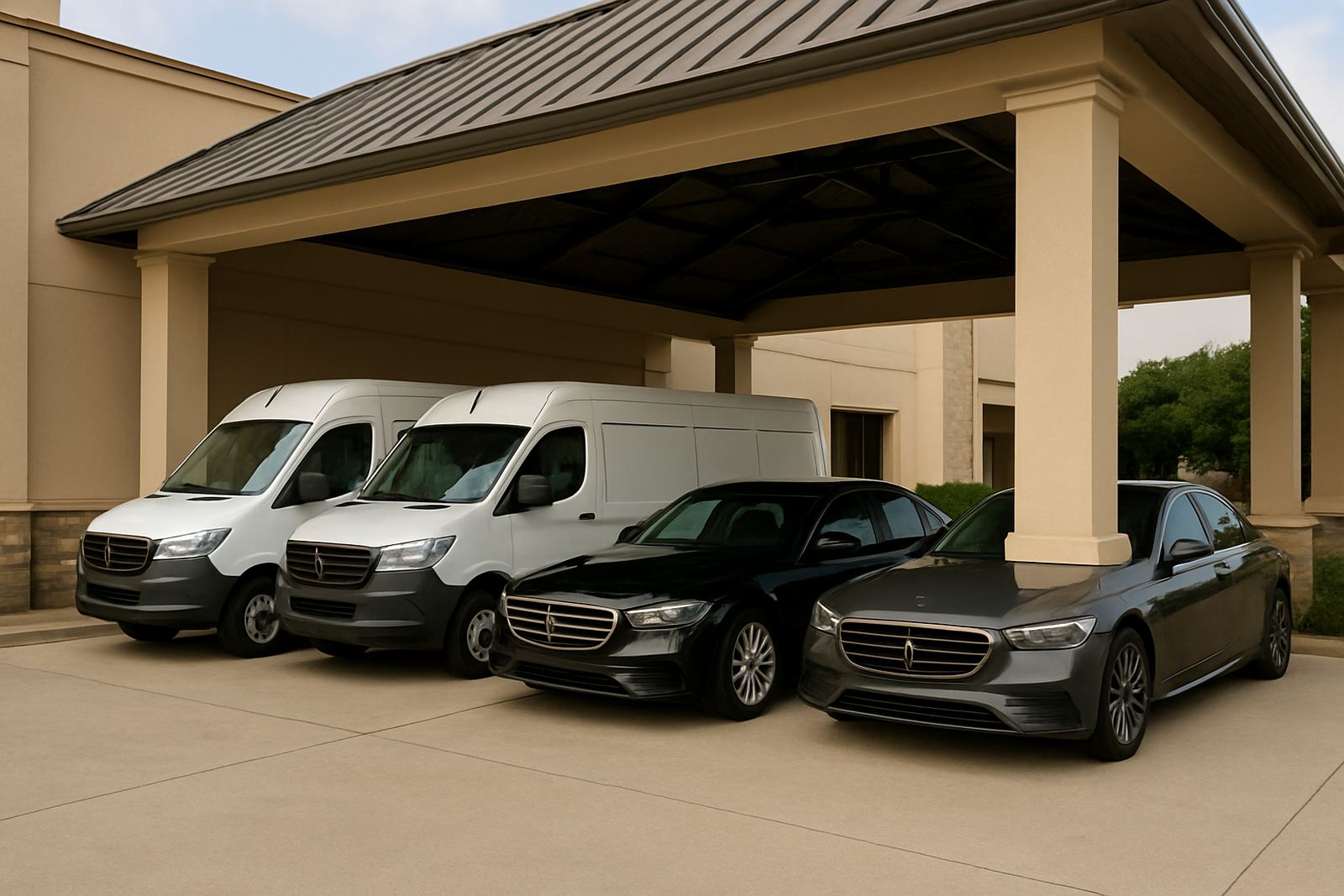
Most rental fleets use compact SUVs, hatchbacks, panel vans, sedans and light commercial vehicles. Some programmes also include bakkies and people movers, especially where clients need airport transfers, site runs or corporate shuttle work. The vehicle type matters because a hatchback with curved quarter panels needs a different graphic approach from a flat-sided van or a bakkie canopy.
We also look at the equipment that already sits on the vehicle. Roof racks, tow bars, beacons, parking sensors, parking cameras, side steps, window visors and fleet-number stickers all affect the layout. If a unit is being used in Gauteng heat, the rear badge area and bonnet edges need extra attention. On coastal fleets, we pay closer attention to edge sealing and wash-down habits because salt air can lift poor-quality film faster than most owners expect.
- Removable side branding and door decals
- Temporary bonnet and tailgate graphics
- Clear protection on high-wear contact areas
- Window tinting for privacy and heat control where allowed
- Interior trim accents for premium short-term hire units
Planning the layout so the fleet can turn over fast
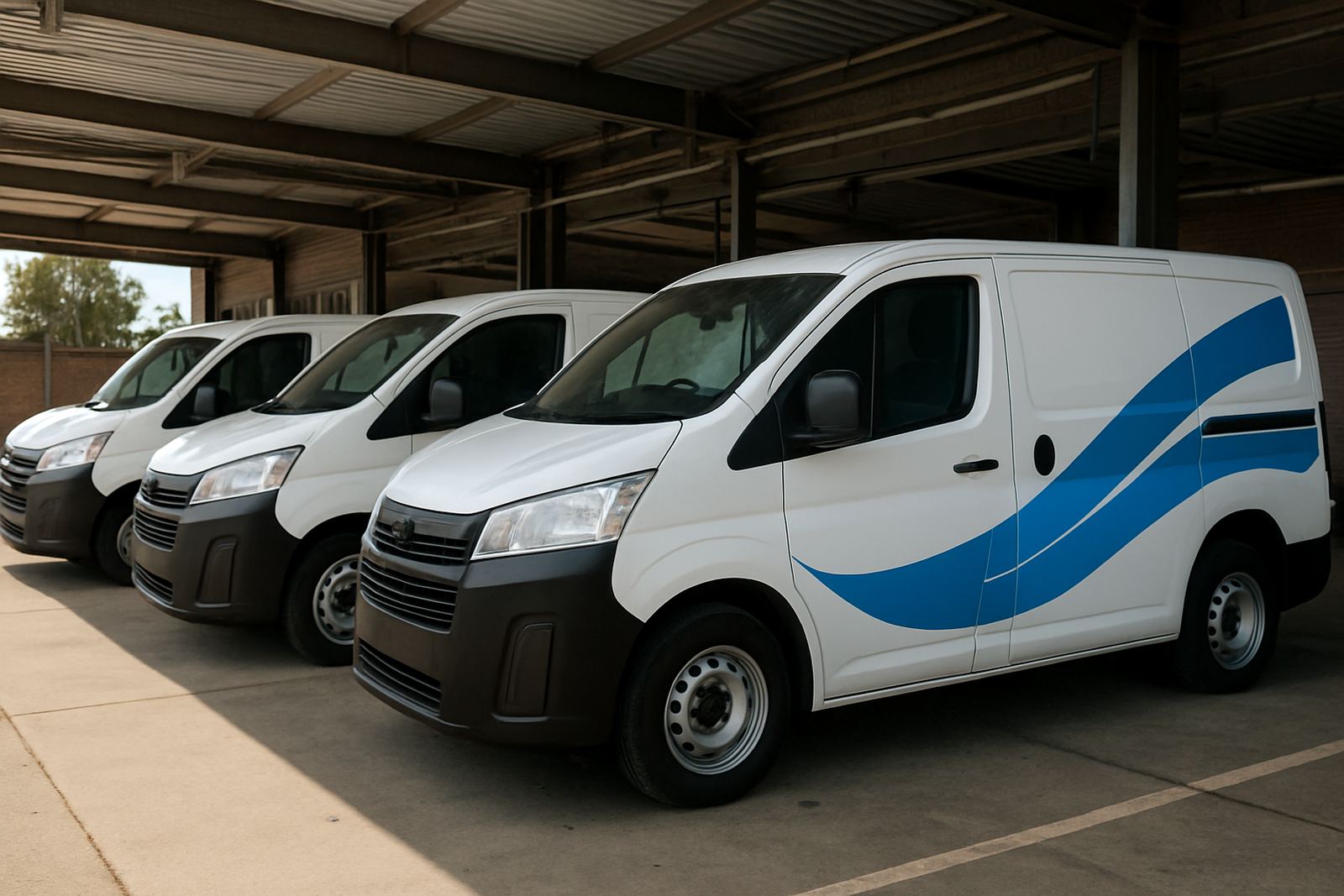
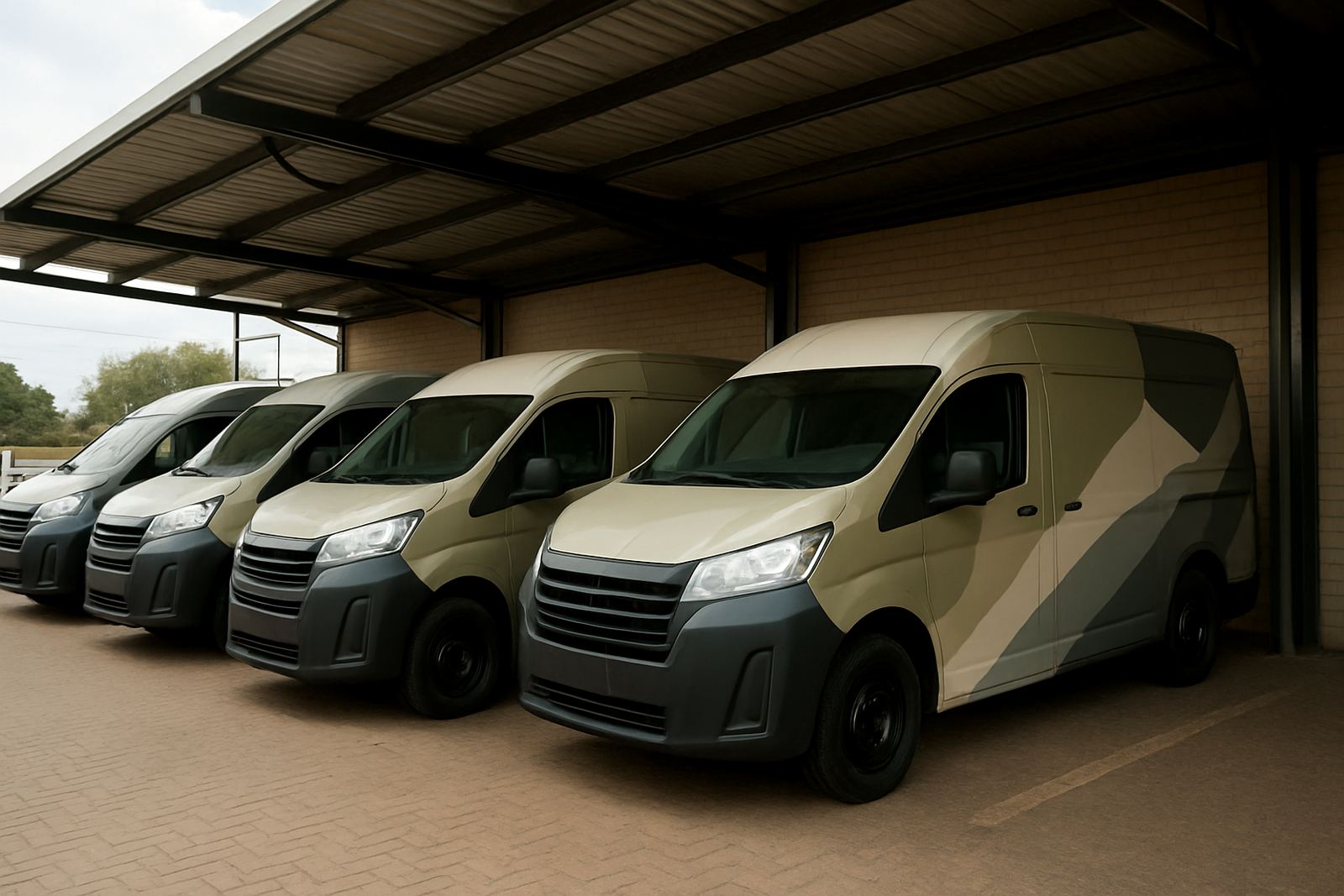
Good rental fleet prep starts with the return process. If a vehicle has to go back to white, silver or another standard colour quickly, the layout should avoid full coverage unless the campaign truly needs it. Partial wraps, modular decal sets and removable registration plates are often a better fit than full-body graphics. You get strong visibility without creating a long strip-out job later.
We normally plan around door handles, fuel caps, sliding doors, sensor areas and repaint risk. The art should be readable at traffic distance, but it should also work when the vehicle is parked nose-in at a mall or handed over in a basement car park. For large fleets, we set out a repeatable placement guide so every branch applies the graphics in the same position, same size and same colour order. That helps when units get swapped between Kya Sand, Midrand, Sandton or Pretoria. A clean standard saves time and avoids mix-ups.
When a fleet has mixed models, the safest approach is a master artwork set with size rules for each body style. That way the look stays consistent without forcing one template onto every vehicle.
Material choices that make removals easier
For rental work, the film choice is just as important as the design. You want material that stays put during use, but releases neatly when the vehicle comes out of service. On short campaigns we often use temporary graphic films and controlled adhesive systems designed for easier removal. For longer programmes, a higher grade wrap may be better, but only if the removal plan and surface prep are right from the start.
Paint condition matters. If a vehicle has old repairs, fading or already damaged clearcoat, the wrong film can pull up weak paint. That is why surface preparation is part of the process, not an afterthought. We clean, decontaminate and inspect the panels before anything goes on. In some cases we will recommend keeping the branding off a suspect panel rather than risk trouble later.
- Temporary full colour change films for campaign vehicles
- Removable decals for door branding and tailgate use
- Paint-protection film on leading edges and load areas
- Window film for heat reduction and occupant comfort
- Easy-off adhesive systems for faster end-of-term strip-out
Common mistakes rental operators make
The most common mistake is treating a rental unit like a permanent branded vehicle. That usually means too much coverage, too much fine detail and not enough thought for removal. The next mistake is using inconsistent artwork across branches, so the same model arrives in different colours, different logo sizes and different contact details. It looks untidy and makes fleet control harder.
Another issue is trying to apply graphics onto dirty panels or fresh paint. Rental fleets move quickly and the temptation is to rush the job. That can lead to lifting edges, trapped dust and early failures around handles and badges. In humid places like Durban, rushing drying times can also cause edge curl. In Gauteng, the bigger risk is heat and dust contamination during installation. Either way, poor prep costs more than doing it properly first time.
- Using full wraps where simple panels would do
- Ignoring return-to-stock removal time
- Mixing different logo sizes across the fleet
- Skipping surface prep on high-turnover vehicles
- Choosing materials that are hard to remove after sun exposure
Budget ranges in Rand for rental fleet prep
Pricing depends on vehicle size, film type, number of units and how much of the body gets covered. A simple removable decal set for a small car may start from around R1,800 to R3,500 per vehicle. Partial branding for a sedan or SUV is often in the R3,500 to R8,500 range, while a more involved temporary colour change or campaign wrap can sit between R9,000 and R18,000 per vehicle. Light commercial units and larger vans can run higher because of panel size and labour time.
If the programme includes PPF on bumpers, door cups or loading edges, add budget for those areas separately. Window tinting and interior restyling also sit outside basic branding work. For fleet managers, the better question is not only the upfront Rand figure but also how much time the vehicle spends out of service. A neat install that strips faster at the end often saves money overall, especially when there are 10, 30 or 100 units in rotation.
We can price by vehicle class or by full fleet schedule, depending on whether the programme is local, national or split across branches. That makes it easier to budget for Kya Sand head office, branch depots and temporary event vehicles at the same time.