
Why courier vans need clear branding
Courier work is all about being seen quickly. A van might be read for only a few seconds at a robot, in a loading bay, or while pulling up outside a factory gate. That means the message must be simple, the contact details easy to find, and the livery consistent across every vehicle in the fleet.
For businesses moving parcels around Johannesburg, Pretoria, Durban and the East Rand, a van wrap does more than look tidy. It helps customers recognise the vehicle before it stops, supports branch identity, and keeps unwrapped paint from scuffing around handles, loading doors and rear corners. On white panel vans a well planned vinyl system also hides the uneven mix of doors, seams and trim that comes with working vehicles.
Typical courier van setup we work around
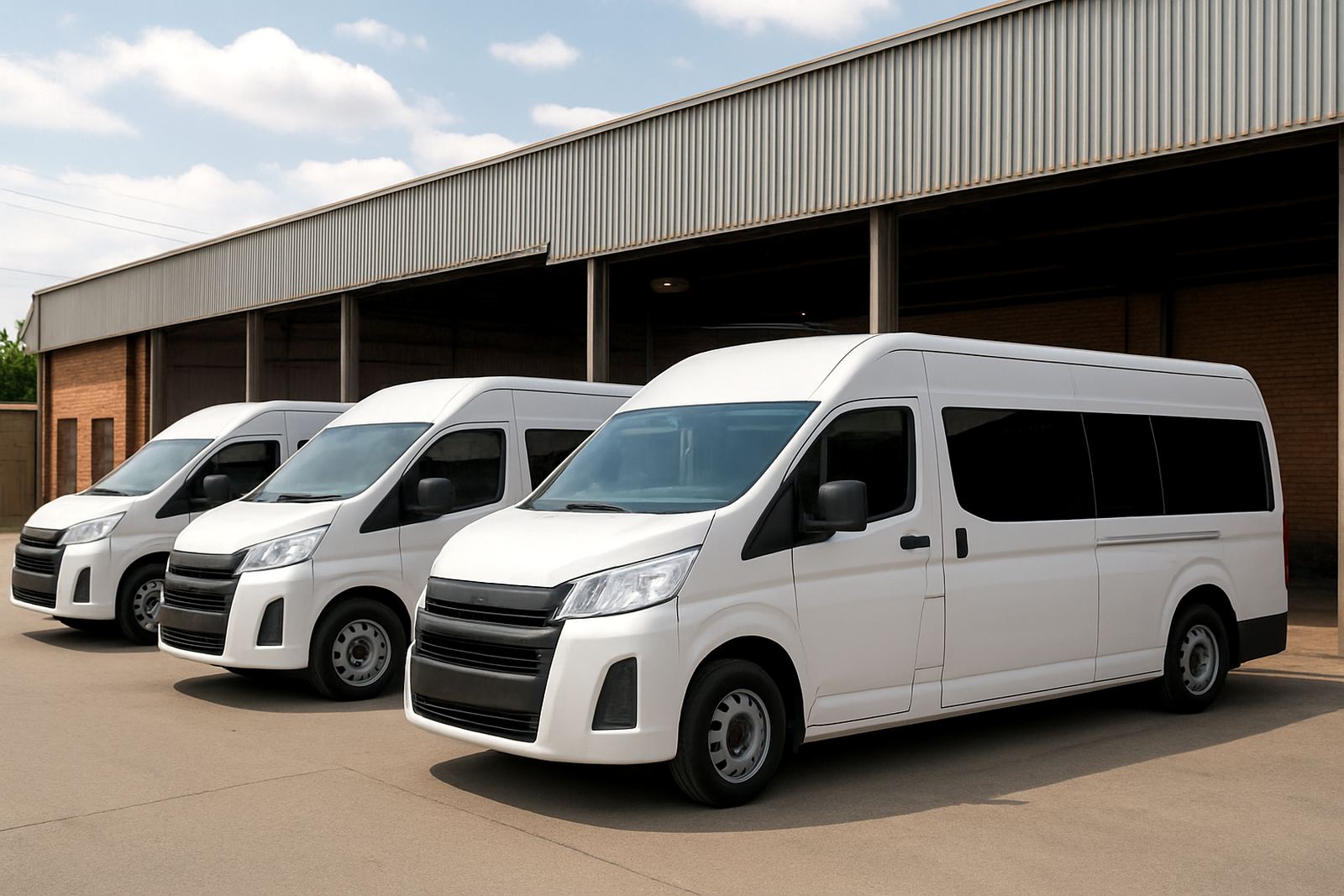
Most courier fleets use compact panel vans, long wheelbase delivery vans, and sometimes small refrigerated units or passenger vans converted for parcels. We see plain steel panels, sliding doors, rear barn doors, roof bars, ladder racks and rear step tow bars. The body shape matters because the wrap has to work around curved side panels, rivet lines, sensors and frequent door movement.
- Side panels with large logo placement and route readable text
- Rear doors for website, phone number, and tracking QR codes
- Cab doors with branch names or zone names where required
- Roof bars, bumpers and mirror caps that may need partial coverage
- Interior load areas where scuff resistant materials help in high use fleets
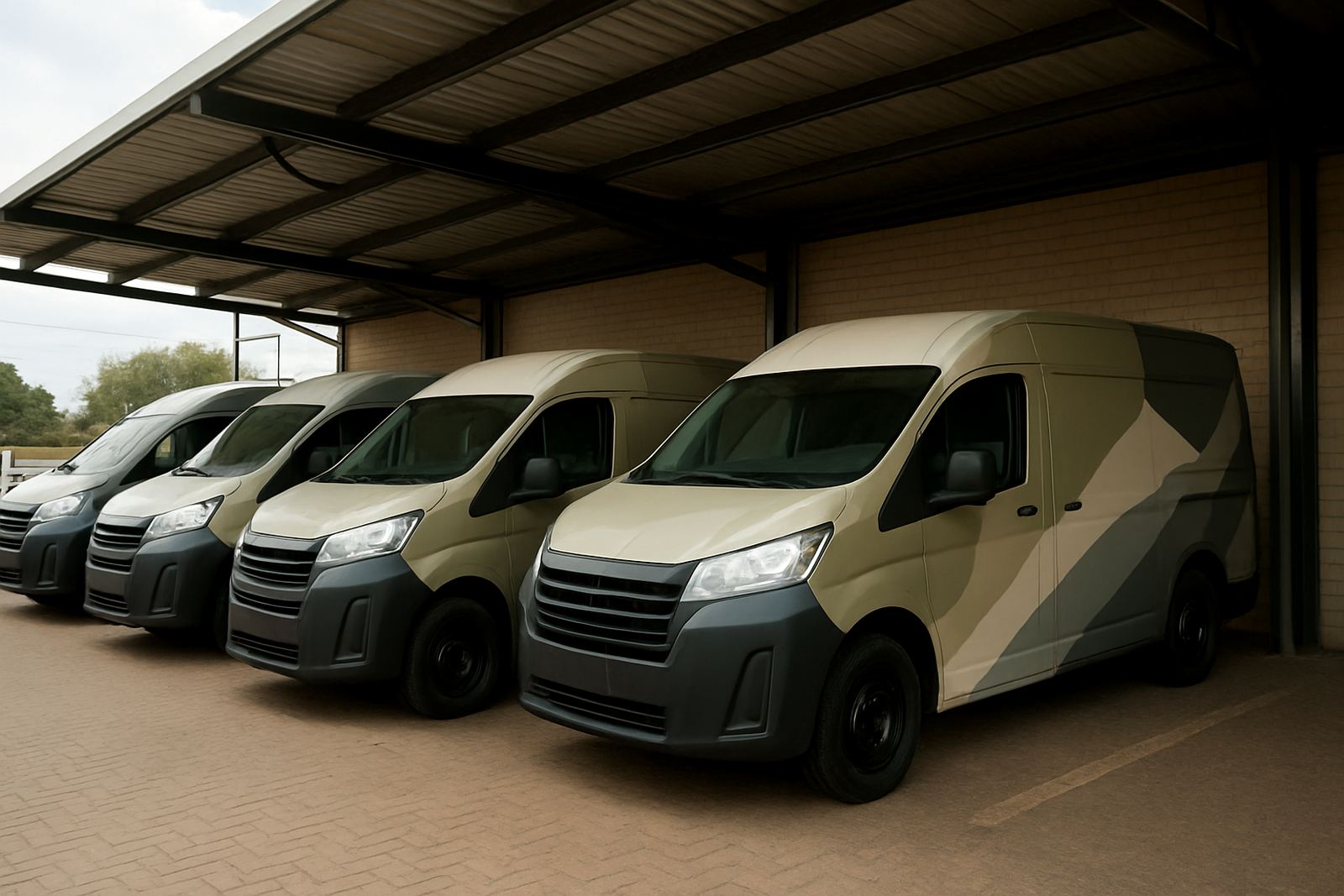
If you run mixed makes and model types, the artwork should be built as a standard system rather than one-off layouts. That keeps the fleet looking like one operation, even when vehicles come in at different times for fitting.
Layout choices that work on the road
Courier vans need practical graphics, not clutter. Large side logos, a clear strapline and a short contact line usually perform better than a packed panel with too much copy. We normally advise placing the main message above the door handles and keeping important details on the rear where traffic sits behind the van for longer. Small print gets lost fast, especially on busy routes and in winter rain when vehicles are dirty.
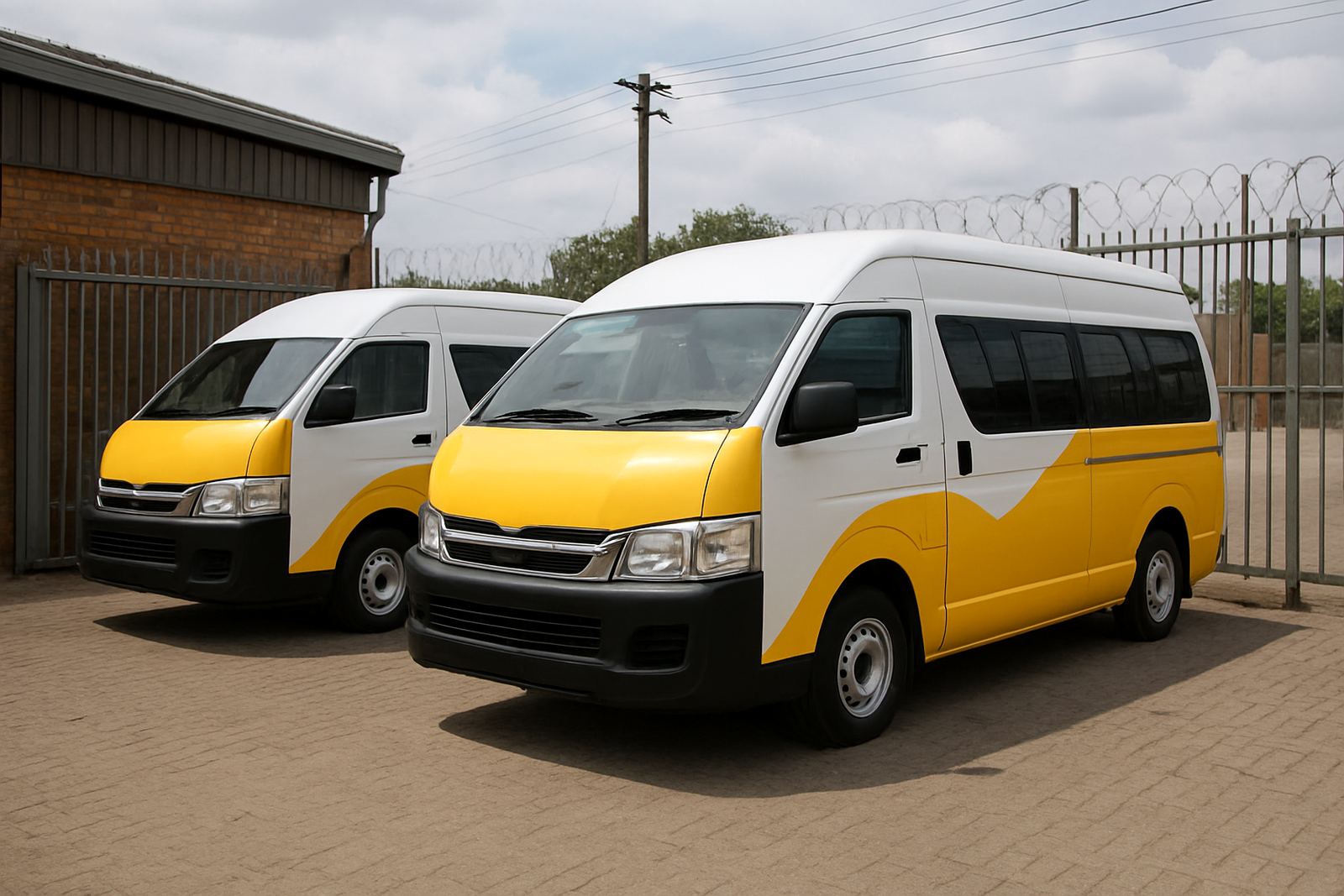
For branch identity, use one base layout across the fleet with controlled variations for depots, service areas or route codes. That way the vans still look uniform while giving dispatch teams the detail they need. If you want panels for parcel categories, same day, overnight or local deliveries, those should be planned into the design from the start and not added later as stickers.
- Use one main logo placement on each side panel
- Keep phone numbers large enough to read at a distance of 5 to 10 metres
- Use high contrast colours, especially on silver or light grey vans
- Leave some body colour visible if the fleet changes units often
- Allow for panel gaps, handles, hinges and fuel caps before final artwork sign off
Surface preparation and protection on working vans
Courier vans are handled hard. Tailgates are opened all day, loading doors are slammed and some vehicles sit outside in sun, rain and dust between runs. Good preparation makes the wrap last longer and keeps corners from lifting. Before vinyl goes on, the panels need to be washed, degreased and checked for old adhesive, scratches or rust spots. Any body damage should be sorted first because a wrap will show, not hide, a bad panel.
For vehicles that spend time on tar, in coastal humidity or under strong sun, we often recommend extra protection on high contact areas such as the front bumper, leading edges and door cups. Paint protection film can be added where stone chips are common. Window tinting also helps keep the cab cooler and reduces glare for drivers on long shifts, which is useful when load-shedding means early starts and long stop start travel.
Budget ranges for courier van wrapping
Costs depend on the van size, the amount of coverage and whether you are doing a single unit or a fleet run. A basic branding package for a courier van can start around R4,500 to R8,500 for cut lettering and logos. Partial wraps with larger side coverage usually sit in the R9,500 to R18,000 range. Full colour changes or full van wraps can run from about R18,000 to R32,000 or more, depending on panel complexity, artwork time and finishing.
Extra services are priced separately. Window tinting, interior restyling, wheel refurbishment and paint protection film are often added when a business wants the van to look cleaner for longer. Fleet work can also be costed per vehicle with a repeat setup fee for standard artwork, which is often cheaper over 5 to 20 vehicles than doing each unit as a one-off.
- Small logo and contact details: from about R4,500
- Partial courier van wrap: from about R9,500
- Full wrap or colour change: from about R18,000
- Fleet standardisation and repeat production can reduce unit cost
Common mistakes courier operators should avoid
The biggest mistake is trying to put too much onto one van. Fine print, too many services and weak contrast make the vehicle harder to read on the road. Another common problem is mixing old and new artwork across the fleet, so some vans carry one phone number while others carry a different branch line. That looks untidy and can send calls to the wrong depot.
It is also a mistake to skip aftercare. Fresh vinyl should not be pressure washed too close to the edges, and harsh chemicals can shorten the life of the finish. Drivers should be told where to avoid scrubbing, how long to wait after installation, and what to do if a corner lifts. A small crease left alone can become a larger repair later on, so quick checks after the first week are worth it.
- Too much text on the panels
- Low contrast colours that disappear in traffic
- No fleet standard for branches or depots
- Skipping prep on scratched or dirty panels
- Using different contact details on different vans
Nationwide fitting for courier fleets
Auto Wrap SA works from Kya Sand in Johannesburg and supports wrap bays nationwide, which suits courier operators with vehicles in different cities. That helps when a business has depots in Sandton, Midrand, Pretoria, the East Rand or Durban and needs the same finish across all units. The aim is simple: keep the vans looking like one fleet, not a mix of different jobs done at different times.
For larger rollouts, it helps to group vehicles by size and schedule them in sets. We can plan design approval, surface preparation, vinyl installation, wrap removal where needed, and aftercare support so that the vans return to work without unnecessary downtime. If you are starting with just a few vans, the same standards still apply. Good artwork, correct measurements and proper fitting save money later, especially when the fleet grows.