
Why School Transport Fleets Need Clear Identification
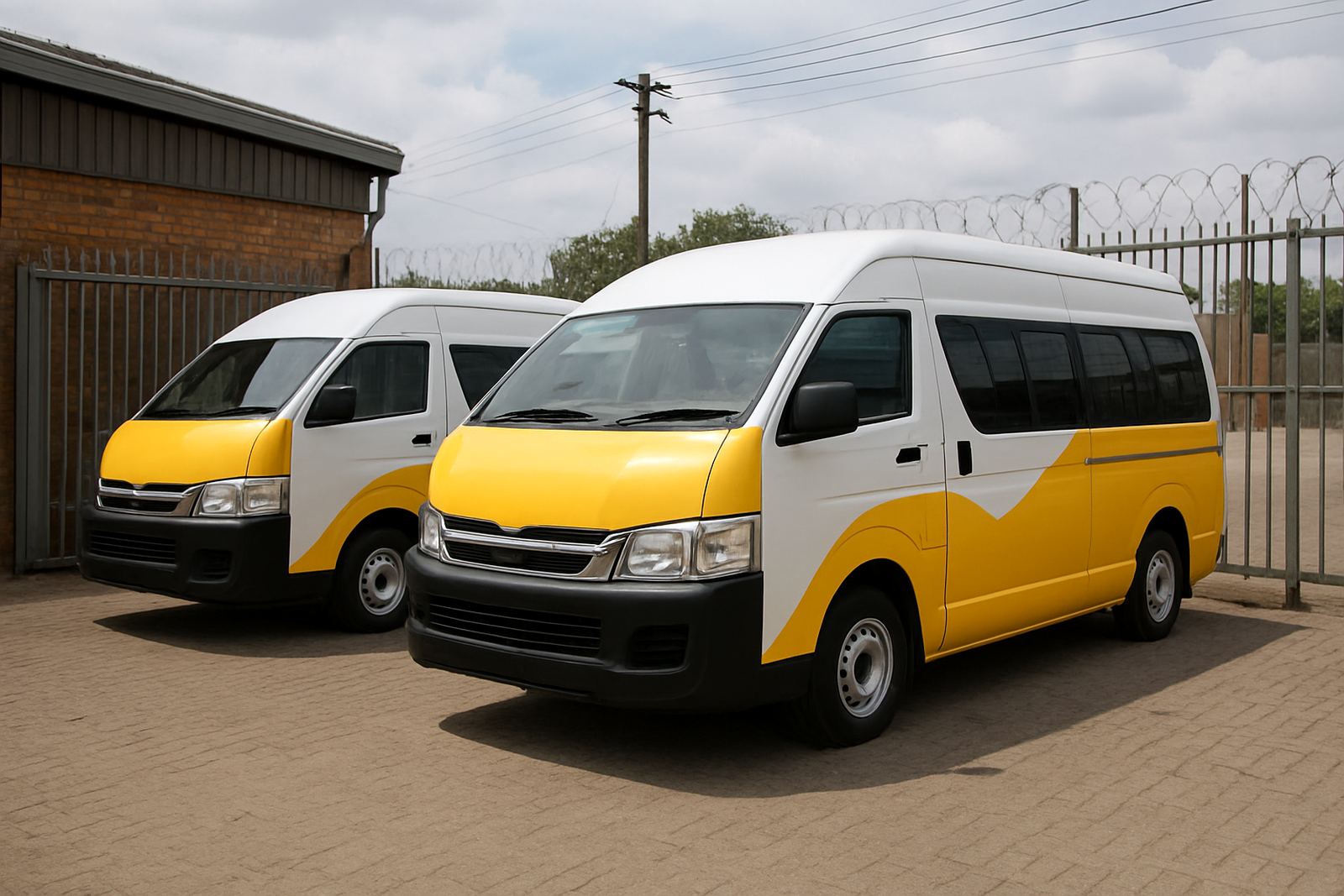
Parents and schools want to see at a glance which vehicle belongs to the scholar transport operator, and that matters whether the vehicle is in Sandton, Midrand, Pretoria or Durban. Clear branding also helps on busy school runs where multiple minibuses, sedans and support bakkies are moving at the same time. A clean identity system makes it easier for drivers, parents and school staff to identify the right vehicle without confusion.
For operators, the vehicle is also a working asset. School transport vehicles spend long hours in the sun, sit in traffic, and get handled by children, staff and drivers all week. Good wrapping and film choices reduce the look of wear, help protect painted panels, and keep the fleet looking orderly for longer. In many cases the first thing a parent notices is the condition of the vehicle, so neat presentation counts.
- Vehicle numbers and route markings for quick identification
- Company name and contact details on doors, rear windows or tailgates
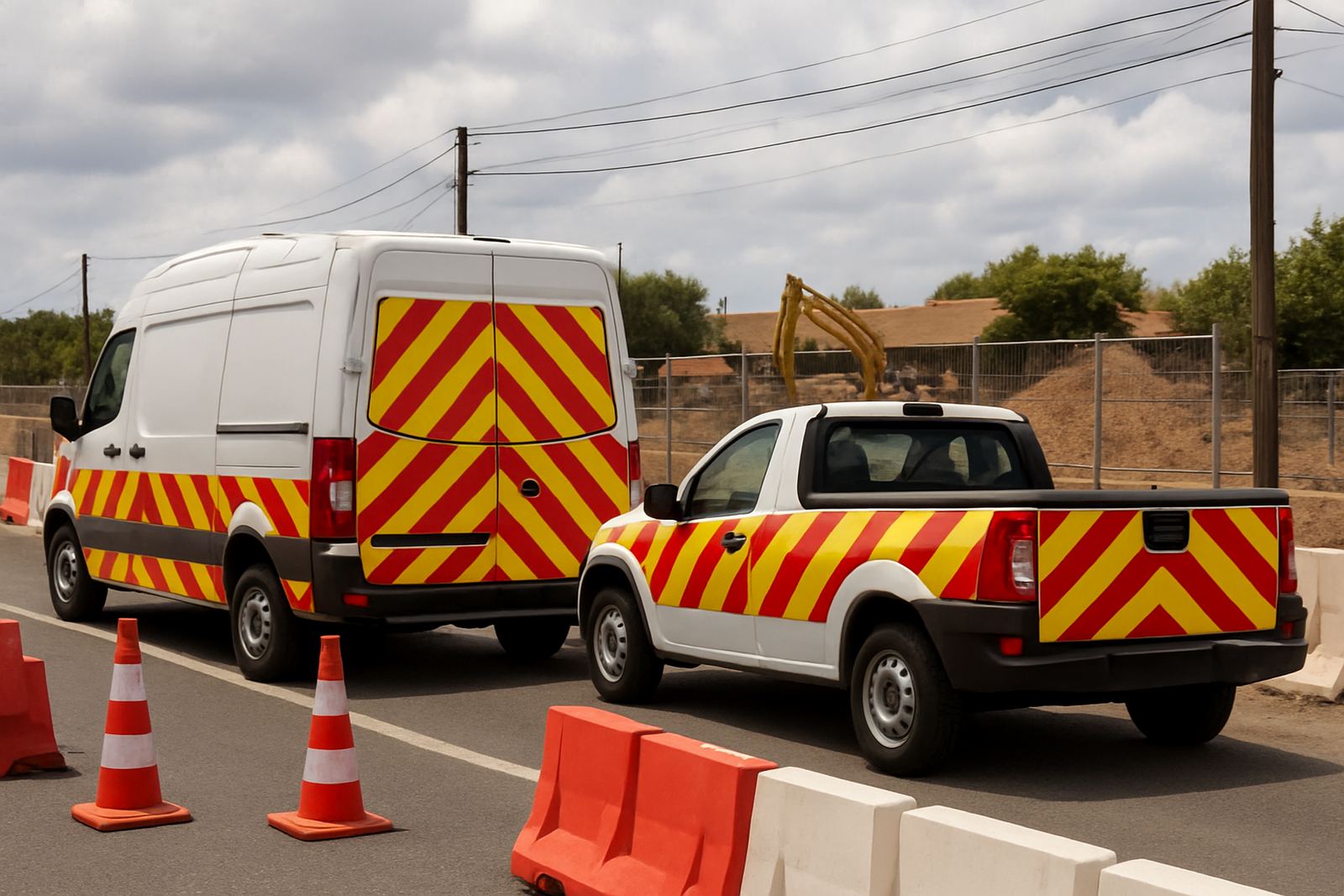
- Reflective or high contrast details where needed for low light areas
- Uniform placement across every vehicle in the fleet
Typical Set-Up For Scholar Transport And Support Vehicles
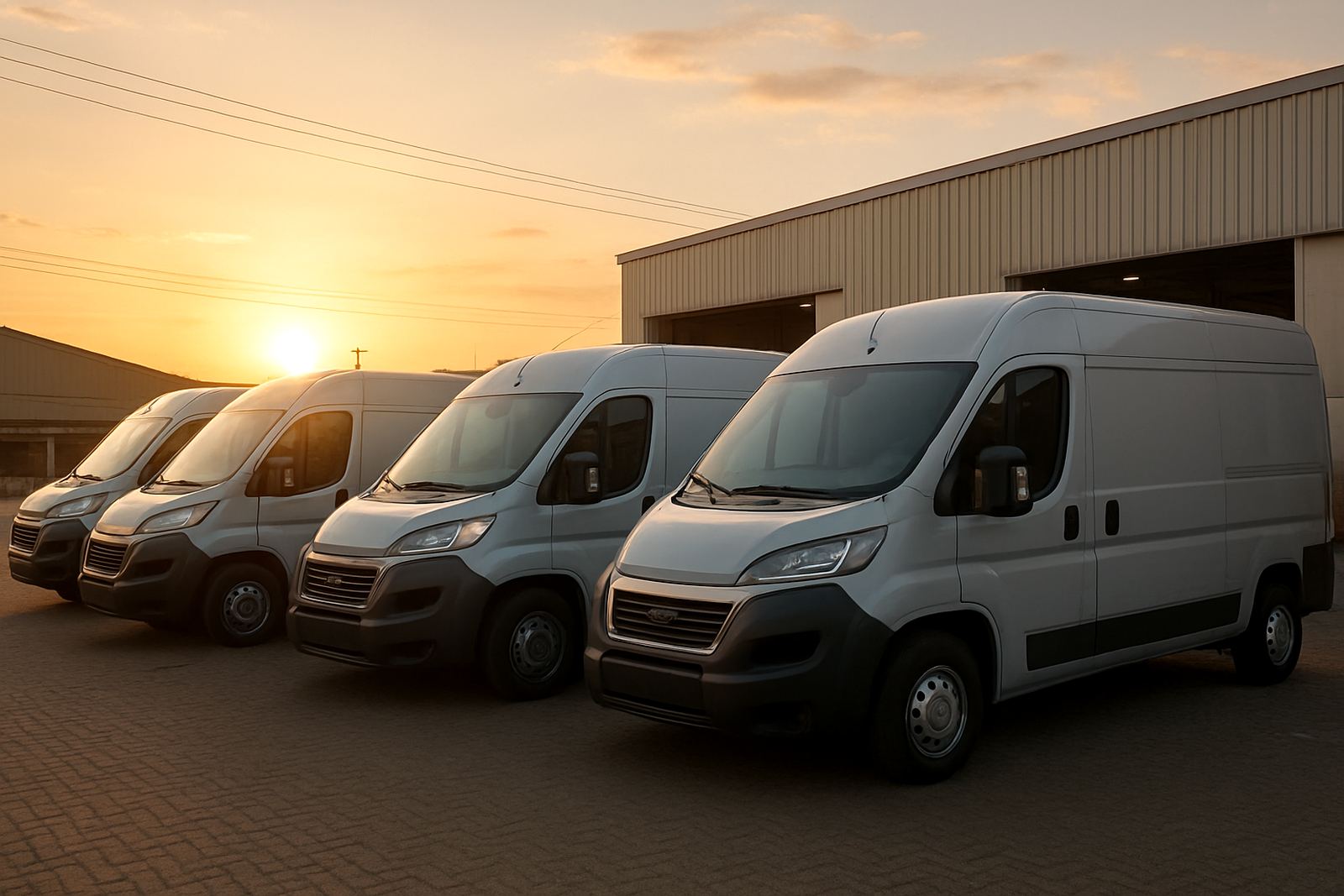
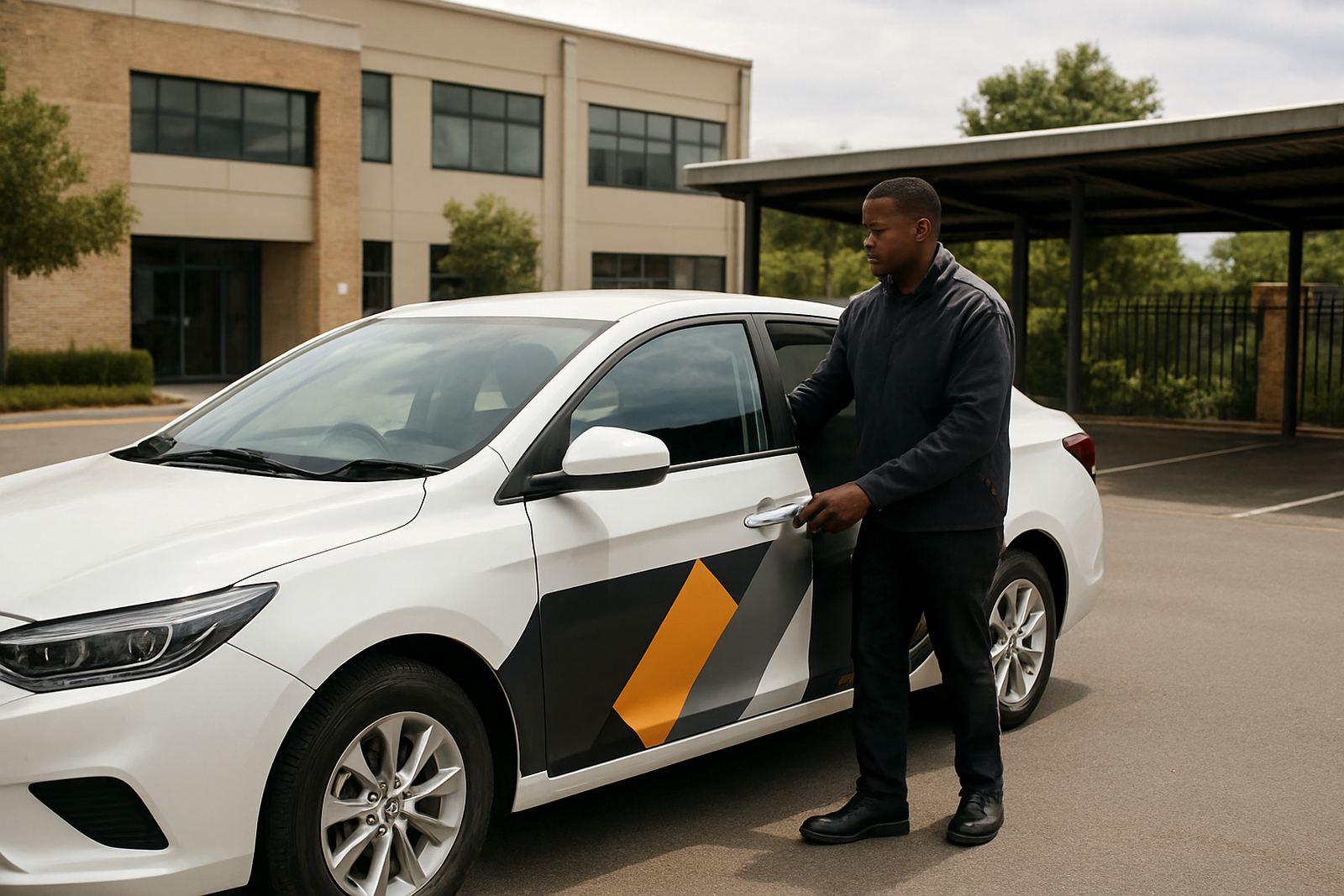
A school transport fleet is often mixed. You may have 7 seater SUVs, 14 seater minibuses, panel vans used for equipment, or a few sedans doing collection runs for younger learners. Each type needs a different layout plan so the branding stays readable on curved panels, sliding doors and rear windows. A one size approach usually wastes money because a long door graphic on a van will not fit a compact hatchback in the same way.
We normally start by mapping the fleet into groups, then setting one visual system for all of them. That can include colour panels, route codes, school names, emergency contact details and simple safety messages. If the vehicle also carries teachers, sports equipment or lunch supplies, we can use interior marking and simpler external graphics to keep the look tidy. In Gauteng and coastal areas it is worth using materials that can handle heat and humidity, because cheap film can lift at the edges after a few months.
- Exterior identification: doors, bonnet, tailgate, quarter panels
- Rear visibility: tinted or branded rear glass with clear legal limits
- Support markings: admin fleet, maintenance vehicle, relief vehicle
- Optional protection: high-wear door edges, handles and loading areas
Window Film Choices That Work For Transport Runs
Window film is common on scholar transport because it helps manage heat and glare, especially on routes that start early and end in direct afternoon sun. It can also give passengers a bit more privacy, though the film still needs to suit local rules and the vehicle use. The aim is not to make the vehicle too dark. It is to improve comfort while keeping the driver’s view clear and maintaining proper visibility from outside where required.
On a school fleet, we normally look at front side windows, rear passenger windows and back glass separately. Front areas need a lighter approach, while rear windows can take a darker film if it is within legal limits and the vehicle is still safe to operate. For drivers doing long shifts, glare reduction is a real benefit because it cuts strain on the eyes in traffic and on open roads. Film also helps reduce interior fading on seats and trim, which is useful for vehicles that run every day.
- Lighter film for front side windows where visibility matters most
- Mid to darker film for rear passenger areas, subject to legal limits
- Heat reduction film for vehicles parked in the sun between trips
- Easy-clean surfaces for vehicles carrying many passengers daily
Planning The Artwork So It Reads Fast
School transport branding should be quick to read from a distance and simple enough for a parent to remember. The best layouts use large route names, clear phone numbers and a limited colour palette. Too much detail turns into visual noise, especially when the vehicle is moving. If the unit is used for multiple routes, the artwork should allow space for vehicle numbers or removable route panels so the fleet can be updated without redoing everything.
Before production, we look at the exact vehicle dimensions and where doors, handles, fuel caps, windows and body curves sit. This saves time during installation and avoids awkward joins. For fleet owners with several branches or school contracts, we can keep the same style across all vehicles and adjust only the contact details or route wording. That way the fleet stays consistent and the administration is easier. It also helps the fleet look properly managed, not patched together.
- Keep phone numbers large enough to read in traffic
- Use one main message per side, not five competing messages
- Plan around sliding doors, tinted glass and rear wipers
- Leave room for route updates, school logos or contract changes
Common Mistakes That Cost Fleet Owners Money
One of the biggest mistakes is choosing film or wrap material only on price. School transport vehicles get opened and closed all day, so weak adhesive and poor edge finishing will show quickly. Another common problem is placing graphics where they are blocked by door seams or windows, which makes the message hard to read. On minibuses, a logo that looks fine on paper can disappear once it is cut around a sliding door or curved quarter panel.
It is also a mistake to ignore maintenance. If a fleet washes with harsh chemicals, or parks under trees with sap and dust, the finish can dull faster. Wraps and films last longer when drivers are shown how to clean them and what not to use. Some owners also forget that school transport vehicles often sit idle during holidays. If they are parked outdoors, a proper cover plan or shaded parking helps reduce sun damage and keeps the fleet ready for term time. Small things make a big difference, and a missed edge now can become a bigger repair later.
- Using dark film where visibility is needed for child safety
- Overloading the design with too much text and small print
- Skipping surface preparation before installation
- Not planning for door movement, stone chips and daily cleaning
Budget Ranges For School Transport Vehicles
Budget depends on vehicle size, whether you need a partial or full wrap, how much window film is involved, and if there is old branding that must be removed first. A small scholar transport sedan with basic identification and front window tint will cost less than a 14 seater fleet vehicle with full side graphics, rear glass treatment and protective film on high touch areas. We always recommend pricing by vehicle group rather than guessing from a single picture.
As a broad working range, simple identification packages can start from about R4 500 to R9 000 per vehicle. Mid-range scholar transport branding with better coverage and window film often sits between R9 000 and R18 000. Larger fleet units, detailed artwork, PPF on wear areas, or wrap removal before new work can move above R18 000. If you are managing several vehicles, the per-unit price normally improves when the same layout is repeated across the fleet. That helps with planning and keeps the look consistent across branches.
For Johannesburg, Pretoria and East Rand operators, we can also plan work around vehicle downtime so one unit stays on the road while another is being fitted. That matters for term schedules and contract routes. A good quote should include preparation, install time and aftercare notes so there are no surprises.
What To Bring When You Ask For A Quote
To price a school transport fleet properly, we need the vehicle types, how many units are involved and what each one is used for. If you already know the school route names, contact details, and any colours that must match, bring those too. Photos of the vehicles help, but the exact make and model matters more because panel sizes and window shapes affect the layout. If there is current branding on the vehicles, tell us whether it needs removal or can be covered safely.
We also ask about parking conditions, because a vehicle standing in full sun at a depot in Kya Sand will need a slightly different material choice from one stored indoors. If you run across Gauteng and KZN, we can plan for temperature changes, dust and regular washing. The more practical detail we get up front, the better the result, and the less chance of rework later.
- Vehicle count, model and year
- School transport use, support use or mixed fleet use
- Required phone numbers, route names and operating areas
- Parking conditions and cleaning routine